Zona Franca dos Anjos sits on Rua de Moçambique in Lisbon's Anjos neighbourhood, a district that has gradually drawn independent restaurants and bars away from the more tourist-trafficked quarters of Alfama and Príncipe Real. The address places it within a local dining culture that rewards patience and neighbourhood familiarity over spectacle. Details on format, pricing, and booking are best confirmed directly with the venue.

Anjos and the Shift in Lisbon's Dining Geography
Lisbon's serious eating has long been distributed unevenly across the city. The Michelin-starred tier, anchored by addresses like Belcanto, CURA, and Eleven, clusters in Chiado, the waterfront, and the park-facing avenues. Below that formal tier, the city's most interesting neighbourhood eating has been migrating north and east, into districts where rents remain lower and the clientele is more likely to include people who live within walking distance. Anjos is one of those districts. The neighbourhood sits between Intendente and Arroios, two areas that have absorbed a generation of young Lisboetas, independent retailers, and restaurants that operate outside the tourist circuit.
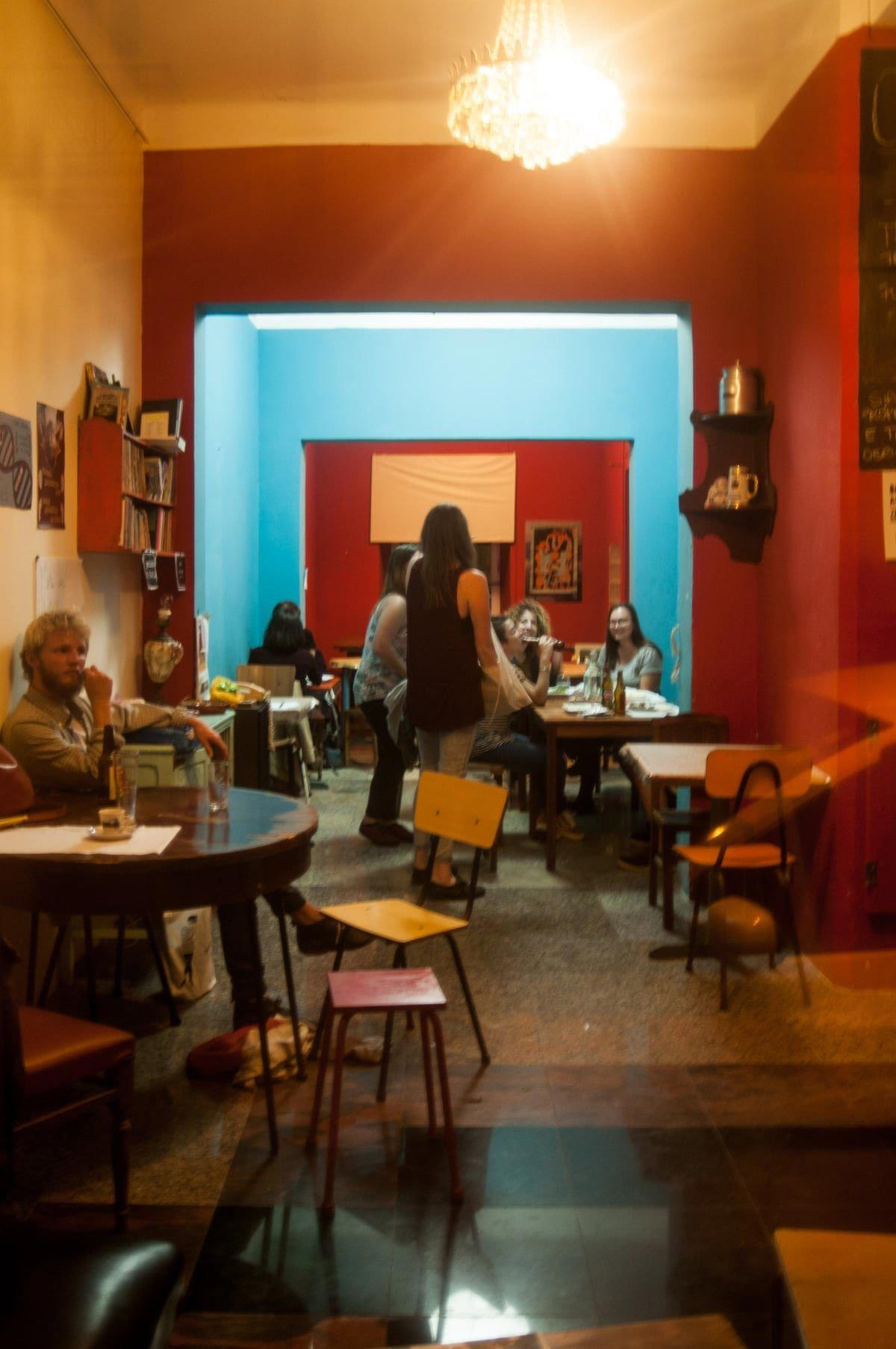
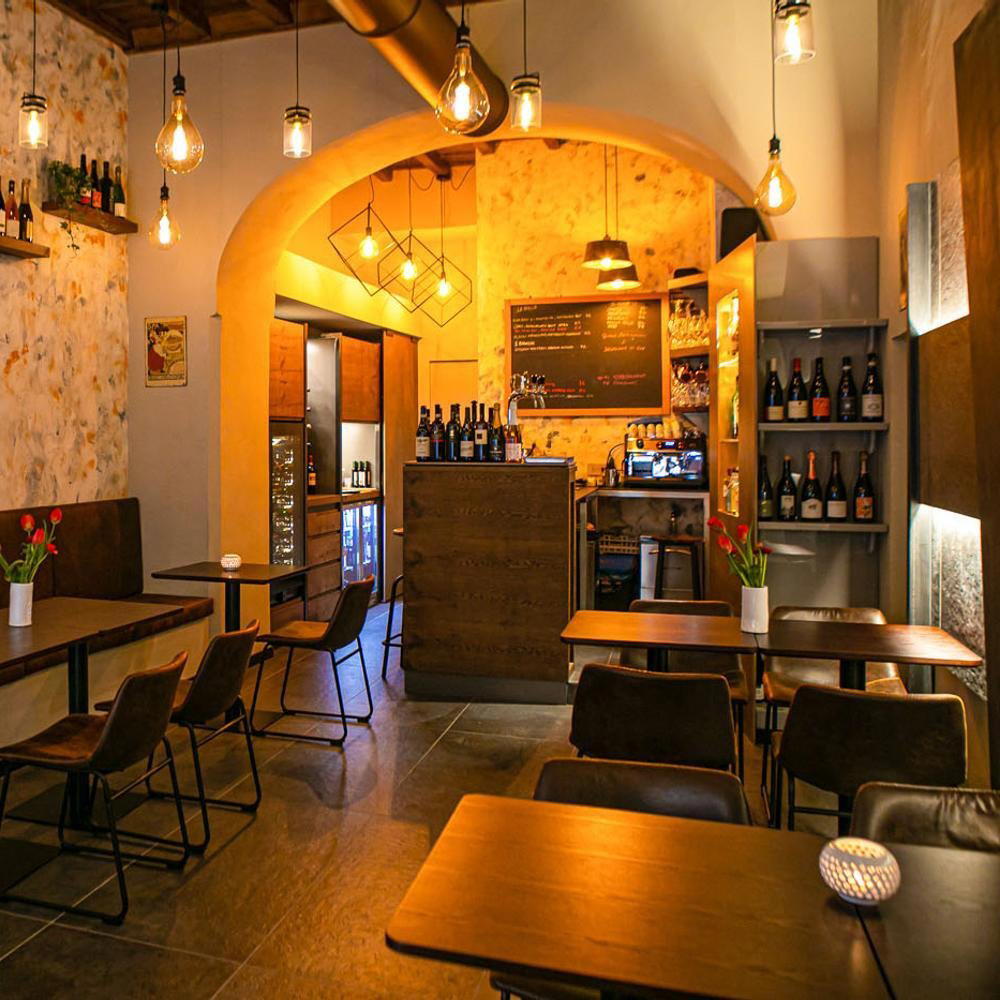
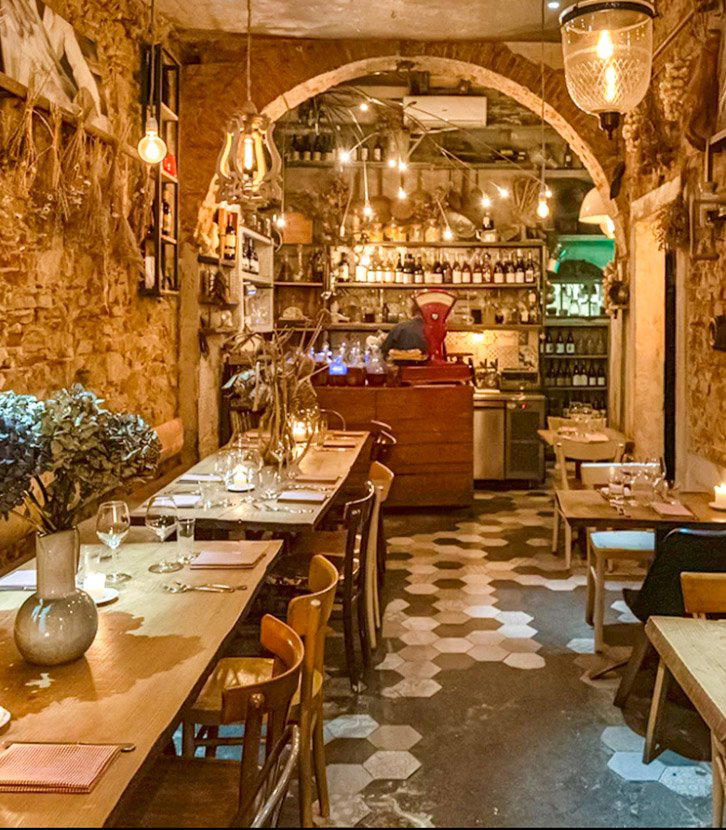
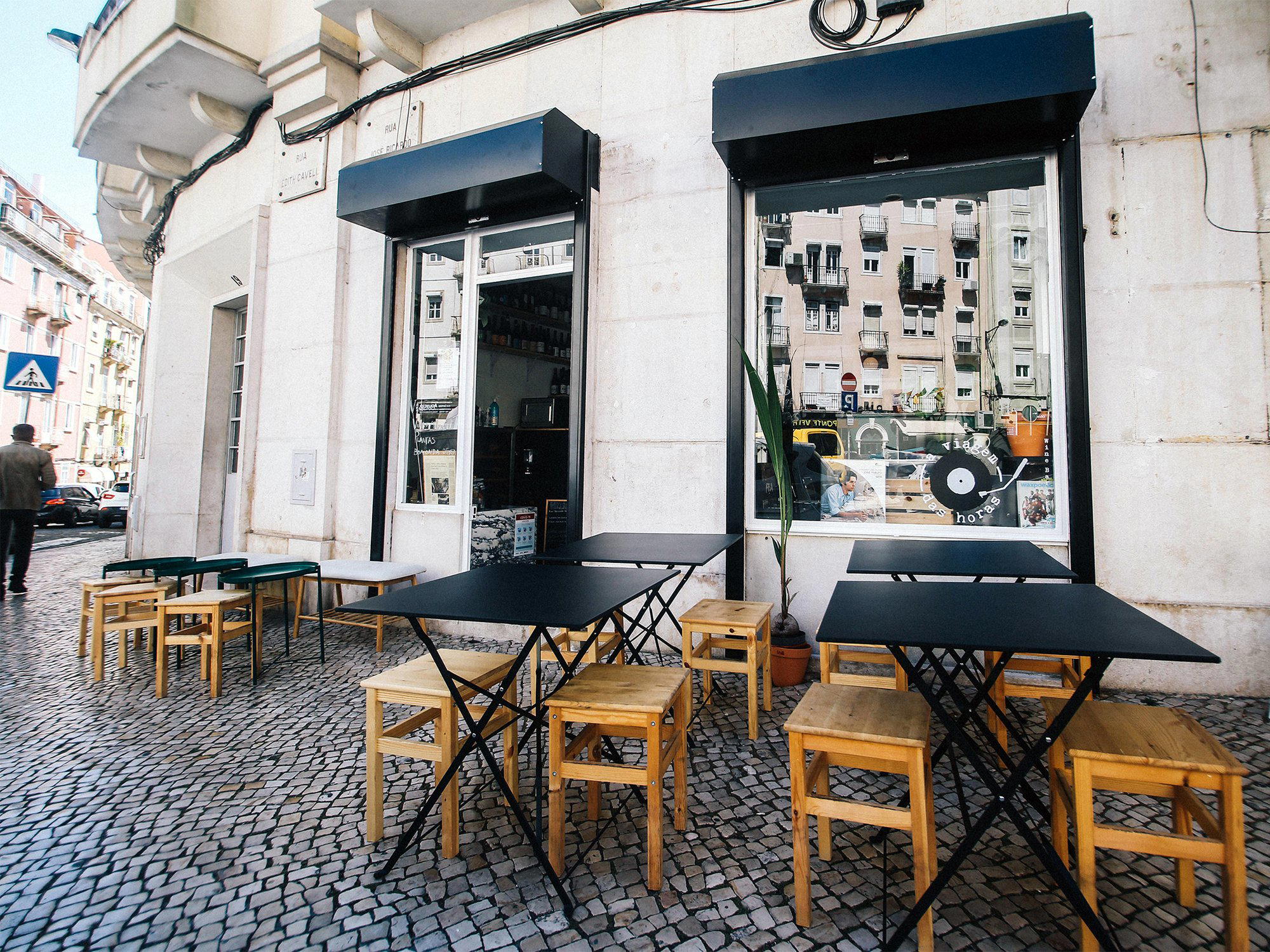
Zona Franca dos Anjos, at Rua de Moçambique 42, belongs to this quieter geography. The address is residential in character, the kind of street where the rhythm of the meal is set by the neighbourhood rather than by a marketing concept. Arriving here requires a deliberate decision to come, which is itself a form of editorial filtering: the room will skew local.
The shortlist, unlocked.
Hard-to-book tables, cellar releases, and concierge-planned trips.
Get Exclusive Access →The Logic of the Dining Ritual in a Neighbourhood Room
Across Lisbon's less formal dining tier, a particular ritual has solidified over the past decade. It is unhurried in a way that visitors sometimes misread as slow service, but regulars understand as structural. Dishes arrive when they arrive. Wine is poured without ceremony. The assumption is that the table is yours for the evening, not a seat to be turned. This pacing is a function of the room's relationship with its neighbourhood: it is serving people who will walk home afterward, not guests catching a late flight.
This ritual contrasts sharply with the choreographed progression at the city's formal addresses. At 50 Seconds from Martin Berasategui or 2Monkeys, the meal has a defined arc, timed and sequenced. At neighbourhood level, the meal is shaped by conversation and appetite rather than by kitchen protocol. Zona Franca dos Anjos operates within that second tradition, where the experience is constructed by the guest as much as by the kitchen.
That distinction matters when deciding how to read the room. Coming in with the expectations of a tasting-menu counter will produce friction. Coming in with the expectation of a long table, a carafe, and no particular agenda will likely produce the opposite.
Lisbon's Neighbourhood Dining in European Context
The model is not unique to Lisbon. What has happened in Anjos mirrors patterns visible in other European cities where a second wave of restaurant culture has pushed away from the centre: the trattorias of Rome's Pigneto, the natural wine bars of Paris's 11th, the low-key tapas rooms that have accumulated in Madrid's Lavapiés. In each case, the defining characteristic is a deliberate rejection of the performance register that dominates the fine-dining tier, replaced by a room that functions more like an extension of domestic space.
Portugal's broader restaurant geography offers useful reference points for calibration. The country's formal tier, represented by addresses such as Vila Joya in Albufeira, Casa de Chá da Boa Nova in Leça da Palmeira, The Yeatman in Vila Nova de Gaia, and Ocean in Porches, operates with considerable institutional weight: awards, tasting menus, wine lists structured around the country's better appellations. Beyond Lisbon, Antiqvvm in Porto, Il Gallo d'Oro in Funchal, Fortaleza do Guincho in Cascais, Gusto by Heinz Beck in Almancil, Ó Balcão in Santarém, and Al Sud in Lagos each represent the formal or semi-formal tier in their respective cities and regions. Zona Franca dos Anjos sits at a remove from all of that, deliberately so.
For international visitors accustomed to the ritual intensity of a destination like Le Bernardin in New York City or the communal theatre of Lazy Bear in San Francisco, the adjustment to this register can feel disorienting at first. The value proposition is different: not technical ambition or narrative progression, but ease, locality, and the sense that the kitchen is cooking for a room it knows.
What the Address Tells You
Rua de Moçambique is named, like many streets in this part of Lisbon, after the former Portuguese colonies, a cartographic remnant of the country's imperial history that concentrates in the parishes of Arroios and Penha de França. The street itself is ordinary by Lisbon standards: tiled facades, moderate foot traffic, the kind of block where a restaurant depends on word of mouth rather than passing trade. That dependency tends to produce a certain kind of loyalty: the regulars come back because the room knows them, not because the menu changes to surprise them.
The name Zona Franca, meaning free zone or free trade zone in Portuguese, carries a light conceptual edge: a space operating outside the normal rules. Whether that framing applies to the food, the atmosphere, or simply the neighbourhood context is something the room communicates directly to those willing to make the trip north from the city centre.
Planning a Visit
Anjos is reachable by metro on the Verde line, with Anjos station a short walk from Rua de Moçambique, making the logistics direct from most central Lisbon addresses. Because current hours, booking arrangements, and pricing are not confirmed in publicly available data at the time of writing, direct contact with the venue before visiting is the sensible approach. The neighbourhood pattern for rooms of this type tends toward dinner service and weekend lunch, but that should be treated as context rather than confirmed fact. For a broader orientation to the city's dining options across price points and formats, the EP Club Lisbon restaurants guide covers the full range from neighbourhood independents to the Michelin-starred tier.
The shortlist, unlocked.
Hard-to-book tables, cellar releases, and concierge-planned trips.
Get Exclusive Access →Frequently Asked Questions
A Quick Peer Check
A quick peer check to anchor this venue’s price and recognition.
| Venue | Cuisine | Price | Awards | Notes |
|---|---|---|---|---|
| Zona Franca dos Anjos | This venue | |||
| Belcanto | Modern Portugese, Creative | €€€€ | Michelin 2 Star | Modern Portugese, Creative, €€€€ |
| CURA | Modern Portugese, Modern Cuisine | €€€€ | Michelin 1 Star | Modern Portugese, Modern Cuisine, €€€€ |
| Eleven | Portugese, Creative | €€€€ | Michelin 1 Star | Portugese, Creative, €€€€ |
| Feitoria | Modern Cuisine | €€€€ | Michelin 1 Star | Modern Cuisine, €€€€ |
| Grenache | French Contemporary | €€€€ | Michelin 1 Star | French Contemporary, €€€€ |
Need a table?
Our members enjoy priority alerts and concierge-led booking support for the world's most difficult tables.
Get Exclusive AccessThe shortlist, unlocked.
Hard-to-book tables, cellar releases, and concierge-planned trips.
Get Exclusive Access →