
Michelin Plate
Our verdict
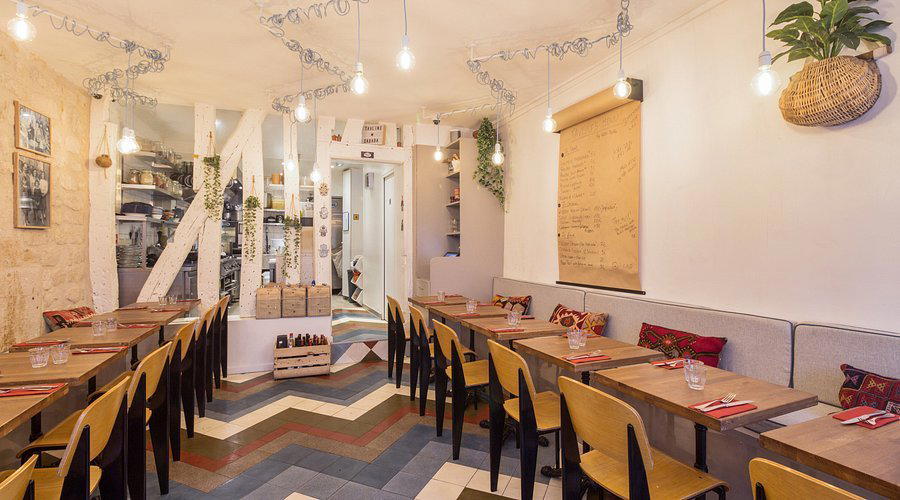
A consistent Michelin Plate holder for 2024 and 2025, Tavline brings Israeli cooking to the heart of the Marais at a price point that sits well below the neighbourhood's fine-dining ceiling. The kitchen draws on za'atar, sumac, and the wider aromatic palette of the Levant, positioning it firmly within the wave of Middle Eastern restaurants reshaping how Paris eats.

Pearl is the En Primeur Club membership app, where members save venues, book tables and use the concierge.
Israeli Cooking in the Marais: Where the Spice Routes Meet the Seine
Paris absorbed Middle Eastern flavours long before the current wave of Levantine openings made it fashionable. The city's Sephardic Jewish community, concentrated for generations in the 4th arrondissement, has kept falafel, hummus, and shakshuka on local menus since at least the mid-twentieth century. What has changed in recent years is the register: a new cohort of Israeli-influenced restaurants is operating with the same seriousness about sourcing and technique that the city's French kitchens brought to classical cooking. Tavline, at 25 Rue du Roi de Sicile in the Marais, belongs to this second wave, holding Michelin Plate recognition in both 2024 and 2025, a signal that the guide's inspectors consider the kitchen worth tracking, even if a star is not yet in play.
The Aromatic Foundation: Za'atar, Sumac, and the Levantine Spice Logic
Israeli cooking's distinguishing character comes less from any single ingredient than from its layering of aromatics: za'atar's herbaceous, slightly bitter edge; sumac's sharp, fermented tartness; baharat's warm depth of allspice and black pepper; the floral heat of dried chilli. These are not garnishes. In a well-constructed Levantine kitchen, they function structurally, providing the same orientation that acid and fat provide in French cooking. The difference is temporal: spice blends build flavour before the protein arrives on the stove, through marination and dry-rub, rather than solely through sauce reduction after cooking.
This aromatic logic explains why Israeli restaurants in Paris often read as more flavour-forward than their French counterparts at the same price tier. Where a €€ bistro in the Marais might rely on butter, a good stock, and a well-sourced ingredient doing its own work, a kitchen operating in the Israeli tradition asks the spice rack to carry part of the narrative.
The Marais Context: A Neighbourhood That Has Always Mixed Culinary Registers
The 4th arrondissement is one of the few Paris neighbourhoods where a €€ Israeli restaurant, a three-star French house, and a falafel counter can operate within a few minutes' walk of each other without any of them feeling out of place. L'Ambroisie (French, Classic Cuisine) sits on Place des Vosges at the €€€€ tier, representing the area's classical ceiling. Tavline operates at the opposite end of the formal spectrum, in the narrow streets north of the square where the neighbourhood's Jewish history is most legible. That history matters: the Rue des Rosiers corridor has functioned as a cultural anchor for Sephardic and Ashkenazi communities alike, and the restaurants along and around it carry that context whether they make it explicit or not.
For comparison, Israeli dining at a similar accessible price point appears in other cities too: 12 Chairs in New York City and Ash'Kara in Denver occupy comparable cultural territory, translating Levantine flavour into Western city dining rooms. Paris, though, has the particular advantage of a long-established local community whose preferences have shaped the area's food supply and cooking habits across decades.
The broader Paris restaurant scene offers plenty of contrast. Creative kitchens like Alléno Paris au Pavillon Ledoyen and Arpège operate at the €€€€ ceiling with tasting-menu formats and Michelin star counts. Kei blends French and Japanese technique at the same refined tier. Tavline plays a different game entirely, using Michelin Plate recognition as a quality marker within a mid-market format rather than as an entry point to fine-dining ceremony.
For other Israeli-influenced dining in Paris, Tekés offers a reference point within the same culinary tradition.
What Regulars Order
Regulars at this type of Levantine-Israeli restaurant tend to anchor their orders around the spiced vegetable and pulse dishes that give the cuisine its structural backbone: hummus with olive oil and spice, roasted aubergine with tahini, slow-cooked lamb carrying the warmth of baharat or ras el hanout. These are dishes where the quality of the spice blend and the cook's instinct for balance determine everything.
The €€ price range means the menu operates without the padding of luxury ingredients. What justifies the Michelin Plate at this tier is execution: timing, spice calibration, the acid balance between sumac and fresh herbs. Dishes that arrive with za'atar have to taste of it specifically, not just of dried herbs generically.
Planning Your Visit
How Far Ahead Should You Book for Tavline?
Tavline operates in a part of Paris that draws both tourists and neighbourhood regulars throughout the year, with peak pressure in summer and during school holiday periods. Booking a week ahead for weeknight visits is generally sufficient in quieter months; for Friday or Saturday dinners, two to three weeks ahead is a safer margin, particularly between May and September.
If Tavline is part of a wider Paris restaurant programme, the city offers a full spread of options across price tiers and cuisines. France's regional fine-dining scene is equally deep: Mirazur in Menton, Flocons de Sel in Megève, Troisgros in Ouches, Paul Bocuse in Collonges-au-Mont-d'Or, Bras in Laguiole, and Auberge de l'Ill in Illhaeusern all represent different aspects of the French culinary canon outside the capital.
Comparison: Tavline vs. Nearby Reference Points
| Venue | Cuisine | Price Tier | Michelin Recognition | Location |
|---|---|---|---|---|
| Tavline | Israeli | €€ | Plate (2024, 2025) | Rue du Roi de Sicile, 4th |
| L'Ambroisie | French Classic | €€€€ | 3 Stars | Place des Vosges, 4th |
| Kei | Contemporary French | €€€€ | Starred | 1st arrondissement |
| Tekés | Israeli | Varies | See profile | Paris |
Broader Paris Planning
- Our full Paris restaurants guide
- Our full Paris hotels guide
- Our full Paris bars guide
- Our full Paris wineries guide
- Our full Paris experiences guide
Frequently asked questions
What's the price range at Tavline?
Pricing at Tavline is listed as €€.
Where is Tavline in Paris?
Tavline is located at 25 Rue du Roi de Sicile, 75004 Paris, France, Paris.
Has Tavline won any awards?
Tavline has received recognition including: Michelin Plate (2025); Michelin Plate (2024).
What do regulars order at Tavline?
The Plate recognition points toward the spice-forward dishes built around Levantine aromatics: za'atar, sumac, and fresh herb combinations that define the cooking's character. Without a current menu published, the safest approach is to ask the floor team what is moving that day.
How far ahead should I plan for Tavline?
Tavline sits at the €€ tier on Rue du Roi de Sicile in one of Paris's highest-footfall neighbourhoods, drawing tourists and Marais regulars in equal measure. That combination, alongside two consecutive Michelin Plate recognitions, means weekend tables carry real risk without a reservation. Booking two to four days ahead is a reasonable baseline for weekday visits; aim for a week or more on weekends and during summer.
Comparable Options
A quick peer check to anchor this venue’s price and recognition.
| Venue | Cuisine | Price | Awards | Notes |
|---|---|---|---|---|
| TavlineThis venue (the venue you are viewing) | Modern Israeli | $30–50 | Michelin Plate | Not listed |
| Alléno Paris au Pavillon Ledoyen | Modern French Fine Dining | $150–200 | 3 Michelin Stars · World's 50 Best #79 | Creative |
| Kei | Modern French with Japanese Influences | $300–500 | 3 Michelin Stars · World's 50 Best #93 | Contemporary French, Modern Cuisine |
| L'Ambroisie | Classic French Haute Cuisine | $300–500 | 2 Michelin Stars · World's 50 Best #23 | French, Classic Cuisine |
| Le Cinq - Four Seasons Hôtel George V | Modern French Fine Dining | $300–500 | 3 Michelin Stars · World's 50 Best #24 | French, Modern Cuisine |
| Plénitude | Modern French Sauce-Led Fine Dining | $300–500 | 3 Michelin Stars · World's 50 Best #14 | Contemporary French |
Recognition history
Dated appearances from independent guides and award organizations, with the underlying list record or original source where available.
Michelin Plate
Michelin
Full recognition history (3 entries)
Michelin Plate
Michelin
Michelin Plate
Michelin
Continue exploring
More in Paris
Restaurants in Paris
All restaurants in Paris →
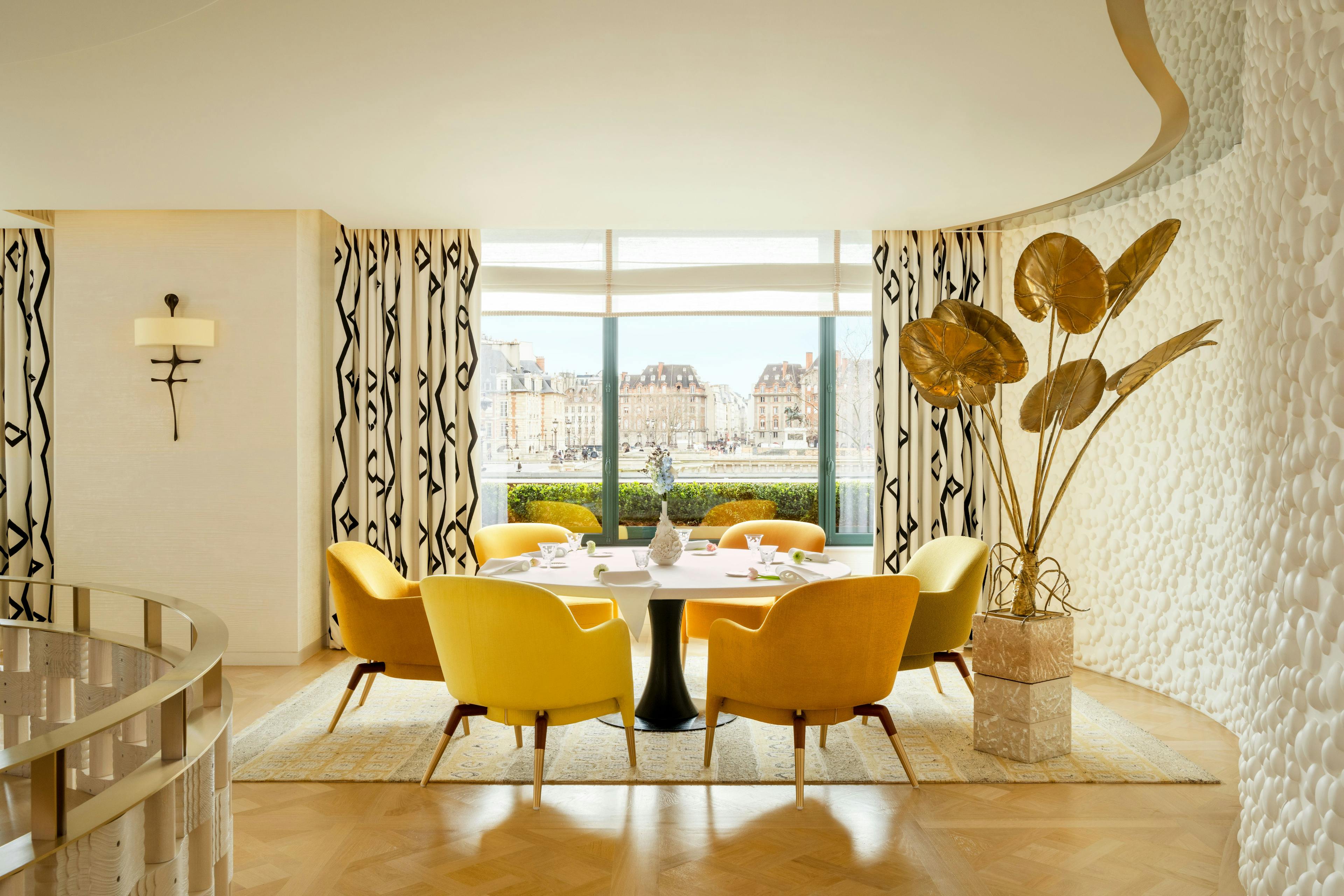
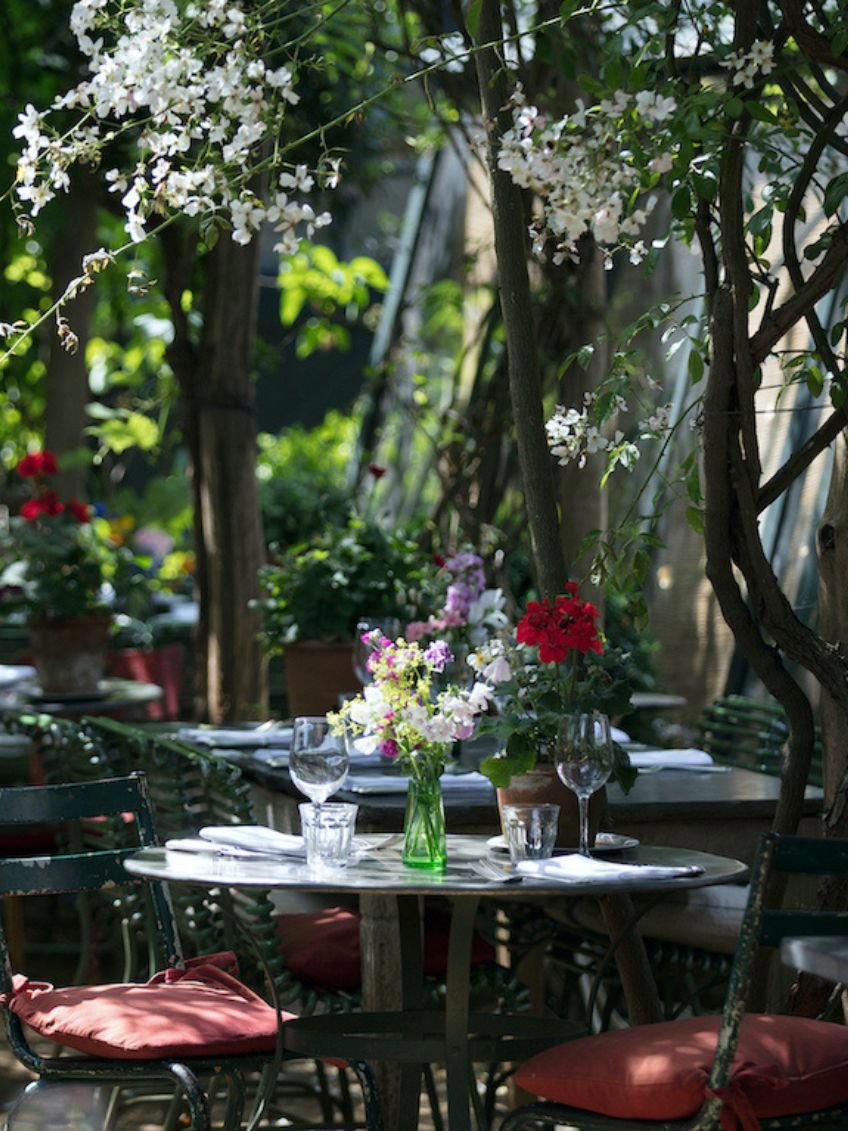
Bars in Paris
All bars in Paris →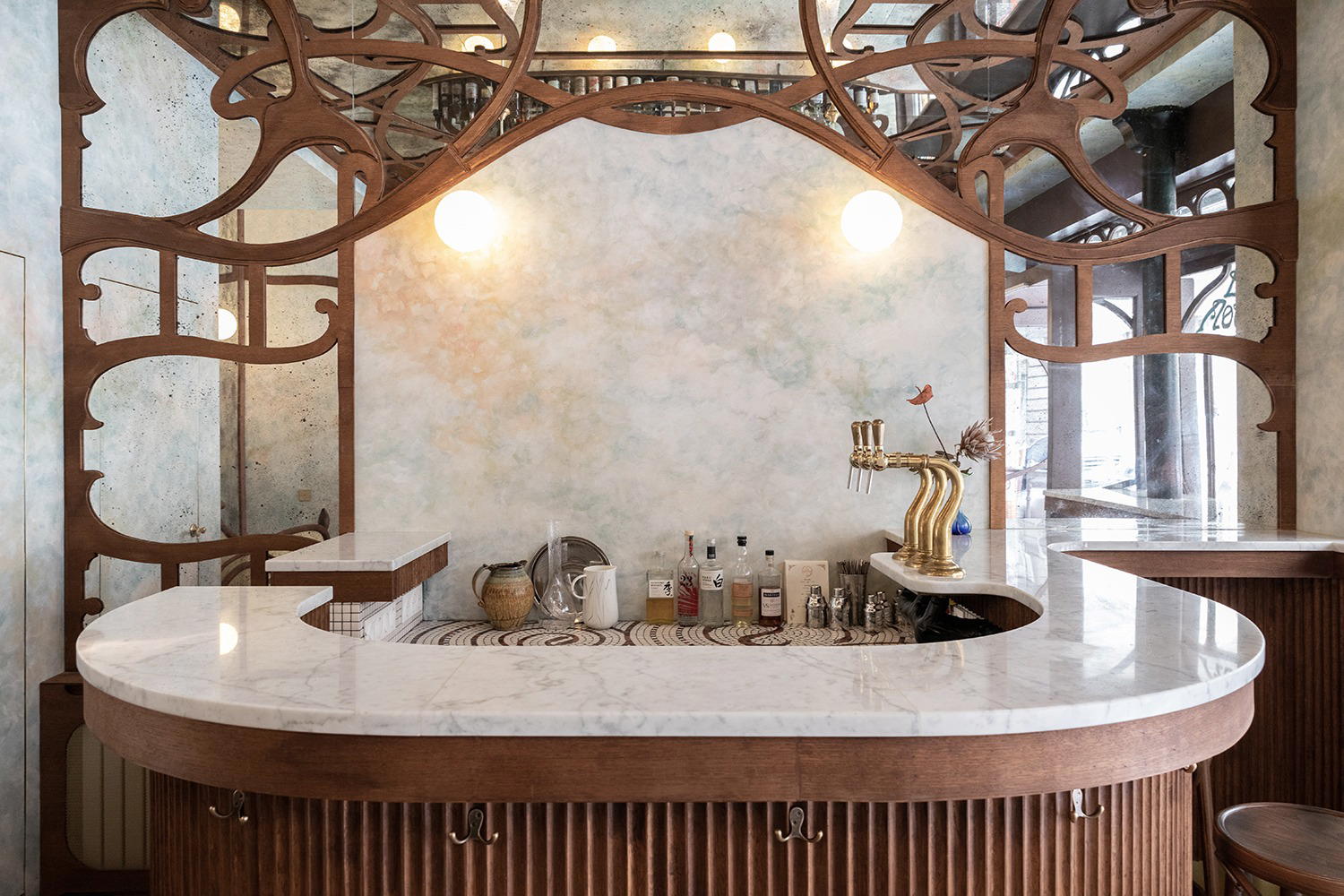
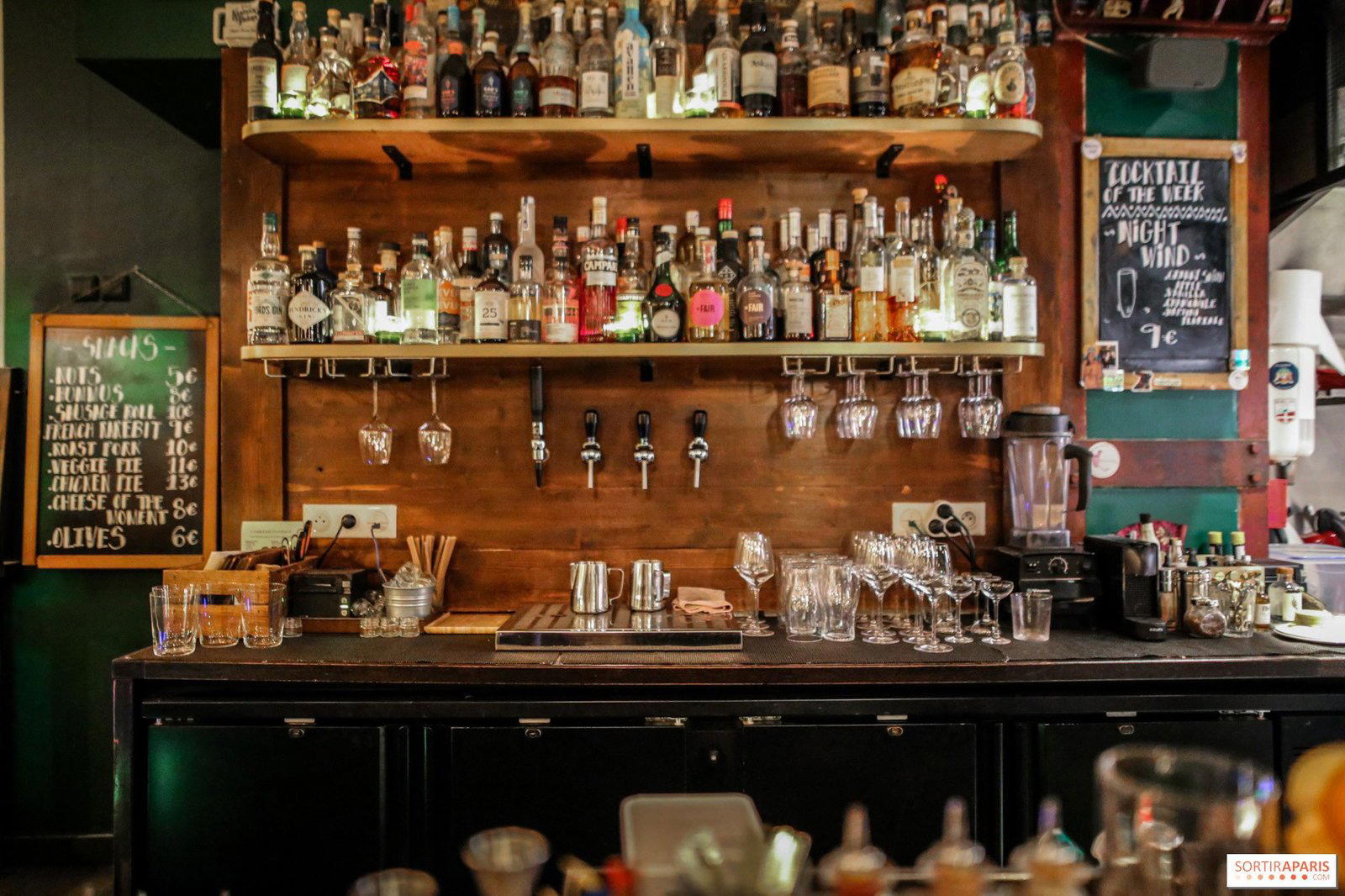



Details
- Cozy
- Intimate
- Trendy
- Modern
- Date Night
- Casual Hangout
- Special Occasion
- Open Kitchen
- A La Carte
- Small Plates
- Vegetarian Friendly
- Vegan Options
Current opening hours
- Monday
- Closed
- Tuesday
- 12–2 PM, 7:30–10 PM
- Wednesday
- 12–2 PM, 7:30–10 PM
- Thursday
- 12–2 PM, 7:30–10 PM
- Friday
- 12–2 PM, 7:30–10 PM
- Saturday
- 12–2:30 PM, 7:30–10 PM
- Sunday
- Closed
Hours can change for holidays and private events. Hours as of .
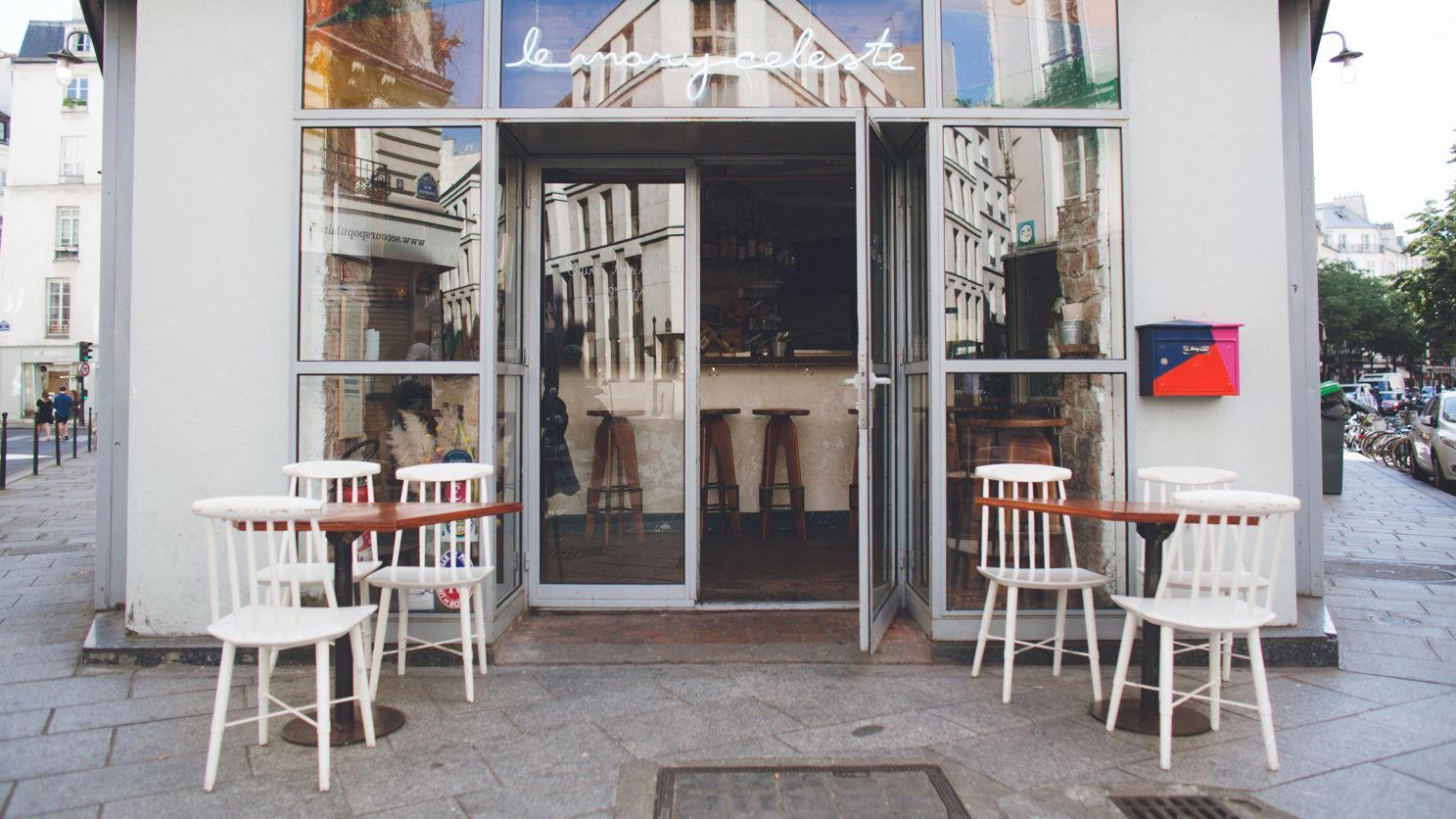
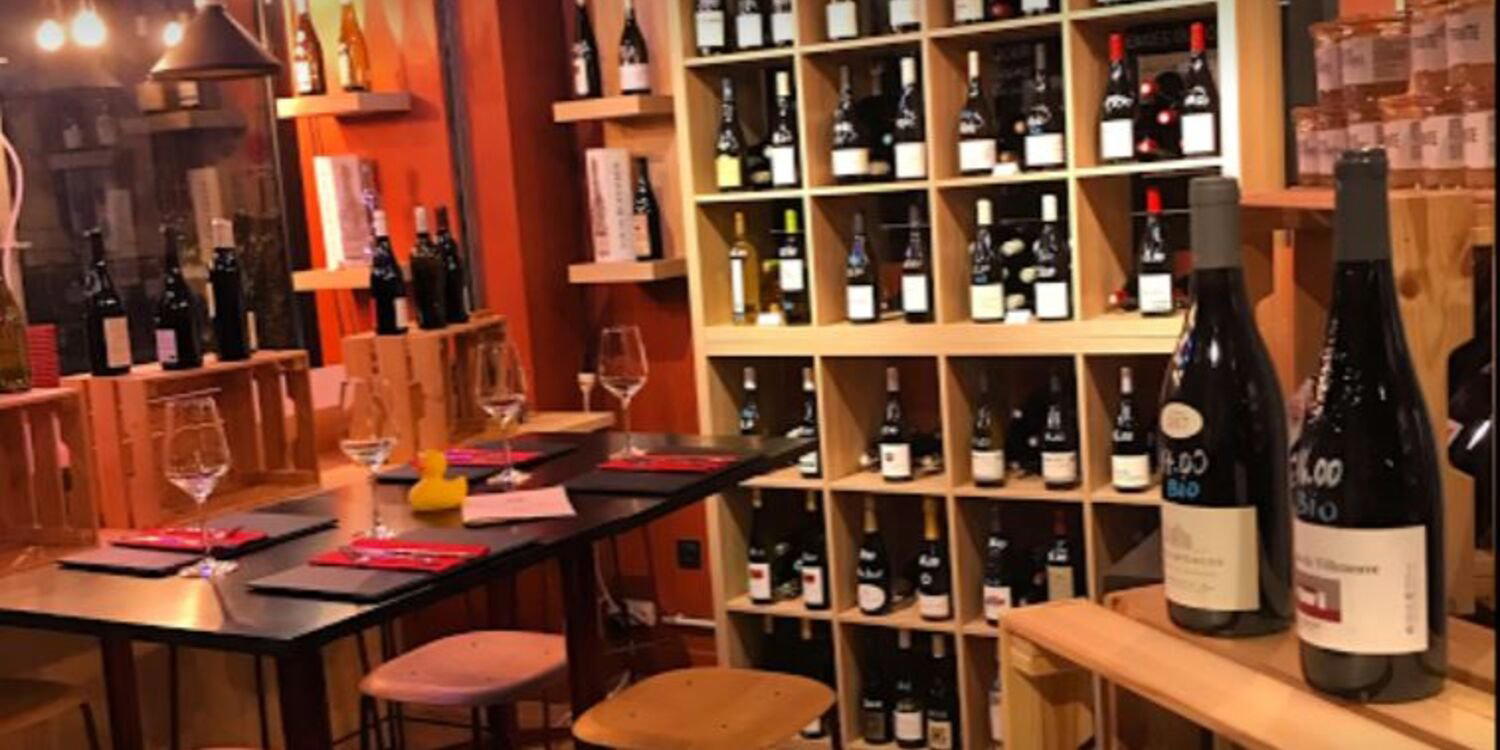
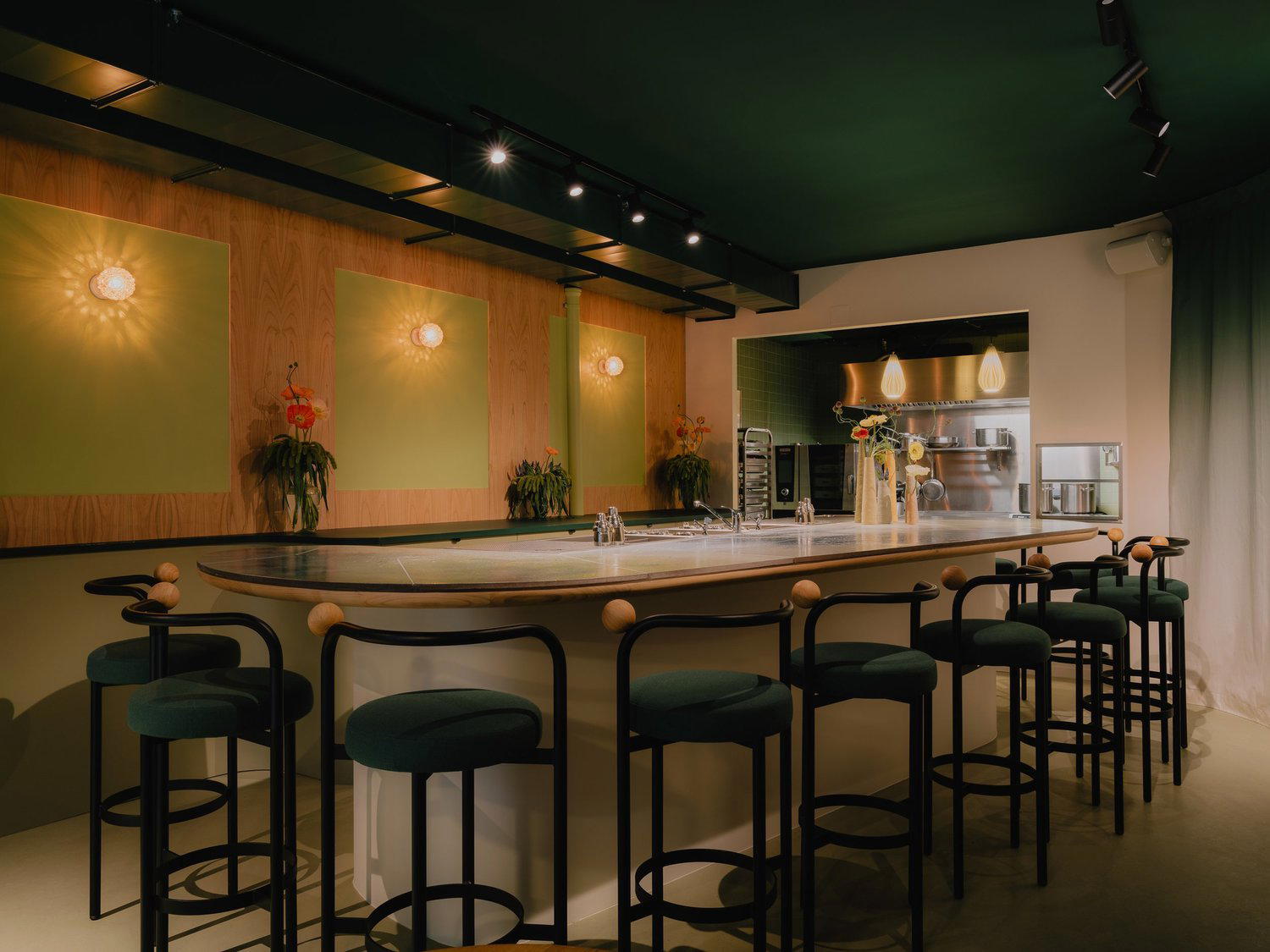
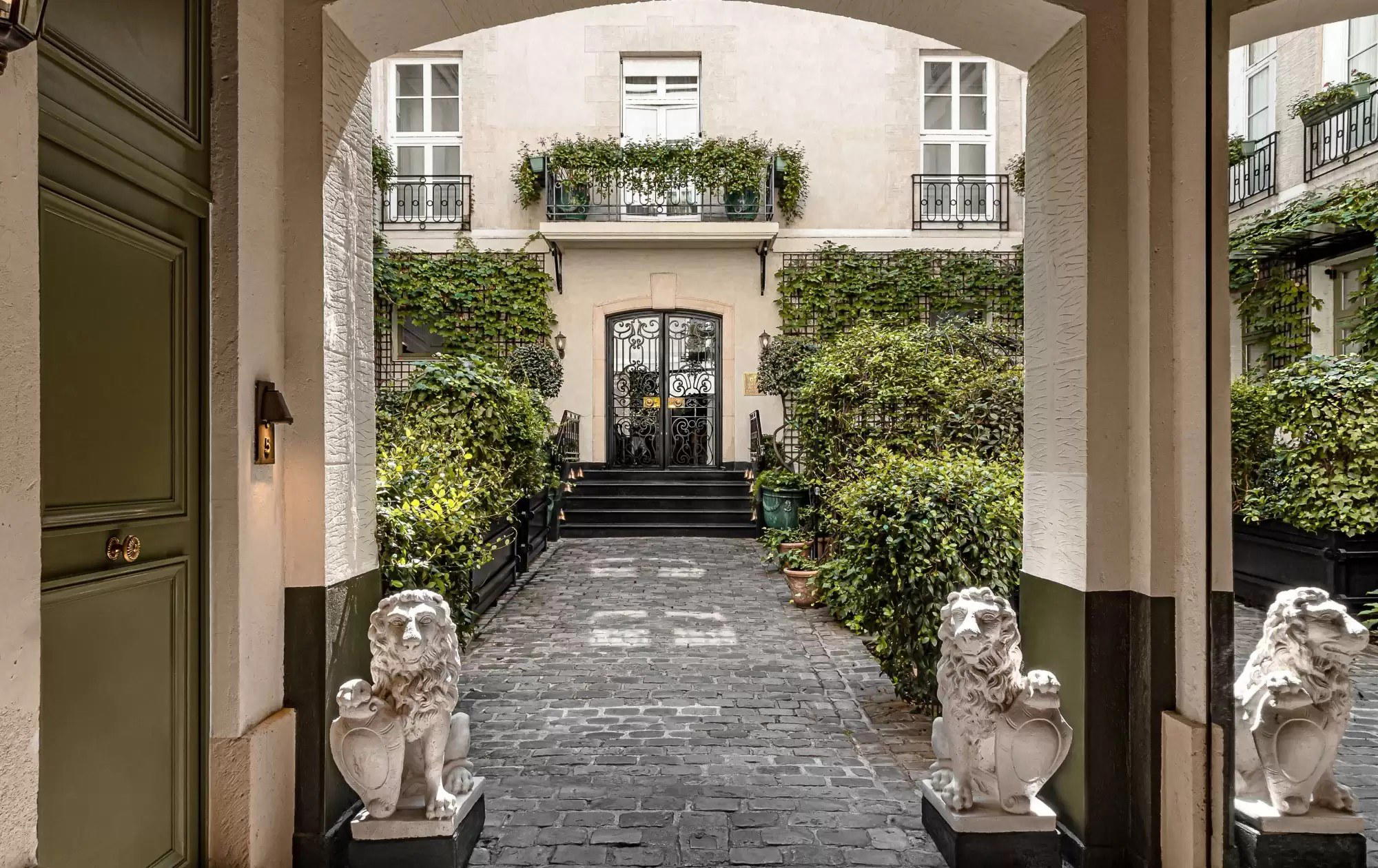
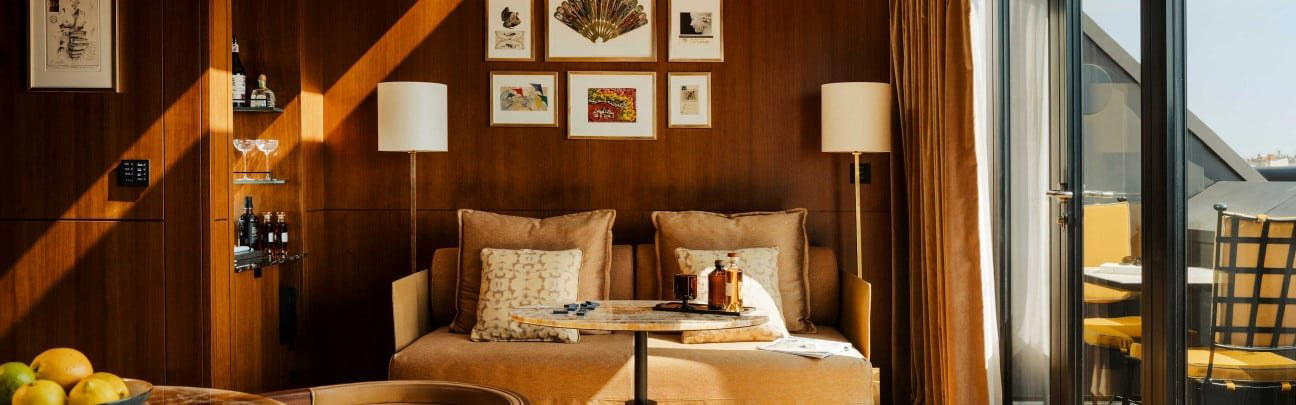
Cozy and warm with wooden tables, colorful cushions, whitewashed beams, and a casual Tel Aviv cafe atmosphere.