Sardé serves Modern Lebanese food at 58 Rue La Fayette in Paris, with Burger Libanais and Gâteau aux dattes de Rima among the signatures.
Pearl is the En Primeur Club membership app — saves, bookings, and concierge access live there. Same editors, same standards.
- Address
- 58 Rue La Fayette, 75009 Paris, France
- Phone
- +33188611333
- Website
- sarde.co
- Directions
- Get directions
 Saves & bookings on Pearl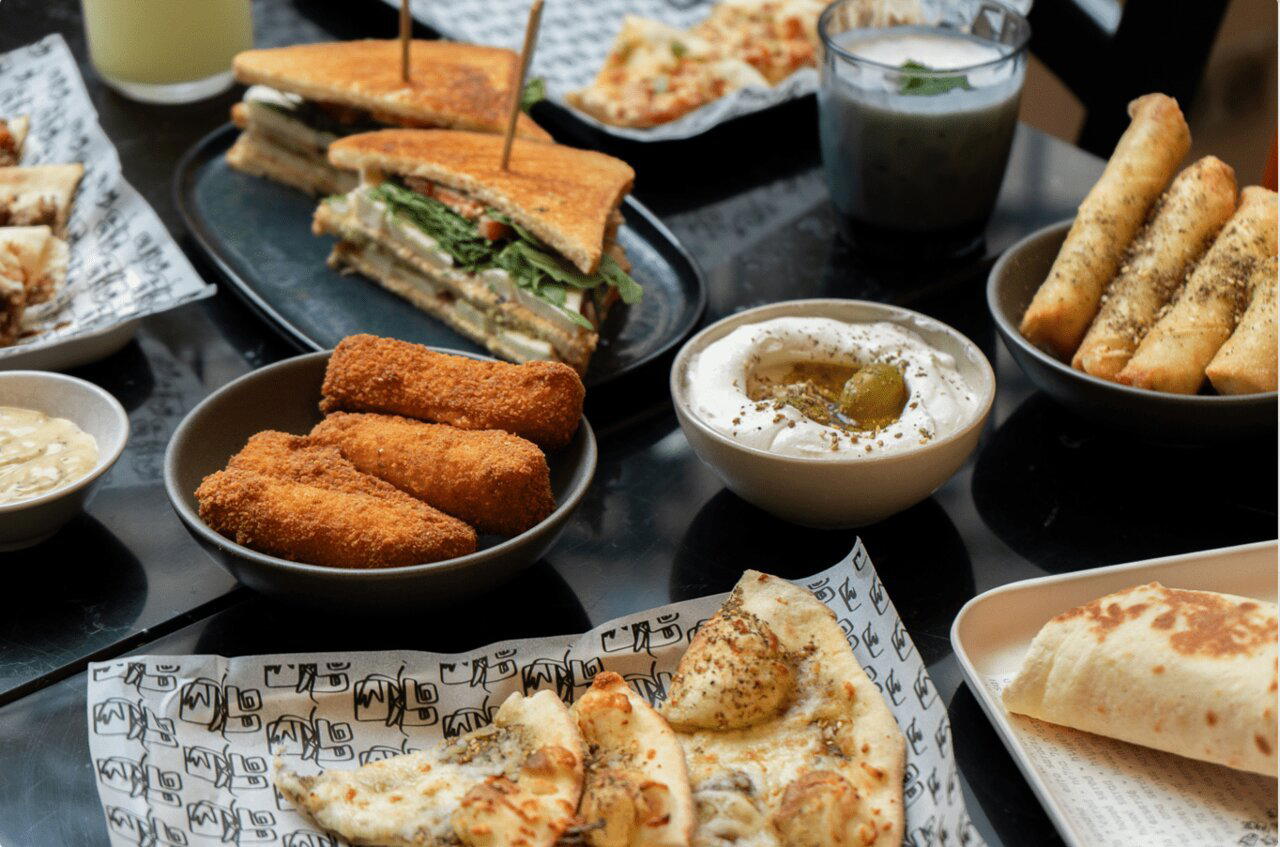
Sardinian Cooking in the 9th Arrondissement
Paris has long absorbed regional Italian cooking into its dining fabric, but Sardinian cuisine occupies a particular position in that story. The island's kitchen draws on traditions distinct from both mainland Italian and French precedent: bottarga from Cagliari's lagoons, hand-rolled malloreddus pasta, roasted meats seasoned with myrtle and herbs from the macchia. When a restaurant devoted to this tradition appears at 58 Rue La Fayette in the 9th arrondissement, it lands in a neighbourhood that has quietly become one of the city's more interesting mid-tier dining corridors, sitting between the grand-café culture of the Grands Boulevards and the more self-conscious restaurant scenes further south.
The 9th arrondissement's dining character is shaped partly by its mixed residential and commercial fabric. It is not a district that restaurants choose for theatre or prestige address; they choose it for accessible rents relative to the 1st or 8th, and for a local clientele that eats out regularly rather than occasionally. Sardé, at its Rue La Fayette address, operates in that context: a restaurant that competes on the strength of its cooking and service rather than on the cachet of its postcode.
How the Room Works: Team as the Defining Variable
In Parisian restaurant culture, the front-of-house and kitchen relationship determines more than most diners acknowledge. At the price level where Sardé operates, the distinction between a good meal and a memorable one is rarely about the food alone. It is about the pace at which dishes arrive, the accuracy with which the room reads a table's appetite, and the quality of communication between kitchen and floor about what the day's leading plates are. This kind of coordination is practiced at houses like Le Cinq at the Four Seasons Hôtel George V, where formal brigade structures make the handoff seamless, or at Kei, where a tightly controlled contemporary French format relies on the same integration. At a Sardinian-focused address, the expectation shifts: the service style should carry some of the island's unhurried register without losing Paris's baseline precision.
The sommelier's role at a restaurant of this focus is worth noting as a structural point about the category. Sardinian wine remains significantly less mapped by Paris diners than, say, natural Burgundy or southern Rhône. The island produces Vermentino, Cannonau (a Grenache variant with a long local history), Carignano del Sulcis, and Nuragus, none of which appear on standard Paris wine lists with any regularity. A room that can explain these grapes with authority, and match them to the particular saltiness and fat of Sardinian cured products, is doing editorial work for the cuisine rather than simply taking an order.
Sardinian Cuisine and Its Place in Paris's Italian Dining Scene
Paris's Italian restaurant tier has diversified considerably in the last decade. The city now has serious Neapolitan pizza addresses, a small cluster of pasta-focused trattorias in the 11th and 10th, and isolated fine-dining Italian rooms. Sardinian cooking remains the rarest of these categories. Its distance from both classic French precedent and the version of Italian cuisine Paris knows leading (Roman and Neapolitan) gives it an educational quality for even experienced Paris diners. Dishes built around bottarga, fregola, culurgiones (the island's stuffed pasta), or porceddu (suckling pig roasted over myrtle branches) carry flavours that most Paris restaurant-goers have not encountered in this context.
This rarity functions as a positioning asset, but it is also a risk. A cuisine that few diners know well depends heavily on staff who can narrate it. At restaurants like Arpège, the menu's philosophical underpinning is communicated through service as much as through the food itself. At Alléno Paris au Pavillon Ledoyen, the technical vocabulary of the kitchen is transmitted by a front-of-house team that understands what the chef is doing and why. At a Sardinian address in the 9th, the equivalent task is translating an island's food culture for a room that may have no prior framework for it.
The Broader French Fine-Dining Context
Sardé's address in Paris places it in a country where the restaurant tradition runs deep in every direction. Regional France has produced restaurants of considerable weight: Mirazur in Menton, Bras in Laguiole, Flocons de Sel in Megève, Auberge de l'Ill in Illhaeusern, and Troisgros in Ouches all operate from strong regional identities. Within Paris itself, L'Ambroisie on the Place des Vosges holds three Michelin stars in a room that insists on classical French rigour. The city also hosts internationally trained kitchens, from AM par Alexandre Mazzia in Marseille to Assiette Champenoise in Reims and Au Crocodile in Strasbourg.
Within that field, a Sardinian-focused restaurant occupies a niche that competes less on star ratings and more on specificity. The comparison set is not the three-star palace restaurants but the growing category of cuisine-specific addresses in Paris that earn loyalty through depth of focus. The international equivalents of that model — Le Bernardin in New York for seafood, Atomix in New York for Korean fine dining — demonstrate that a tightly defined culinary identity, executed with consistency, can build a durable competitive position.
Planning a Visit
Rue La Fayette runs through a part of the 9th that is direct to reach by Metro (Cadet or Le Peletier on line 7, or Poissonnière on line 8 sit within reasonable walking distance). The arrondissement does not carry the tourist density of the Marais or Saint-Germain, which means bookings at restaurants in the area tend to be more accessible than equivalent addresses further south or west. That said, a Sardinian-focused address with limited comparable competition in Paris may build a following that makes advance planning worthwhile. For a broader map of where Sardé fits in the city's dining options, see our full Paris restaurants guide. Additional reference points in the French dining tradition: Paul Bocuse - L'Auberge du Pont de Collonges and Auberge du Vieux Puits in Fontjoncouse anchor the historical and regional ends of that spectrum.
| Venue | Cuisine Focus | Price Tier | Booking Lead Time |
|---|---|---|---|
| Sardé | Sardinian | Not confirmed | Advance recommended |
| Kei | Contemporary French/Japanese | €€€€ | Several weeks |
| L'Ambroisie | Classic French | €€€€ | Several weeks to months |
| Le Cinq | Modern French | €€€€ | Several weeks |
How Sardé Paris compares with similar nearby venues.
| Venue | Cuisine | Price |
|---|---|---|
| Brion | Modern Cuisine | €€€ |
| Caillebotte | Modern Cuisine | €€ |
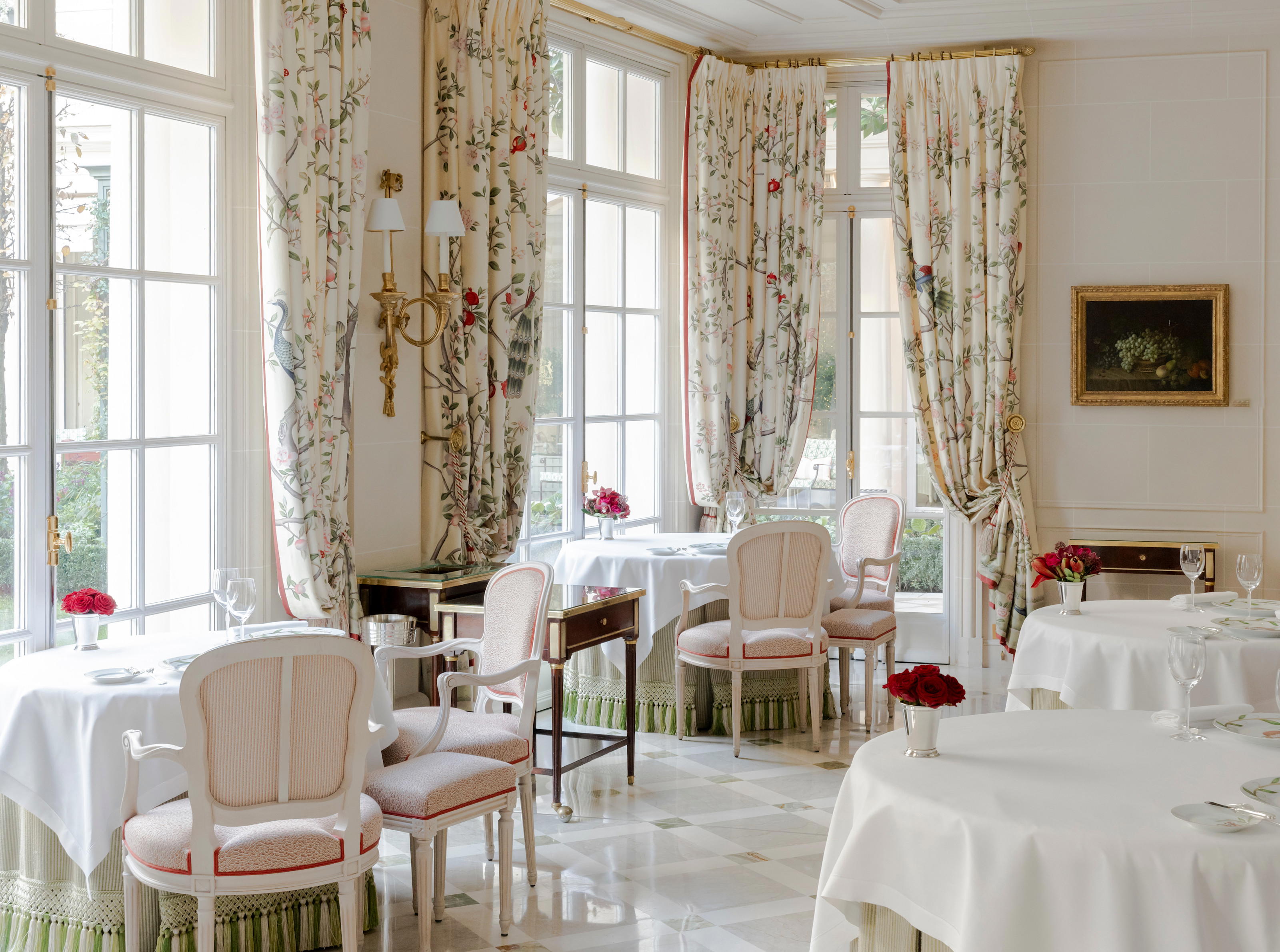
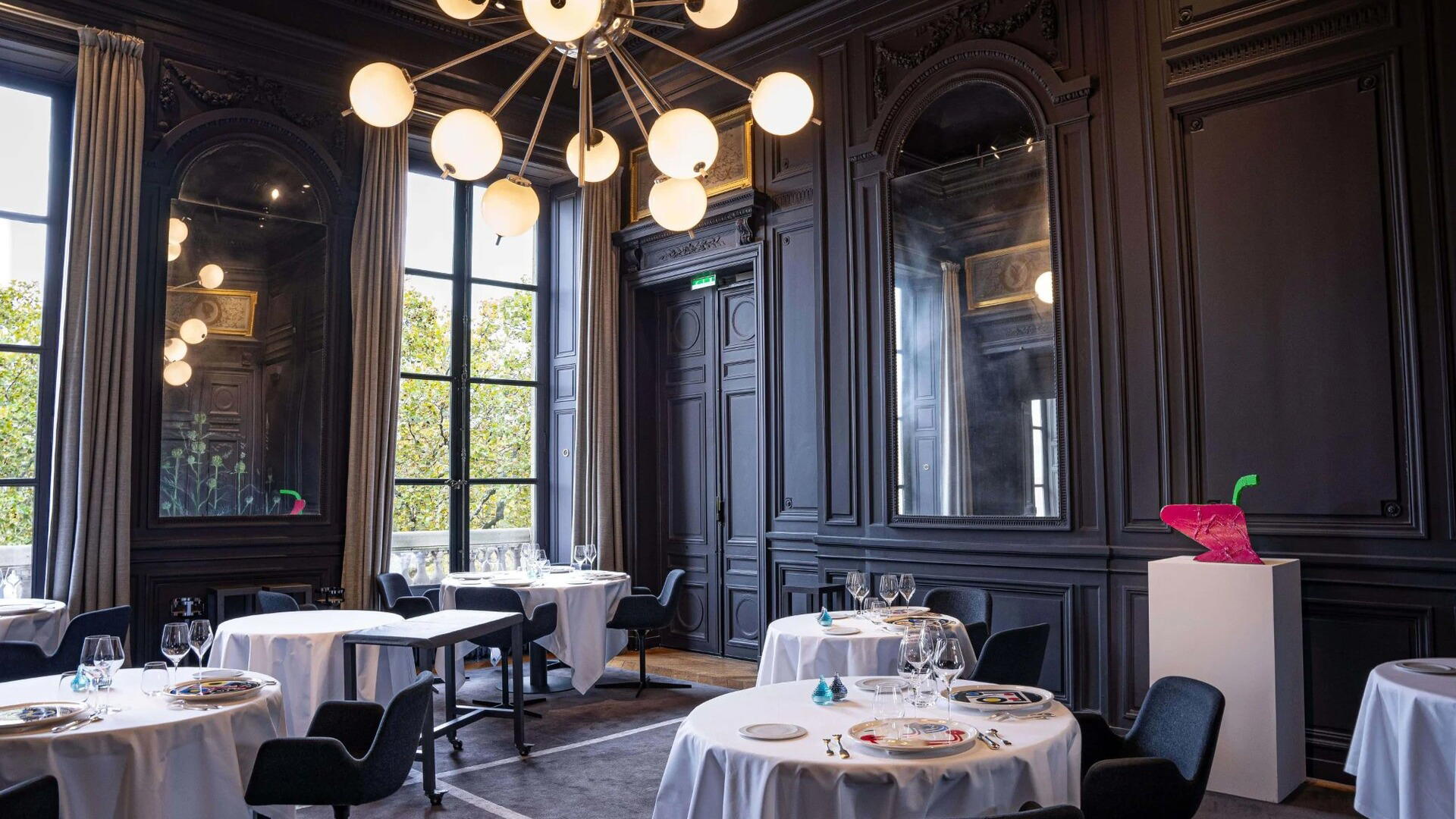
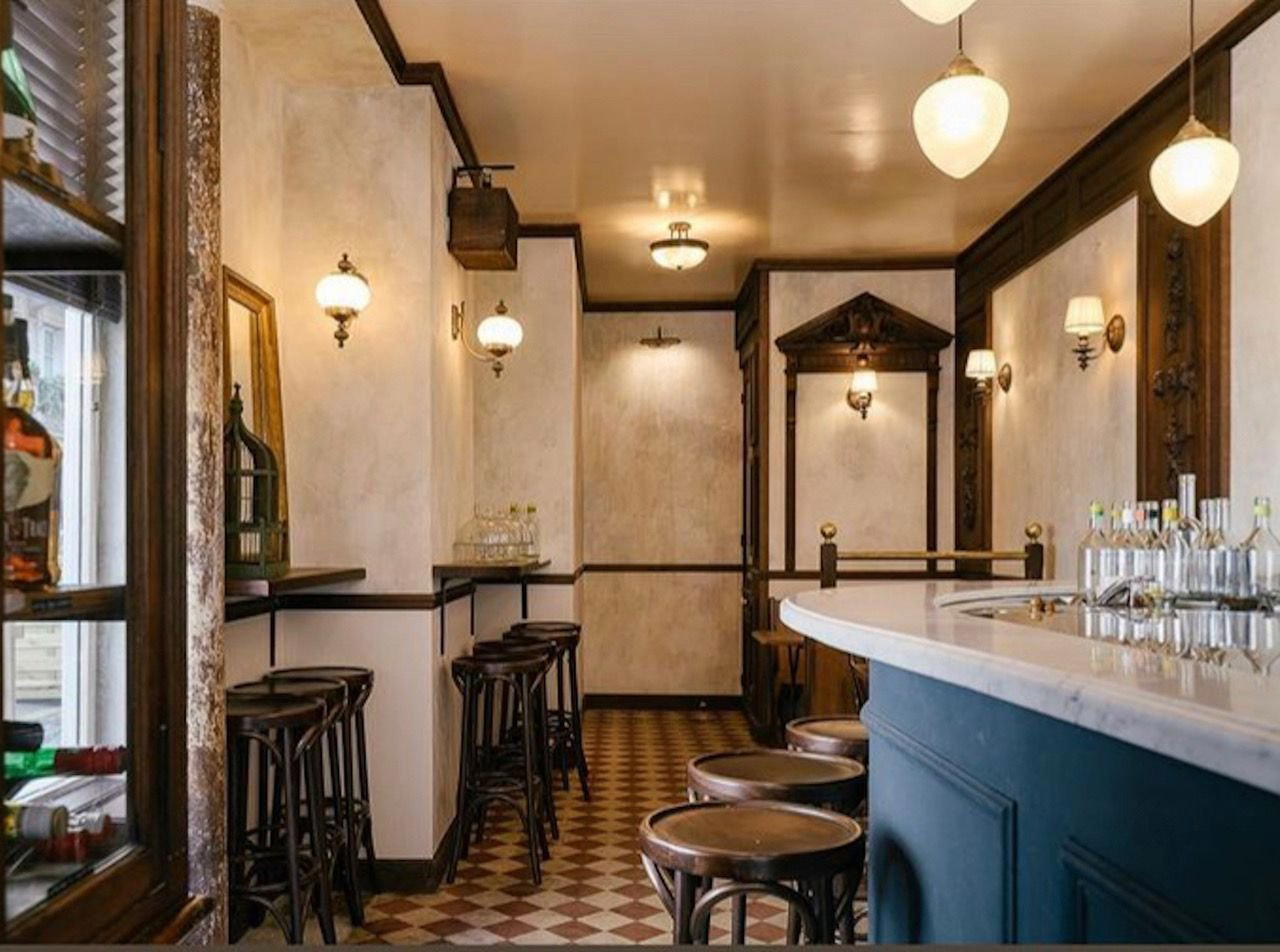
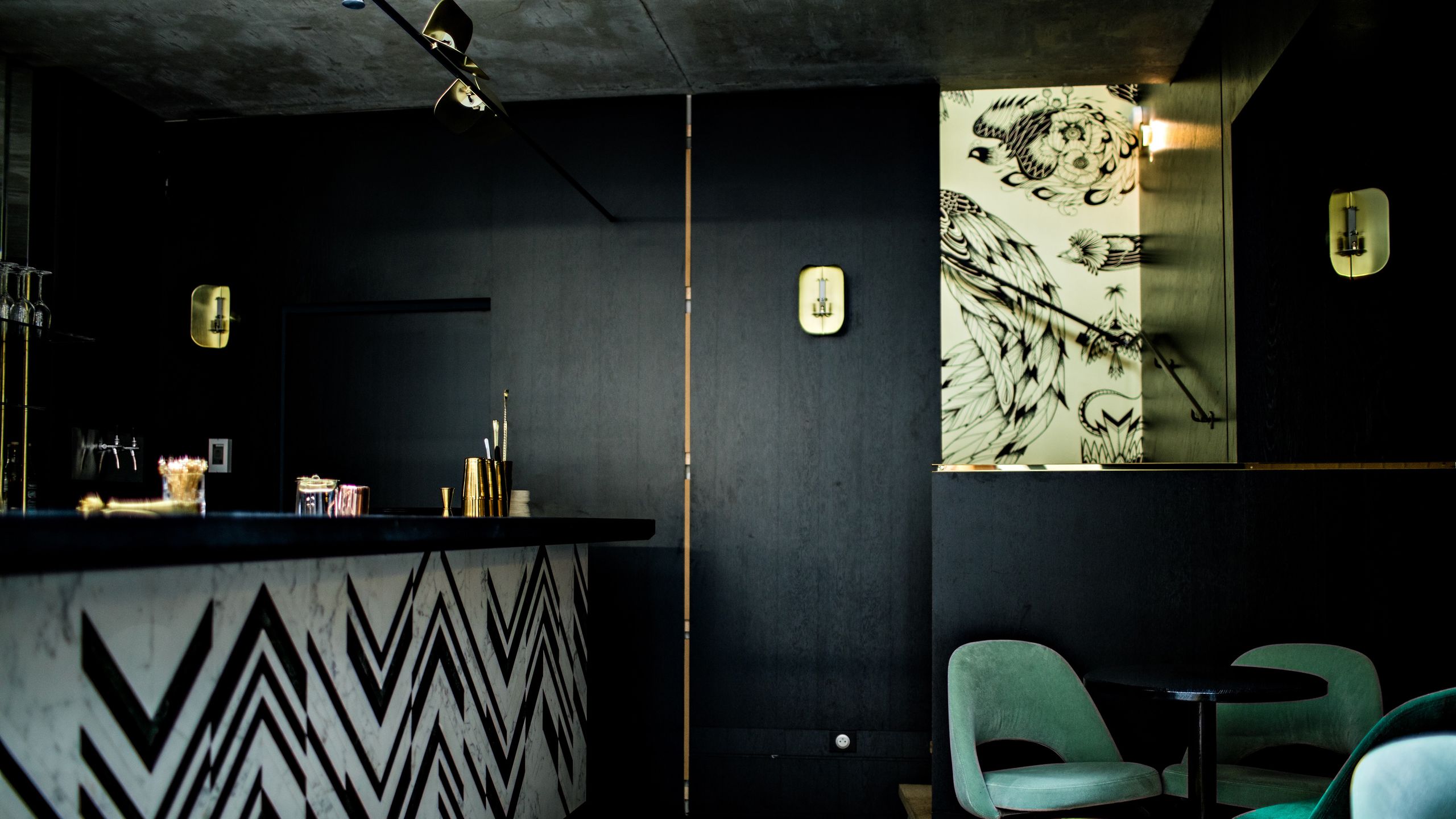
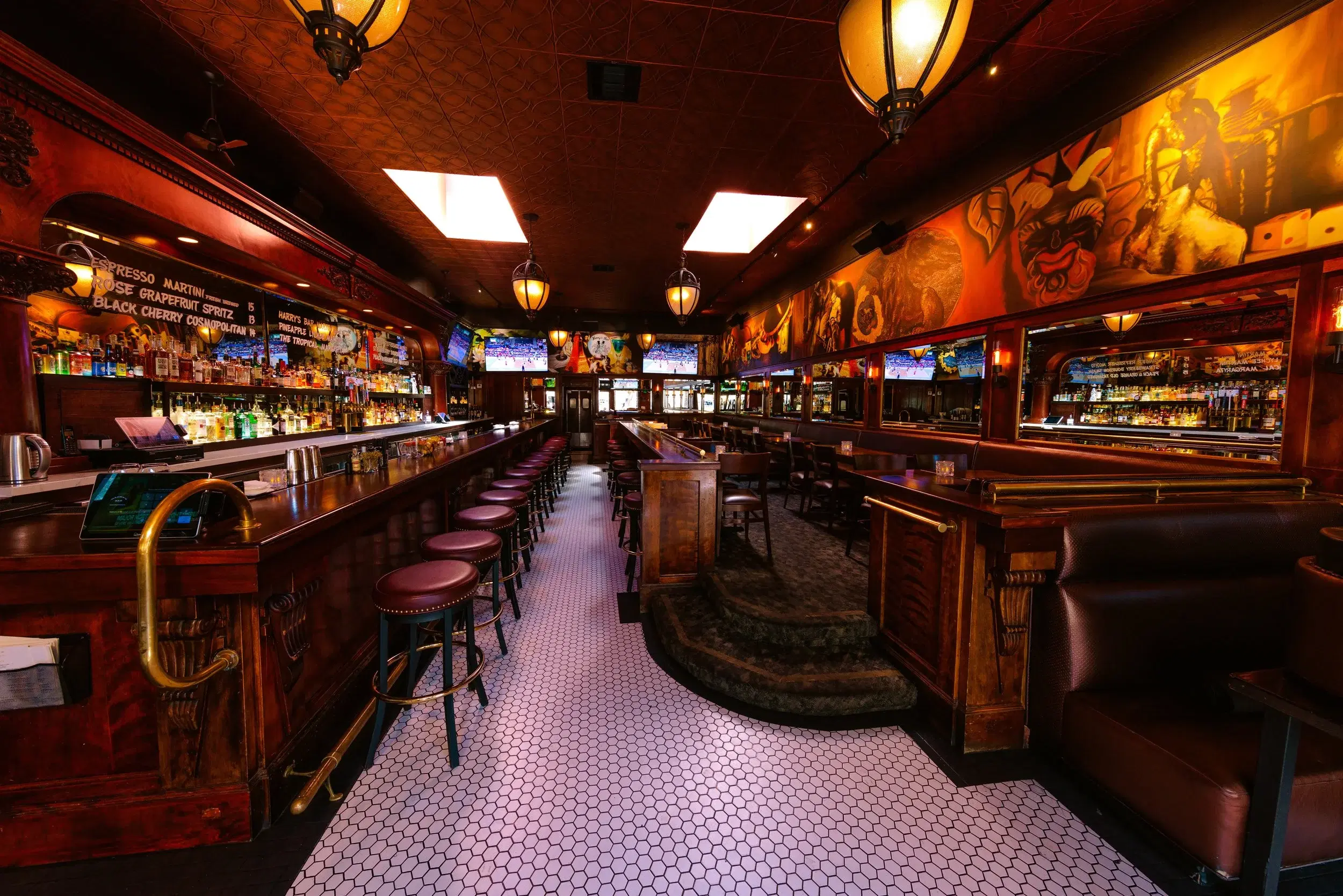
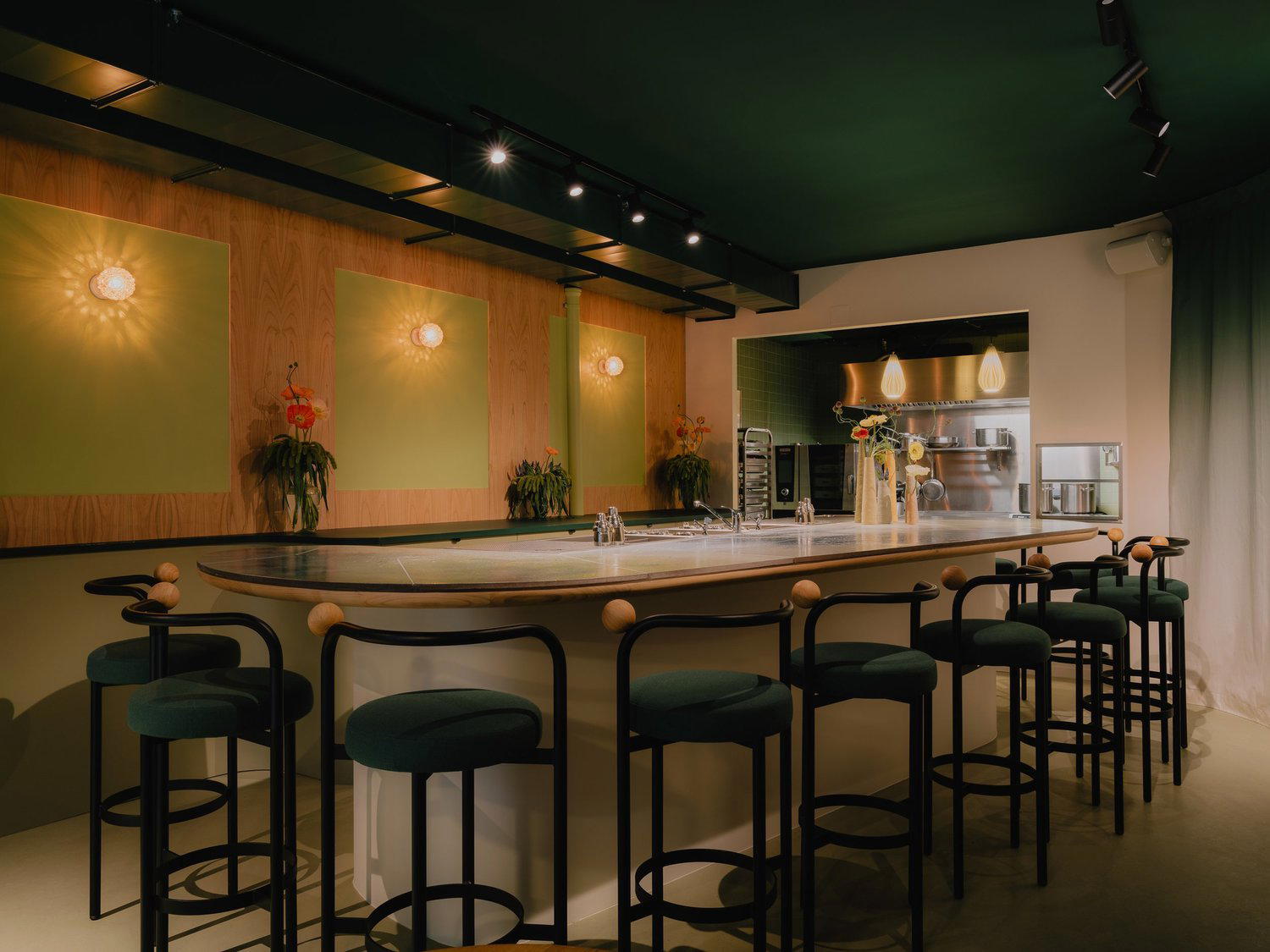
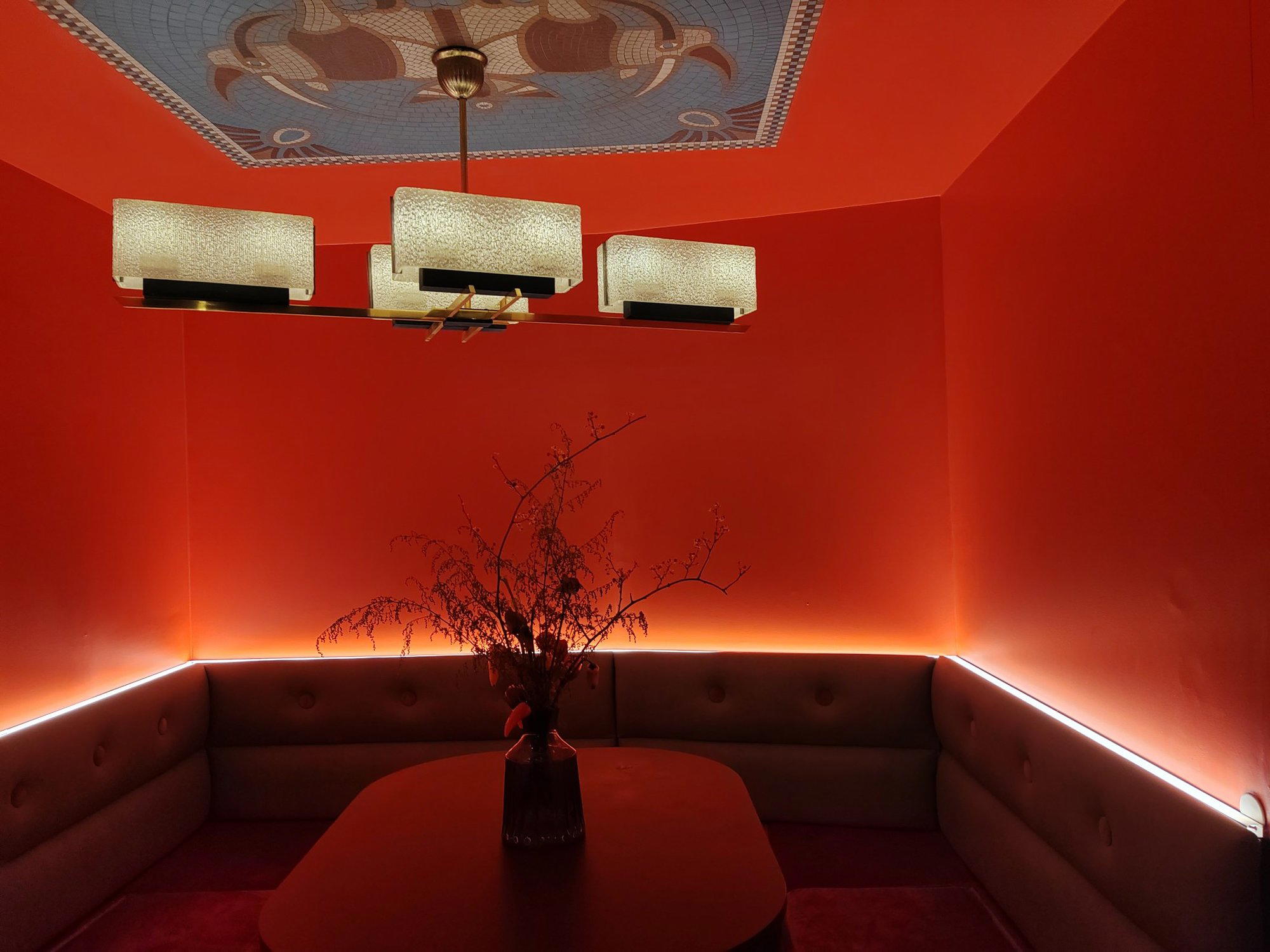

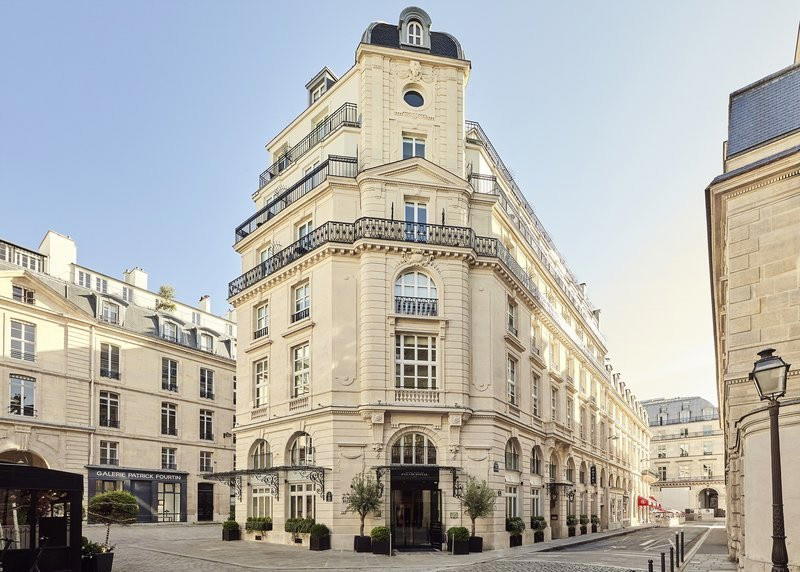




At a Glance
- Modern
- Cozy
- Casual Hangout
Current opening hours
- Monday
- 12–2:30 PM
- Tuesday
- 12–2:30 PM, 7–10 PM
- Wednesday
- 12–2:30 PM, 7–10 PM
- Thursday
- 12–2:30 PM, 7–10 PM
- Friday
- 12–2:30 PM, 7–10 PM
- Saturday
- 12–10 PM
- Sunday
- 11:30 AM–4 PM
Hours can change for holidays and private events. Last verified .
Warm and stylish atmosphere with high guest satisfaction.
Know Before You Go
- Getting there
- 58 Rue La Fayette, 75009 Paris, France