
Michelin Plate
Our verdict
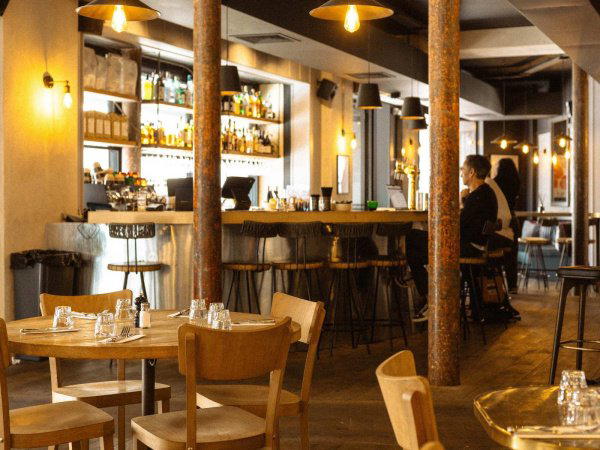
A Michelin Plate holder for consecutive years in the 2nd arrondissement, Qasti Green brings Lebanese cooking to a neighbourhood better known for its French bistros and media-industry lunch trade. It occupies a price tier, €€, that makes it one of the more accessible Middle Eastern addresses in central Paris.

Pearl is the En Primeur Club membership app, where members save venues, book tables and use the concierge.
The menu
What to order
- Mama ganoush
- Vegetarian shawarma
- Vegetarian soujouk
Lebanese Cooking in the 2nd Arrondissement
Paris has never had a shortage of Lebanese restaurants, but the geography of where they cluster tells a story about who they serve. The traditional concentration runs along the 8th and 17th arrondissements, where Lebanese communities established themselves decades ago and where places like Liza have built a more polished, upmarket Lebanese identity. The 2nd arrondissement is different territory: a neighbourhood defined by press buildings, garment-trade showrooms, and a dense lunch circuit where the midday meal is a transaction as much as a pleasure. Dropping a Lebanese address into that context, and earning a Michelin Plate in 2024 and again in 2025, is a different kind of proposition to the dinner-focused Lebanese dining rooms further west.
Qasti Green, at 41 Rue des Jeuneurs, sits inside that context. The Michelin Plate, awarded in consecutive years, signals a level of kitchen consistency the inspectors found worth noting, not a starred spectacle but a reliable standard that justifies a detour.
The Lunch vs. Dinner Divide
The 2nd arrondissement's character makes the lunch-versus-dinner question more pointed here than at most Paris addresses. At midday, the Rue des Jeuneurs fills with a working crowd that eats with purpose: quick tables, shared mezze plates, a format that suits Lebanese cuisine naturally. The sharing structure of Lebanese food, multiple small dishes arriving in succession, no rigid starter-main-dessert architecture, maps well onto a lunch hour that needs flexibility. This is where the €€ price positioning makes most sense, allowing a table to order broadly without the bill climbing to the territory of the €€€€ French flagships across the city, whether that is Alléno Paris au Pavillon Ledoyen, Arpège, or Kei.
Evening service in this part of Paris operates at a slower pace. The office crowds clear out, and the neighbourhood thins in a way it does not in the Marais or Saint-Germain. That shift changes the mood of a dinner here: quieter, less pressured, with more room to spend time with the food. For Lebanese cooking, where the logic of a meal rewards a slower pace, successive plates, bread as both utensil and dish, dishes that benefit from being shared and discussed, the evening format may actually reward the more patient diner. The daytime visit makes practical sense; the evening visit makes more culinary sense.
Where Lebanese Cuisine Sits in Paris
Lebanese food occupies a specific position in Paris's broader dining conversation. It is not the prestige address in the way that the grand French rooms are, places like L'Ambroisie define one end of the capital's formal dining spectrum, but it has always held a serious cultural foothold in the city, sustained by a long-established Franco-Lebanese community and a level of familiarity with the cuisine that most French cities outside Paris do not have. Paris diners know what kibbeh should taste like, know the difference between a thoughtful hummus and a produced one, and apply genuine critical standards to Lebanese cooking in a way that rewards kitchens that take the food seriously.
The Michelin acknowledgment of Qasti Green, repeated across two consecutive guides, is a signal that the food clears that bar. A Plate designation does not carry the weight of a star, but within the Michelin framework it represents a considered judgment: the inspectors found the cooking good enough to mention in a city where competition for any kind of recognition is substantial. For comparison, France's most decorated restaurant addresses, Mirazur in Menton, Troisgros in Ouches, Paul Bocuse's Auberge du Pont de Collonges, Bras in Laguiole, and Auberge de l'Ill in Illhaeusern, sit in a completely different register, but they illustrate the seriousness with which Michelin applies its framework across France. Getting any notation in that context carries weight.
For diners who follow Lebanese cooking across multiple cities, the comparison set extends well beyond Paris. Addresses like Al Mandaloun in Dubai and Almayass in Abu Dhabi represent the more formal, destination-dining version of the cuisine. Qasti Green's €€ positioning and neighbourhood character place it in a different category: a daily-use address rather than a special-occasion one, which in many respects demands more consistent execution than a restaurant that only needs to deliver on big nights.
The 2nd Arrondissement as a Dining District
The area around Rue des Jeuneurs has undergone a quiet but sustained upgrade over the past decade. The covered passages nearby, Passage des Panoramas, Galerie Vivienne, attracted a wave of independent restaurants and wine bars that lifted the neighbourhood's culinary profile beyond its midday-trade origins. That broader shift created an audience with higher expectations and a willingness to return to addresses that consistently deliver.
For context on how to approach the wider Paris dining scene around this neighbourhood, see our full Paris restaurants guide, as well as our Paris hotels guide, our Paris bars guide, our Paris wineries guide, and our Paris experiences guide. For more from France's broader restaurant circuit, Flocons de Sel in Megève represents the Alpine end of French fine dining worth tracking alongside any Paris trip.
Know Before You Go
- Address: 41 Rue des Jeuneurs, 75002 Paris, France
- Cuisine: Lebanese
- Price range: €€
- Awards: Michelin Plate 2024; Michelin Plate 2025
- Nearest Metro: Bonne Nouvelle or Grands Boulevards (lines 8 and 9)
Frequently asked questions
What's the signature dish at Qasti Green?
Qasti Green's menu has not been published in a verifiable form at the time of writing. What the Michelin Plate recognition in both 2024 and 2025 does confirm is that the kitchen is executing Lebanese cooking at a level that reviewers consider consistent and worth noting. The €€ price point suggests a menu built around sharing plates rather than destination-priced set menus.
Is Qasti Green expensive?
Pricing at Qasti Green is listed as €€.
Where is Qasti Green located?
Qasti Green is located at 41 Rue des Jeuneurs, 75002 Paris, France, Paris.
Should I book Qasti Green in advance?
Combined with a compact address on Rue des Jeuneurs in the 2nd arrondissement, walk-in availability at peak times is not guaranteed. Booking ahead is the more reliable approach, particularly for lunch when the surrounding business district adds foot traffic.
What It’s Closest To
| Venue | Cuisine | Price | Awards | Notes |
|---|---|---|---|---|
| Qasti GreenThis venue (the venue you are viewing) | Vegetarian Lebanese | $30–50 | Michelin Plate | Not listed |
| Alléno Paris au Pavillon Ledoyen | Modern French Fine Dining | $150–200 | 3 Michelin Stars · World's 50 Best #79 | Creative |
| Kei | Modern French with Japanese Influences | $300–500 | 3 Michelin Stars · World's 50 Best #93 | Contemporary French, Modern Cuisine |
| L'Ambroisie | Classic French Haute Cuisine | $300–500 | 2 Michelin Stars · World's 50 Best #23 | French, Classic Cuisine |
| Le Cinq - Four Seasons Hôtel George V | Modern French Fine Dining | $300–500 | 3 Michelin Stars · World's 50 Best #24 | French, Modern Cuisine |
| Plénitude | Modern French Sauce-Led Fine Dining | $300–500 | 3 Michelin Stars · World's 50 Best #14 | Contemporary French |
Recognition history
Dated appearances from independent guides and award organizations, with the underlying list record or original source where available.
Michelin Plate
Michelin
Full recognition history (3 entries)
Michelin Plate
Michelin
Michelin Plate
Michelin
Continue exploring
More in Paris
Restaurants in Paris
All restaurants in Paris →
Bars in Paris
All bars in Paris →
Hotels in Paris
All hotels in Paris →




Details
- Minimalist
- Cozy
- Modern
- Date Night
- Group Dining
- Casual Hangout
- Open Kitchen
- Small Plates
- A La Carte
- Vegetarian Friendly
- Vegan Options
- Gluten Free Options
Current opening hours
- Monday
- 12–2:30 PM, 7–10:30 PM
- Tuesday
- 12–2:30 PM, 7–10:30 PM
- Wednesday
- 12–2:30 PM, 7–10:30 PM
- Thursday
- 12–2:30 PM, 7–10:30 PM
- Friday
- 12–2:30 PM, 7–11 PM
- Saturday
- 12–2:30 PM, 7–11 PM
- Sunday
- 12–4 PM
Hours can change for holidays and private events. Hours as of .
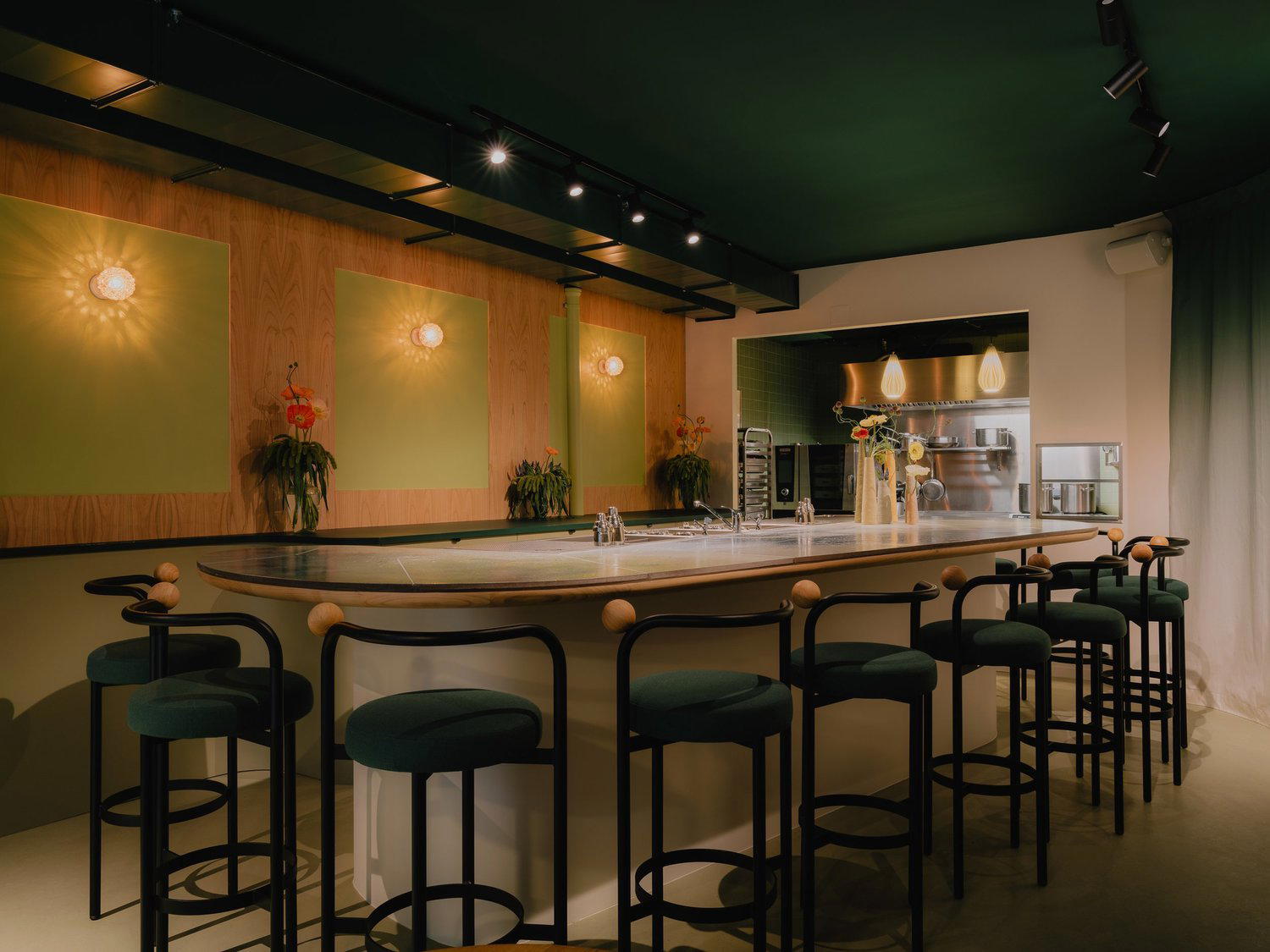
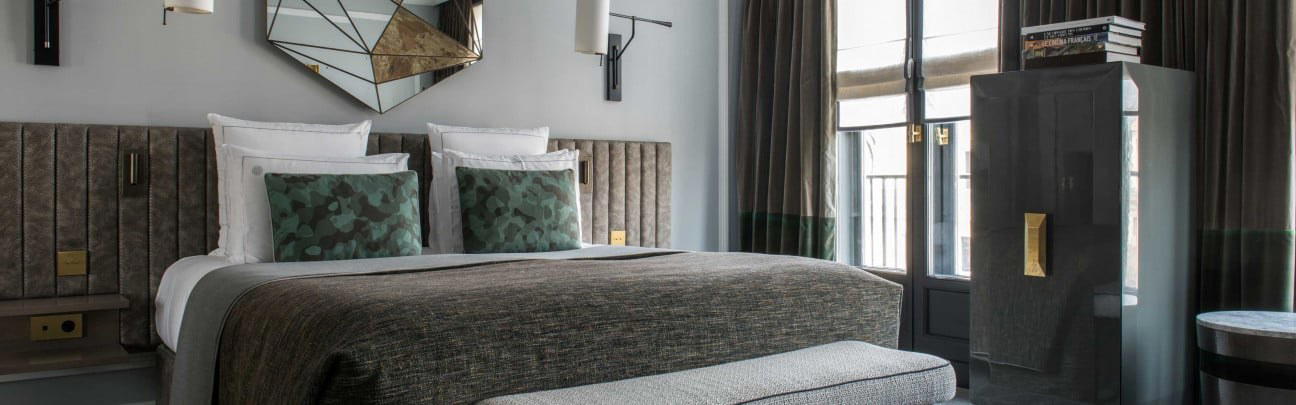
Minimalist decor with natural plant-based materials, bright and airy atmosphere.