Taverna dello Spuntino

A Michelin Plate-recognised trattoria on the edge of Rome's Castelli Romani hills, Taverna dello Spuntino serves Lazio's cucina povera in among the more atmospheric dining rooms in the region. Tufa-stone passageways, brick-vaulted arches, and hanging hams set the scene for cooking that draws directly from the volcanic soil and pastoral traditions of the Colli Albani.
Pearl is the En Primeur Club membership app — saves, bookings, and concierge access live there. Same editors, same standards.
- Address
- Via Cicerone, 20, 00046 Grottaferrata RM, Italy
- Phone
- +39 06 9431 5985
- Website
- tavernadellospuntino.com
- Directions
- Get directions
 Saves & bookings on Pearl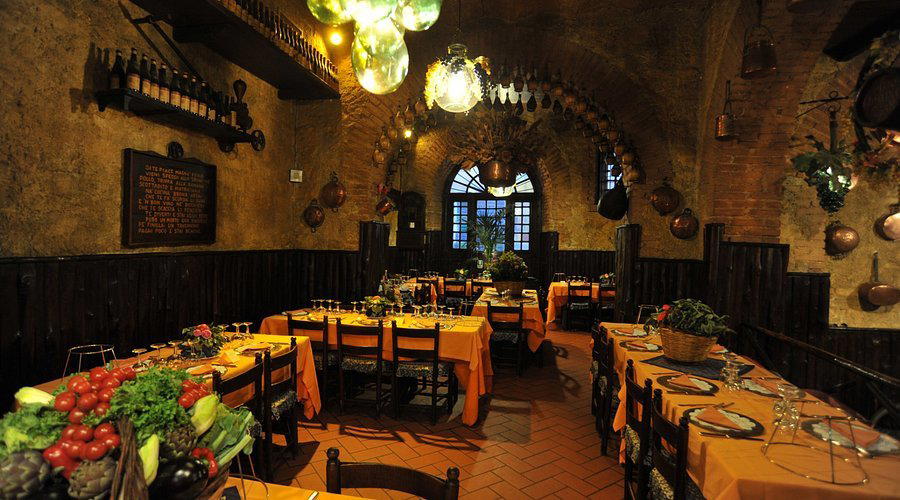
Stone, Arch, and the Weight of a Roman Dining Tradition
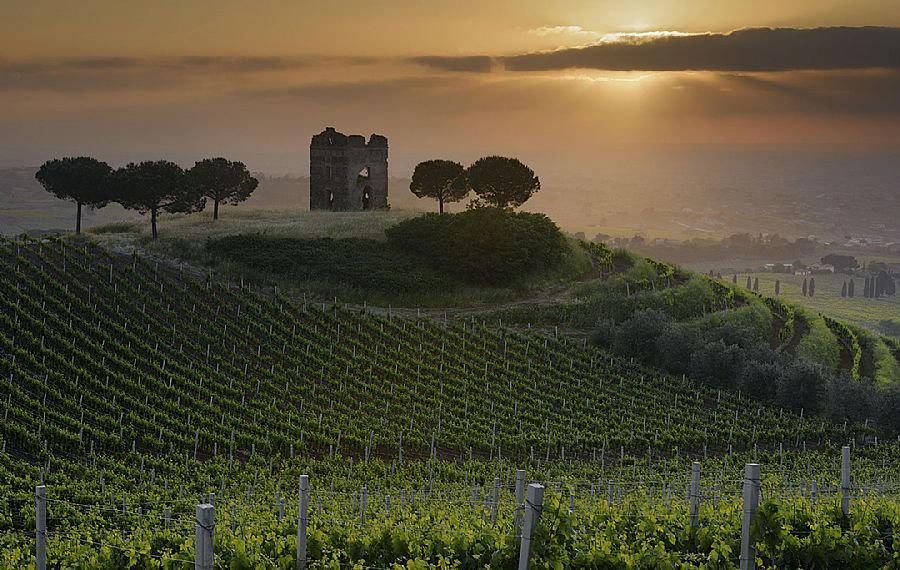
The approach to Grottaferrata already tells you something about how the food will taste. The town sits in the Colli Albani, a ring of volcanic hills southeast of Rome where the soil is dark and mineral-rich, the olive groves are old, and the wine, Frascati, Marino, the broader Castelli Romani DOC, comes from vines that have supplied the Roman table for centuries. When a trattoria in this landscape draws steady praise from diners year after year, it is drawing on something more durable than a current trend.
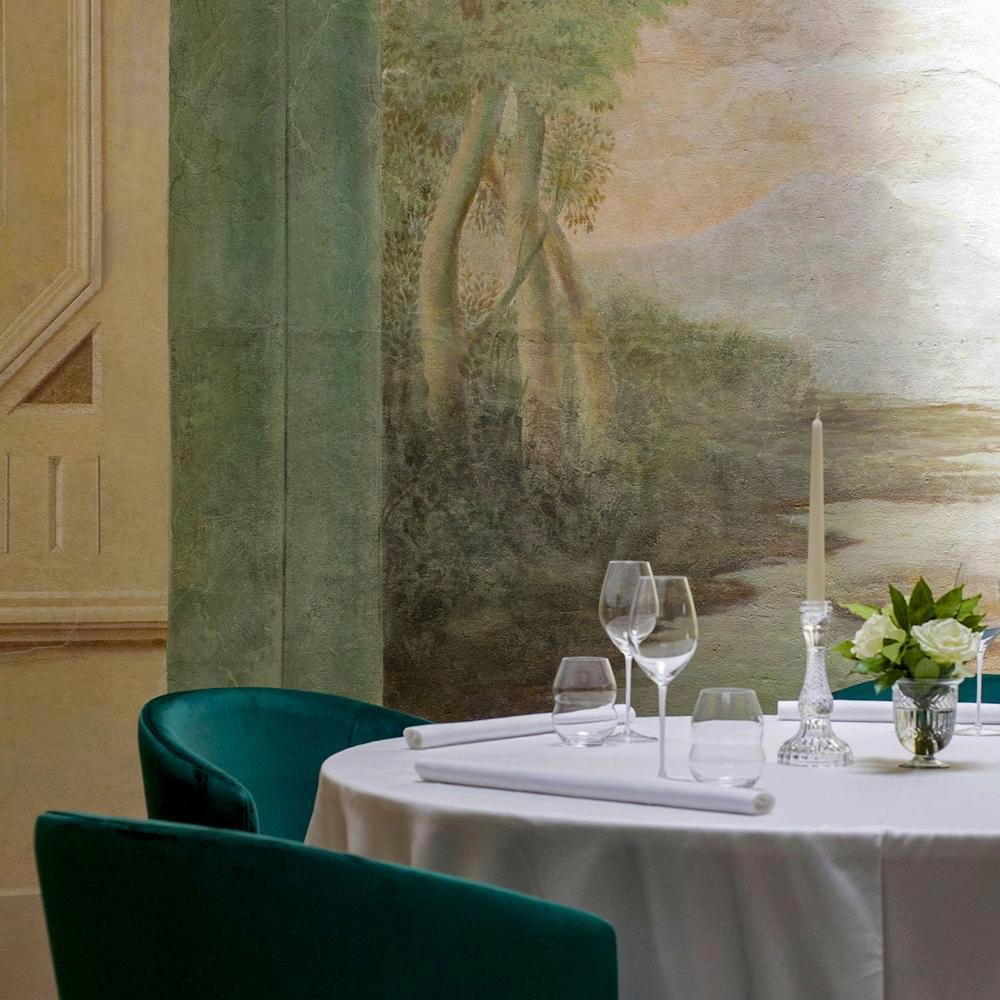
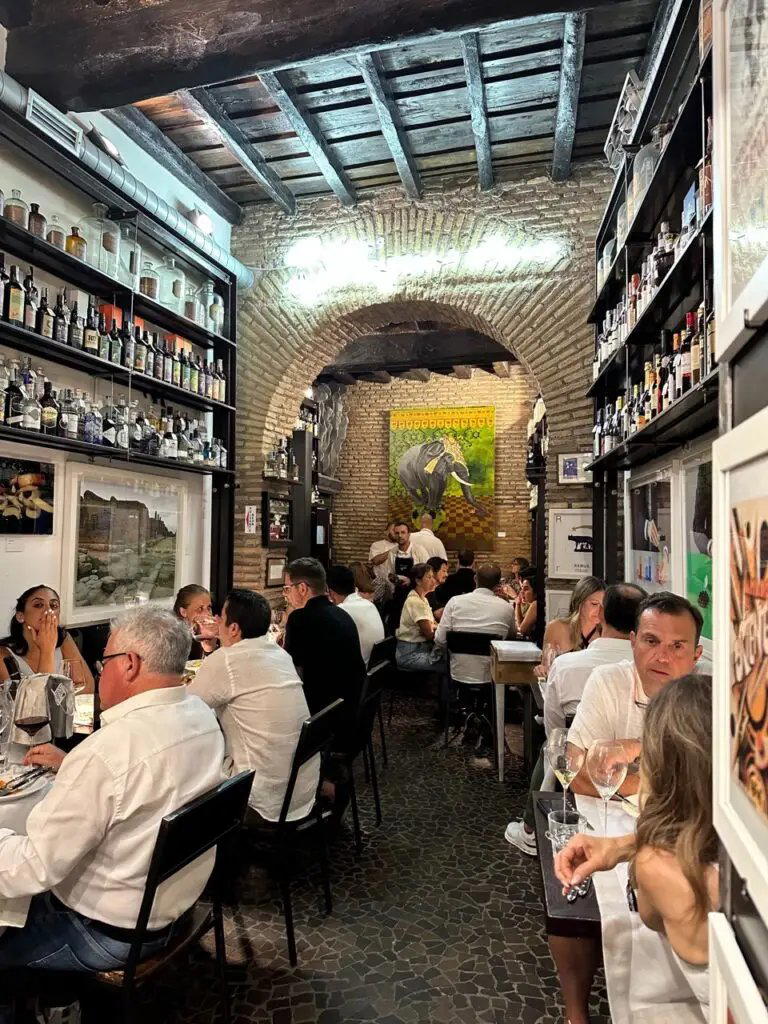
At Taverna dello Spuntino on Via Cicerone in Grottaferrata, the physical environment makes the argument before the food arrives. The basement runs through old tufa passageways that have been converted into a wine cellar, the volcanic rock that defines Lazio's geology repurposed into the coolest, most natural storage a wine list could ask for. Above ground, the dining rooms work under brick-vaulted arches, and the walls and surfaces carry the visual language of a working Italian larder: hams hanging, flasks of wine on display, fruit and antipasti arranged as both decoration and daily evidence of what the kitchen is working with. This is not a designed aesthetic borrowed from a concept board. It is the accumulated material culture of a region that has been feeding people from the same ingredients for generations.
What the Castelli Romani Table Means
Lazio's cucina povera has always been more disciplined than its Roman counterpart is often given credit for. The Roman tradition of offal and braised meat, coda alla vaccinara, abbacchio, trippa, gets most of the press, but the hill towns around Rome operate on a slightly different register. The Castelli Romani trattoria at its most coherent is a place where the sourcing radius is short, the techniques are old, and the menu changes not because a chef is being creative but because the season has moved on.
That sourcing logic is what diners tend to respond to at this price tier. The Plate is not a star, but it is not incidental either: it marks kitchens where the cooking is done with attention and care, and where the product quality justifies the visit. At the €€€ price point, the expectation is that the kitchen is buying well locally rather than importing prestige ingredients. In the Colli Albani, buying locally means pork from the Castelli farms, lamb from the pastoral tradition of the Roman campagna, vegetables from the volcanic plains around Velletri and Lanuvio, and wine from a DOC that surrounds the restaurant on three sides.
For context on where this kind of Lazio-rooted cooking sits within Italian dining more broadly, it occupies a different register from the northern Italian creative kitchens, places like Osteria Francescana in Modena, Enrico Bartolini in Milan, or Le Calandre in Rubano. Those are €€€€ tasting-menu operations where the cuisine is interrogated and reconstructed. The Roman trattoria tradition, and its Castelli Romani extension, does the opposite: it relies on the authority of repetition. The dishes are right because they have been made the same way for decades, not because they have been reimagined.
Within Lazio itself, the comparison set is tighter. Cacciani in Rome and L'Osteria della Trippa in Rome represent the urban expression of the same regional tradition. What separates the Grottaferrata version is geography: you are eating this food fifteen minutes from the farms and vineyards that produced it, in a building made from the same volcanic stone that defines the soil those farms sit on. That proximity is not a marketing point, it is a logistical fact that affects what is available and how fresh it is.
The Room as an Argument for the Kitchen
Italian dining rooms at this register often make a case for the food through physical density, the more a room looks like it has been used seriously for a long time, the more it signals that the kitchen has been doing the same. The combination of tufa passageways, arched brickwork, hanging charcuterie, and displayed wine at Taverna dello Spuntino functions as a coherent visual argument. The antipasti on display are doing double duty: they are available to order, and they are demonstrating what the kitchen has sourced that day. This is a common trattoria device, but it requires the sourcing to actually be good for the display to hold up under scrutiny. A room that has been pulling in 1,218 reviews at 4.4 stars is a room that has held up under scrutiny for a sustained period.
Planning Your Visit
Grottaferrata is a direct day trip or evening excursion from Rome, served by the Roma-Velletri railway line from Termini. The town is small enough that Via Cicerone is easy to find on foot from the station. The €€ pricing makes Taverna dello Spuntino accessible for a relaxed lunch rather than a special-occasion dinner, and the volume of reviews suggests it handles both services regularly. Booking ahead is advisable, particularly on weekends when Romans make the short journey into the Castelli Romani hills.
For wider Italian reference points across the peninsula, EP Club covers Atelier Moessmer Norbert Niederkofler in Brunico, Dal Pescatore in Runate, Enoteca Pinchiorri in Florence, Quattro Passi in Marina del Cantone, Uliassi in Senigallia, Piazza Duomo in Alba, Reale in Castel di Sangro, and Casa Perbellini 12 Apostoli in Verona.
Quick Comparison
Comparable venues nearby, for context on price, style, and recognition.
| Venue | Cuisine | Price | Awards | Notes |
|---|---|---|---|---|
| Taverna dello SpuntinoThis venue — the venue you are viewing | Traditional Roman Trattoria | $$$ | Michelin Plate | Not listed |
| Casa Maggiolina | Modern Italian Trattoria | $$ | Not listed | Grottaferrata |
| Prato di Sopra | Modern Vegan Italian | $$ | Not listed | Grottaferrata |
| Poldo e Gianna Osteria | Roman Osteria | $$$ | Michelin Plate | Campo Marzio |
| N'uovo Vino e Cucina | Modern Italian Fine Dining | $$$ | Michelin Plate | Sutri |
| Locanda Marchesani | Modern Italian Seafood | $$$ | Michelin Plate | Pomezia |
Recognition history
Dated appearances from independent guides and award organizations, with the underlying list record or original source where available.
Michelin Plate
Michelin
Michelin Plate
Michelin
Michelin Plate
Michelin
Continue exploring
More in Grottaferrata
Restaurants in Grottaferrata
Browse all →
Bars in Grottaferrata
Browse all →
Hotels in Grottaferrata
Browse all →


At a Glance
- Romantic
- Classic
- Cozy
- Elegant
- Rustic
- Sophisticated
- Date Night
- Business Dinner
- Group Dining
- Celebration
- Special Occasion
- Historic Building
- Private Dining
- Standalone
- Extensive Wine List
- Sommelier Led
- Local Sourcing
Current opening hours
- Monday
- 1–3 PM, 8–11 PM
- Tuesday
- 1–3 PM, 8–11 PM
- Wednesday
- 1–3 PM, 8–11 PM
- Thursday
- 1–3 PM, 8–11 PM
- Friday
- 1–3 PM, 8–11 PM
- Saturday
- 1–3 PM, 8–11 PM
- Sunday
- 1–3 PM, 8–11 PM
Hours can change for holidays and private events. Last verified .
Warm, welcoming atmosphere with fireplace, charming tavern-like setting evoking another era, family-managed with genuine Roman hospitality.