Tasca del Puerto


Michelin Plate · Macarfi 7.2 Food Rating
Our verdict
At Grau de Castelló, the fishing port district a few kilometres from the city centre, Tasca del Puerto operates on a straightforward premise: family in charge, market fish on the plate, and rice dishes cooked to order. Michelin Plate recognition in both 2024 and 2025 reflects consistent product quality, particularly in shellfish, fresh-catch preparations, and the kind of slow-cooked stews that require a minimum two-portion commitment.

Pearl is the En Primeur Club membership app, where members save venues, book tables and use the concierge.
The menu
What to order
- Torraeta de anchoa con su crujiente espina
- Arroz caldoso de langosta
- Paella de pulpo y alcachofas
Where the Port Ends and the Table Begins
Grau de Castelló is not the city's polished commercial centre. It is the working waterfront, a few kilometres east of the old town, where fishing vessels still unload before dawn and the restaurants along Avenida del Port exist primarily to serve people who understand what fresh means in practice. The avenue sits close enough to the Mediterranean that the smell of brine is present before you reach the door. This is the context in which Tasca del Puerto operates: a port-district address on a street where proximity to the fish market is both a geographic fact and a culinary commitment.
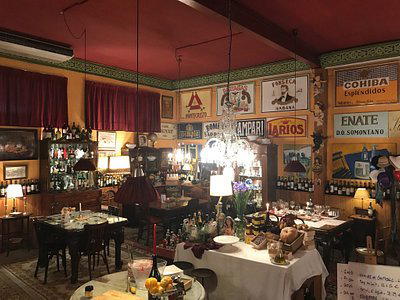
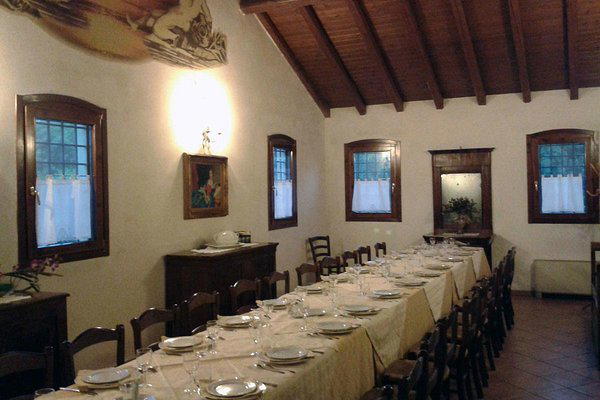
The room signals its priorities quickly. This is family-run in the operational sense, with the kitchen and the dining room divided between two generations. The result is a dining atmosphere that sits closer to a serious neighbourhood restaurant than to a formal dining destination, the kind of place where regulars book specific tables and the staff know what they drink. Among Castelló de la Plana's mid-range restaurant tier, which includes Le Bistrot Gastronómico, Anhelo, and Arre, Tasca del Puerto occupies the most product-literal position: the menu's authority derives from the fish market, not from technique borrowed from elsewhere.
The Shellfish Logic of the Valencia Coast
Along the Valencian coastline, shellfish cookery has historically sat at the centre of the rice tradition rather than at its edge. The paella and arròs a banda formats that define the region's culinary identity were not grain dishes adorned with seafood; they were built around the stock produced by crustaceans and molluscs, with the rice acting as the absorption medium for concentrated flavour. Tasca del Puerto operates within that tradition, where the shellfish component is not garnish but architecture.
Spain's broader seafood dining scene has bifurcated in recent decades. At one end, destinations like Aponiente in El Puerto de Santa María and Quique Dacosta in Dénia represent the experimental tier, where marine ingredients are processed, transformed, and reframed through technique. Alongside these, venues holding multiple Michelin stars such as El Celler de Can Roca in Girona, Arzak in San Sebastián, Azurmendi in Larrabetzu, and DiverXO in Madrid anchor the country's fine-dining register. At the other end, the port-district restaurant model prioritises sourcing over transformation: the crab arrives from the lonja (fish auction), cooked simply and priced by weight; the clams open in broth that has been seasoned rather than reconstructed. Tasca del Puerto belongs to the second camp, and within that camp its Michelin Plate recognition for 2024 and 2025 signals that the execution meets a documented standard of consistency.
On the broader Mediterranean circuit, the same product-first philosophy appears at seafood-focused addresses like Gambero Rosso in Marina di Gioiosa Ionica and Alici Restaurant on the Amalfi Coast, where the argument is always the same: proximity to the source is itself a form of technique.
Rice, Stews, and the Minimum Two-Portion Rule
The rice dishes and stews at Tasca del Puerto require a minimum of two portions, which is standard practice at serious rice restaurants along this coast. The rule exists because the formats are not individually plated; they are cooked in a single vessel calibrated to portion size, and a single serving produces a different, less successful result. This is a practical constraint that also functions as a quality signal: the kitchen is cooking these dishes correctly, in conditions that allow the socarrat to form properly at the base of the pan and the stock to absorb evenly.
The à la carte menu extends beyond rice to include fresh fish from the daily market and shellfish sold by weight, which is the pricing format that appears at credible seafood addresses across Spain and reflects genuine market fluctuation rather than fixed-cost menu engineering. The Gourmet Tasting menu sits alongside the daily Menu of the Day, offering two distinct access points to the same kitchen. At the €€ price range, Tasca del Puerto positions itself in the mid-tier of Castelló's dining options, comparable in price to Alessandro Maino and at a step above the entry-level options represented by venues such as IZAKAYA Tasca Japonesa in the city's broader dining spread.
What the Michelin Plate Means Here
Michelin Plate, awarded for 2024 and again for 2025, does not carry the star hierarchy's prestige, but it carries something more useful for a restaurant of this type: independent confirmation of consistent quality in a category where consistency is the actual challenge. Port-district seafood restaurants live and fall by sourcing and timing. A fish that was exemplary on Tuesday is a different proposition by Friday. The repeated recognition indicates that the kitchen is managing that variable reliably, which at the €€ price point and with this format of service is the relevant standard against which to measure the operation.
Planning a Visit
Tasca del Puerto is located at Av. del Port, 13, in the Grau de Castelló district, the port neighbourhood east of the city centre. The address places it on the main avenue running parallel to the marina, within the cluster of seafood restaurants that defines the area's dining character. For those arriving for the rice dishes specifically, midday service is the natural timing: arròs formats are traditionally a lunch preparation on this coast, and kitchens here tend to orient their day around that service. The Gourmet Tasting menu provides the most structured route through the kitchen's range, while the à la carte allows for direct engagement with whatever the fish market produced that morning.
For a broader picture of where Tasca del Puerto sits within the city's restaurant scene, see our full Castelló de la Plana restaurants guide. Visitors planning a longer stay can also consult our full Castelló de la Plana hotels guide, full Castelló de la Plana bars guide, full Castelló de la Plana wineries guide, and full Castelló de la Plana experiences guide.
Frequently asked questions
What does dinner at Tasca del Puerto typically cost?
Pricing at Tasca del Puerto is listed as €€.
Where do I go for Tasca del Puerto?
Tasca del Puerto is located at Av. del Port, 13, 12100 Grau de Castelló, Castelló, Spain, Castelló de la Plana.
City Peers
| Venue | Cuisine | Price | Awards | Notes |
|---|---|---|---|---|
| Tasca del PuertoThis venue (the venue you are viewing) | Traditional Spanish Seafood & Paella | $30–50 | Michelin Plate · Macarfi 7.2 Food Rating | Not listed |
| IZAKAYA Tasca Japonesa | Authentic Izakaya Japanese Tavern | $30–50 | Michelin Bib Gourmand · Macarfi 7.8 Food Rating | Japanese |
| Le Bistrot Gastronómico | European-Japanese Fusion | $50–100 | Michelin Bib Gourmand · Macarfi 7.5 Food Rating | Fusion |
| Alessandro Maino | Modern Italian Fine Dining with French Influences | $50–100 | Michelin Plate · Macarfi 8.2 Food Rating | International |
| Anhelo | Contemporary Mediterranean Fine Dining | $50–100 | Michelin Plate · Macarfi 8 Food Rating | Farm to table |
| Arre | Modern Valencian with Grill | $30–50 | Michelin Bib Gourmand · Macarfi 7.6 Food Rating | Contemporary |
Recognition history
Dated appearances from independent guides and award organizations, with the underlying list record or original source where available.
Michelin Plate
Michelin
Macarfi 7.2 Food Rating
Macarfi
Full recognition history (4 entries)
Michelin Plate
Michelin
Michelin Plate
Michelin
Continue exploring
More in Castelló de la Plana
Restaurants in Castelló de la Plana
All restaurants in Castelló de la Plana →
Bars in Castelló de la Plana
Browse all →
Hotels in Castelló de la Plana
Browse all →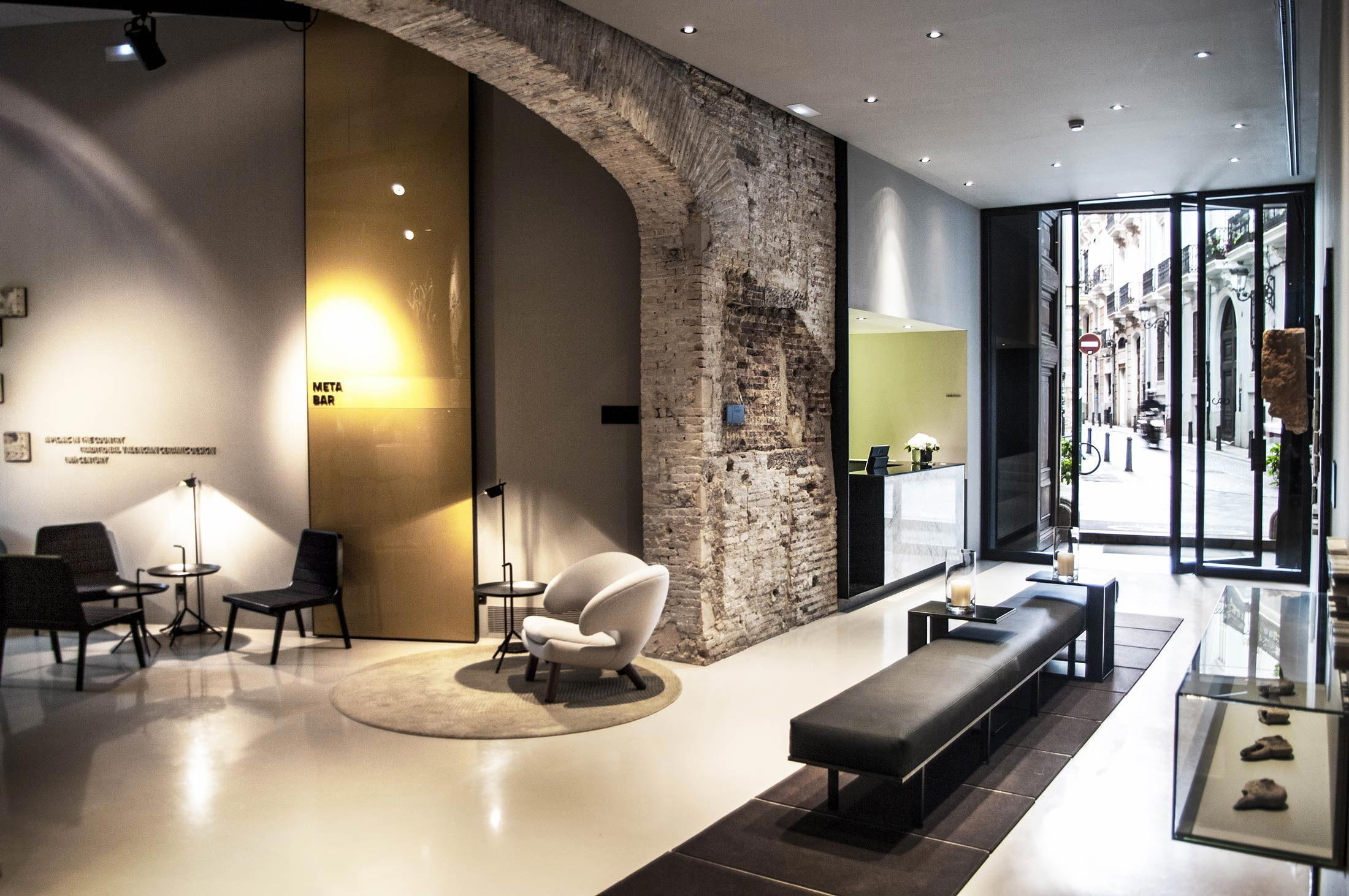
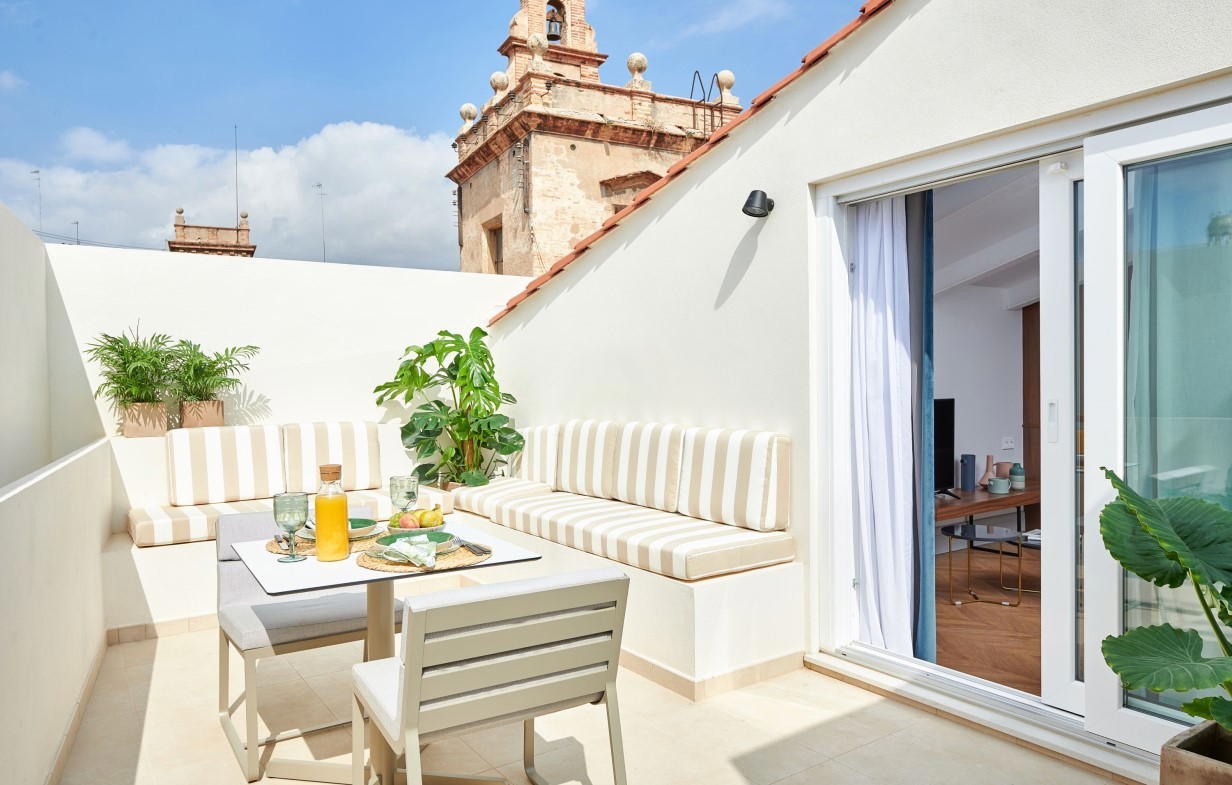
Wineries in Castelló de la Plana
Browse all →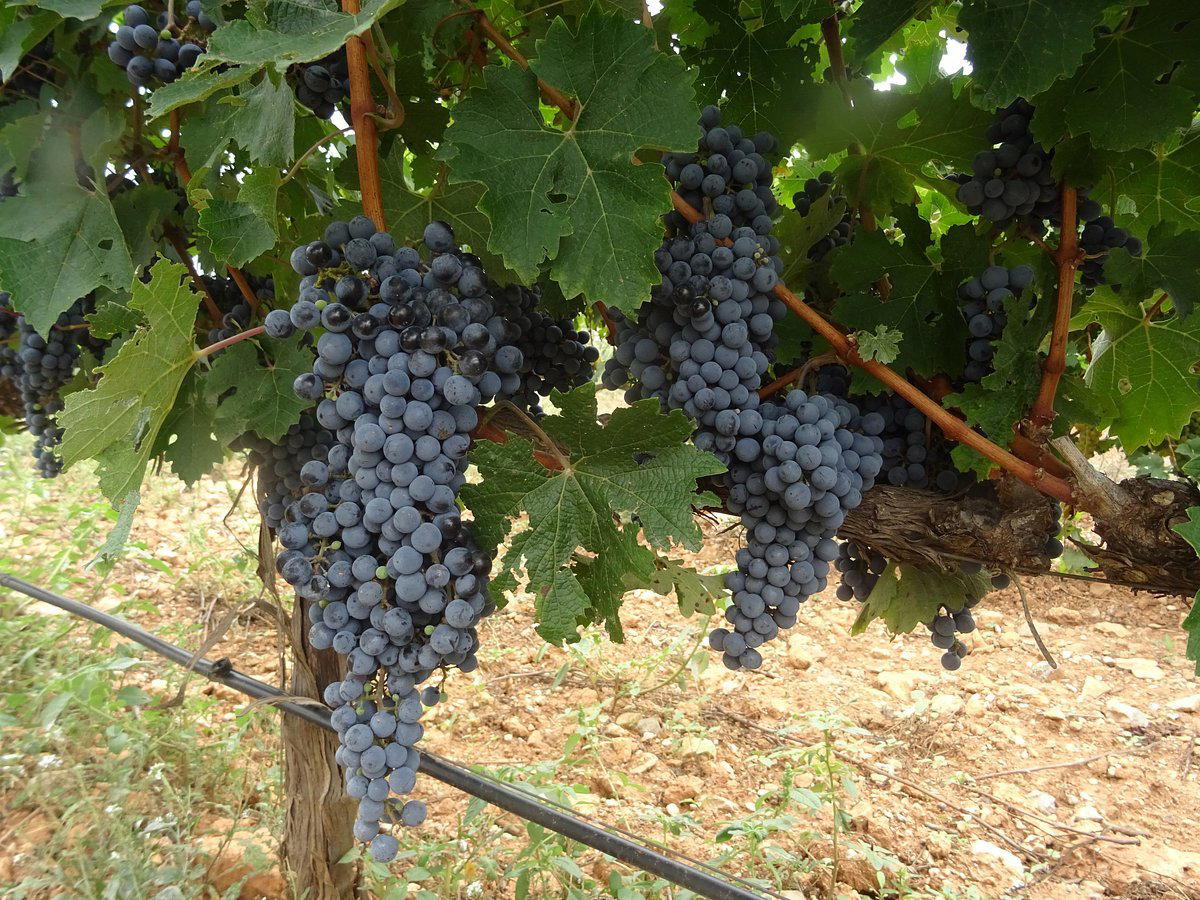
Details
- Classic
- Rustic
- Intimate
- Date Night
- Family
- Celebration
- Special Occasion
- Waterfront
- Terrace
- Private Dining
- Extensive Wine List
- Local Sourcing
- Sustainable Seafood
- Waterfront
- A La Carte
- Set Menu
- Small Plates
- Vegetarian Friendly
- Gluten Free Options
Current opening hours
- Monday
- Closed
- Tuesday
- 1:30–4 PM, 8:30–11 PM
- Wednesday
- 1:30–4 PM, 8:30–11 PM
- Thursday
- 1:30–4 PM, 8:30–11 PM
- Friday
- 1:30–4 PM, 8:30–11 PM
- Saturday
- 1:30–4 PM, 8:30–11 PM
- Sunday
- 1:30–4 PM
Hours can change for holidays and private events. Hours as of .
Traditional maritime decor with labyrinthine passageways, family photos, and nautical mementos under good lighting, creating a relaxed, authentic coastal atmosphere.