Tarka Indian Kitchen
Tarka Indian Kitchen on Brodie Lane sits within South Austin's growing corridor of everyday-serious dining, offering Indian cooking in a format designed for regular visits rather than occasions. The kitchen operates in a fast-casual register that places Indian flavors alongside the city's broader appetite for global, accessible weekday eating. For context on the wider Austin scene, see our full city guide.
Pearl is the En Primeur Club membership app — saves, bookings, and concierge access live there. Same editors, same standards.
- Address
- 5207 Brodie Ln, Austin, TX 78745
- Phone
- +15128922008
- Website
- tarkaindiankitchen.com
- Directions
- Get directions
 Saves & bookings on Pearl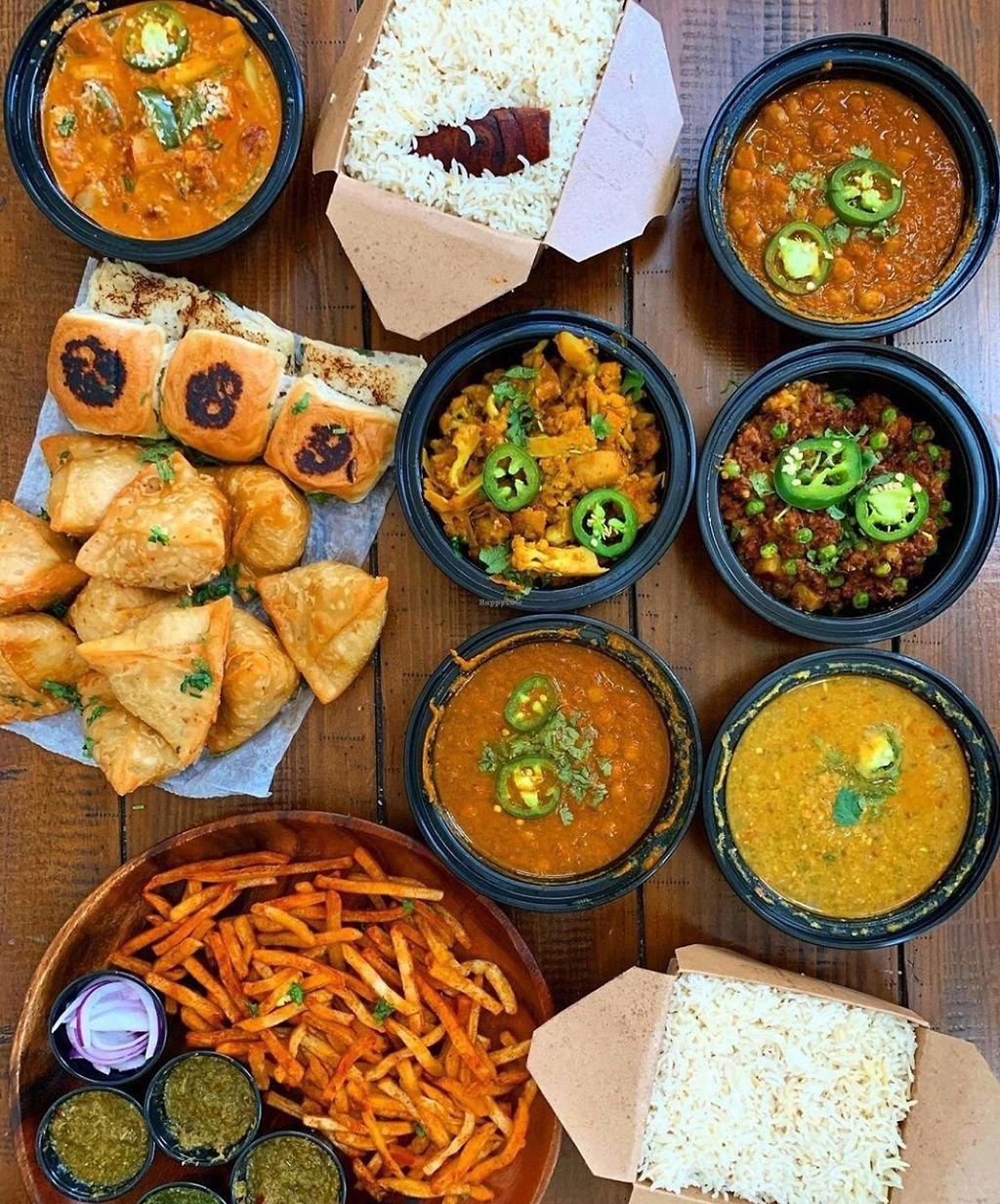
South Austin's Appetite for the Everyday Global
The stretch of Brodie Lane running through South Austin has become, over the past decade, a reliable indicator of how the city eats when it's not performing. Strip-center storefronts here house the kind of restaurants locals return to on Tuesdays, not just Saturdays: counter-service barbecue joints, Vietnamese soup spots, neighborhood Tex-Mex. Tarka Indian Kitchen fits that pattern precisely. It occupies a fast-casual format at a time when Indian cooking in American cities is negotiating a significant transition, from white-tablecloth occasion dining toward the kind of accessible, repeatable presence that Italian and Mexican food achieved decades ago in the broader American dining culture.
That transition matters as context. For most of the twentieth century, Indian restaurants in the United States operated in a specific register: long menus, dimly lit rooms, service built around the ceremony of occasion. The fast-casual model, which Tarka represents among a small comparable set of Indian concepts nationally, argues that the cuisine is equally suited to the lunch-counter format, that dal, biryani, and curry bowls can hold their own on a tray next to a fountain drink. Austin, a city that has shown a consistent appetite for exactly this kind of format-forward approach to global food, is a logical proving ground for that argument.
What Indian Fast-Casual Actually Means
The fast-casual Indian format is worth understanding on its own terms before arriving with expectations shaped by either sit-down Indian dining or the Chipotle-model bowl concept. The leading versions of this format do not simplify Indian cooking, they edit it. The question is which techniques and flavor profiles travel well through a counter-service line without losing integrity: whether a saag paneer holds its texture under heat lamps, whether a tikka masala maintains its spice balance when portioned at speed, whether the bread component can be executed fresh enough to matter.
Across the United States, a handful of Indian fast-casual chains have expanded through Texas markets in recent years, with Austin's demographic mix and density of food-aware consumers making it an attractive city for the format. Tarka, with its Brodie Lane location, serves the southern residential neighborhoods that feed the corridor, households that want weekday variety without the friction of a full-service restaurant experience. That's a specific and legitimate market position, and it explains the format more clearly than any marketing language would.
Indian Cooking and the Austin Table
Austin's dining culture has matured considerably since the city's identity was largely defined by its barbecue tradition. Today the city holds genuinely ambitious restaurants across multiple categories: Barley Swine operates a serious New American tasting format; Hestia has built a national reputation around live-fire cooking; Craft Omakase brings Japanese counter discipline to the city. Even in barbecue, the category Austin is most associated with, the caliber has risen: InterStellar BBQ and la Barbecue both operate at a level that draws visitors from outside Texas.
Indian cooking sits within a different register in Austin than any of those options. It is not yet the subject of the kind of chef-driven, fine-dining attention that Korean cooking has received in cities like New York, where restaurants such as Atomix have positioned themselves alongside venues like Le Bernardin in terms of critical seriousness. Nor does Austin's Indian scene carry the institutional weight of cities with decades of South Asian immigration history. What Austin has instead is a growing everyday Indian presence, anchored in accessible formats and driven by residential demand rather than destination dining. Tarka sits in that segment.
The Cultural Roots of a Counter-Service Model
Indian food itself is far broader than the restaurant versions many Americans first encounter. The subcontinental cooking traditions that fast-casual Indian concepts draw from are among the more regionally varied in the world, spanning the wheat-based, dairy-rich cooking of the north, the rice-and-coconut cooking of Kerala and Tamil Nadu, the mustard-oil traditions of Bengal, the tandoor culture of Punjab. Most Indian restaurants in the United States, including fast-casual formats, draw selectively from this range, typically centering on north Indian dishes that have the broadest recognition: chicken tikka masala, dal makhani, palak paneer, naan.
That selective editing is not a failure; it is how cuisines travel and establish themselves in new markets. Italian-American cooking is not Venetian or Sicilian cooking. American Chinese food is not Cantonese or Sichuan cooking as practiced in China. What matters is whether the edited version maintains culinary integrity, whether the spice balance is considered, the proteins are cooked correctly, the bread component is given proper attention. These are the questions worth bringing to any Indian fast-casual concept, Tarka included, rather than the question of whether it matches a grandmother's kitchen in Jaipur.
The broader American restaurant world has seen transformative takes on culinary heritage at the fine-dining level. Tarka's category is defined by something different: daily relevance, accessibility, and the cumulative effect of feeding the same neighborhood consistently over time. Tarka's category is defined by something different: daily relevance, accessibility, and the cumulative effect of feeding the same neighborhood consistently over time. Neither ambition is lesser; they are simply calibrated for different purposes.
Cuisine and Recognition
Comparable venues nearby, for context on price, style, and recognition.
| Venue | Cuisine | Price | Notes |
|---|---|---|---|
| Tarka Indian KitchenThis venue — the venue you are viewing | Traditional Indian Curry House | $$ | Not listed |
| Saffron South | Nepalese-Indian Fusion | $$ | Westlake |
| Tapville Social - Austin | American Gastropub with Self-Pour Taps | $$ | University |
| Picnik Burnet Road | Healthy Modern American | $$ | Rosedale |
| VIVO | Modern Tex-Mex | $$ | Highland |
| Sixty Vines | American Wine Country-Inspired | $$ | North Burnet |
Continue exploring
More in Austin
Restaurants in Austin
Browse all →

Bars in Austin
Browse all →
Hotels in Austin
Browse all →


At a Glance
- Casual
- Modern
- Family
- Casual Hangout
- Group Dining
- Beer Program
- Local Sourcing
Current opening hours
- Monday
- 11 AM–9 PM
- Tuesday
- 11 AM–9 PM
- Wednesday
- 11 AM–9 PM
- Thursday
- 11 AM–9 PM
- Friday
- 11 AM–9 PM
- Saturday
- 11 AM–9 PM
- Sunday
- 11 AM–9 PM
Hours can change for holidays and private events. Last verified .
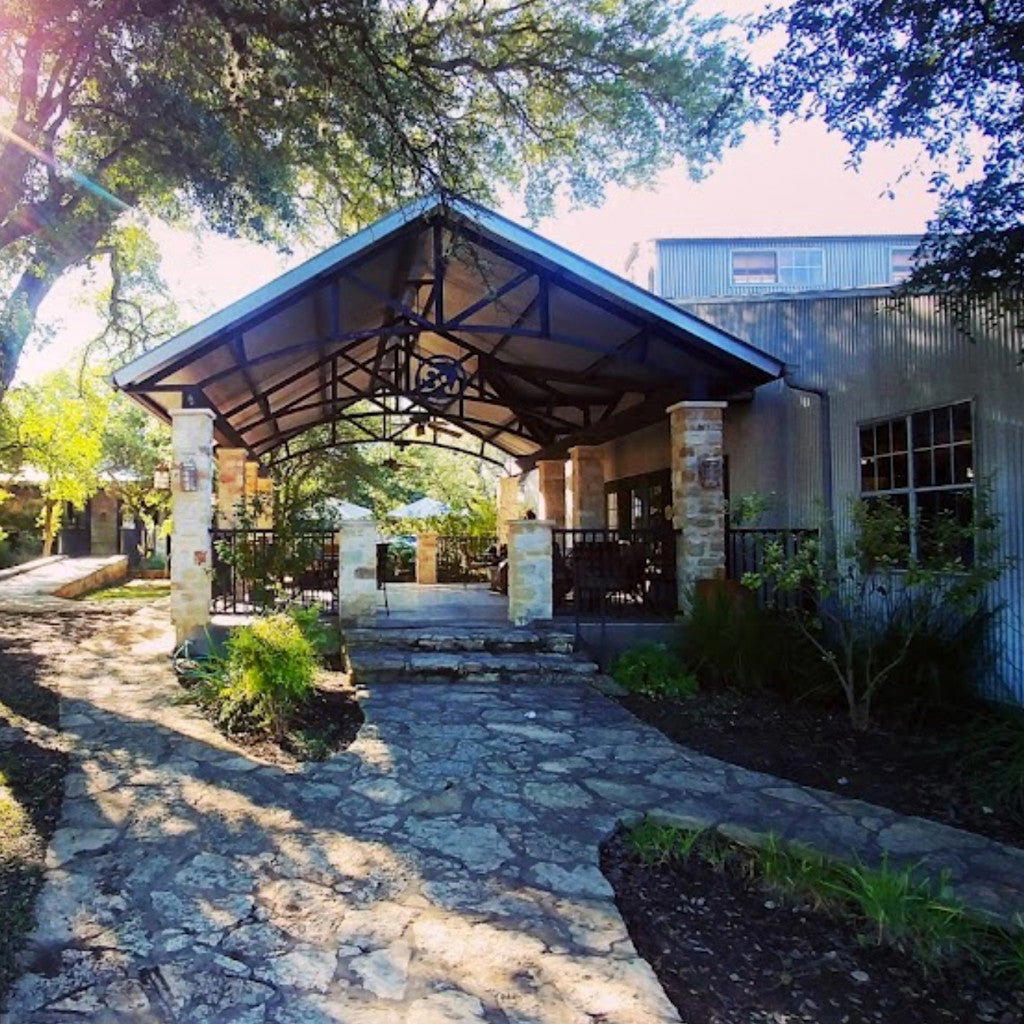
Warm and inviting casual atmosphere ideal for relaxed family meals with patio seating.