Few addresses in Istanbul carry the weight of Tarihi Sultanahmet Köftecisi, a köfte institution on Divan Yolu that has anchored the historic peninsula's lunch culture for generations. Positioned steps from the Sultanahmet tram stop, it represents the kind of no-frills precision that separates genuine craft from tourist-facing imitation. The menu is brief, the format is direct, and the reputation is built entirely on the köfte itself.
 Discover on Pearl
Pearl is the En Primeur Club membership app — saves, bookings, and concierge access live there. Same editors, same standards.
Where Divan Yolu Does Its Most Honest Work
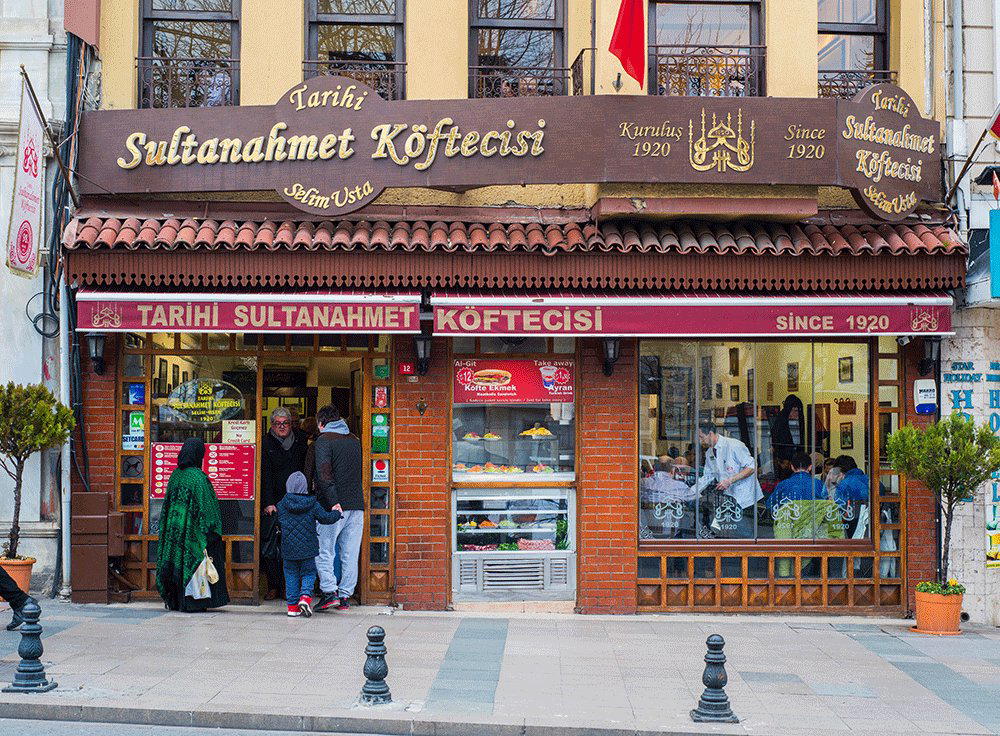
Divan Yolu Caddesi is one of Istanbul's most walked streets, connecting the Sultanahmet tram stop to the Grand Bazaar along the spine of the old city. It carries tourists in numbers that can overwhelm a block, and the restaurants lining it operate across a wide range of sincerity. At No. 12, Tarihi Sultanahmet Köftecisi sits inside this corridor as a straightforward spot for traditional Turkish köfte, the tourist traffic has adjusted to it. The room is spare. The menu is short. The operation runs with the efficiency of a kitchen that has been making the same thing for long enough that the process has been reduced to its essentials.
That specificity of purpose is not incidental. In Fatih, the district that holds Sultanahmet, the Bazaar Quarter, and much of the surviving Byzantine and Ottoman built fabric of the historic peninsula, the dining culture splits sharply between places serving the neighbourhood and places serving the image of the neighbourhood. Tarihi Sultanahmet Köftecisi belongs to the former category by habit and by history, even if the foot traffic outside is now predominantly international. Its position on Divan Yolu, a road that was the main ceremonial artery of Byzantine Constantinople, gives the address a gravity that most modern restaurants in the area cannot replicate with design or branding.
The Köfte Tradition and What It Demands
Turkish köfte is a discipline with significant regional variation. The Sultanahmet style, associated with this address more than any other, is a grilled köfte made from a beef and lamb mixture that is seasoned with minimal intervention and formed into slightly flattened cylinders. The restraint is the point. Where Adana-style köfte leans on red pepper and fat content for heat, and İnegöl köfte is formed and cooked differently still, the Sultanahmet version is defined by the quality of the meat and the precision of the grill. There is very little to hide behind.
Across Turkey, single-dish specialists, the esnaf lokantası tradition of craftsman's restaurants, occupy a distinct tier in the informal dining hierarchy. These places do not compete with restaurants that offer broad menus or elaborate preparation. They compete on depth within a narrow category. Dürümzade in Beyoglu applies the same logic to dürüm; Bayramoğlu Döner in Beykoz does the same for döner. The format is a compression of expertise into a single product that either justifies the reputation or doesn't. At Tarihi Sultanahmet Köftecisi, the reputation has held long enough to be treated as a reference point rather than a claim.
For a broader sweep of what Anatolian single-dish craft looks like across different regions, Kısmet Etliekmek ve Lahmacun Salonu in Karaman and Kocak Baklava in Gaziantep represent how deeply the single-specialty model runs through Turkish food culture at its most serious.
Fatih's Dining Register and Where This Address Sits
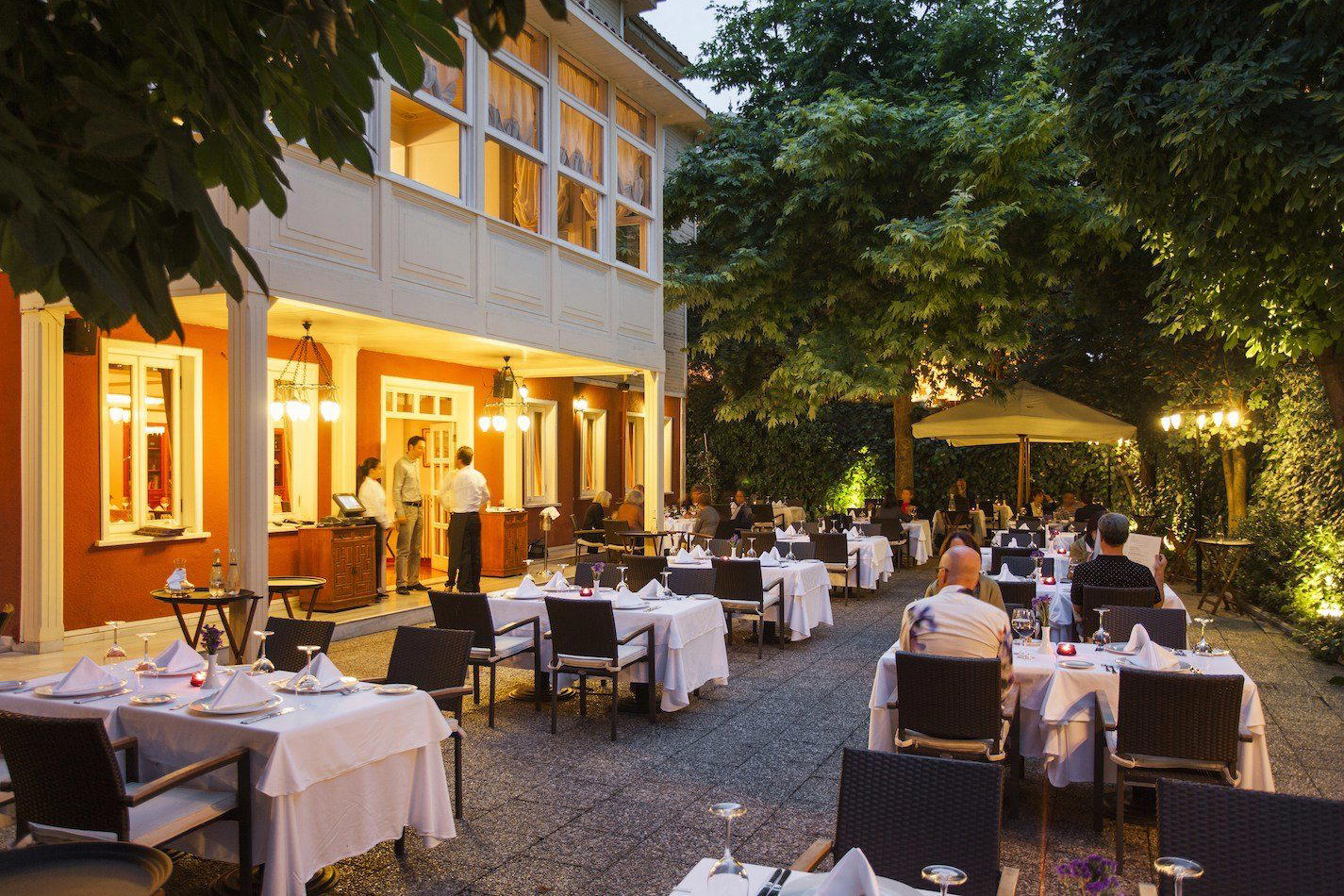
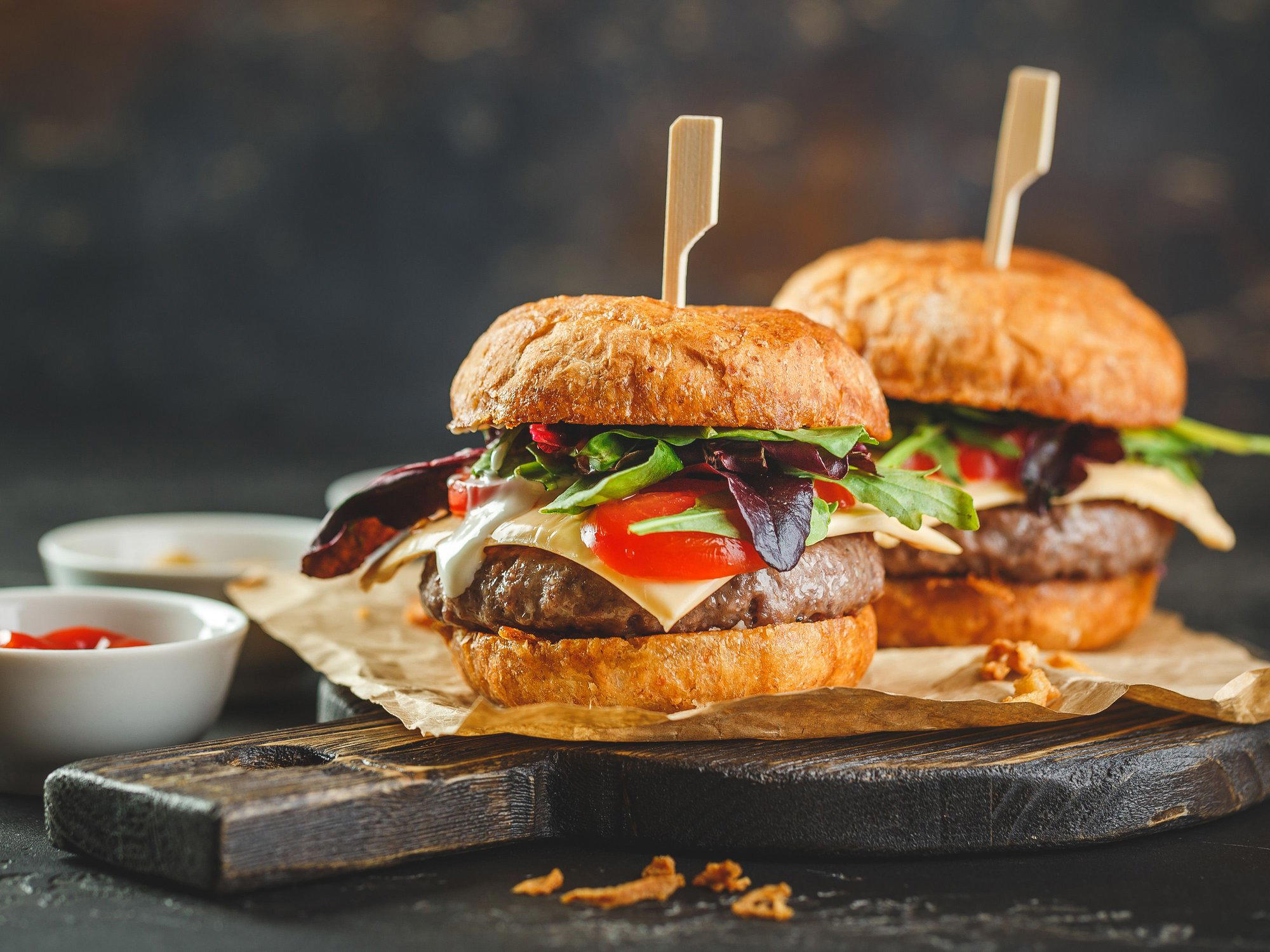
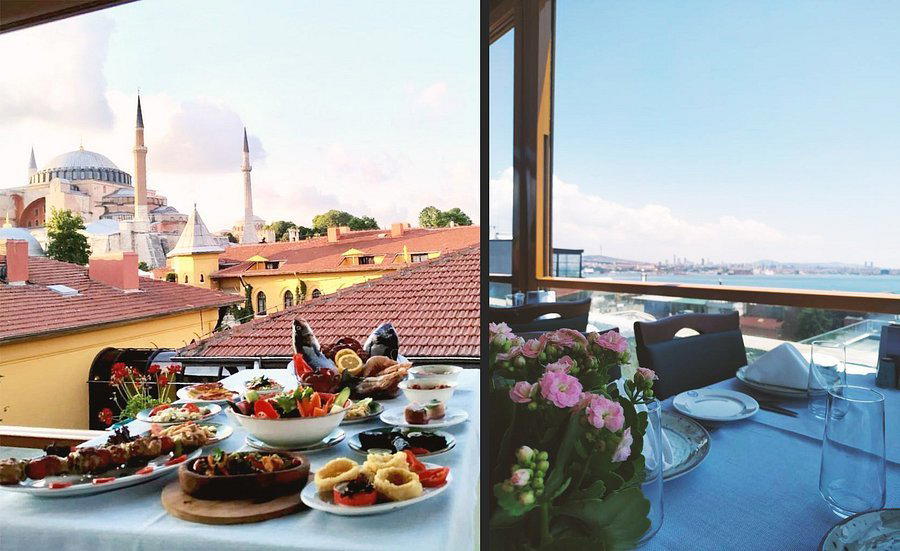
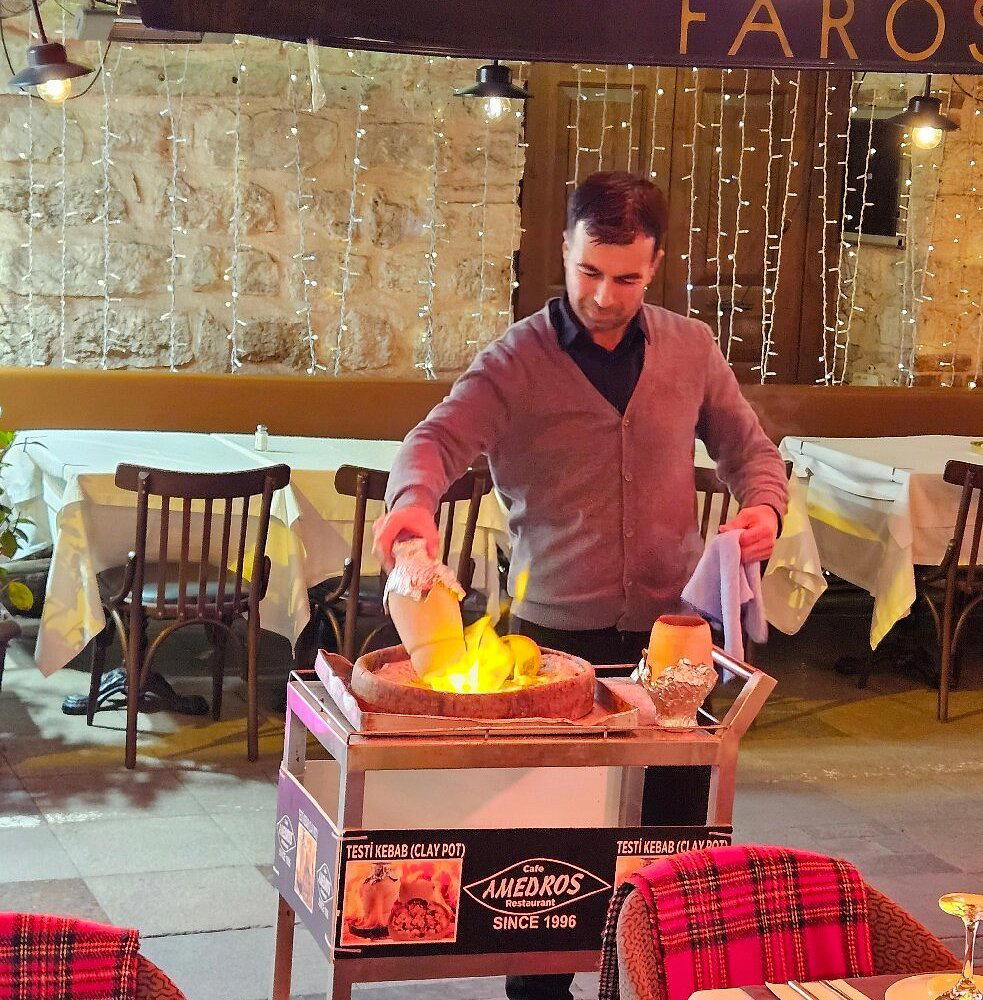
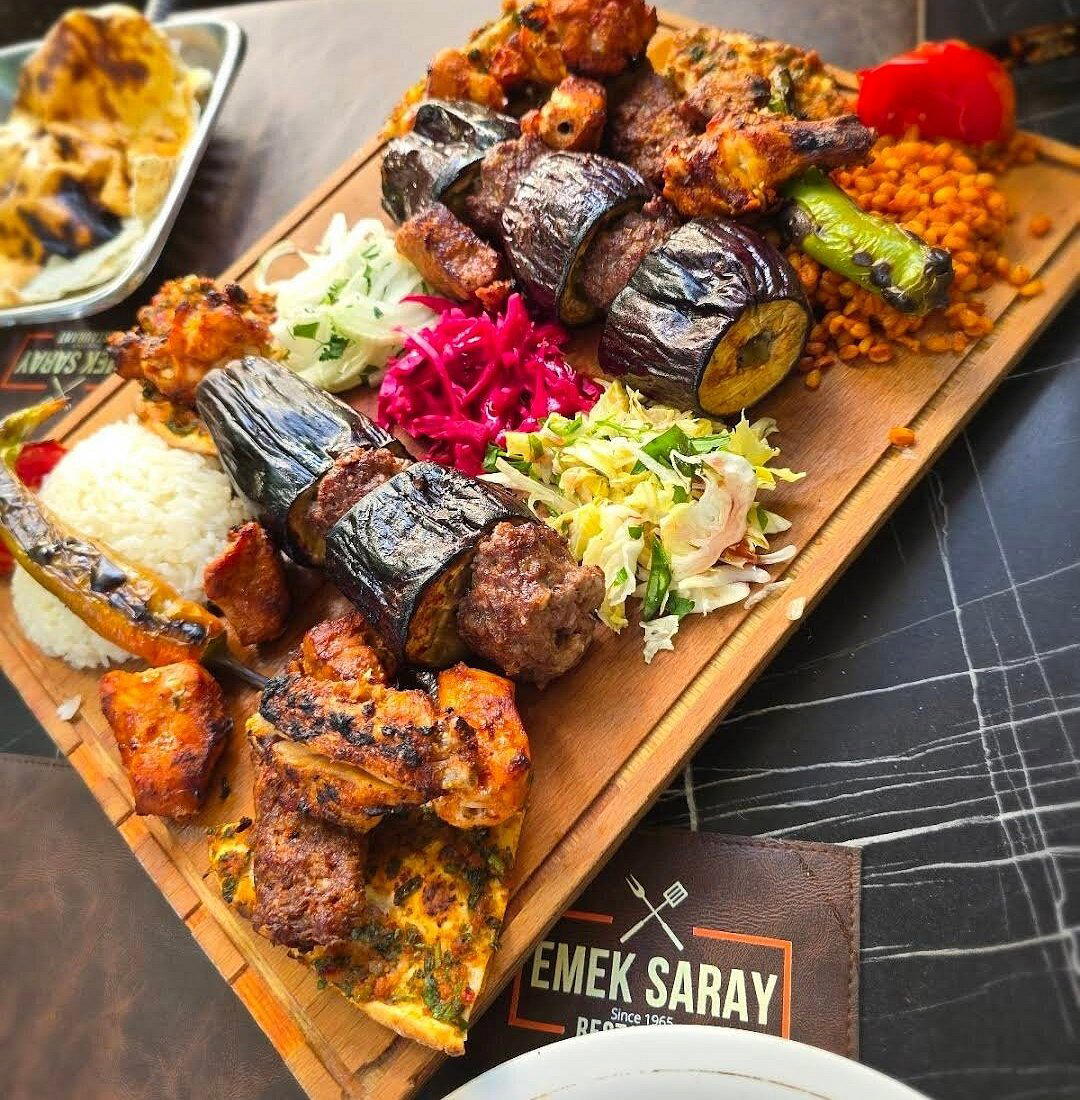
Fatih as a dining district does not resolve into a single character. The neighbourhood contains some of Istanbul's oldest Ottoman-era restaurant traditions alongside newer entries across different price points and formats. Asitane reconstructs Ottoman palace cuisine from archival sources, operating at the opposite end of the format spectrum from Tarihi Sultanahmet Köftecisi. By Kinyas Restaurant and Emek Saray Restaurant represent other points in the local spectrum. BURGERMOON and Cafe Amedros occupy different casual registers entirely. For a mapped view of the full range, the full Fatih restaurants guide provides context across price points and cuisines.
Tarihi Sultanahmet Köftecisi sits at the lower end of the price register, which places it in a different competitive conversation from the white-tablecloth Ottoman revival category. The comparison set is other köfte specialists, other working-lunch addresses, and other establishments where the value proposition rests entirely on product quality rather than setting or service complexity. By that measure, it holds a reference position in Istanbul's informal dining culture that restaurants with far larger budgets have not been able to displace.
That positioning also means it functions differently depending on when you arrive. The midday rush on a weekday reflects the address's working-Istanbul function. The same table at 1pm on a Saturday reads differently, with a different crowd. The food does not change between those two states, but the context does.
Istanbul in the Broader Context of Turkish Dining
Istanbul's restaurant culture has become more internationally visible in recent years, partly through the work of addresses like Turk Fatih Tutak in Istanbul, which applies fine-dining rigour to Turkish ingredients and technique, and partly through the growing international recognition of Turkish cuisine as a serious category rather than a regional curiosity. Maçakızı in Bodrum, Narımor in Izmir, and Hiç Lokanta in Urla all illustrate how far that conversation now extends beyond Istanbul's historic core.
Within that wider context, places like Tarihi Sultanahmet Köftecisi represent something different from the fine-dining evolution: the durability of a format that was never trying to change. There is no tasting menu version, no modernist interpretation. The argument for eating here is not that it represents where Turkish food is going, but that it represents where one strand of it has always been, and has been consistently enough to build a reputation that survives the volume of foot traffic most restaurants would find distorting. For a sense of what high-end Turkish cooking looks like at the other end of the spectrum, Le Bernardin in New York City and Atomix in New York City show how a similar commitment to craft operates at a very different price tier and format. Closer to the Aegean, Kritikos Meyhane in Mudanya and Casa Lavanda in Sile illustrate how regional Turkish dining builds distinct identities through geography and product sourcing.
Planning Your Visit
Tarihi Sultanahmet Köftecisi sits at Divan Yolu Cad. No. 12, 34122 Fatih. The format is walk-in, and the queue, when present, moves quickly. Arriving before the peak lunch window, or in the mid-afternoon, reduces the likelihood of waiting. The menu is brief enough that ordering decisions resolve in seconds: köfte is the reason to be here, accompanied by bread, a simple salad, and ayran if you're following convention.
The Minimal Set
Comparable venues nearby, for context on price, style, and recognition.
| Venue | Cuisine | Price | Notes |
|---|---|---|---|
| Tarihi Sultanahmet KöftecisiThis venue — the venue you are viewing | Sultanahmet, Traditional Turkish Köfte | $ | |
| Cafe Amedros | $$ | Fatih, Traditional Turkish & Ottoman Cuisine | |
| No7 Rooftop Restaurant | $$$ | Fatih, Turkish with International Influences | |
| BURGERMOON | Balat, Burgers | $ | |
| Asitane | Edirnekapi, Ottoman Palace Cuisine | $$$ | |
| Emek Saray Restaurant | Fatih, Authentic Turkish Barbecue | $$ |
Continue exploring
More in Fatih
At a Glance
- Classic
- Iconic
- Family
- Casual Hangout
- Historic Building
- Street Scene
Basic, no-frills decor across multiple floors with a bustling, traditional atmosphere focused on authentic flavors.