Sushi in Aarhus occupies a narrower, more specialist niche than the city's celebrated New Nordic circuit, and Tapashi Sushi on Klostergade sits inside that niche. For a city whose fine-dining identity has long been shaped by Scandinavian technique and local produce, a dedicated sushi address represents a distinct counter-proposal — one worth understanding on its own terms before you book.
Pearl is the En Primeur Club membership app — saves, bookings, and concierge access live there. Same editors, same standards.
- Address
- Klostergade 52, 8000 Aarhus, Denmark
- Phone
- +4586828282
- Website
- tapashi.dk
- Directions
- Get directions
 Saves & bookings on Pearl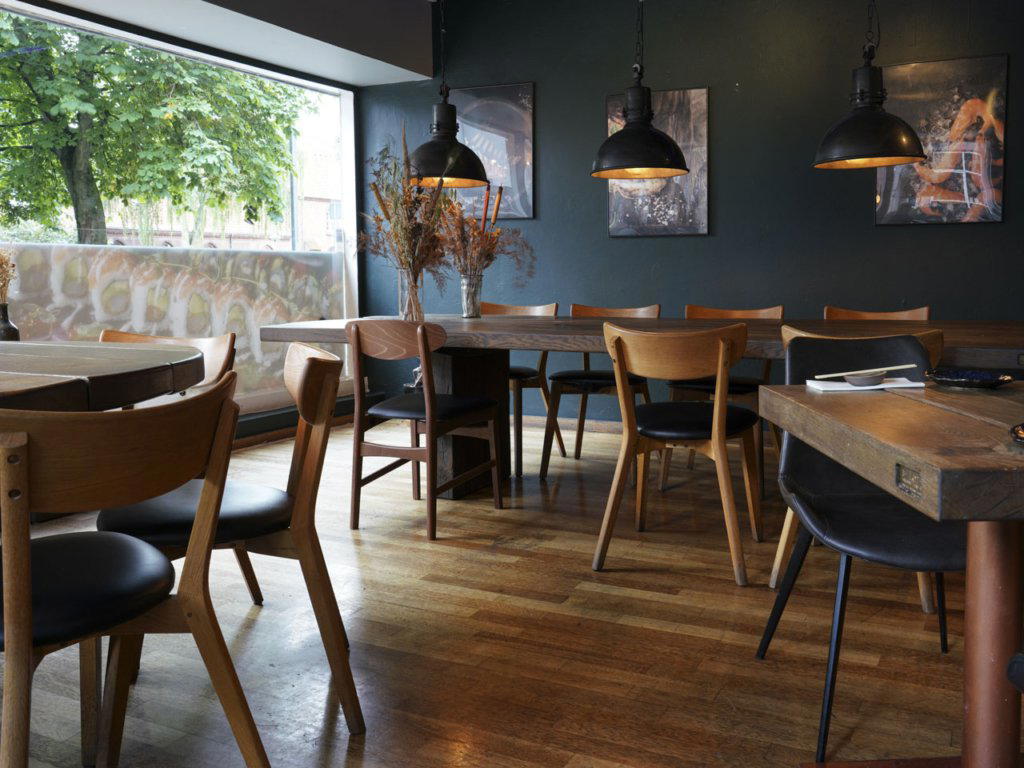
Sushi in a New Nordic City
Aarhus has spent the better part of two decades building a fine-dining reputation around Scandinavian produce and restrained Nordic technique. Restaurants like Frederikshøj and Gastromé have anchored the city's upper tier with seasonal menus drawn from the surrounding region, while Domestic and Substans have reinforced the New Nordic consensus at slightly lower price points. Against that backdrop, a sushi restaurant is not an obvious fit — which is precisely what makes Tapashi Sushi on Klostergade 52 a venue worth paying attention to.
Japanese cuisine has arrived in Scandinavian capitals at different speeds and in different registers. Copenhagen's high-end Japanese scene has matured considerably, with omakase-format counters now drawing international attention in a city where Geranium and Jordnær in Gentofte have raised expectations across all cuisines. In Aarhus, Japanese dining remains a smaller, less mapped segment — which means early-entry addresses carry more weight and more visibility than they would in a more saturated market.
The Setting on Klostergade
Klostergade runs through one of Aarhus's older residential and commercial corridors, a street with the kind of modest, mid-city character that tends to attract independent restaurants rather than flagship openings. The address at number 52 places Tapashi Sushi away from the waterfront development zones that have drawn much of the city's new hospitality investment, suggesting a neighborhood-restaurant sensibility rather than a destination-dining proposition built on spectacle.
In Japanese dining terms, this kind of location signals something worth noting: the counters and sushi bars that earn the deepest trust in Tokyo's mid-city wards are rarely the ones occupying prime commercial real estate. They are the ones found by those who already know where to look. Whether that dynamic translates to Aarhus is a question the local dining community is better placed to answer than any outside observer, but the address alone suggests a restaurant operating on the logic of the craft rather than the theater of the room.
Reading the Meal: A Tasting Progression
Sushi at its most disciplined is a progressive experience, not a menu to be assembled à la carte. The structure of a serious sushi meal, whether it follows an omakase format or a curated selection sequence, mirrors the logic of any multi-course tasting: it moves from lighter, more delicate preparations toward richer, more assertive ones, building a coherent arc rather than offering isolated hits of flavor.
In Japanese tradition, that arc typically begins with something like a light dashi broth or a small appetizer to calibrate the palate, moves through white-fleshed fish nigiri (hirame, tai, or similar) before progressing to medium-fatty fish, then to the richer cuts, toro, aji, mackerel, before closing with something like tamago or a handroll. The rice temperature, the rice-to-fish ratio, and the wasabi application shift subtly across that sequence. A kitchen that understands this progression treats each piece as a movement in a longer composition rather than a standalone product.
For diners accustomed to ordering rolls from a printed menu, this kind of sequencing is a different proposition. It requires trusting the counter, following the kitchen's logic, and resisting the impulse to override the progression with individual preferences. The reward is a meal that reads as a whole rather than a sum of parts, something closer to what Atomix in New York City has articulated in the Korean tasting format, or what Le Bernardin has long demonstrated in its fish-only progression: a single-ingredient focus that reveals depth through discipline rather than variety.
Across Denmark's fine-dining circuit, that kind of disciplined progression has become increasingly legible to diners shaped by New Nordic menus. Restaurants like Henne Kirkeby Kro in Henne, Dragsholm Slot Gourmet in Hørve, and LYST in Vejle have each built their reputations on sequenced menus that ask diners to follow a kitchen's point of view over two or three hours. A sushi counter operating at a similar level of intention sits comfortably within that broader Scandinavian dining grammar, even if the culinary tradition is Japanese rather than Nordic.
Aarhus in the Danish Fine Dining Map
Aarhus is the second city in Denmark's fine-dining conversation, operating below Copenhagen's density of Michelin-starred addresses but with a distinct identity built around its own restaurant community. Beyond the city's leading tables, the broader Danish map includes addresses like Alimentum in Aalborg, ARO in Odense, Domæne in Herning, Frederiksminde in Præstø, and MOTA in Nykøbing Sjælland, each anchoring a regional scene with its own logic and local audience.
Within Aarhus specifically, the non-Nordic dining segment remains smaller and less documented than the headline New Nordic circuit. An address like A-Kin Thai represents the kind of specialist alternative that attracts a local following operating outside the tasting-menu conversation. Tapashi Sushi occupies a comparable position in the Japanese register, serving a dining public that is increasingly literate about global food traditions but still finding its footing with Japanese cuisine at a serious level.
For a fuller picture of where Tapashi Sushi sits within the city's dining options, the EP Club Aarhus restaurants guide maps the full range of addresses across price tiers and cuisine types.
Planning Your Visit
Tapashi Sushi is located at Klostergade 52, 8000 Aarhus, Denmark. For a sushi address of this type in a city where Japanese dining at a serious level is relatively rare, booking ahead rather than walking in is the sensible default, counters of this format fill through regulars and word-of-mouth before they fill through foot traffic. Current hours, reservation details, and pricing are best confirmed through local listing platforms or directly at the restaurant.
Continue exploring
More in Aarhus
Restaurants in Aarhus
Browse all →
Bars in Aarhus
Browse all →
Hotels in Aarhus
Browse all →
Wineries in Aarhus
Browse all →
At a Glance
- Cozy
- Group Dining
- Casual Hangout
Current opening hours
- Monday
- 12–10 PM
- Tuesday
- 12–10 PM
- Wednesday
- 12–10 PM
- Thursday
- 12–10 PM
- Friday
- 12–10 PM
- Saturday
- 12–10 PM
- Sunday
- 12–10 PM
Hours can change for holidays and private events. Last verified .
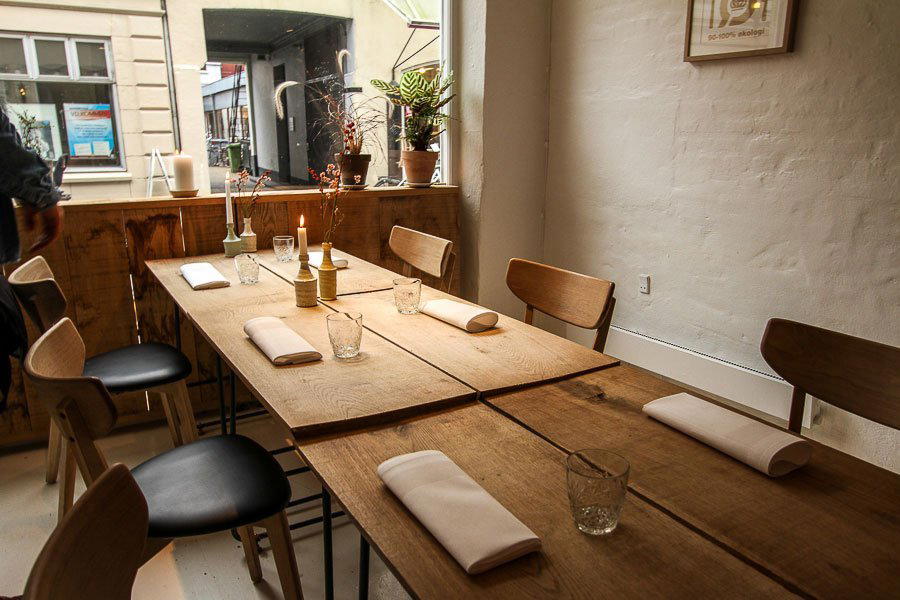
Cozy and relaxed interior with a welcoming atmosphere
Know Before You Go
- Getting there
- Klostergade 52, 8000 Aarhus, Denmark