Gaijin ramen serves Japanese ramen at M. P. Bruuns Gade 42 in Aarhus, with shoyu ramen, spicy kimchi ramen and gyoza plus a beer program.
Pearl is the En Primeur Club membership app — saves, bookings, and concierge access live there. Same editors, same standards.
- Address
- M. P. Bruuns Gade 42, K, 8000 Aarhus, Denmark
- Phone
- +4530125777
- Website
- gaijinramen.dk
- Directions
- Get directions
 Saves & bookings on Pearl
Ramen in a New Nordic City
Aarhus has spent the better part of two decades building a reputation on restraint, foraged ingredients, and the kind of tasting-menu discipline that produces Michelin stars. That context matters when you encounter a ramen shop on M. P. Bruuns Gade, because the city's appetite for precision cooking does not stop at Scandinavian borders. Gaijin ramen sits at number 42 on that street, inside a dining culture that increasingly asks the same exacting questions of a bowl of broth as it does of a nine-course menu at Frederikshøj or Gastromé.
The name itself signals intent. “Gaijin” is a Japanese term for outsider, a word that carries both its literal meaning and a quiet acknowledgment that ramen made outside Japan is always, to some degree, a translation. The leading ramen shops in European cities have learned to treat that outsider status as a creative position rather than an apology, building broths from locally sourced bones and fats while holding to Japanese technique. Whether Gaijin ramen Aarhus operates within that framework or stakes out its own approach is the question the bowl answers.
The Evolution of Japanese Dining in Denmark
Japanese food in Denmark has moved through recognizable phases. The early wave was sushi-heavy and largely indifferent to regional specificity. A second wave brought more considered Japanese-Nordic crossover, typified by counters in Copenhagen that drew on both culinary traditions without fully committing to either. Ramen arrived later and has consolidated into a smaller but more serious tier, where operators who understand tare, fat content, and noodle hydration compete for a customer base that has eaten well in Tokyo and knows the difference.
Aarhus followed Copenhagen's lead with a slight lag, as it tends to in restaurant categories that require imported ingredients or specialist technique. The city's dining scene has matured considerably since the early 2010s, when a handful of New Nordic addresses drew all the critical attention. Today, the breadth is wider. Domestic and Substans anchor the creative end; casual international addresses, including ramen, Thai, and other Asian formats, have established themselves in the middle tier. A-Kin Thai operates in a comparable lane, bringing specific regional knowledge to a city that once defaulted to generalist pan-Asian menus.
Gaijin ramen fits inside that evolution. Ramen is a category that rewards operators who commit to the fundamentals: long-simmered stock, correct fat emulsification, noodles made or sourced with attention to bite and alkalinity. The address on M. P. Bruuns Gade places it in a part of Aarhus where foot traffic meets a food-literate audience, the kind of street-level positioning that works for a concept built on honest cooking rather than occasion dining.
What the Format Signals
Ramen is a daytime and early-evening category in its home market, built around speed, repetition, and the single-bowl format. European operators have adapted that model in different directions: some extend it into late-night territory, others tighten the format toward a focused lunch business. The evolution of a ramen shop over time often shows in how it handles those pressures, whether it narrows its menu toward the bowls it executes with most consistency, or expands to accommodate local tastes.
The address at M. P. Bruuns Gade 42 is a fixed data point. Everything else about Gaijin ramen's current direction sits in the bowl itself and in the choices the kitchen makes around broth base, toppings, and supplementary items. For visitors calibrating expectations, the useful comparison is not with Aarhus's tasting-menu tier, where Frederikshøj and Gastromé set the pace, but with the honest-cooking middle of the market that has become the more interesting half of the city's dining offer.
Denmark more broadly has a strong ramen-adjacent food culture rooted in serious attention to fermentation, umami, and long-cooked stocks. The country's broader restaurant scene, from Geranium in Copenhagen to Jordnær in Gentofte, has normalized the idea that a bowl of something simple can carry the same intellectual weight as a plated course at a destination restaurant. That cultural permission matters for a ramen shop operating in this market.
Placing It in the Danish Dining Network
A visit to Gaijin ramen in Aarhus does not require the advance planning demanded by the country's destination restaurants. Spots like Henne Kirkeby Kro, Frederiksminde in Præstø, or Dragsholm Slot Gourmet operate on long booking windows and occasion-dining economics. Ramen sits at the opposite end of that spectrum: lower friction, lower ceremony, higher repetition. That is not a lesser category. It is a different one, with its own exacting standards and its own way of revealing whether a kitchen is paying attention.
Elsewhere in Denmark, regional addresses like LYST in Vejle, Ti Trin Ned in Fredericia, Tri in Agger, Pearl by Paul Proffitt in Kruså, and Syttende in Sønderborg demonstrate how serious cooking has distributed beyond Copenhagen into smaller cities. Aarhus is ahead of most in that distribution, and Gaijin ramen is part of the evidence. International formats executed with care belong to a maturing city. The presence of a ramen shop on M. P. Bruuns Gade is, in that sense, an indicator of where Aarhus now sits.
For the full picture of where Gaijin ramen sits within Aarhus's dining offer, the EP Club Aarhus restaurants guide maps the city's current tier structure across cuisine types and price points.
Planning a Visit
Gaijin ramen is located at M. P. Bruuns Gade 42 in central Aarhus, a street that runs through a dense commercial and residential district within walking distance of the city's main rail hub. The casual format means walk-in visits are generally viable, though peak lunch and early-dinner hours in any well-regarded ramen shop carry wait risk. Arriving slightly ahead of service peaks is the practical hedge. Current hours, pricing, and any booking options are best confirmed directly before visiting, as the operational picture for smaller independent restaurants in this category shifts more frequently than for destination-dining formats.
How Gaijin ramen Aarhus compares with similar nearby venues.
| Venue | Cuisine | Price |
|---|---|---|
| Atelier 33 | French | €€ |
| Møf | Danish | €€ |
Continue exploring
More in Aarhus
Restaurants in Aarhus
Browse all →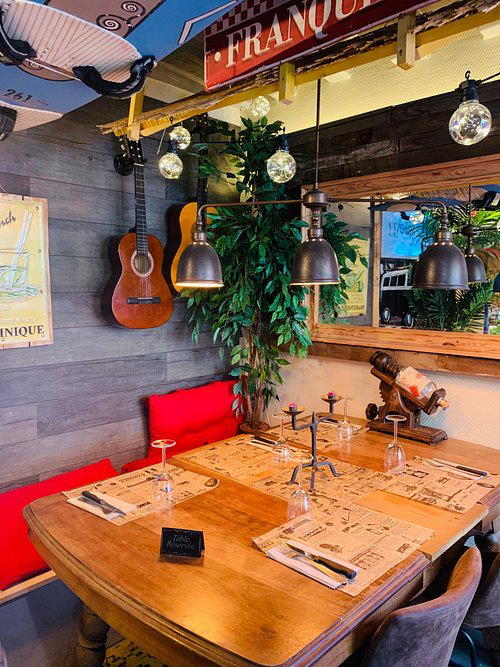
Bars in Aarhus
Browse all →

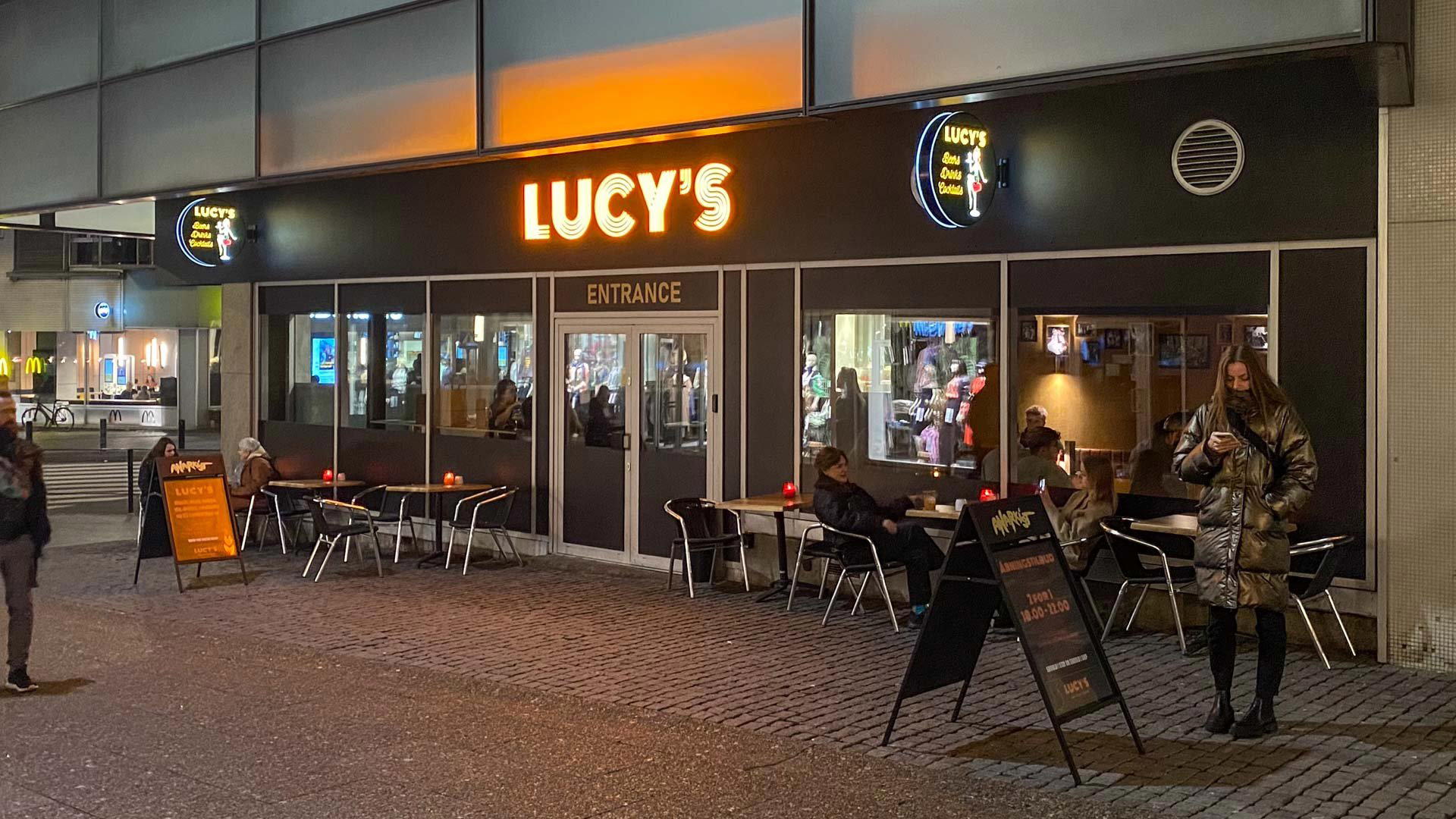
Hotels in Aarhus
Browse all →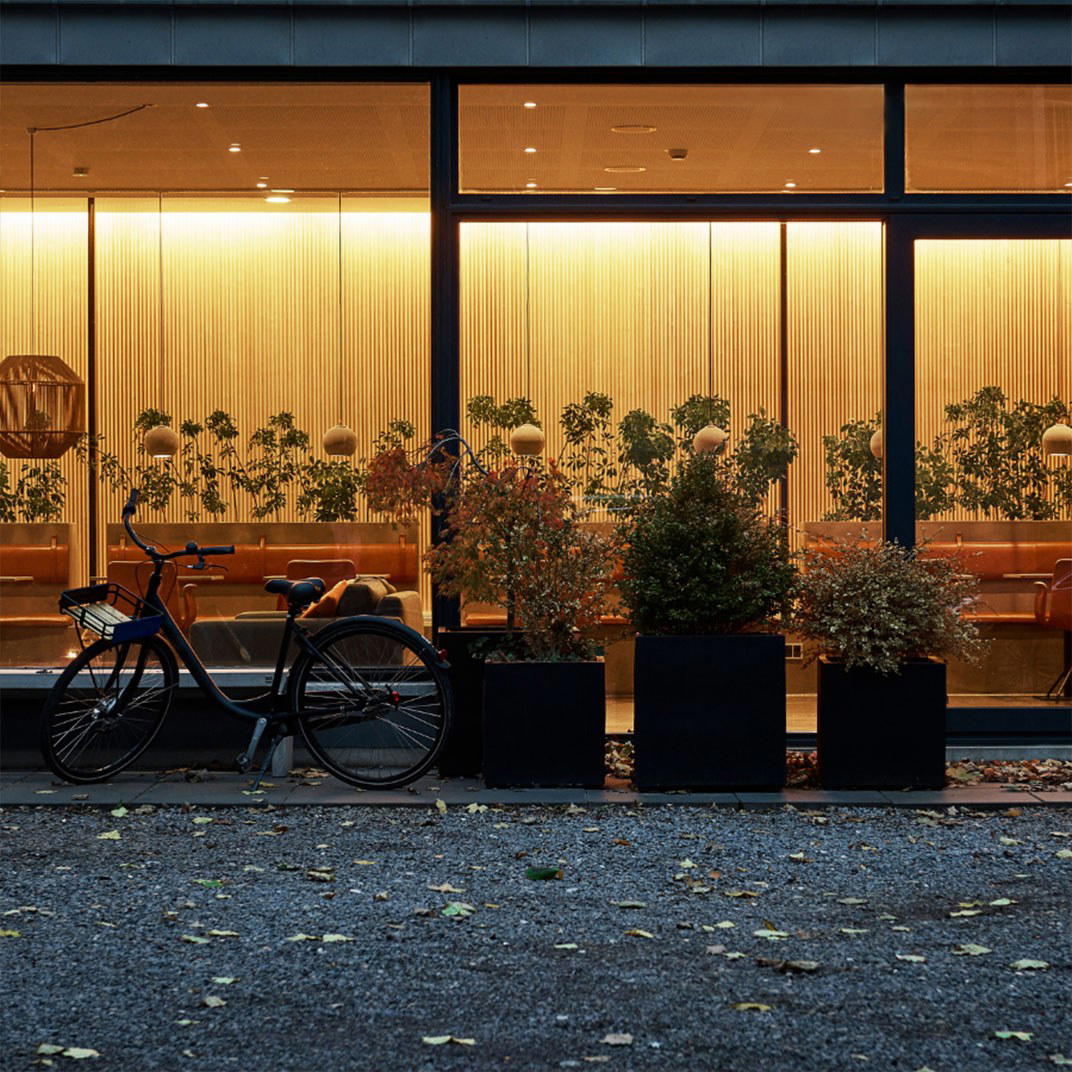
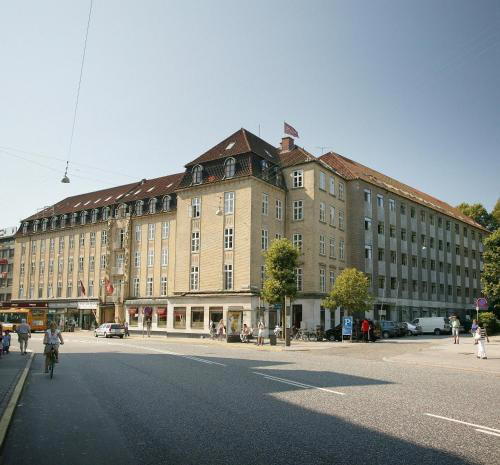
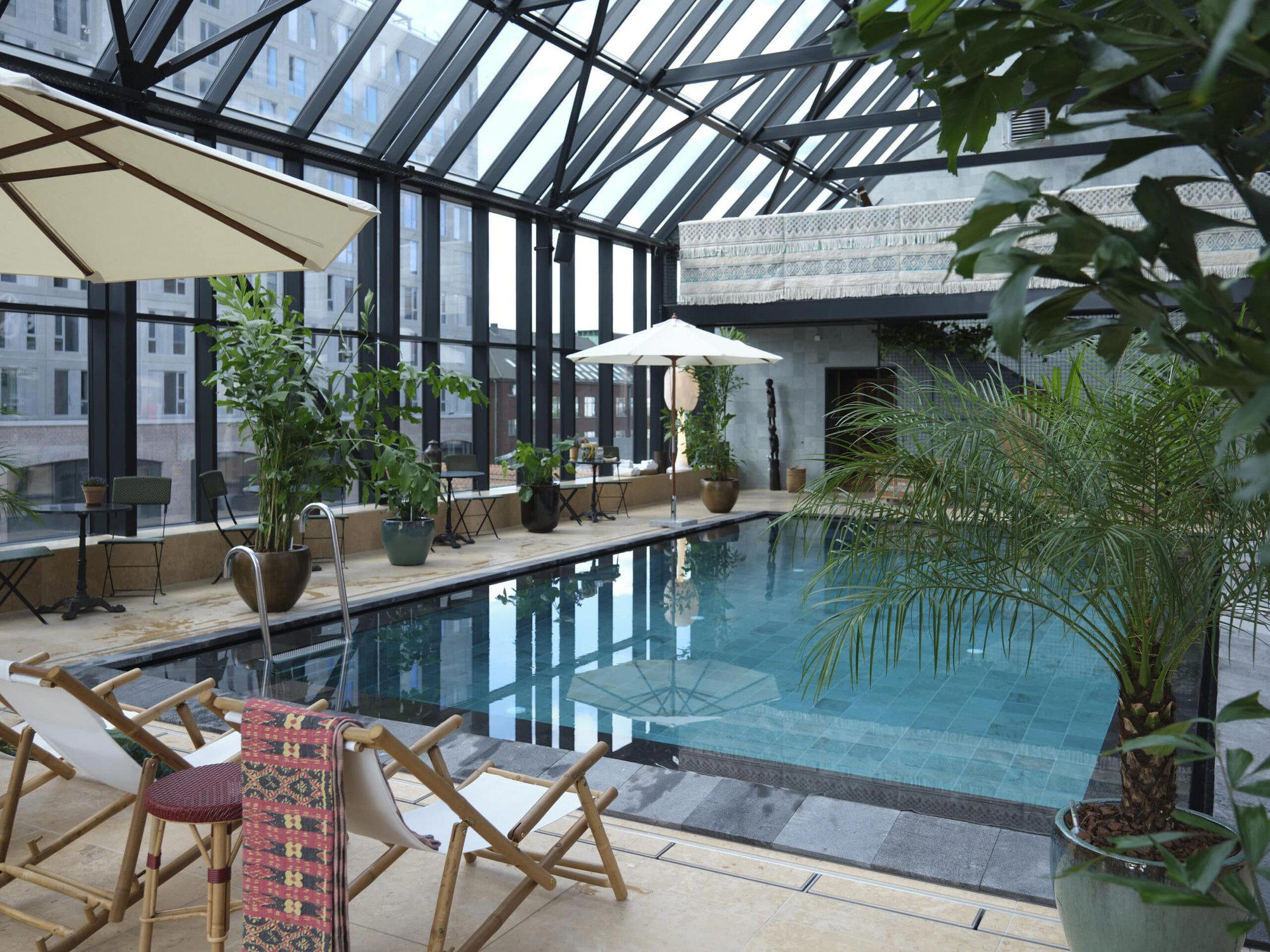
Wineries in Aarhus
Browse all →
At a Glance
- Cozy
- Intimate
- Casual Hangout
- Solo
- Open Kitchen
- Beer Program
Current opening hours
- Monday
- 12–9 PM
- Tuesday
- 12–9 PM
- Wednesday
- 12–9 PM
- Thursday
- 12–9 PM
- Friday
- 12–9 PM
- Saturday
- 12–9 PM
- Sunday
- 12–8 PM
Hours can change for holidays and private events. Last verified .
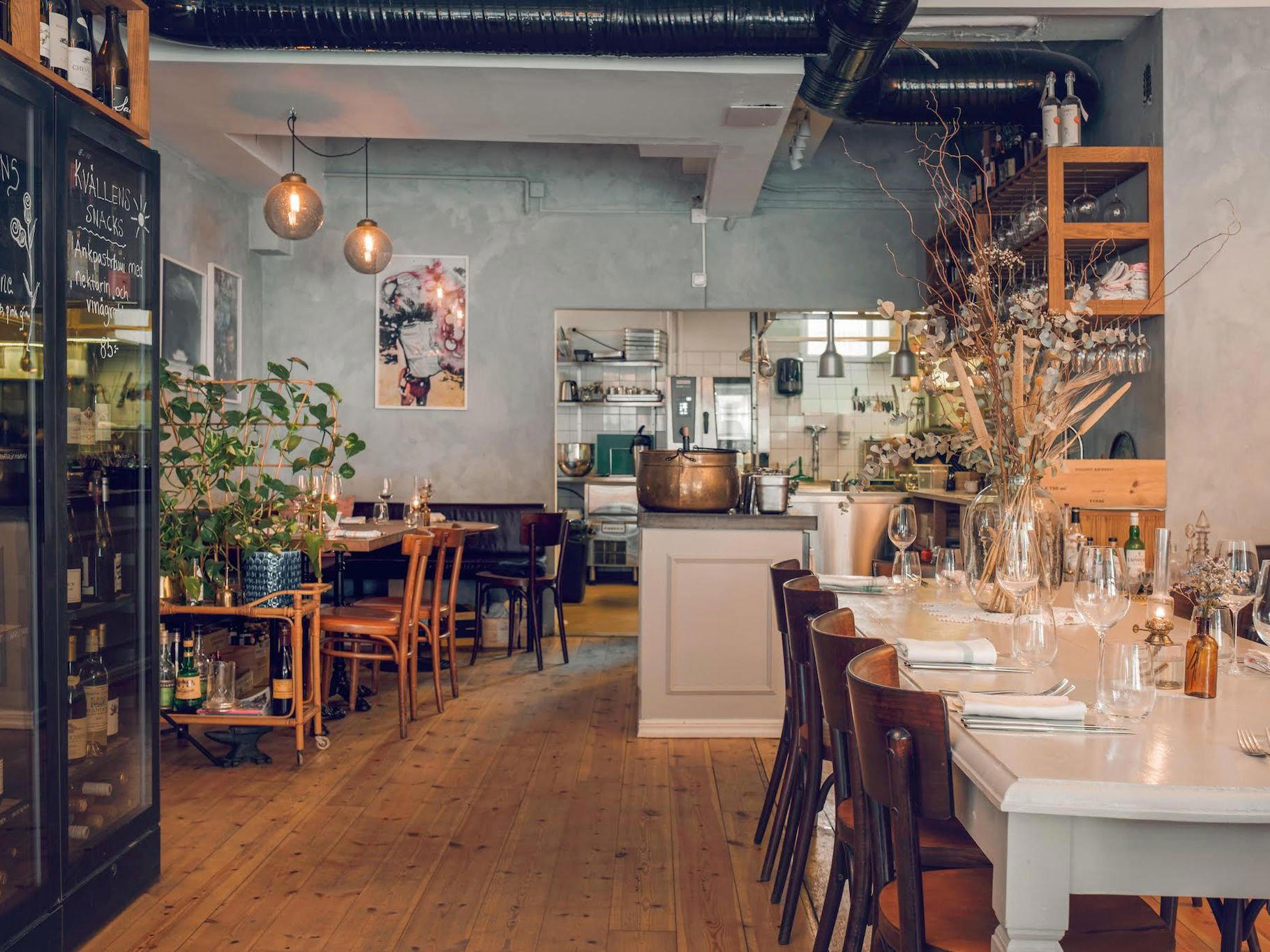
Cozy and intimate with warm lighting, open kitchen, and relaxed informal atmosphere.
Know Before You Go
- Getting there
- M. P. Bruuns Gade 42, K, 8000 Aarhus, Denmark