Brasserie Les Trois Rois


Michelin Plate
Our verdict
Among Basel's Classic French options, Brasserie Les Trois Rois sits at the mid-tier price point, €€€ against the €€€€ bracket occupied by Cheval Blanc and Stucki, while carrying consistent Michelin Plate recognition and an Opinionated About Dining Classical Europe ranking. Open six days for lunch and dinner, it represents the city's most accessible entry point into formally structured French brasserie cooking.

Pearl is the En Primeur Club membership app, where members save venues, book tables and use the concierge.
The menu
What to order
- Filet Rossini
- Sole meunière
- Beef tartare
A River Table and a Set of Expectations
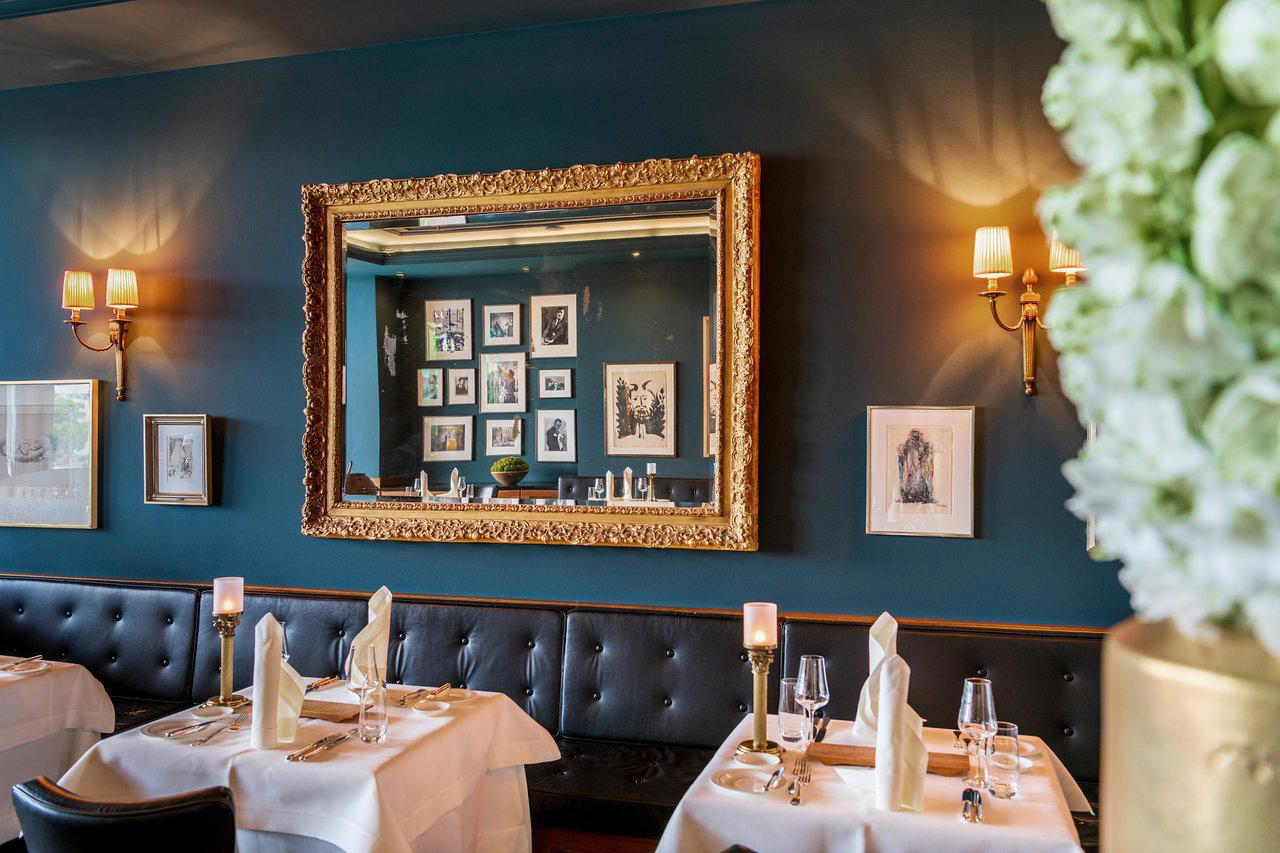
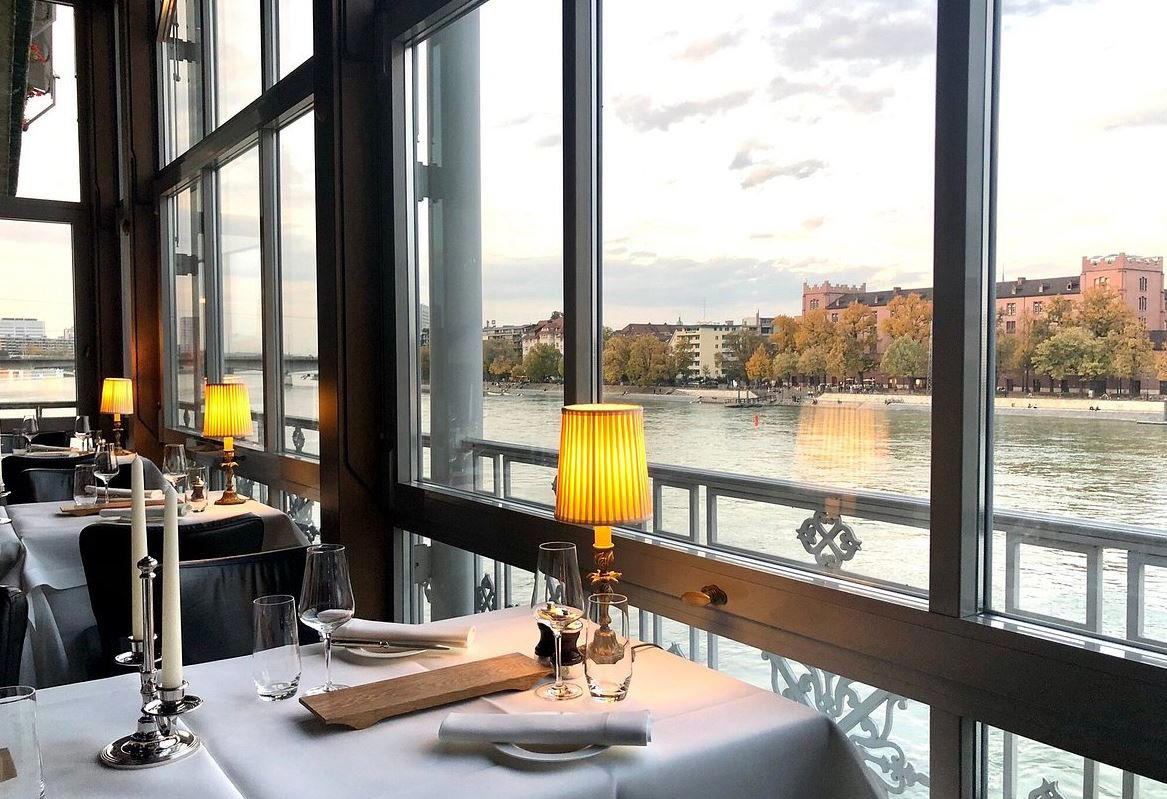
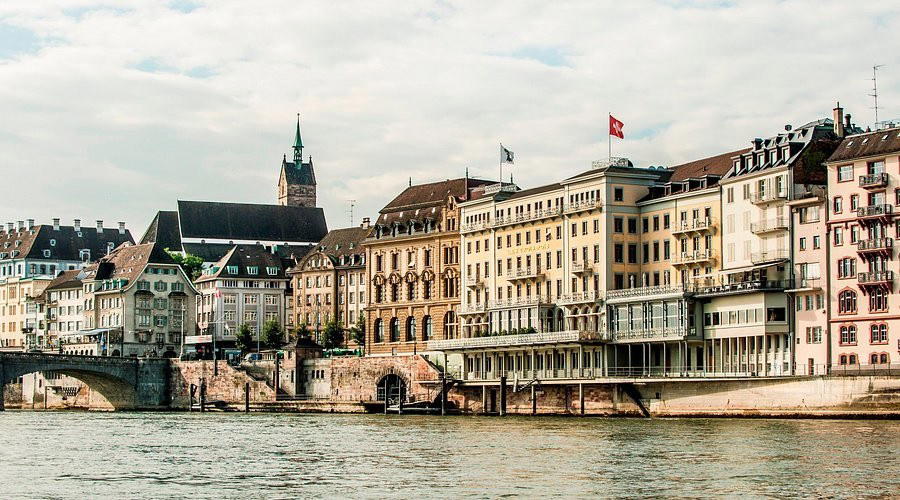
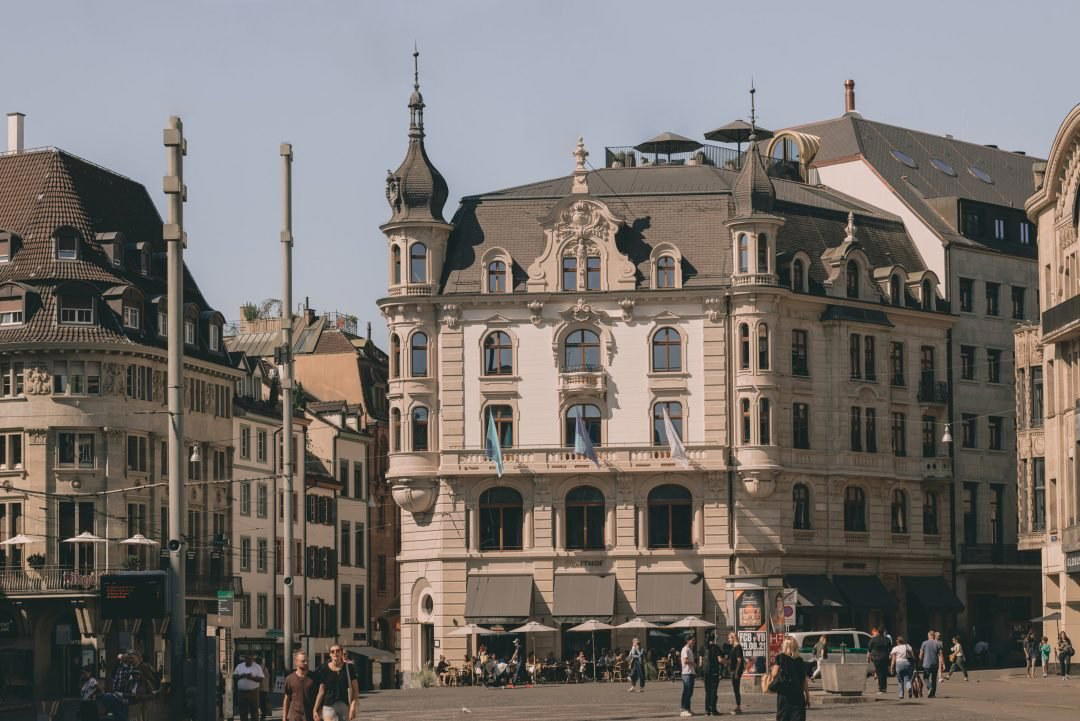
The Rhine-facing position of Brasserie Les Trois Rois places it inside one of Basel's most deliberate dining addresses. The hotel that houses it, Les Trois Rois, the Three Kings, has occupied the Blumenrain embankment since the eighteenth century, and the brasserie inherits that physical weight: high ceilings, a floor plan that reads as ceremonial, and a view of the river that sets the register before the menu arrives. Classic French brasseries in this format depend heavily on the room to do their persuading, and this one has the architecture to do it without forcing the point.
That physical gravity matters because it frames the wine conversation before a single bottle is mentioned. In formal French service traditions, the room and the cellar are designed to reinforce each other. The scale of the space signals that this is a program built for bottles rather than glasses, for a meal that runs two hours rather than ninety minutes, and for wine selections that presuppose the kind of food coming from the kitchen, classical technique, butter-and-stock construction, proteins handled with patience. Chef Urs Gschwend's kitchen operates in that register, and the wine list, in a room like this, is expected to hold the same line.
Where the Brasserie Sits in Basel's French Dining Structure
Basel carries more Classic French cooking than its size would predict, partly because of its geography, the city borders both France and Germany, and partly because its banking and art-fair economy sustains the kind of client base that fills formal French rooms. The hierarchy is clear enough: Cheval Blanc by Peter Knogl operates at the three-Michelin-star level with €€€€ pricing, setting the ceiling. Stucki - Tanja Grandits and roots occupy the two-star tier at the same price bracket. Ackermannshof adds a Mediterranean counterweight at €€€€. Below all of them, au violon handles Classic French at €€.
Brasserie Les Trois Rois prices at €€€, a deliberate middle position. It carries a Michelin Plate in both 2024 and 2025, which signals consistent kitchen quality without the tasting-menu ambition of the starred tier above it. That ranking is a useful calibration: OAD Classical Europe covers the kind of cooking that trained palates value for execution and tradition rather than novelty or conceptual reach.
The Wine Programme in a Brasserie Context
Classic French brasseries at the €€€ level in Switzerland occupy a specific wine position. They are expected to carry Burgundy and Bordeaux with enough depth to satisfy a professional wine traveler, but they price against the hotel dining room rather than the standalone fine-dining cellar. The Trois Rois hotel context gives the brasserie access to the kind of wine infrastructure, storage, sommelier staffing, allocated bottles, that a standalone brasserie at this price point would not normally sustain.
The French classical kitchen framework under Gschwend creates direct use cases for the cellar. Sauced proteins and classical preparations align with the aging potential of Burgundy's villages appellations; fish dishes cooked in the French tradition pair cleanly against white Burgundy or Alsatian Riesling from just across the border. The geographical proximity to Alsace is a structural advantage for a brasserie at this address: bottles that carry freight costs into most European restaurant lists arrive here with regional proximity built in, which creates both pricing and selection advantages in the white wine tier.
Switzerland's own wine production, largely the Valais, Vaud, and Geneva cantons for reds and whites, is increasingly present on serious Swiss restaurant lists. A brasserie operating in a formal hotel on the Rhine would be expected to carry domestic options alongside its French core, representing the kind of local-plus-classical balance that defines Swiss fine dining at mid-tier and above. For context on what the Swiss fine-dining wine conversation looks like at higher price points, see Schloss Schauenstein in Fürstenau, Memories in Bad Ragaz, and Hotel de Ville Crissier in Crissier.
The Practical Shape of a Visit
The brasserie opens for lunch and dinner Monday through Saturday (noon to 2 pm, then 6 to 11 pm), with Sunday reserved for dinner service only. That lunch availability six days a week is worth noting: formal French brasseries in Swiss hotel settings increasingly reduce or eliminate lunch to manage staffing costs, and the retention of a full mid-day service here reflects both the hotel's commitment to the format and the address's ability to draw a business lunch clientele from the adjacent financial district. The address at Blumenrain 8 puts the restaurant on the Rhine embankment, walkable from Basel's old town and the main rail station.
At €€€, a dinner with wine runs meaningfully below the starred tier without sacrificing the formal service or room quality that makes a long French meal coherent. For travelers routing through Basel from the Black Forest region, where Schwarzwaldstube and Restaurant Bareiss in Baiersbronn sit at the top of the Classic French tier, the brasserie functions as a well-calibrated Basel anchor rather than a compromise. For those extending into wider Switzerland, 7132 Silver in Vals, Colonnade in Lucerne, and Da Vittorio - St. Moritz map the country's broader fine-dining range.
For a fuller picture of where the brasserie sits within Basel's eating and drinking offer, see our full Basel restaurants guide, our full Basel bars guide, our full Basel hotels guide, our full Basel wineries guide, and our full Basel experiences guide.
Frequently asked questions
How much does it cost to eat at Brasserie Les Trois Rois?
Pricing at Brasserie Les Trois Rois is listed as €€€.
When can I go to Brasserie Les Trois Rois?
Hours at Brasserie Les Trois Rois: Hours: Monday 12–2 pm, 6–11 pm Tuesday 12–2 pm, 6–11 pm Wednesday 12–2 pm, 6–11 pm Thursday 12–2 pm, 6–11 pm Friday 12–2 pm, 6–11 pm Saturday 12–2 pm, 6–11 pm Sunday 6–11 pm.
How do I find Brasserie Les Trois Rois?
Brasserie Les Trois Rois is located at Blumenrain 8, 4051 Basel, Switzerland, Basel.
Just the Basics
| Venue | Cuisine | Price | Awards | Notes |
|---|---|---|---|---|
| Brasserie Les Trois RoisThis venue (the venue you are viewing) | Swiss-French Brasserie | $100–150 | Michelin Plate | Not listed |
| roots | Modern Vegetable-Centric European | $200–300 | 2 Michelin Stars · La Liste Top Restaurants | Flemish, Vegetarian, Modern Cuisine |
| Stucki - Tanja Grandits | Modern European Aroma Cuisine | $150–200 | 2 Michelin Stars · La Liste Top Restaurants | Contemporary French, Creative |
| Cheval Blanc by Peter Knogl | French Haute Cuisine with Mediterranean and Asian Influences | $200–300 | 3 Michelin Stars · La Liste Top Restaurants | Classic French |
| au violon | Classic French Brasserie | Not listed | Michelin Bib Gourmand | Classic French |
| Ackermannshof | Modern Mediterranean | Not listed | 1 Michelin Star | Mediterranean Cuisine |
Recognition history
Dated appearances from independent guides and award organizations, with the underlying list record or original source where available.
Michelin Plate
Michelin
Opinionated About Dining Casual in Europe Recommended
Opinionated About Dining
Full recognition history (4 entries)
Opinionated About Dining Classical in Europe Ranked #403
Opinionated About Dining
Michelin Plate
Michelin
Continue exploring
More in Basel
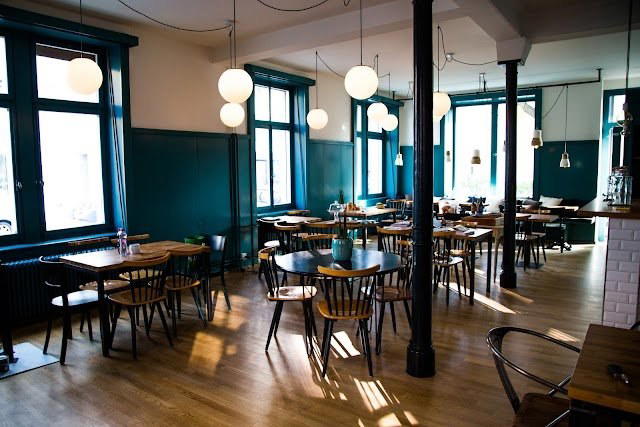
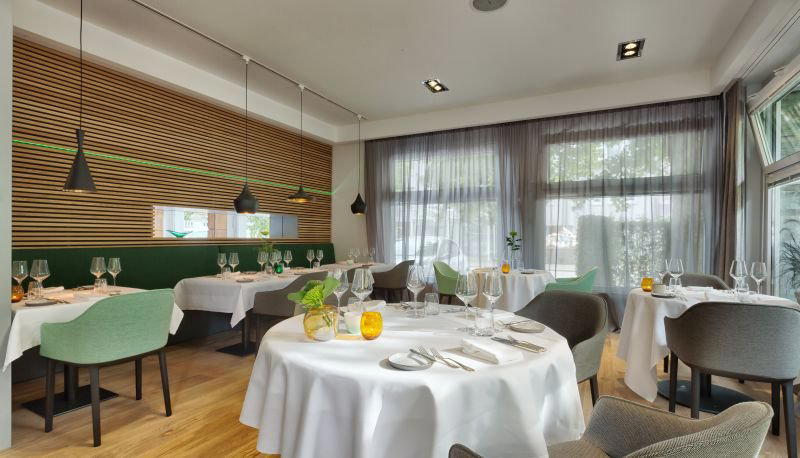
Restaurants in Basel
All restaurants in Basel →
Bars in Basel
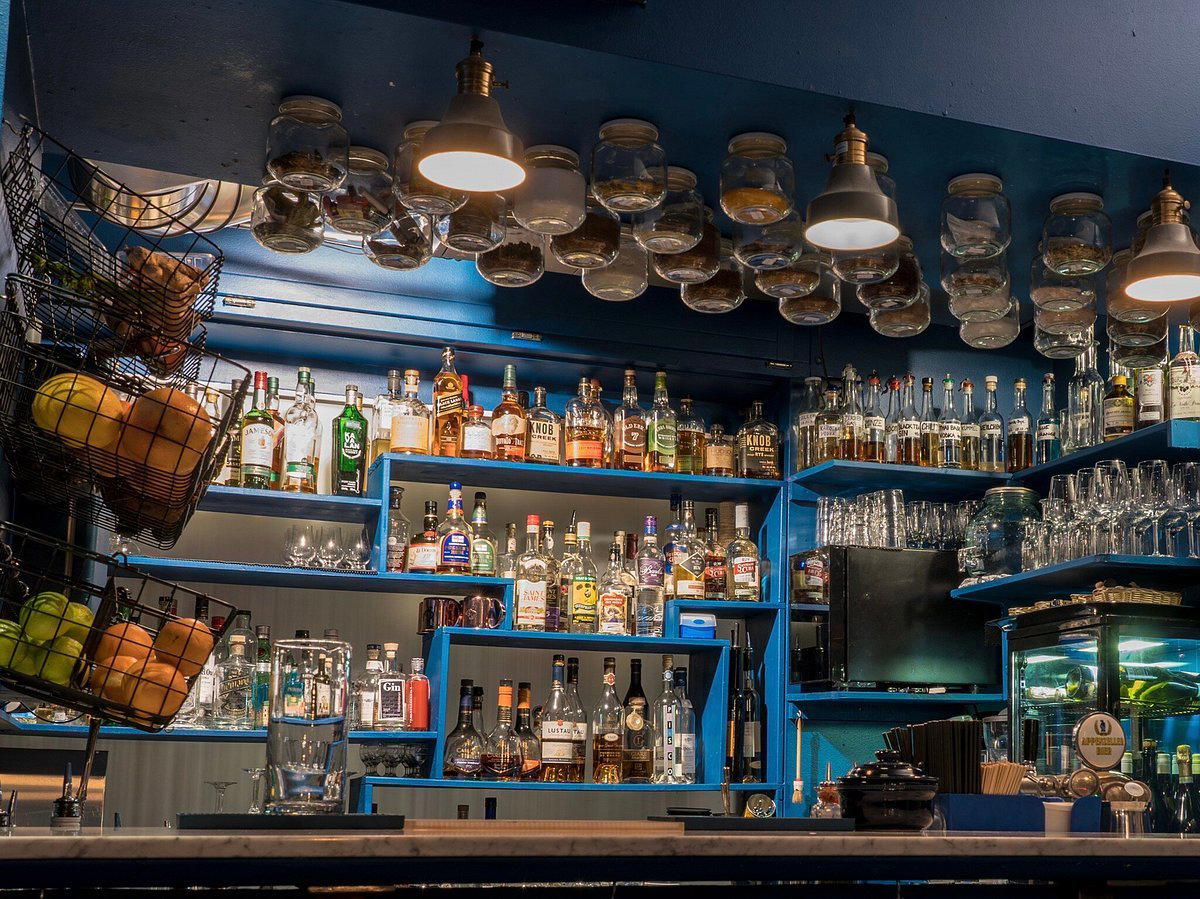
All bars in Basel →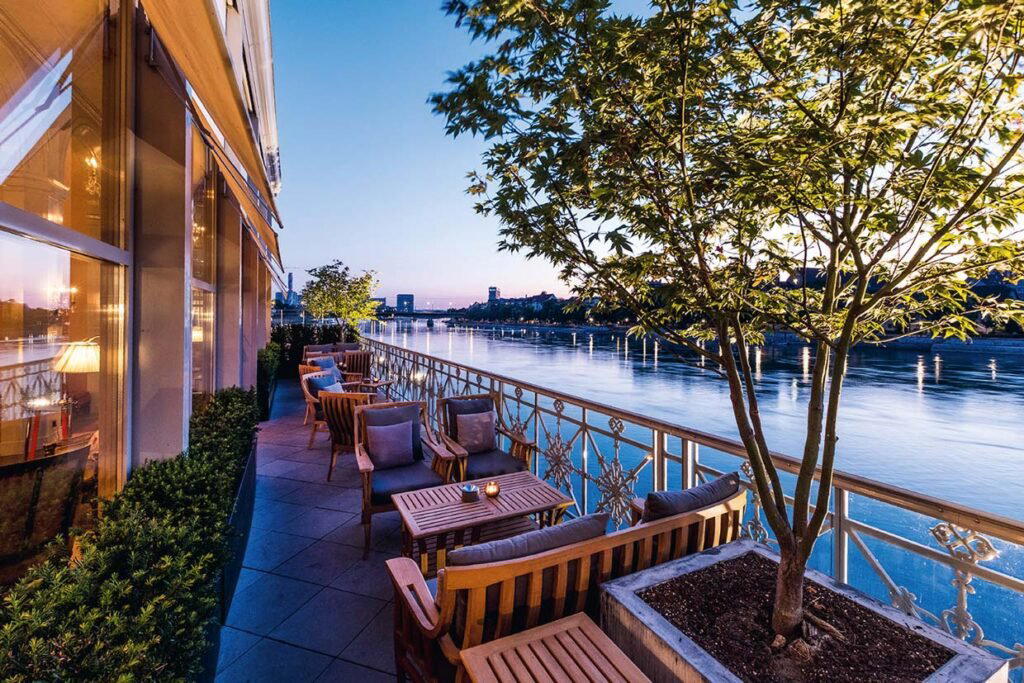

Brasserie Les Trois Rois
The wine
- Wine program
- Deep wine list
- Extensive wine list
- Sommelier-led
Details
- Elegant
- Romantic
- Sophisticated
- Classic
- Well Known
- Date Night
- Special Occasion
- Business Dinner
- Family
- Waterfront
- Hotel Restaurant
- Historic Building
- Extensive Wine List
- Sommelier Led
- Local Sourcing
- Waterfront
- A La Carte
- Wine
- Vegetarian Friendly
- Vegan Options
- Gluten Free Options
Current opening hours
- Monday
- 12–2 PM, 6–11 PM
- Tuesday
- 12–2 PM, 6–11 PM
- Wednesday
- 12–2 PM, 6–11 PM
- Thursday
- 12–2 PM, 6–11 PM
- Friday
- 12–2 PM, 6–11 PM
- Saturday
- 12–2 PM, 6–11 PM
- Sunday
- 6–11 PM
Hours can change for holidays and private events. Hours as of .
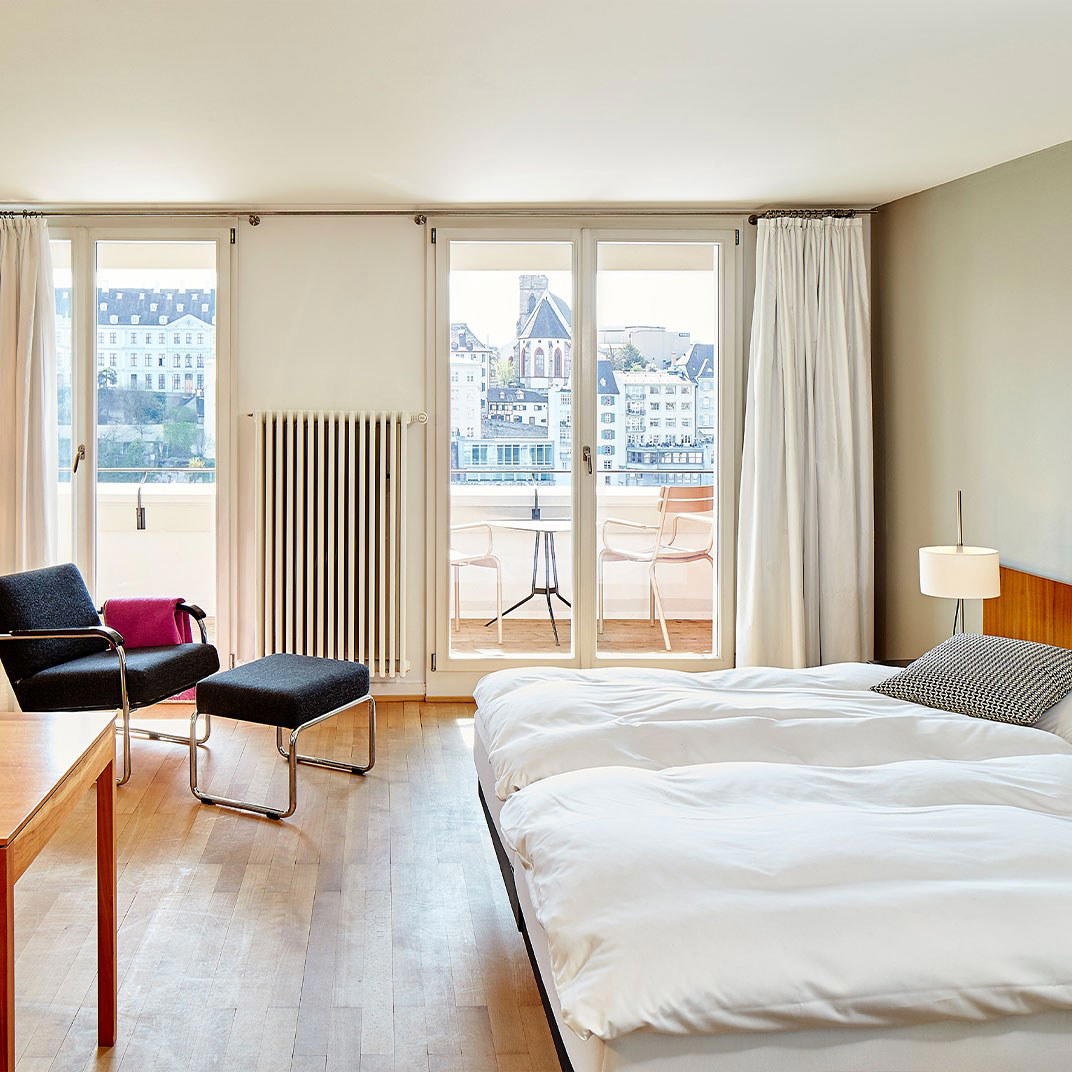
Stylish and refined atmosphere with elegant decor, Rhine views, and warm, attentive service.