Our verdict
A waterfront cafe in Borneo, Tanjung Ria sits within a dining scene defined by coastal geography and multicultural Malaysian cooking traditions. The surrounding area draws on Sabahan and broader Bornean influences, placing it in a category of destination-casual spots where location does significant editorial work. Travellers passing through should weigh it against Borneo's broader cafe circuit before committing a meal.

Pearl is the En Primeur Club membership app — saves, bookings, and concierge access live there. Same editors, same standards.
- Address
- Borneo, Malaysia
- Directions
- Get directions
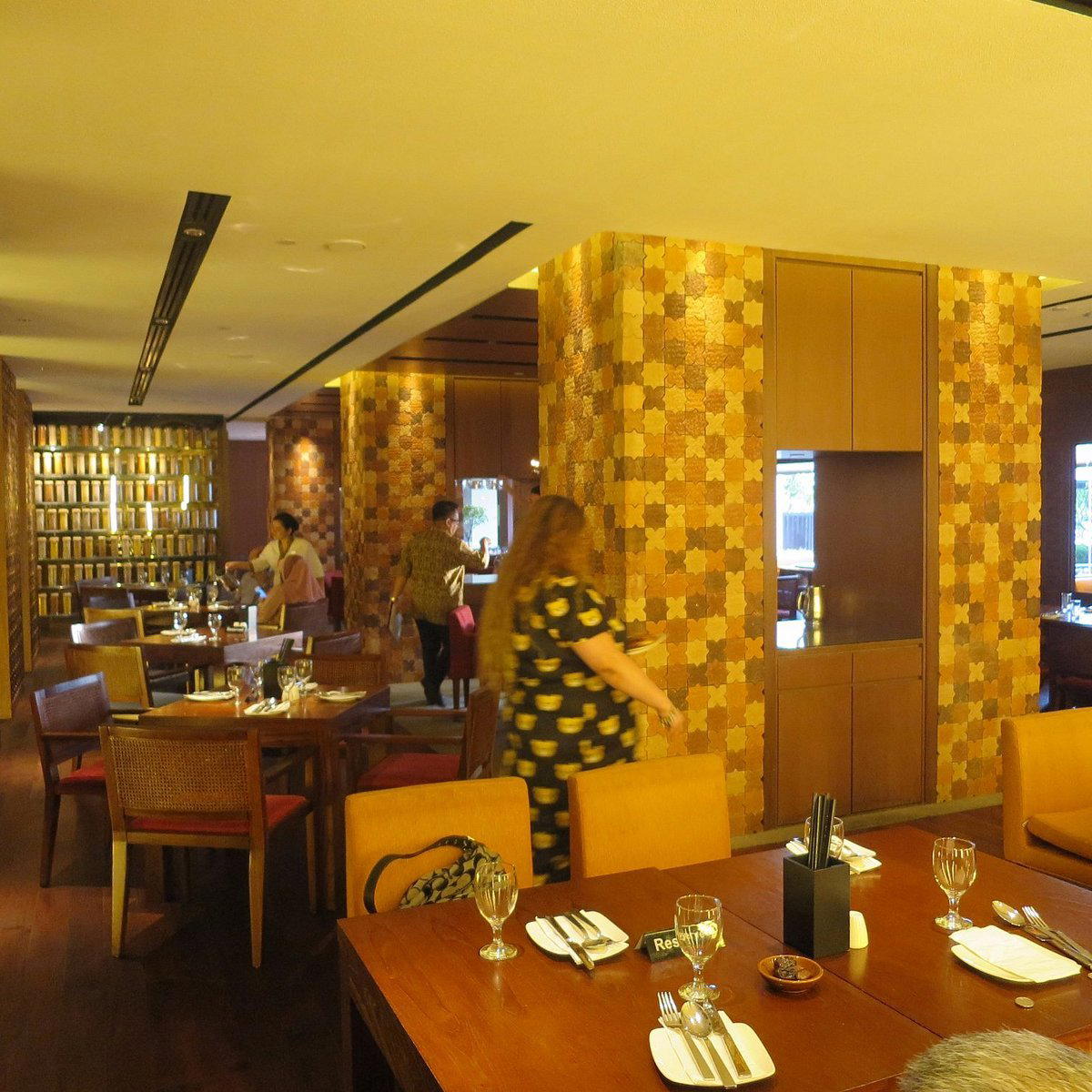
The menu
What to order
- Oxtail Assam Pedas
- Cheese Naan
Where the Coast Does the Heavy Lifting
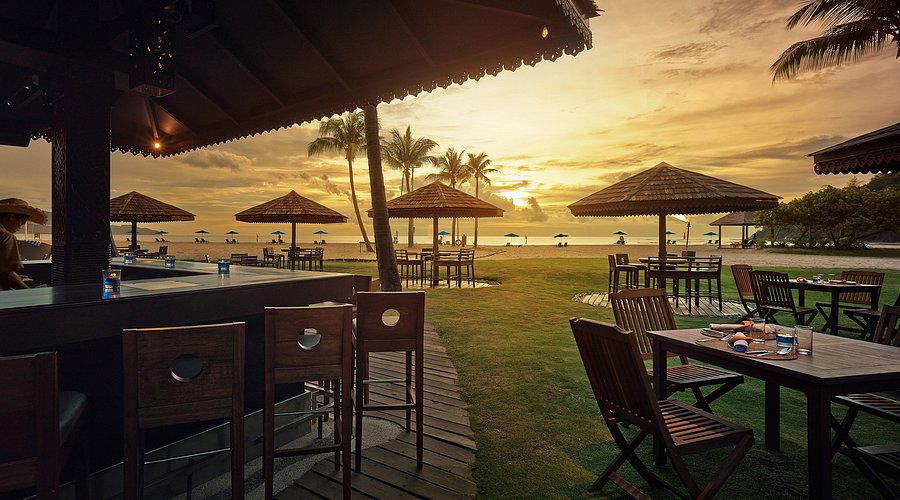
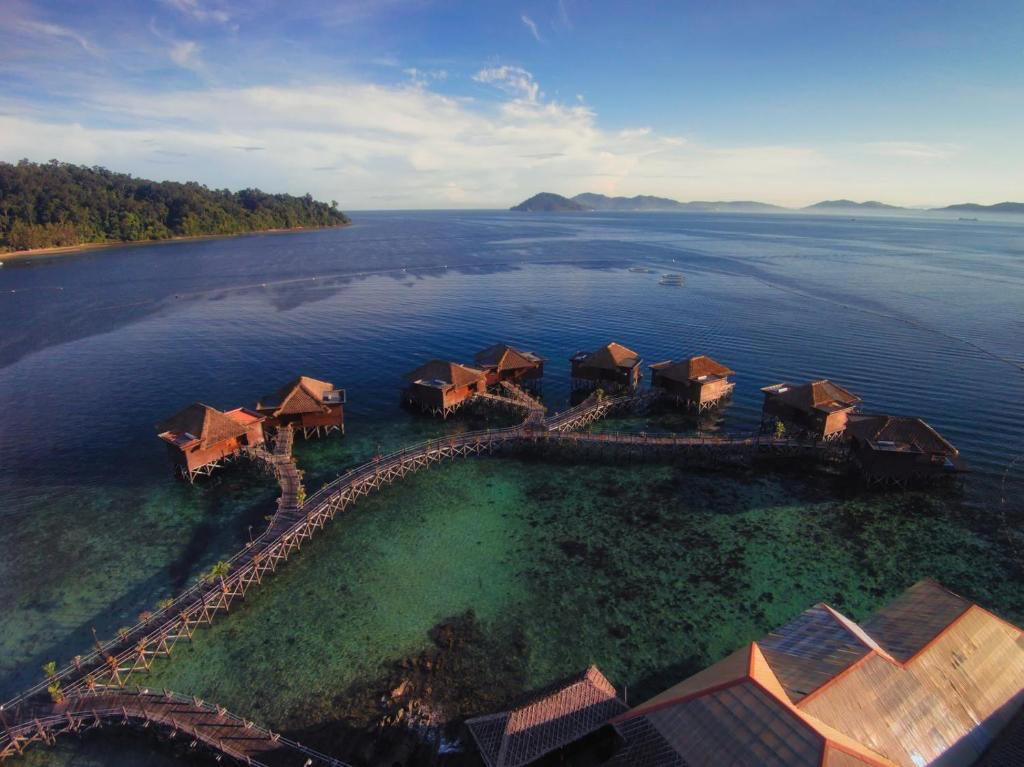
Borneo's cafe culture operates on a different register than peninsular Malaysia. The island's coastline and river systems have historically shaped how communities eat, and the cafes that sit closest to the water tend to carry that geography into their offer, whether through seafood-forward menus, open-air formats, or a pace of service that matches the tidal rhythm outside. Tanjung Ria Cafe sits inside that tradition, a waterfront-oriented establishment in a part of the world where the setting is rarely incidental to the meal.
For readers mapping Borneo's dining options, the context matters. Sabah, the Malaysian state occupying the island's northeast shoulder, has a cafe and kopitiam culture that runs parallel to, but distinct from, Penang or Kuala Lumpur. Dishes draw on Kadazan-Dusun and Bajau culinary roots, Chinese immigrant cooking, and the kind of seafood availability that comes from direct coastal access. When a cafe carries a name like Tanjung Ria, which translates loosely from Malay as a headland or promontory, the geographic framing is rarely accidental. It signals orientation toward water, and the dining associations that follow. See our full Borneo restaurants guide for a broader map of the island's eating options.
Borneo's Casual Dining Tier, Placed in Frame
Malaysia's restaurant scene has sharpened considerably in the past decade at its upper end. Dewakan in Kuala Lumpur has made a credible case for fine dining rooted in local ingredients, while Penang's old-school eateries, including Auntie Gaik Lean's Old School Eatery in George Town, have earned international editorial attention for their fidelity to historic recipes. The hawker circuit in Penang, covered through spots like Air Itam Asam Laksa, Chong Char Koay Teow, and 888 Hokkien Mee, represents a different register entirely: technically demanding, historically rooted, and priced for daily use.
Tanjung Ria Cafe operates in the casual, destination-accessible tier of Borneo's food options. That tier is not a lesser category, it is simply a different one. In coastal Sabah, the cafes that catch consistent traveller attention tend to combine geographic access with a menu that reflects local supply chains. The operative question for any cafe in this bracket is whether the location and the food justify the trip, or whether the location alone is doing all the work. Both are defensible propositions, depending on what a traveller is after.
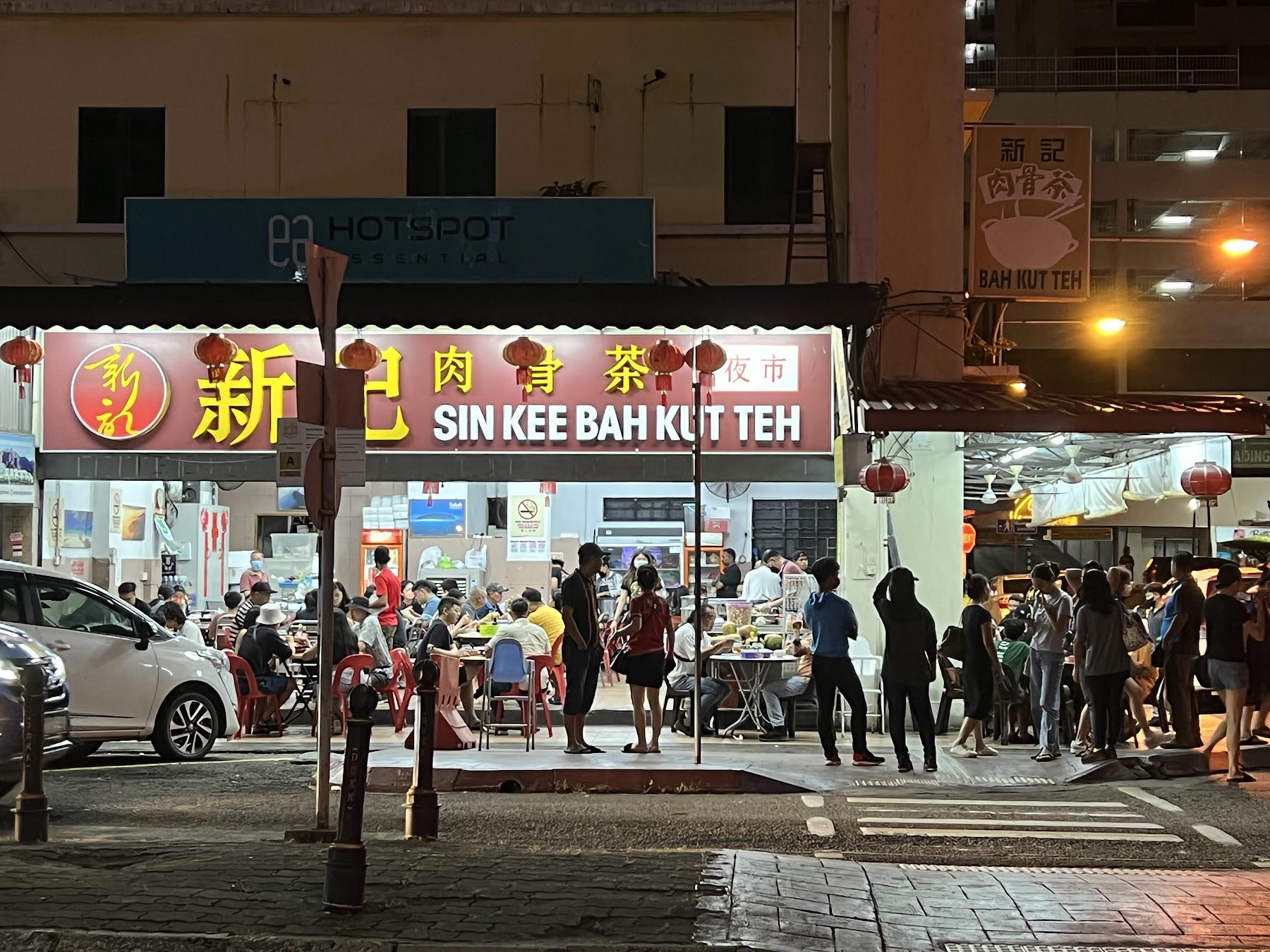
For comparison, Borneo's bah kut teh houses, including Da De Bah Kut Teh, Fatt Kee Restaurant, and Sin Kee Bah Kut Teh, represent a more narrowly defined culinary proposition: a single-dish or single-style format with deep regional roots, where regulars return for specific preparations. A cafe like Tanjung Ria typically offers a broader menu and a more varied reason to visit, making it a different kind of stop on a Borneo itinerary.
The Sabahan Cafe as Format
Understanding what a Sabahan coastal cafe is, as a format, helps calibrate expectations. These are not the sleek, specialty-coffee-driven spaces now proliferating in Kota Kinabalu's newer commercial zones. They are, generally, open-sided or semi-open establishments where the breeze from the water is considered part of the amenity, where cooking often draws on the day's catch or whatever arrives from local markets, and where the experience is shaped as much by time of day as by menu selection. Morning visits at such establishments often yield a different meal and a different atmosphere than evening service.
This temporal dimension is worth noting for trip planning. Waterfront cafes in Sabah often attract a morning crowd seeking coffee and lighter local dishes, then shift toward a lunch format heavy on rice, fish, and vegetables. Evening operation, where it exists, often comes with longer waits and a more social atmosphere as local families and travellers converge around the same limited number of outdoor tables.
Vegetarian Options and Dietary Considerations in Borneo
Borneo's cafe culture is predominantly non-vegetarian in its defaults. Seafood, pork, and chicken appear across most menus, and the concept of a clearly labelled vegetarian section is less standardised here than in Kuala Lumpur or in vegetarian-specialist spots like Jia Yi Dao Vegetarian Restaurant in Taiping. That said, Malaysian Chinese cafes and mixed-format establishments often carry rice and vegetable dishes that are incidentally plant-based, and Malay-influenced menus may offer tofu or egg preparations suitable for vegetarians.
Where It Fits Against a Broader Malaysian Trip
If a trip through Malaysia includes stops at more formally recognised dining destinations, Tanjung Ria Cafe reads as a casual counterpoint rather than a headline act. The contrast is instructive. At the high-engagement end of Malaysian dining, places like Haidilao in Malacca or DIN by Din Tai Fung in Sepang offer predictable international formats with controlled service standards. A Sabahan waterfront cafe operates on local terms, where the setting, the informality, and the specific regional cooking define the value proposition. Neither is superior as a category; they answer different questions about what a meal should do.
For travellers who have also visited venues like Kopi Ping Cafe in Tuaran, the Borneo casual dining circuit starts to form a coherent picture: geographically anchored, locally supplied, and priced for the communities they serve before they serve visitors. Tanjung Ria Cafe reads as one point on that circuit.
Planning a Visit
For visitors to Sabah specifically, the most reliable approach is to ask locally in Kota Kinabalu or at your accommodation, where staff familiar with the coastal cafe circuit can confirm current hours and access. Waterfront cafes in Borneo can shift their operating patterns seasonally, and the northeast monsoon between October and February affects both conditions and footfall at open-air establishments on the east and north coasts. Visiting between March and September generally offers more stable weather and a more consistent experience at outdoor venues of this type.
Frequently asked questions
How does Tanjung Ria Cafe fit into Borneo's broader food scene compared to established Malaysian dining destinations?
Tanjung Ria Cafe sits in a different category from formally recognised Malaysian restaurants such as Dewakan in Kuala Lumpur, which holds Michelin recognition. In Borneo, the food scene is shaped more by coastal geography and ethnic diversity — Kadazan-Dusun, Chinese, and Malay influences converge in Sabahan cooking — than by fine dining infrastructure. Tanjung Ria Cafe reads as a casual, regionally grounded option in that context, not a competitor to award-holding venues.
What should I order at Tanjung Ria Cafe?
Sabahan coastal cafes of this type anchor their menus around locally sourced seafood, alongside chicken and pork preparations drawn from the region's Chinese-Malay culinary tradition. Given Tanjung Ria Cafe's position in Borneo, expect fish and shellfish sourced from nearby coastal or river systems to be the functional centre of the menu.
Do I need a reservation for Tanjung Ria Cafe?
Walk-in appears to be the standard format for this category of Sabahan cafe. Arriving outside peak meal hours reduces wait times at venues of this type.
What's the standout thing about Tanjung Ria Cafe?
Tanjung Ria Cafe operates within the Sabahan coastal cafe format, where the setting and the proximity to local ingredient sources do more work than formal kitchen credentials. Borneo's coastline and river networks historically determine what ends up on the plate, and that regional specificity is what separates a cafe like this from generic Malaysian chain dining. It functions as a grounded, place-specific meal rather than a destination dining statement.
Is Tanjung Ria Cafe good for vegetarians?
Borneo's cafe culture defaults to seafood, pork, and chicken across most menus, and Sabahan coastal cafes follow that pattern. Visitors with strict dietary requirements should clarify options directly with the venue.
Does Tanjung Ria Cafe justify its prices?
Sabahan coastal cafes in Borneo broadly sit at the accessible end of Malaysia's dining tier, well below the price points of Kuala Lumpur destination restaurants. Value judgement here depends on what the visitor is benchmarking against, but the format is not one that typically carries a premium pricing structure.
What's the best season to visit Tanjung Ria Cafe?
Sabah's east coast experiences its driest and most settled weather between April and September, which is generally when coastal dining in the region is most comfortable. The northeast monsoon between November and February can bring heavier rainfall and rougher coastal conditions to parts of Borneo.
Just the Basics
| Venue | Cuisine | Price |
|---|---|---|
| Tanjung Ria CafeThis venue — the venue you are viewing | Malaysian Buffet with International Flavors | $20–30 |
| Da De Bah Kut Teh | Traditional Bak Kut Teh | $1–10 |
| Fatt Kee Restaurant | Chinese Seafood Noodles | $1–10 |
| Sin Kee Bah Kut Teh | Traditional Chinese Bak Kut Teh | $10–20 |

Details
- Lively
- Modern
- Family
- Group Dining
- Casual Hangout
- Open Kitchen
- Buffet
- A La Carte
- Halal
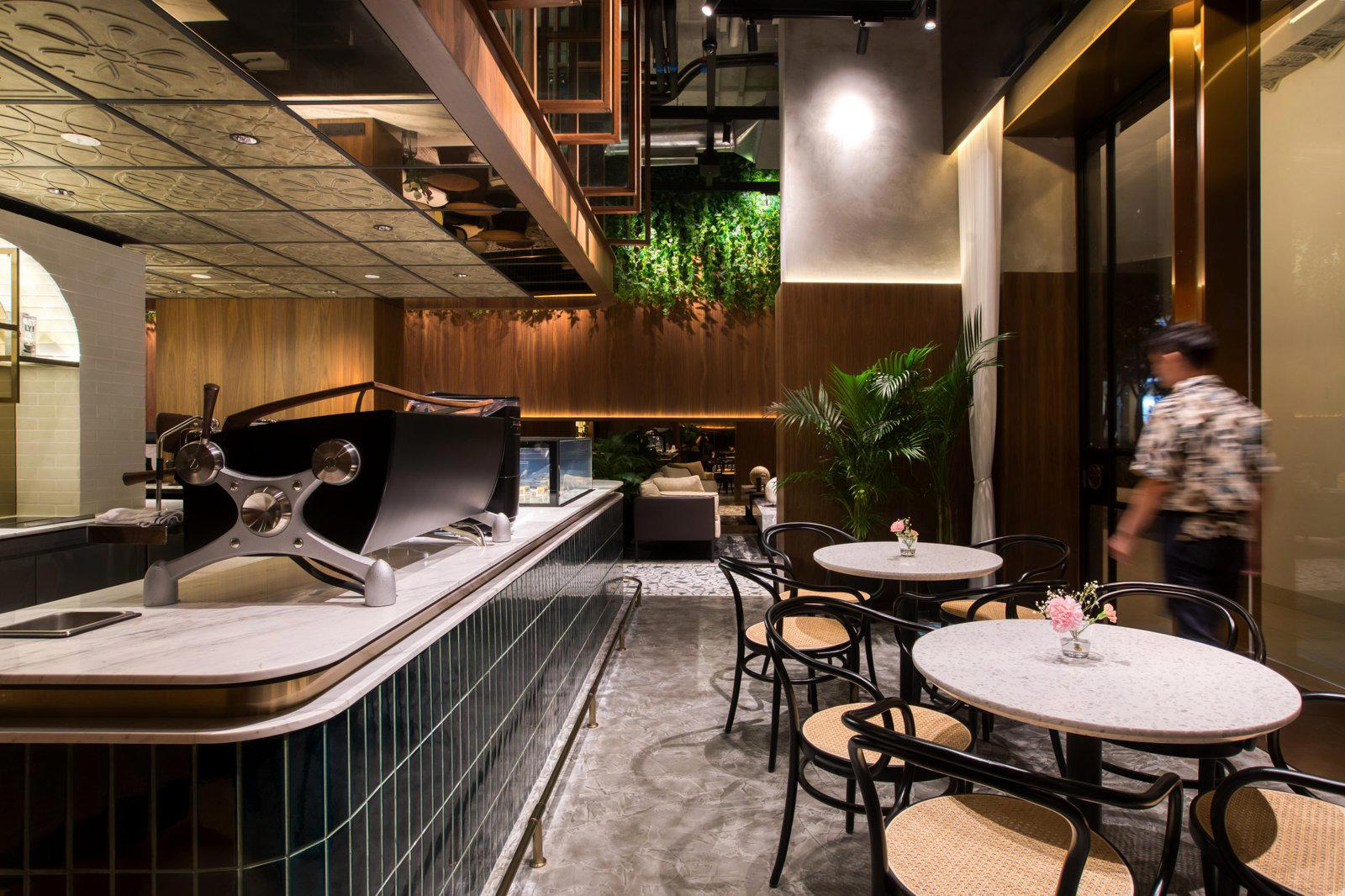
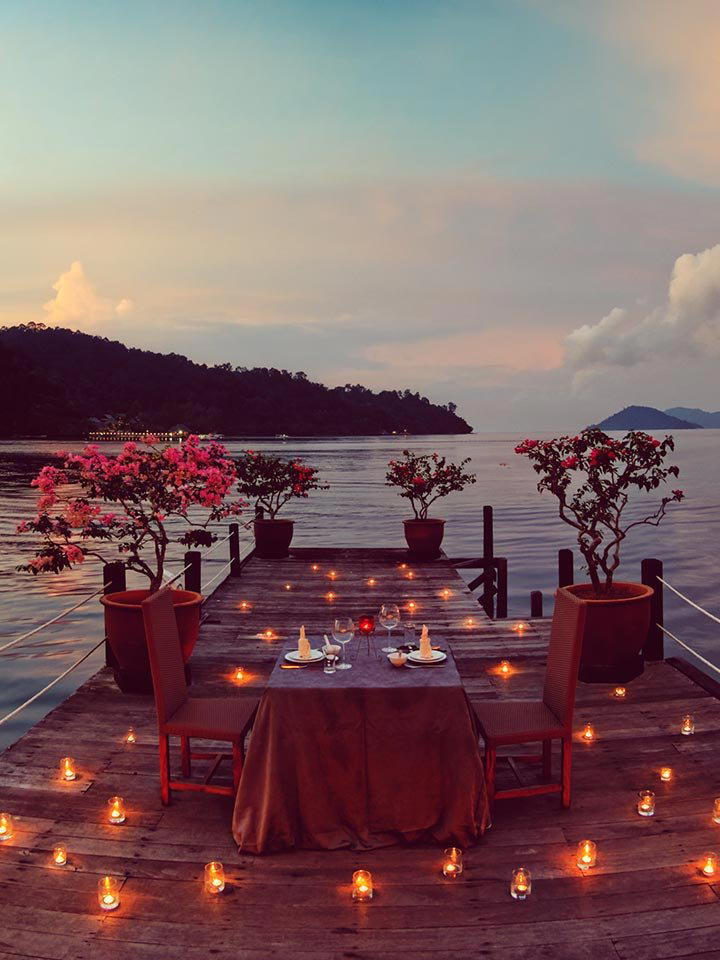
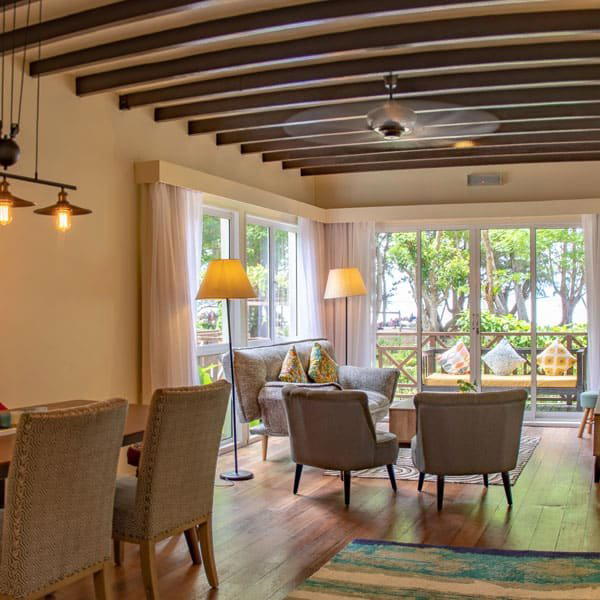
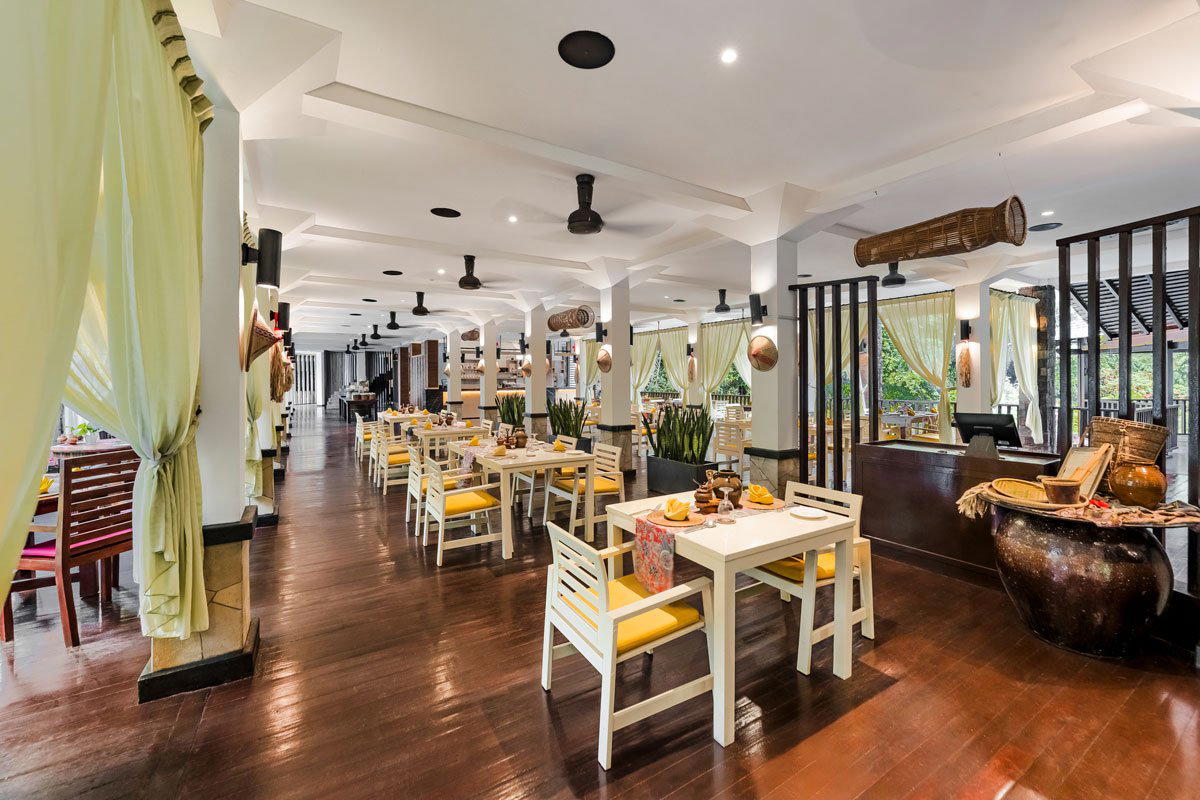
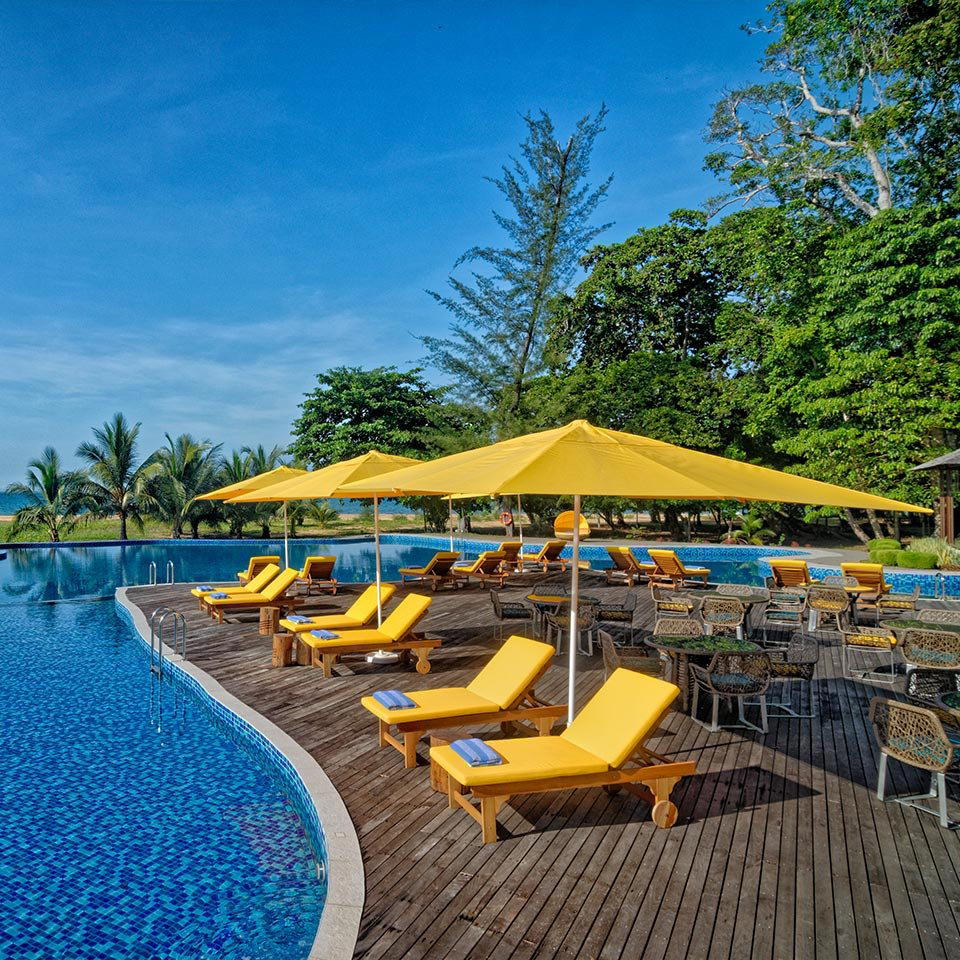
Warm and lively atmosphere in a modern contemporary setting with live cooking stations and light entertainment.