Tandoori Mahal
Our verdict
Tandoori Mahal on 2nd Street places Indian tandoor cooking inside San Francisco's SoMa corridor, where the lunch and dinner divide tells two distinct stories. Midday service draws the neighborhood's working crowd toward faster, value-forward plates, while evenings shift the room toward unhurried dining and the fuller range of the clay-oven repertoire. For the city's Indian dining scene, it occupies a mid-tier position worth understanding before you book.

Pearl is the En Primeur Club membership app, where members save venues, book tables and use the concierge.
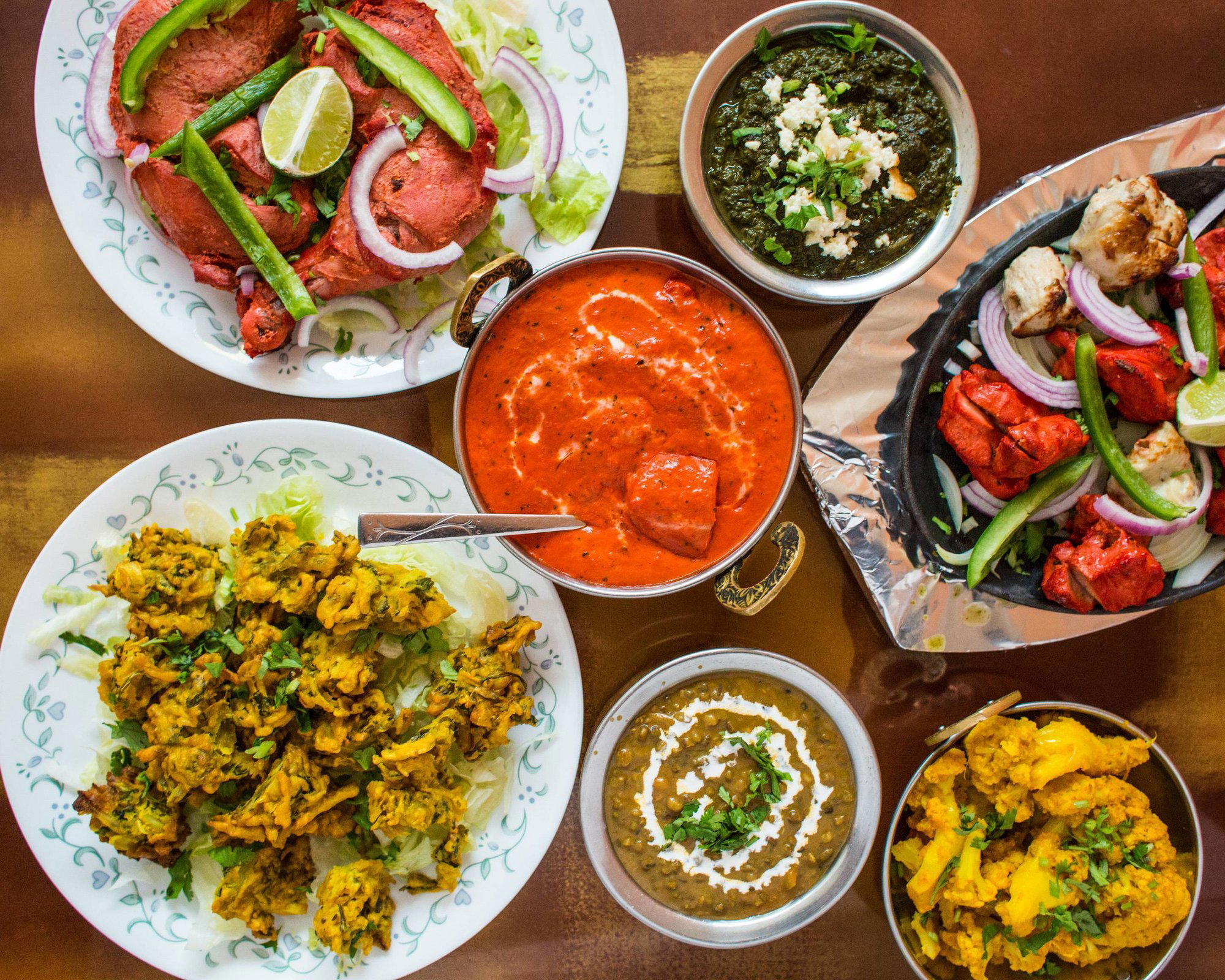
The menu
What to order
- Chicken Tikka Masala
- Chicken Biryani
- Spicy Lamb Curry
- Paneer Tikka
- Samosas
SoMa's Indian Counter and the City's Tandoor Tradition
San Francisco's Indian dining scene has never clustered the way it does in some American cities. There is no single corridor where tandoor smoke drifts from a dozen storefronts. Instead, the city's Indian restaurants scatter across neighborhoods, each drawing a slightly different crowd depending on proximity to tech offices, residential density, or transit lines. Tandoori Mahal, at 123 2nd Street in SoMa, sits inside that dispersed pattern, positioned in a part of the city that fills at lunch with office workers and empties somewhat in the early evening before refilling with a slower, more deliberate dinner crowd. That geographic and demographic reality shapes the restaurant's two distinct personalities across the day.
SoMa has a dining identity shaped more by convenience and density than by any particular culinary tradition. The neighborhood's lunch trade is competitive, with fast-casual formats and quick counters pulling from the same midday pool. For an Indian restaurant operating here, the noon hour carries different expectations than it does for, say, the tasting-menu houses that define San Francisco's higher-visibility dining conversation. Those rooms, such as Lazy Bear, Atelier Crenn, and Benu, operate exclusively in the evening and carry price points well above $200 per person. Tandoori Mahal occupies a different tier entirely, one where the practical rhythm of the day matters as much as what arrives on the plate.
The Lunch Proposition: Speed, Value, and the Clay Oven at Midday
Across Indian dining in the United States, the lunch hour has traditionally been the proving ground for tandoor cooking. The clay oven runs hot from mid-morning, and by noon the breads, marinated proteins, and lentil-based sides are at the peak of their output cycle. Lunch specials at Indian restaurants in American cities have historically offered a practical window into a kitchen's range: a thali or a set combination plate that lets a diner sample the kitchen's tandoor work, its curry bases, and its bread program in a single sitting at a price that sits well below the dinner menu.
SoMa's office density means lunch at Tandoori Mahal draws from a pool of diners with limited time and a preference for predictable value. In this context, the tandoor format has an inherent advantage: proteins marinated overnight and cooked at high temperature produce results quickly without sacrificing depth of flavor. The lunch service in this kind of venue typically compresses the menu into its most efficient expressions, where the kitchen's core skills are most visible in a shorter window.
For comparison, Indian restaurants in cities like New York (see the broader dining conversation around Le Bernardin's neighborhood) or Chicago (where Alinea defines the city's upper tier but leaves considerable room beneath it) have found that a strong lunch program often sustains the restaurant financially while evening service builds reputation. The pattern holds in San Francisco, where venues like Quince and Saison have no lunch service at all, concentrating their effort entirely on dinner. For a mid-tier Indian restaurant in SoMa, that calculus runs in the opposite direction.
Evening Service: A Different Room, A Fuller Menu
Dinner at a tandoor-forward Indian restaurant carries different expectations than lunch. The pace slows, tables hold longer, and the menu opens up to dishes that require more preparation time or that benefit from a slower, more attentive kitchen rhythm. Kebab formats that work well under lunch-hour pressure translate into evening service without friction, but it is in the breadth of the curry program and the patience the kitchen can extend to each order that dinner separates itself.
SoMa's evening crowd skews away from the pure convenience diner. Residents, visitors staying in the neighborhood's hotels, and diners who have specifically sought out the address are more likely to be sitting at dinner than colleagues grabbing a quick plate at noon. This audience tends to read a menu more carefully, and a restaurant's range becomes more visible. The evening at venues like Tandoori Mahal is also when the fuller bread program, slower-cooked preparations, and more complex spicing have a chance to register with diners who are paying attention.
This lunch-versus-dinner divide is not unique to SoMa or to Indian food. Across American cities, from the neighborhood around Providence in Los Angeles to the atmosphere near Addison in San Diego, mid-tier restaurants in office-heavy districts live two separate operational lives across the same day. What distinguishes the better ones is a kitchen that performs with equal seriousness across both services rather than treating lunch as a stripped-down preview and dinner as the real event.
Where Tandoori Mahal Sits in San Francisco's Indian Dining Picture
San Francisco's Indian dining does not have a dominant reference point the way the city's Japanese or Californian dining scenes do. There is no single highly-decorated Indian restaurant that sets the standard against which others are measured, unlike cities such as New York or London where Michelin recognition has landed in the Indian segment.
Tandoori Mahal's SoMa address places it well for both the lunch and dinner use cases that define its natural audience. For diners exploring the city's full dining breadth, our full San Francisco restaurants guide maps the wider picture, from the tasting-menu tier represented by venues like Single Thread Farm in Healdsburg and The French Laundry in Napa at the top of the regional conversation, to the neighborhood-level restaurants that define daily life in the city. Indian cooking at the mid-tier sits closer to the latter category, and Tandoori Mahal's 2nd Street location is consistent with that positioning.
Nationally, the tandoor tradition has found serious expression at a handful of venues, though none in San Francisco currently holds the kind of recognition that, say, Atomix in New York City brings to Korean cooking or that Blue Hill at Stone Barns carries in the American farm-to-table conversation. The gap between where Indian dining sits in San Francisco's critical hierarchy and where it sits in the actual daily dining habits of the city is considerable. Venues like Tandoori Mahal occupy that practical middle ground.
Planning Your Visit
Tandoori Mahal is located at 123 2nd Street in SoMa, accessible from the Transbay Transit Center and within walking distance of several downtown hotels. Lunch is the more practical entry point for first-time visitors who want to assess the kitchen's tandoor program without a long commitment. Evening reservations are worth considering for groups or for anyone who wants to work through a broader range of the menu at a slower pace. Specific hours, current pricing, and booking options are best confirmed directly with the venue, as this information was not available at the time of publication.
Quick reference: 123 2nd St, San Francisco, CA 94105. No awards data on file.
Frequently asked questions
What do regulars order at Tandoori Mahal?
At Indian restaurants with a tandoor focus in this price tier, regulars typically gravitate toward the clay-oven proteins and fresh-baked breads, which represent the kitchen's most direct demonstration of its core technique. Confirming current menu specifics directly with the venue before visiting is the most reliable approach.
Should I book Tandoori Mahal in advance?
SoMa restaurants at this price tier and format generally accept walk-ins during lunch without difficulty, though the midday rush in an office-dense neighborhood can create shorter waits at peak hours. Evening service tends to have more table availability than San Francisco's higher-demand tasting-menu rooms, where bookings at venues like Bacchanalia in Atlanta or The Inn at Little Washington require weeks of advance planning.
What has Tandoori Mahal built its reputation on?
No award citations or critical recognition data are on file for Tandoori Mahal at this time. Its 2nd Street SoMa address suggests a restaurant whose reputation is built primarily on neighborhood consistency and its tandoor-centered Indian cooking, which is the format that anchors most mid-tier Indian dining in American cities. For independent verification, current review aggregators and local food publications are the most reliable sources. Restaurants in comparable positions, such as Emeril's in New Orleans or 8 1/2 Otto e Mezzo Bombana in Hong Kong, demonstrate how awards and critical recognition create a clear reputational anchor, something Tandoori Mahal does not yet have in available public data.
Is Tandoori Mahal suitable for a business lunch in SoMa?
SoMa's concentration of tech and finance offices makes business-lunch suitability a relevant question for any restaurant on 2nd Street. Indian restaurants with a tandoor format generally offer a format that works well for working lunches: individual plates, shared-style ordering options, and a kitchen built for volume and speed at midday. Tandoori Mahal's address places it within easy reach of several major SoMa office clusters, and its Indian cooking format offers a distinct alternative to the sandwich and fast-casual options that dominate the neighborhood's midday trade. Confirming current seating arrangements and group capacity directly with the restaurant is advisable before planning a larger booking.
Comparable Spots, Quickly
Comparable venues nearby, for context on price, style, and recognition.
| Venue | Cuisine | Price | Notes |
|---|---|---|---|
| Tandoori MahalThis venue (the venue you are viewing) | Authentic Tandoori Indian | $20–30 | Not listed |
| Pakwan | Authentic Pakistani-Indian | $20–30 | Mission |
| Dabba | Indian Fusion | Not listed | Financial District |
| Tilak | Authentic Indian | $20–30 | Bernal Heights |
| Clay Oven Indian Restaurant | Authentic Northern Indian Tandoori | $20–30 | West of Twin Peaks |
| Amber India Restaurant | North Indian | $50–100 | Financial District/South Beach |
Continue exploring
More in San Francisco
Restaurants in San Francisco
All restaurants in San Francisco →
Bars in San Francisco
All bars in San Francisco →
Hotels in San Francisco
All hotels in San Francisco →


Details
- Classic
- Cozy
- Casual Hangout
- Group Dining
- Open Kitchen
- Extensive Wine List
- A La Carte
- Vegetarian Friendly
Current opening hours
- Monday
- 9:45 AM–11:15 PM
- Tuesday
- 9:45 AM–11:15 PM
- Wednesday
- 9:45 AM–11:15 PM
- Thursday
- 9:45 AM–11:15 PM
- Friday
- 9:45 AM–12:15 AM
- Saturday
- 9:45 AM–12:15 AM
- Sunday
- 9:45 AM–11:15 PM
Hours can change for holidays and private events. Hours as of .
Welcoming atmosphere with modern style, traditional roots, handmade colorful Indian paintings, stylish decor, and romantic music.