Tandoor
Our verdict
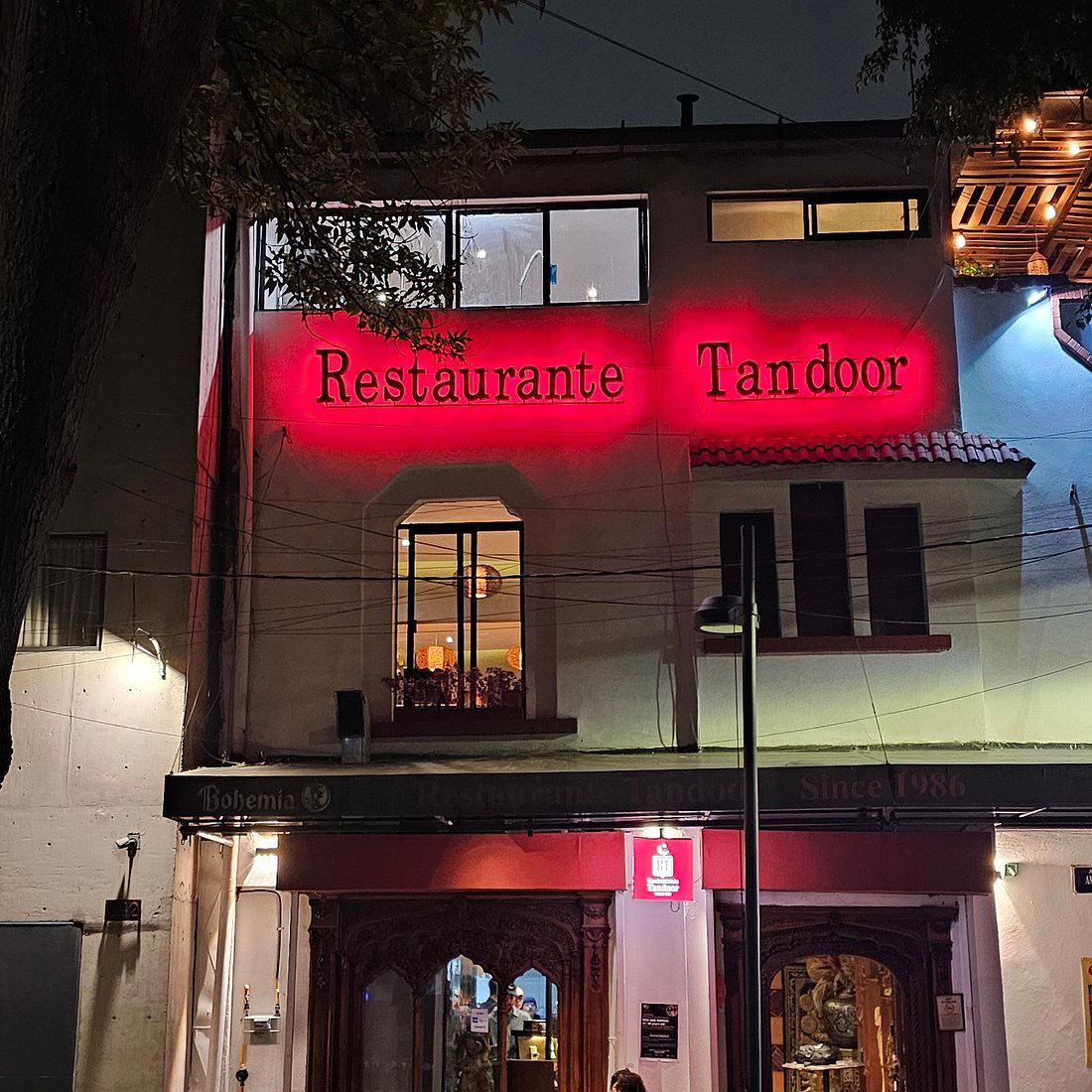
Tandoor serves authentic Indo-Pakistani cooking on C. Copérnico 156 in Anzures, with butter chicken, lamb vindaloo, and garlic naan for lunch, dinner, or late night.

Pearl is the En Primeur Club membership app — saves, bookings, and concierge access live there. Same editors, same standards.
- Address
- C. Copérnico 156, Anzures, Miguel Hidalgo, 11590 Ciudad de México, CDMX, Mexico
- Phone
- +525555456863
- Hours
- Mon–Sat 1–10 PMSun 1–7 PM
- Website
- opentable.com
- Directions
- Get directions
- Booking
- Book on OpenTable
The menu
What to order
- Butter chicken
- Chicken tikka masala
- Saag paneer
- Aloo samosas
- Lamb vindaloo
- Garlic naan
Indian Cooking in a City That Takes Foreign Cuisines Seriously
Colonia Anzures sits in a quiet residential pocket of Miguel Hidalgo, a few blocks north of the Reforma corridor where the city's dining energy tends to concentrate. The neighbourhood draws fewer tourists than Roma or Condesa, which means the restaurants working here tend to rely on local regulars rather than passerby traffic. Calle Copérnico, a tree-lined street of low-rise apartment buildings and the occasional corner shop, is exactly the kind of address where a specialist kitchen can take root and grow a steady following without the overhead pressures of a higher-profile postcode.
Tandoor sits on that street at number 156, and the name alone signals its editorial angle: this is a kitchen organized around the tandoor oven, the clay-walled, charcoal-fired apparatus central to North Indian and Pakistani cooking. In cities with large South Asian communities, tandoor restaurants compete in a crowded tier. In Mexico City, where the Indian restaurant count remains modest relative to the city's overall dining ambition, a kitchen with a specific technical identity around the tandoor occupies a different kind of position.
The Tandoor as a Culinary System, Not a Marketing Device
It is worth understanding what the tandoor actually demands of a kitchen team before assessing any restaurant built around it. The oven typically reaches temperatures between 450°C and 500°C. Bread doughs must be engineered to cling to the interior wall and peel away cleanly without falling into the coals below. Proteins, whether marinated chicken, paneer, or fish, require timing precision because the intense radiant heat creates a crust in seconds. The margin between correctly charred and overcooked is narrow, and it cannot be corrected the way a sauté can be adjusted mid-pan.
This technical reality means that tandoor cooking, when executed with discipline, is a team operation. The person managing the fire, the person handling the marinade timing, and the person controlling service pacing all have to work in close coordination. In the broader conversation about what distinguishes capable Indian kitchens from merely serviceable ones, it is often this coordination, rather than the quality of a single dish, that separates the tiers. India's tandoor-focused restaurants that draw critical attention, whether in London, New York, or Mumbai, are typically those where the oven is treated as a precision instrument rather than a visual prop.
Mexico City's dining culture has shown a consistent appetite for this kind of technical depth in imported cuisines. The city's Japanese restaurants, particularly in the Polanco tier, have moved well beyond approximation toward genuine fluency with ingredient sourcing and technique. The same pattern has emerged in Lebanese, Korean, and Peruvian kitchens across the city. The question for any Indian kitchen operating here is whether it is contributing to that broader pattern of seriousness, or operating as a convenience option for a neighbourhood that lacks alternatives.
Anzures as Context
Colonia Anzures functions as a middle ground between the design-conscious restaurant culture of Condesa to the south and the corporate-facing restaurants of Polanco to the northwest. Residents here tend to be long-term locals rather than the rotating expat population that shapes dining in parts of Roma Norte. That demographic tends to reward consistency and depth over novelty. A restaurant that survives on Calle Copérnico for several years does so on repeat visits, not on a launch-week social media surge.
It is not competing directly with the tasting-menu tier that includes Pujol, Quintonil, or Em, all of which operate in different registers entirely. It sits closer to the neighbourhood specialist tier, where a restaurant earns its place by doing one thing with enough consistency and technical honesty that locals prioritize it over easier alternatives. For a fuller picture of where this kind of specialist fits within the city's broader dining hierarchy, the EP Club Mexico City restaurants guide maps the scene by neighbourhood and price tier.
Indian Cuisine's Position in Mexico City's Import Landscape
Across Mexico, South Asian cuisine remains less established than in comparable global cities. The country's immigration history does not include a large Indian diaspora in the way that the United Kingdom, Canada, or the Gulf states do. This means that Indian restaurants in Mexico City are building their audiences largely among locals who may have encountered the cuisine during travel, through media, or through the growing expatriate and international business community that has expanded significantly over the past decade.
This context shapes what a kitchen like Tandoor needs to accomplish on the plate. It cannot rely on a customer base that arrives with pre-formed expectations about regional specificity, for example knowing the difference between a Punjabi butter chicken and a Kerala fish preparation, or being able to assess naan-to-filling ratios on technical grounds. It is simultaneously introducing and demonstrating a cuisine. The kitchens that handle this dual role well tend to be those where front-of-house and kitchen are genuinely integrated, where the team can explain a dish's logic in a way that adds to the experience rather than merely translating a menu.
Elsewhere in Mexico, restaurants working in this kind of specialist-import mode have found their footing through exactly this kind of service clarity. The attention that has gathered around places like Le Chique in Puerto Morelos or KOLI Cocina de Origen in Monterrey reflects kitchens where the team's ability to communicate the cuisine's logic is part of the value. That pattern holds for Indian cooking in Mexico City as much as for any other specialist register.
Wider Mexico Dining Reference Points
For readers building a broader itinerary across Mexico, the country's serious dining options extend well beyond the capital. Animalón in Valle de Guadalupe works with open-fire cooking in Baja's wine country. Levadura de Olla in Oaxaca focuses on traditional Oaxacan technique with a contemporary framing. Alcalde in Guadalajara and Pangea in San Pedro Garza Garcia both represent the northern cities' increasingly ambitious kitchen culture. In the Yucatán, Huniik in Mérida and HA' in Playa del Carmen are worth tracking. On Baja's coast, Olivea Farm to Table in Ensenada and Lunario in El Porvenir anchor the region's produce-driven dining. Back in the capital, the creative range runs from Rosetta's Italian-inflected kitchen to Sud 777's creative contemporary format. Internationally, the team-collaboration model that defines the leading specialist kitchens is visible at Le Bernardin in New York and Atomix, both of which demonstrate what sustained front-of-house and kitchen integration looks like at the highest level.
Planning Your Visit
Address: C. Copérnico 156, Anzures, Miguel Hidalgo, 11590 Ciudad de México. Reservations: Dress: No dress code information is available; Anzures restaurants of this type are generally casual to smart-casual. Budget: Getting there: The Anzures neighbourhood is accessible from the Auditorio or Polanco metro stations; the address on Calle Copérnico is within walking distance of both.
Frequently asked questions
What do people recommend at Tandoor?
What the name and format suggest is a focus on tandoor-cooked preparations, including breads and marinated proteins. Regulars at neighbourhood-focused Indian kitchens in Mexico City typically return for tandoor-baked naan and clay-oven proteins, which are the technical centerpiece of this style of cooking.
How far ahead should I plan for Tandoor?
Anzures neighbourhood restaurants of this scale generally accept walk-ins or short-notice bookings rather than the weeks-ahead reservation windows that apply to the city's tasting-menu tier, which includes venues like Pujol and Quintonil. Calling ahead on the day or the day before is a reasonable approach, though this should be verified once direct contact details are confirmed.
What is the defining dish or idea at Tandoor?
The defining idea is the clay oven itself. Tandoor cooking at 450°C to 500°C produces a specific result, a charred exterior with a moist interior, that cannot be replicated by any other cooking method. In kitchens that take the technique seriously, the oven dictates the menu structure rather than serving as one item among many.
How does Tandoor handle allergies?
If dietary restrictions or allergens are a concern, the most reliable approach is to contact the restaurant directly before visiting. Mexico City's more established Indian kitchens generally accommodate common restrictions, but individual kitchen policies vary and should always be confirmed in advance.
Is Tandoor in Anzures the kind of Indian restaurant that suits groups, or is it better suited to smaller tables?
Indian cooking, particularly in the tandoor format, is structurally well-suited to shared-table dining, since breads, grilled proteins, and curries are typically ordered for the table rather than plated individually. Neighbourhood restaurants in Anzures of this scale, typically moderate in size relative to the larger Polanco dining rooms, generally accommodate groups of two to six comfortably.
Cuisine-First Comparison
Comparable venues nearby, for context on price, style, and recognition.
| Venue | Cuisine | Price | Awards | Notes |
|---|---|---|---|---|
| TandoorThis venue — the venue you are viewing | Authentic Indo-Pakistani | $20–30 | Not listed | Not listed |
| Tandoor San Angel | Authentic Indo-Pakistani Tandoor | $20–30 | Not listed | Guadalupe Inn |
| Camarón buchón DIANA | Zarandeado-Style Seafood from Sinaloa | Not listed | Not listed | Nva Anzures |
| Groove Casa Fusión | Artisanal Pizza in Bohemian Market Setting | $10–20 | Not listed | Juarez |
| Con Vista al Mar Juárez | Coastal Mexican Seafood | $20–30 | Not listed | Juarez |
| Al Andalus | Authentic Lebanese | $20–30 | Wine Spectator Best of Award of Excellence | San Ángel Inn |
Continue exploring
More in Mexico City
Restaurants in Mexico City
Browse all →
Bars in Mexico City
Browse all →
Details
- Classic
- Cozy
- Casual Hangout
- Family
- Open Kitchen
- A La Carte
- Vegetarian Friendly
- Vegan Options
- Gluten Free Options
Current opening hours
- Monday
- 1–10 PM
- Tuesday
- 1–10 PM
- Wednesday
- 1–10 PM
- Thursday
- 1–10 PM
- Friday
- 1–10 PM
- Saturday
- 1–10 PM
- Sunday
- 1–7 PM
Hours can change for holidays and private events. Last verified .
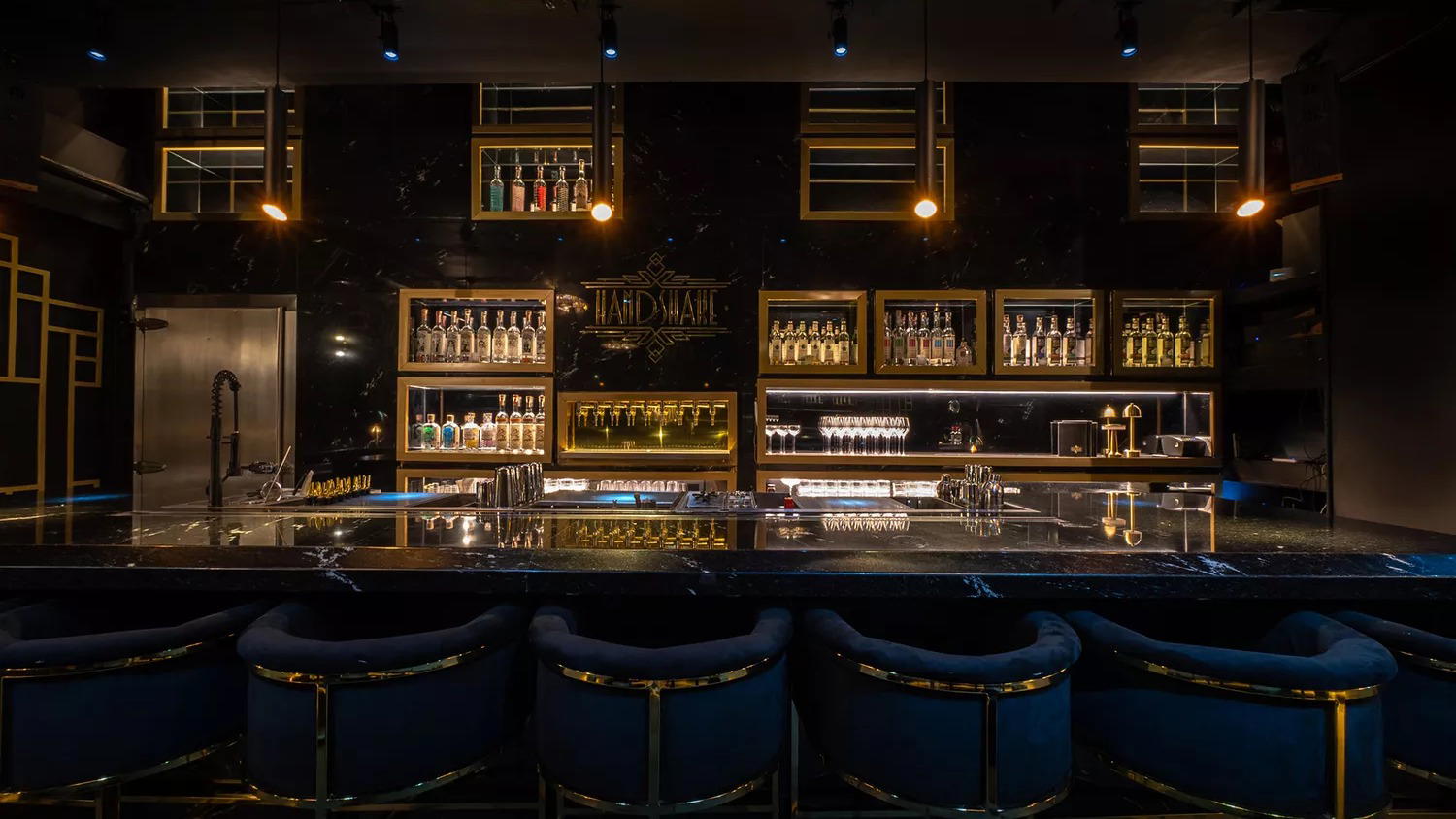
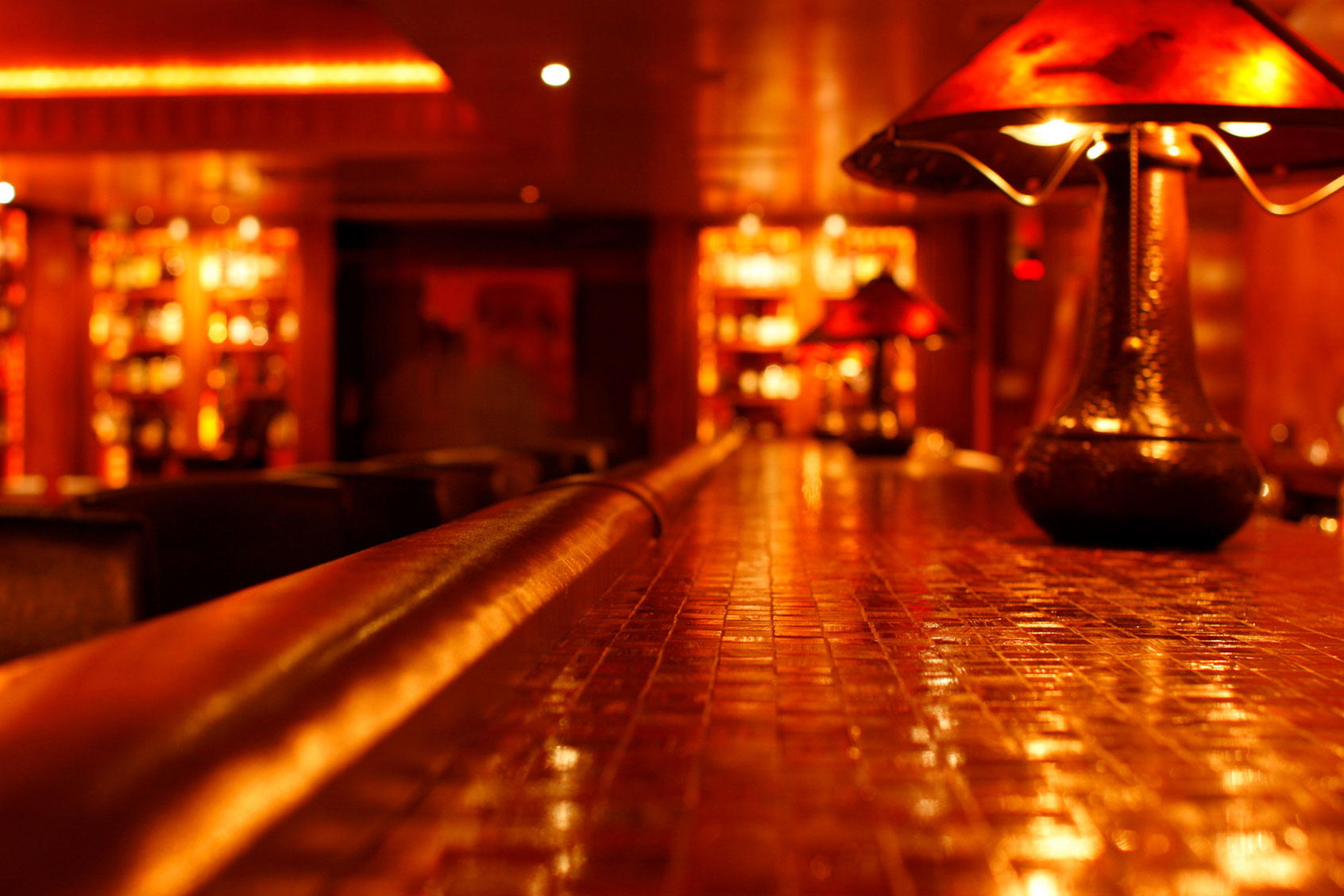
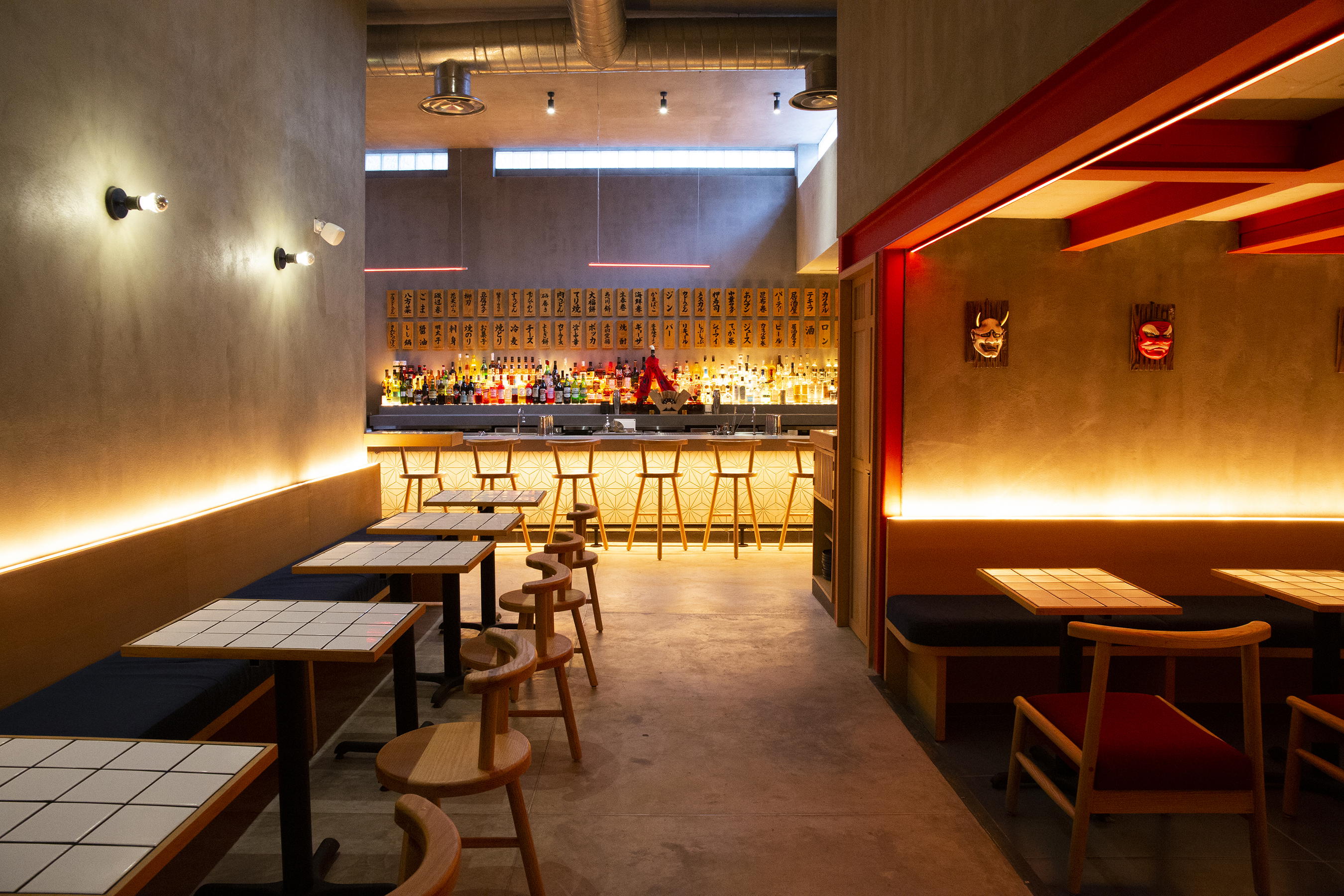
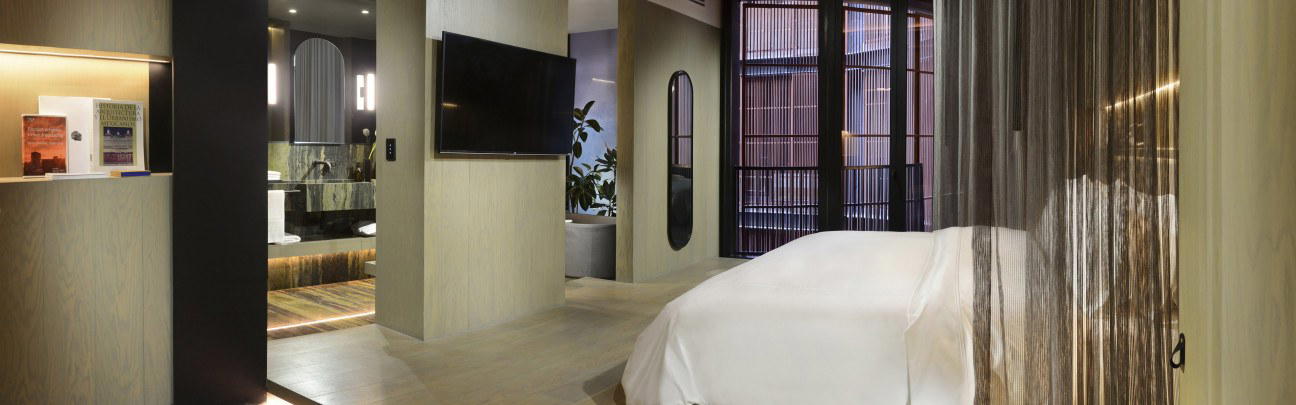
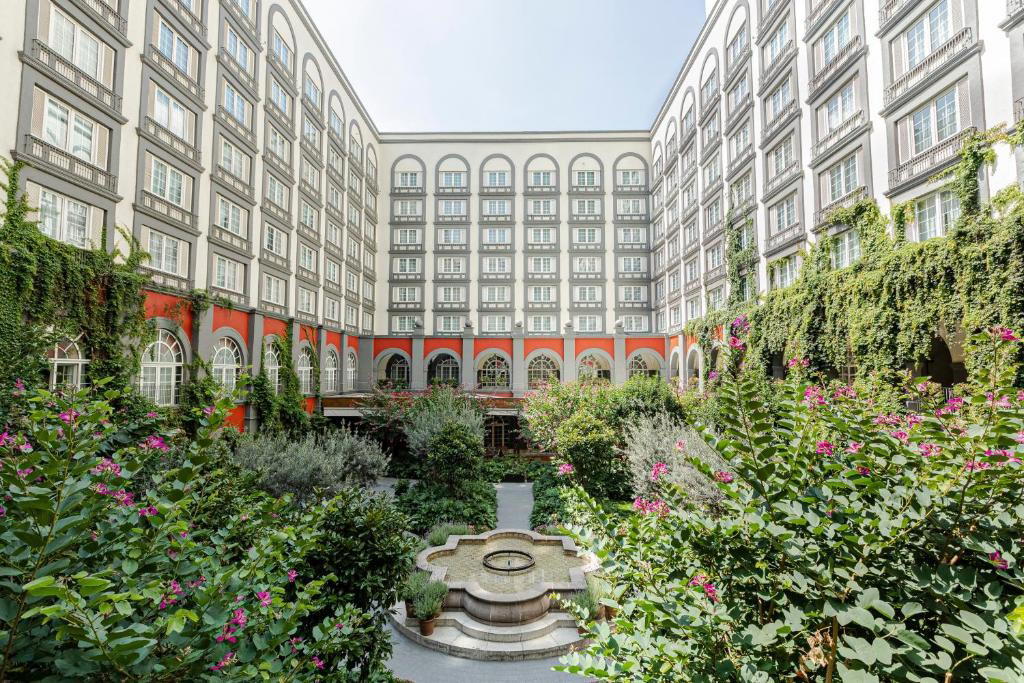
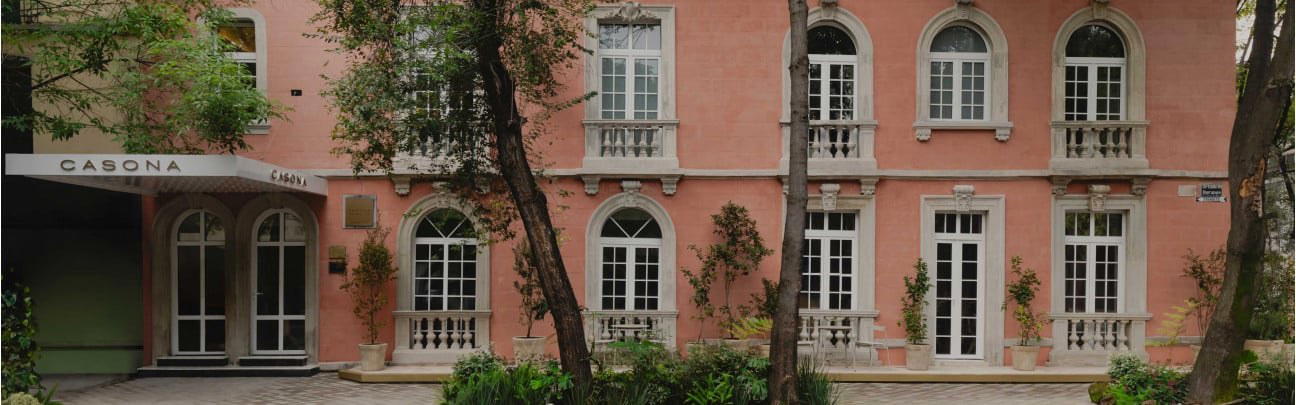
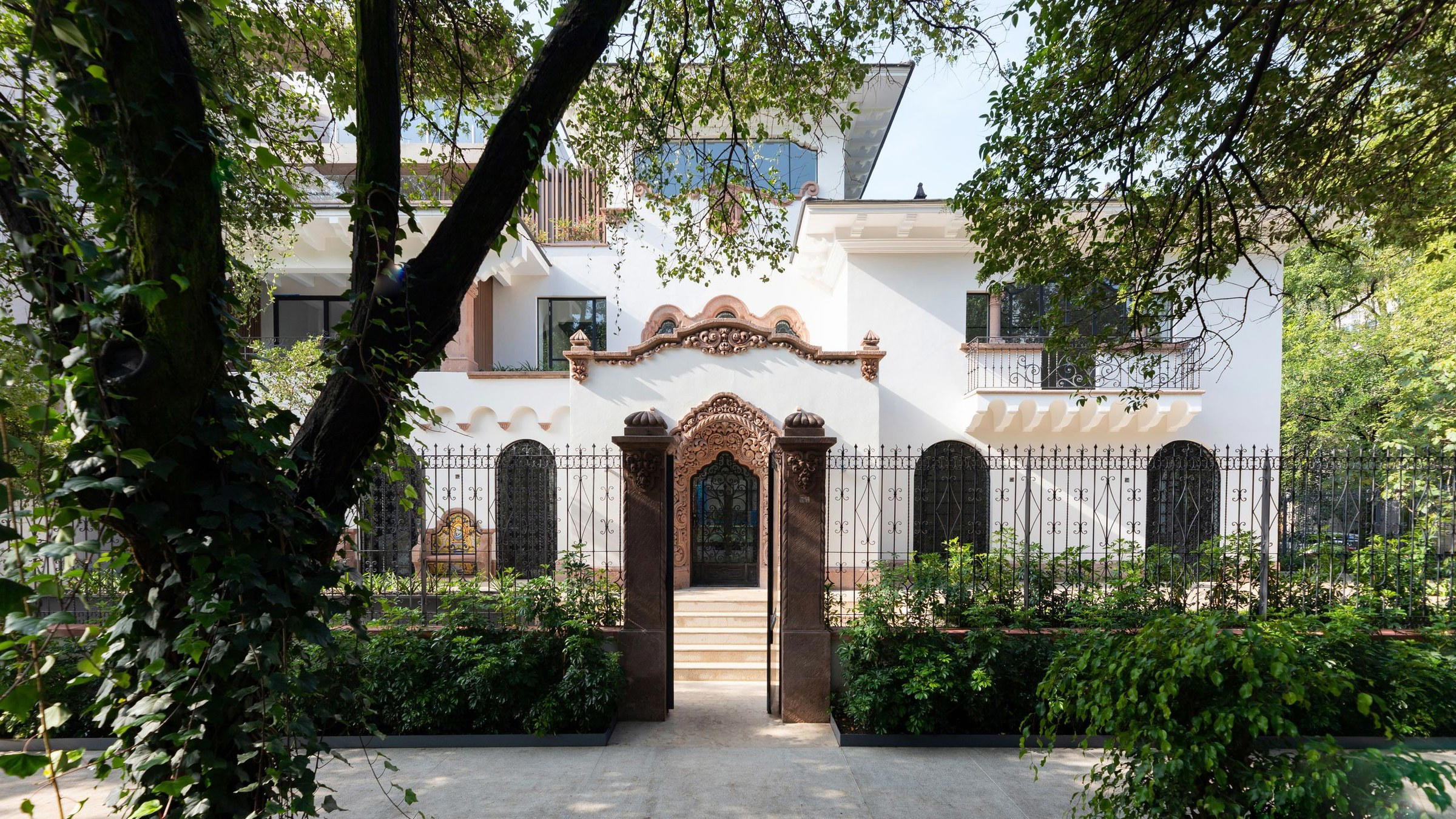
Charming space adorned with Indian and Pakistani artwork and intricately carved wooden chairs, creating a culturally rich and relaxed atmosphere.