Tanaka of Tokyo Central
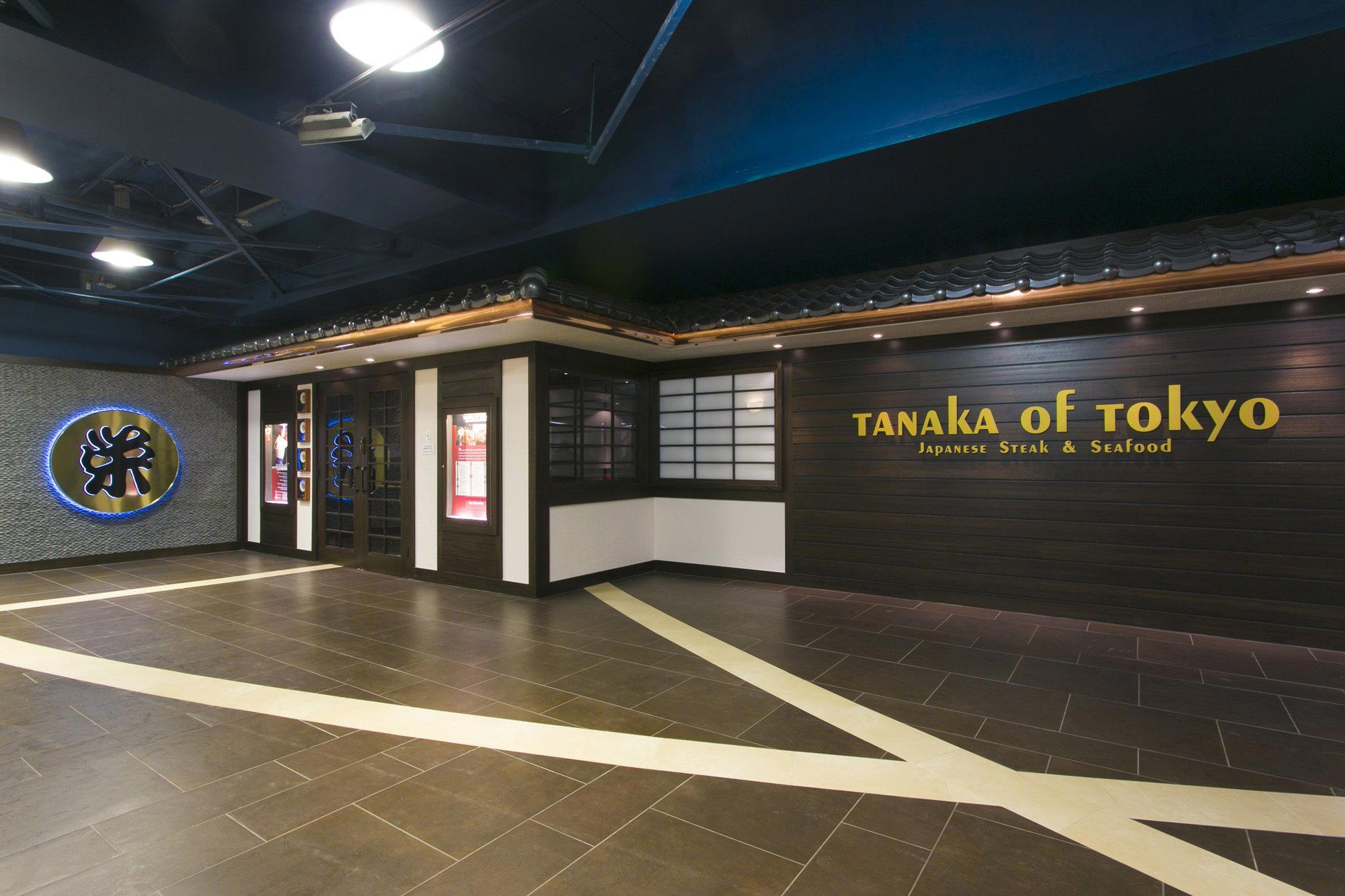
Teppanyaki has a long tenure on Waikīkī's dining strip, and Tanaka of Tokyo Central, on the third floor of 2250 Kalākaua Avenue, represents one of its most established addresses. The format places theatrical iron-griddle cooking at the center of the meal, making it a reference point for the style in Honolulu. It sits within a broader group operation that has run teppanyaki counters across the island for decades.
 Discover on Pearl
Pearl is the En Primeur Club membership app — saves, bookings, and concierge access live there. Same editors, same standards.
- Address
- 2250 Kalākaua Ave 3rd Fl, Honolulu, HI 96815
- Phone
- +1 808 922 4702
- Website
- tanakaoftokyo.com
Teppanyaki on Kalākaua: A Format That Has Outlasted Its Trends
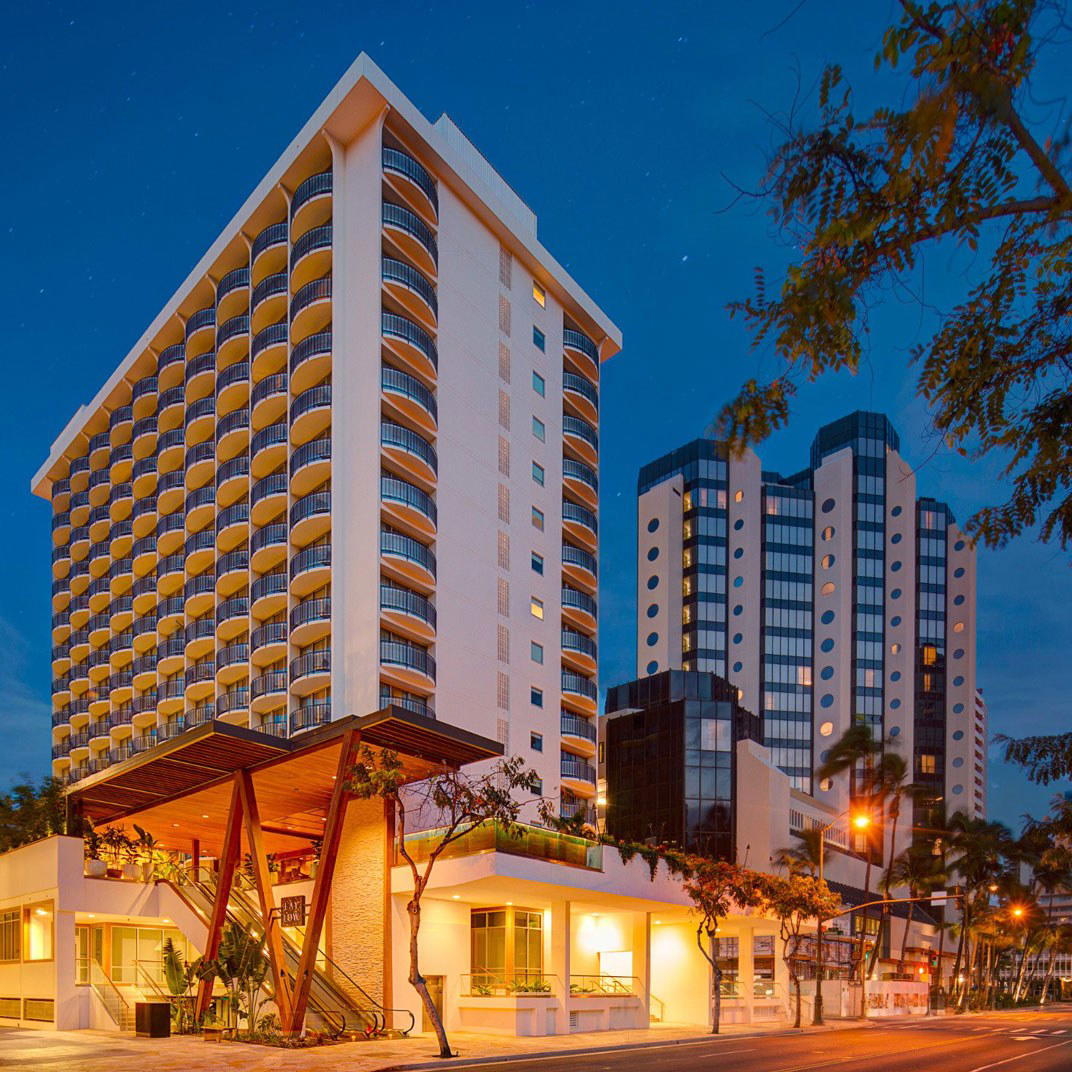
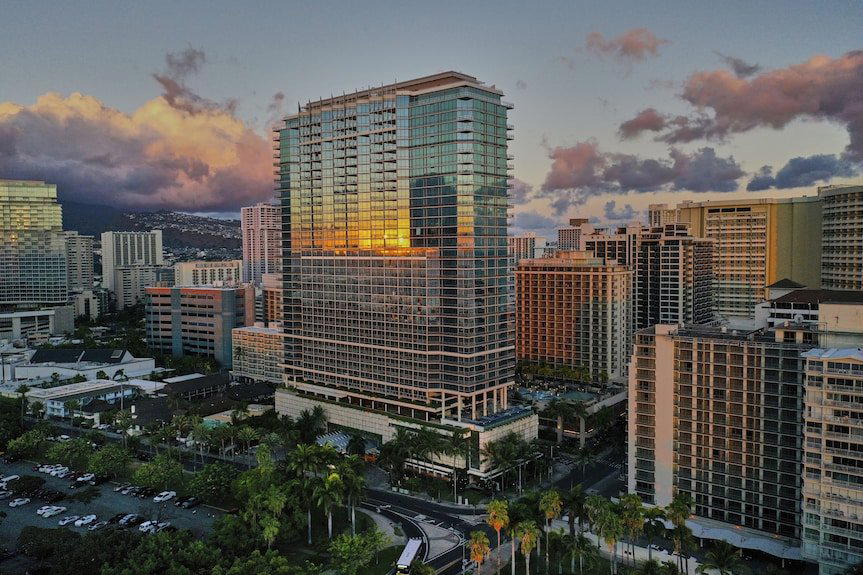
The third floor of 2250 Kalākaua Avenue puts you squarely in the commercial spine of Waikīkī, a stretch where dining formats rise and fall on tourist traffic and local loyalty in roughly equal measure. Teppanyaki, the iron-griddle tableside cooking style that became a fixture of Japanese-American restaurant culture in the postwar decades, has proved more durable here than most. Tanaka of Tokyo Central occupies that tradition directly, operating as one of several locations in the Tanaka of Tokyo group.
Teppanyaki as a format almost uniquely bridges those two audiences: local families mark milestones at the griddle, while visitors arriving from markets where the style is less common treat it as a destination experience. Tanaka of Tokyo Central has positioned itself at that intersection for long enough that the address itself carries recognitional weight among Honolulu diners.
How the Format Has Shifted Around It
The teppanyaki format that Tanaka of Tokyo Central represents has undergone a quiet but meaningful evolution across the United States since the style's mid-century introduction. Early teppanyaki restaurants, popularized in part by the Benihana chain beginning in the 1960s, leaned into performance as the primary draw: knife throws, onion volcanoes, the choreography of the cook as entertainer. That model worked, but it also dated. The more recent direction across the category has moved toward ingredient quality and precision cooking as the primary argument, with theater as a secondary pleasure rather than the point.
Where a venue like Tanaka of Tokyo Central fits within that evolution is the operative question for any serious diner assessing it today. The group's multi-location model and its sustained operation across decades suggest a format that has been refined rather than reinvented, calibrated to what the Waikīkī market consistently rewards. That is a different strategic posture than, say, the tightly controlled single-location programs you find at destination-level American restaurants like Single Thread Farm in Healdsburg or Smyth in Chicago, where each iteration of the menu is a deliberate editorial act. Teppanyaki at scale operates on different logic: consistency, accessibility, and the reliable delivery of a known format to a wide audience.
That does not diminish it. Some of the most respected dining institutions in America have built their reputations on exactly that model. Emeril's in New Orleans spent years proving that high-volume, high-recognition restaurants could maintain standards. The comparison is instructive: what matters is whether the kitchen delivers on the implicit promise of the format night after night.
The Waikīkī Dining Context
Kalākaua Avenue's dining strip is one of the more competitive and stratified restaurant corridors in Hawaii. At the lower end, walk-in casual operations like the plate-lunch model associated with AGU Ramen - Ward Centre and similar fast-casual formats absorb high foot traffic. At the upper register, hotel dining rooms like Beachhouse at the Moana compete on setting and occasion dining. Tanaka of Tokyo Central operates in the mid-to-upper tier of that stack, where the teppanyaki format commands a price premium over casual options but competes on experience rather than pure culinary ambition.
For readers mapping Honolulu's broader restaurant terrain, the contrast with Alan Wong's Honolulu is illustrative. Teppanyaki operates on a different register entirely: the cooking tradition is Japanese in origin, the format is performative by design, and the appeal is as much social as gastronomic. They are not competing for the same diner on the same night.
The Kalākaua address itself is a practical asset. The third-floor position at 2250 Kalākaua Ave places it above street-level noise with reasonable access from the main Waikīkī hotel corridor, a logistical advantage for groups arriving from nearby properties. Multi-party teppanyaki bookings, which require coordinating seating around shared griddle tables, benefit from venues that have processed that operational complexity over many years. That accumulated operational experience is one of the less-discussed advantages of established multi-location groups in the format.
Where It Sits in the Broader Teppanyaki Conversation
Comparing teppanyaki operations across American cities reveals how much the format's perceived ceiling has risen. Venues operating at the higher end of the category now source A5 Wagyu, maintain beverage programs with genuine depth, and train cooking staff to articulate ingredient provenance in the same way front-of-house teams do at destination restaurants. Tanaka of Tokyo Central keeps pace with guest expectations through a format shaped by long-running operation and consistent service.
For context on how seriously the broader American fine-dining conversation takes Japanese culinary traditions, venues like Atomix in New York City and the technical ambition of Le Bernardin in New York City illustrate what happens when a format is pushed toward its highest expression. Teppanyaki at Tanaka of Tokyo Central is not making that argument, nor does it need to. It occupies a different and entirely legitimate position: the established group operator in a specific city, serving a format with broad appeal to a diverse audience, and doing so from an address that has become a reference point on its street.
Other well-regarded destination restaurants across the country, from Providence in Los Angeles to Addison in San Diego and The French Laundry in Napa, operate in categories where the editorial conversation centers on technique and sourcing. Teppanyaki's editorial conversation centers on something different: ritual, communality, and the particular pleasure of watching a skilled cook work a flat iron surface at close range. Blue Hill at Stone Barns in Tarrytown and The Inn at Little Washington in Washington pursue one kind of dining ambition. Tanaka of Tokyo Central pursues another, and on Kalākaua Avenue, that has proven to be enough.
Reservations are recommended.
Where the Accolades Land
Comparable venues nearby, for context on price, style, and recognition.
| Venue | Cuisine | Price | Awards | Notes |
|---|---|---|---|---|
| Tanaka of Tokyo CentralThis venue — the venue you are viewing | Japanese Teppanyaki Steakhouse | $$ | , | |
| AGU Ramen - Ward Centre | Modern Japanese Ramen | $$ | , | Ward Centre |
| Ethel's Grill | Japanese-American Plate Lunches | $ | , | Kalihi |
| Shore Bird Restaurant & Beach Bar | Beachside Grill-Your-Own Steakhouse | $$ | , | Waikiki |
| Waikiki | Hawaiian Seafood & Japanese Fusion | $$ | , | Waikiki |
| Zippy's Kapahulu | Hawaiian Comfort Food & Local Plate Lunch | $ | , | Kapahulu |
Continue exploring
More in Urban Honolulu
Restaurants in Urban Honolulu
Browse all →
Bars in Urban Honolulu
Browse all →
At a Glance
- Lively
- Energetic
- Family
- Celebration
- Group Dining
- Open Kitchen
- Sake Program
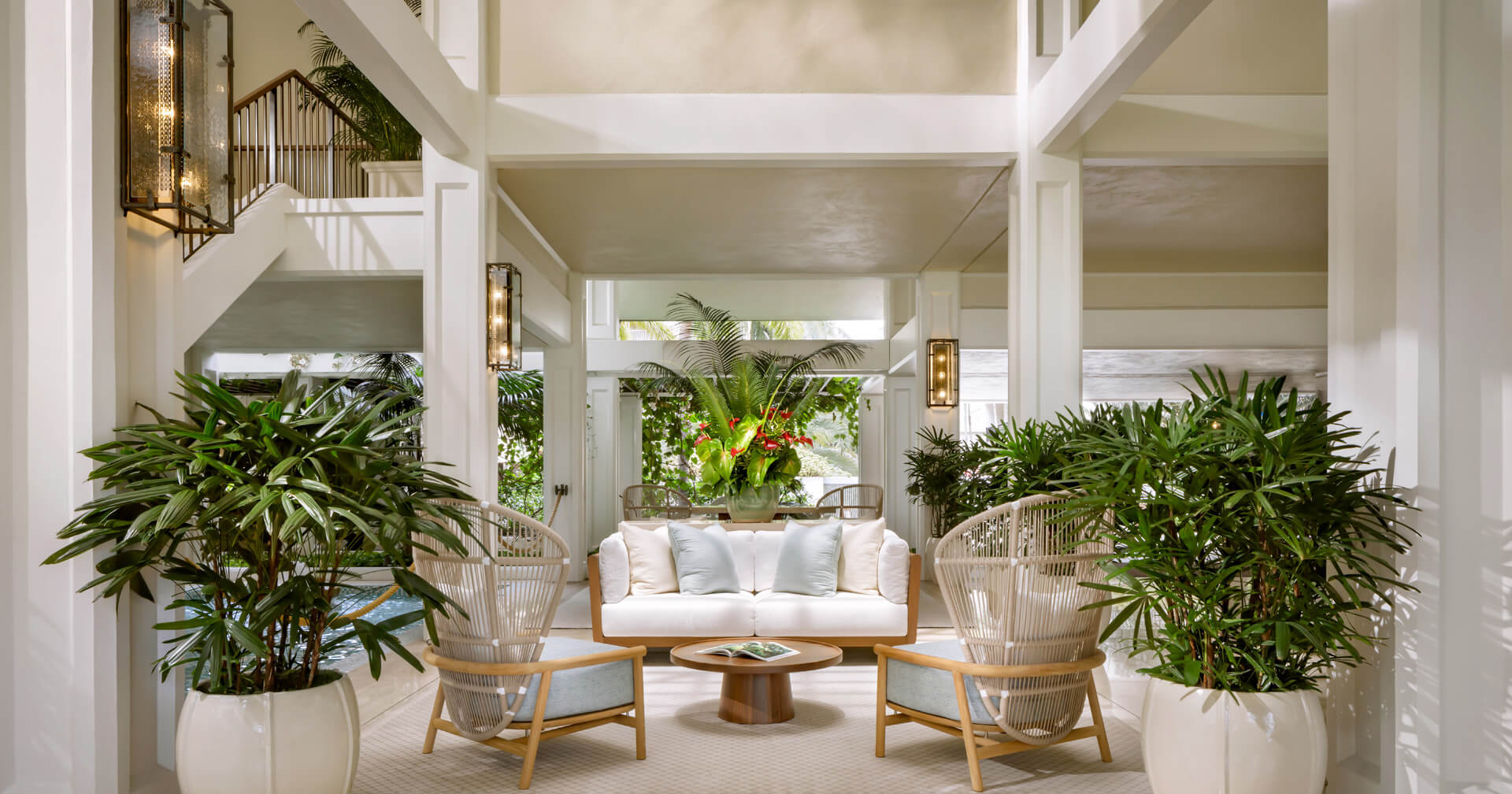
Exotic and elegant atmosphere filled with laughter, excitement, and lively dinner theater energy from chef performances.