Google: 4.4 · 18,567 reviews
Waikiki
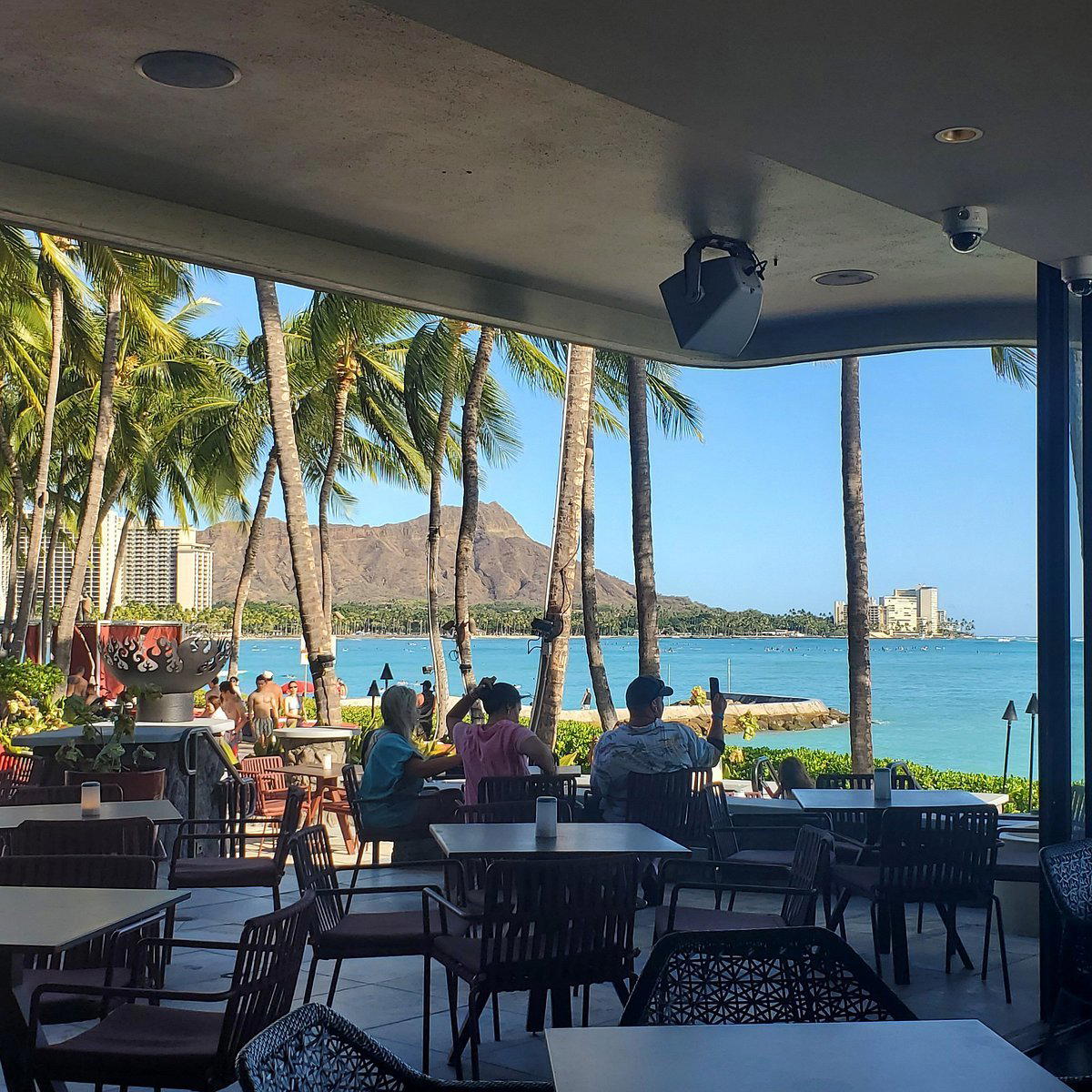
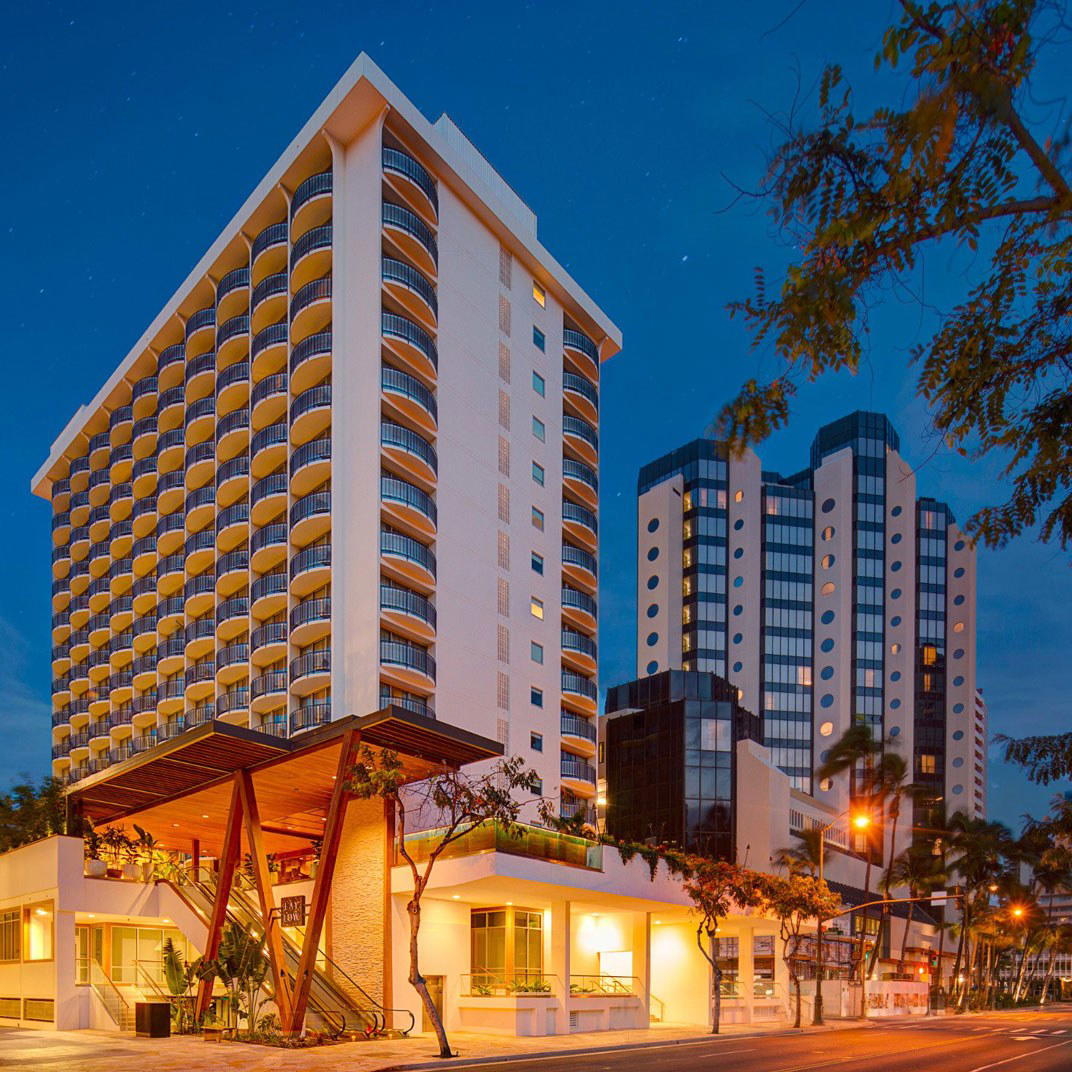
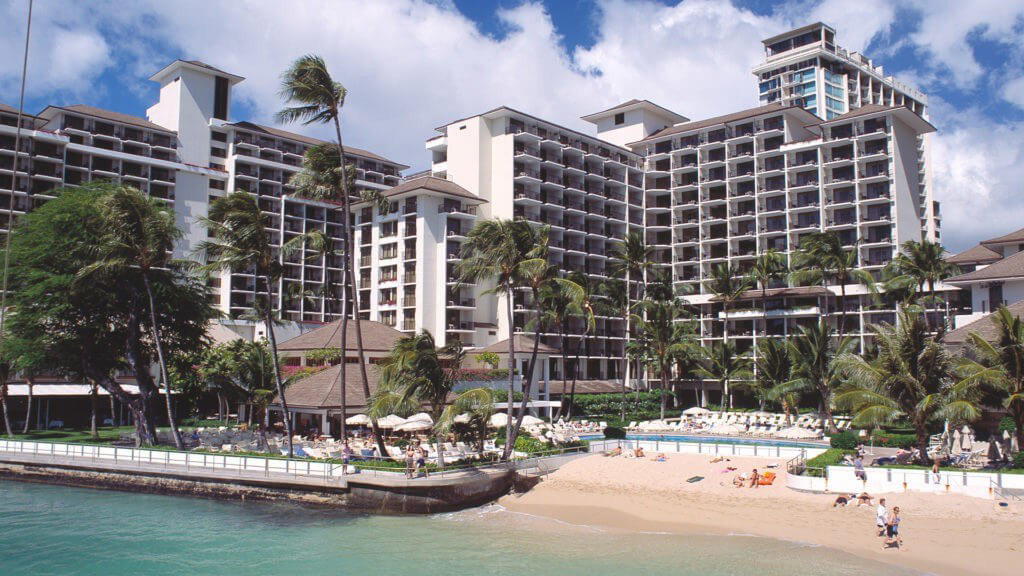
Waikiki is Honolulu's most concentrated stretch of oceanfront dining, where Hawaii Regional Cuisine meets resort-scale hospitality and the Pacific sets the pace for everything on the plate. The neighbourhood sits at the intersection of local tradition and international expectation, making it the clearest lens through which to read Urban Honolulu's broader dining identity. From beachside fish counters to white-tablecloth rooms with Diamond Head views, the range here is wider than most visitors anticipate.
 Discover on Pearl
Pearl is the En Primeur Club membership app — saves, bookings, and concierge access live there. Same editors, same standards.
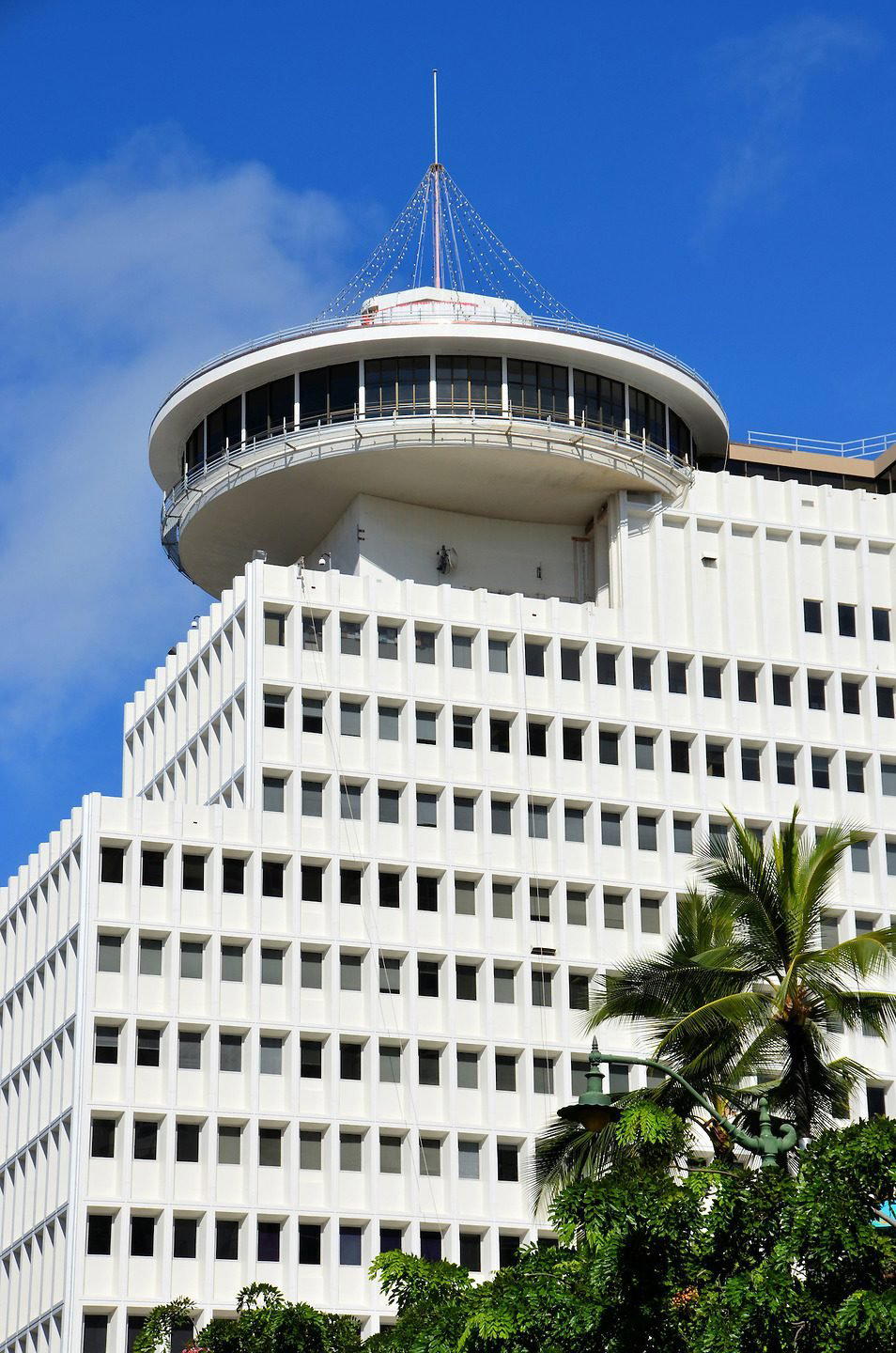
Where the Pacific Defines the Plate
Few dining districts in the United States carry the weight of geography as directly as Waikiki. The ocean is not backdrop here; it is ingredient, calendar, and constraint. What arrives on the table in any serious Waikiki room is shaped by what the Pacific gives up that morning, by the fishing traditions of communities that predate the hotels by centuries, and by the agricultural hinterland of Oahu's interior valleys. That layering of place onto plate is what separates Waikiki's stronger restaurants from the resort-strip average, and it is the right frame for any reader deciding where to spend serious dining hours in Honolulu.
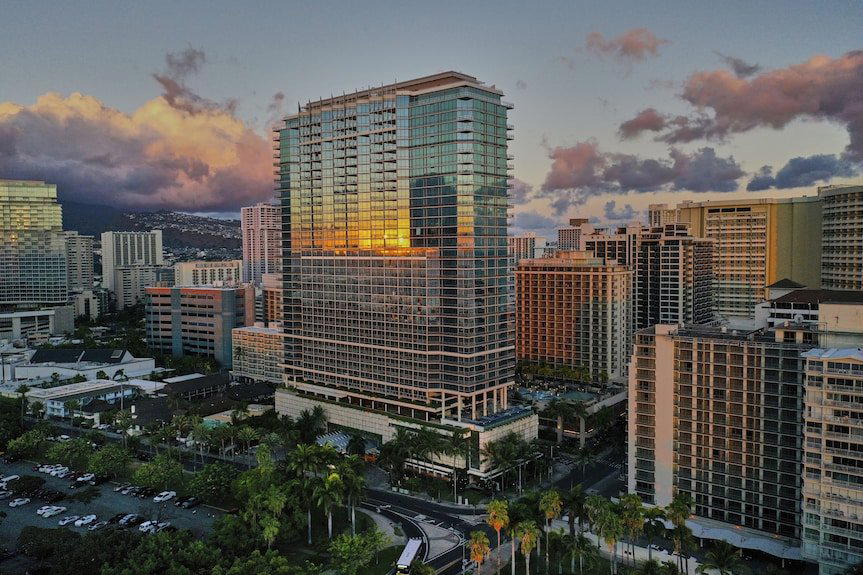
The neighbourhood occupies a roughly two-mile stretch of Oahu's south shore, running from the Ala Wai Canal to Diamond Head. Density here is high in every sense: hotel rooms, tourists, restaurants, and, at the upper end of the market, genuine culinary ambition packed into a surprisingly compact geography. The concentration means that competition between restaurants is visible and legible. A kitchen that does not source carefully or cook with precision loses its audience quickly to neighbours who do.
Hawaii Regional Cuisine and Its Waikiki Expression
The movement that reshaped Hawaiian fine dining in the early 1990s was built by a coalition of chefs who looked at the islands' agricultural and oceanic resources and decided they were being systematically underused in favour of continental imports. That pivot toward local fish, taro, sweet potato, Kona coffee, and Maui cattle established a culinary identity that Waikiki's better restaurants have been refining ever since. The tradition is now mature enough to carry its own internal debates: how much Japanese influence is appropriate given Hawaii's demographic history, how to treat indigenous ingredients without exoticising them, and where the line sits between genuine farm-to-table commitment and marketing language.
Visitors arriving with reference points from Le Bernardin in New York City or The French Laundry in Napa will find Waikiki's top tier operating in a different register: less ceremonial, more relaxed in service rhythm, and explicitly rooted in a place rather than a tradition. The comparison set is closer to Single Thread Farm in Healdsburg or Blue Hill at Stone Barns in Tarrytown, where the sourcing narrative is structural rather than decorative. That framing is useful because it sets the right expectations: technical virtuosity is present but not performed for its own sake.
The Neighbourhood's Dining Tiers
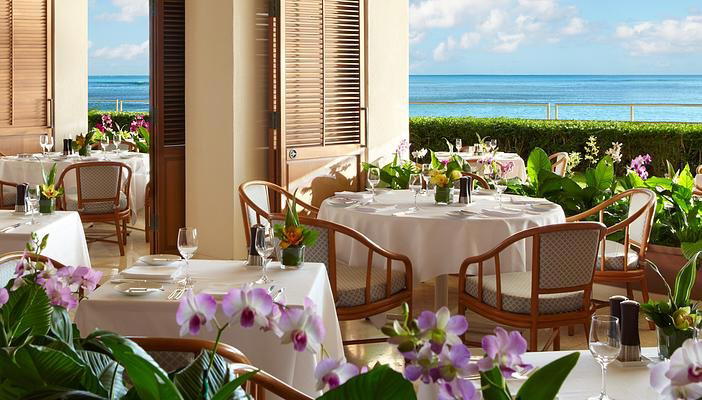
Waikiki's restaurant market runs across a wider spread than most single neighbourhoods can claim. At street level, plate-lunch counters and ramen shops serve the working rhythms of a district that operates around the clock for tourism. One tier up, mid-market rooms with ocean views trade heavily on setting, and the quality of cooking varies significantly. At the leading, a smaller group of kitchens competes for the same guests who might otherwise book Providence in Los Angeles or Addison in San Diego on a mainland trip.
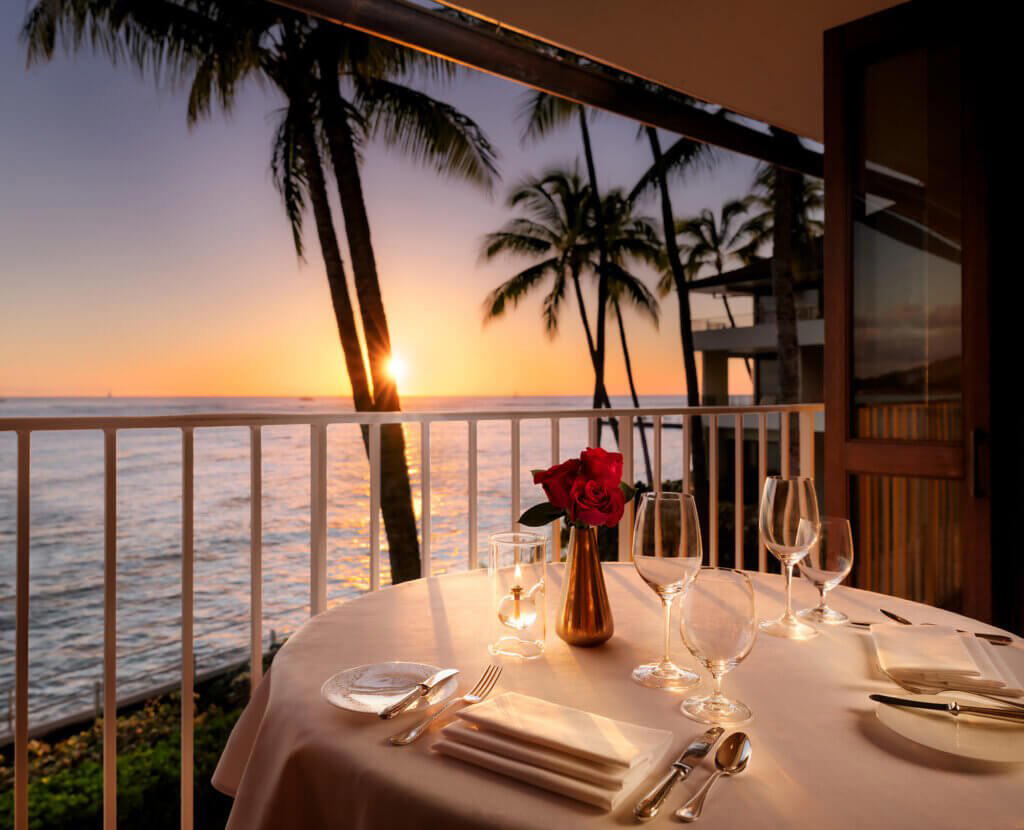
The Beachhouse at the Moana represents the oceanfront formal tier, where Diamond Head sight lines and the Moana Surfrider's historical weight are part of the offer. Alan Wong's Honolulu sits in the upper bracket of Hawaii Regional Cuisine, with a track record that has anchored Honolulu's fine-dining reputation for decades. Both operate in a peer group that has more in common with Emeril's in New Orleans or The Inn at Little Washington in Washington than with the hotel buffet operations that dominate the district's sheer room count.
For ramen and casual noodle formats, AGU Ramen at Ward Centre and the broader Ala Moana corridor, anchored partly by 1050 Ala Moana Blvd, extend the neighbourhood's range into a denser, more local-facing dining culture. Bread and Butter represents the neighbourhood's more relaxed, approachable end without dropping quality as a consideration.
Timing, Booking, and the Practical Shape of a Waikiki Dining Visit
Waikiki operates at high occupancy for much of the year, with peak pressure running from mid-December through April and again in July and August when domestic summer travel concentrates on the islands. Restaurants at the formal end of the market book weeks ahead during those windows; arriving without a reservation at a destination-level room on a Saturday night in January is a genuine risk, not a polite warning. The shoulder months of May, September, and October offer more flexibility and, in some rooms, a more local dining room composition, which tends to produce better service rhythm and less menu-tourist behaviour from the kitchen.
The contrast with reservation-scarce rooms on the mainland is instructive. While counters at Atomix in New York City or Lazy Bear in San Francisco operate on weeks-long or months-long booking windows, Waikiki's top-tier rooms tend to open reservation windows of two to four weeks, with same-week availability more common than it would be at peer-level restaurants on the mainland. That accessibility is one of the neighbourhood's structural advantages for the internationally mobile traveller.
Transport within the district is walkable for most purposes once you are based in the core. The Ala Moana centre sits at the western edge of the district's natural walking range; Diamond Head marks the eastern terminus of the beachfront strip. Moving between Waikiki and the broader Honolulu restaurant scene, including the Kaimuki neighbourhood where several chef-driven independents have concentrated, requires a car or rideshare, typically a fifteen-to-twenty-minute journey depending on time of day.
What Waikiki Means for Serious Dining in Honolulu
The risk with Waikiki, for any reader arriving with high culinary expectations, is that the district's sheer tourism volume creates noise. The restaurants worth seeking out are not always the most visible. The beachfront room with the aggressive signage is rarely the room with the most careful sourcing. The hotel dining programme with the celebrity-adjacent name does not always outperform the smaller, independently operated kitchen two blocks inland.
The better approach is to read Waikiki as a culinary district with a genuine upper tier, rather than as a resort amenity. The same analytical discipline that a diner would apply when reading Smyth in Chicago against its neighbourhood context, or Atelier Moessmer Norbert Niederkofler in Brunico against the South Tyrol's farm-sourcing tradition, applies here. Place the restaurant in its category, check its sourcing commitments, and ask whether it is cooking for the guest in front of it or for the tourist volume behind it. That question, in Waikiki, does most of the sorting work.
For a complete picture of where Waikiki sits within Honolulu's broader restaurant scene, see our full Urban Honolulu restaurants guide.
- Ahi Poke
- Spicy Salmon Poke
- Tonkatsu
- Udon Noodles
- Mai Tai
- Macadamia Nut Crusted Fish
Continue exploring
More in Urban Honolulu
Restaurants in Urban Honolulu
Browse all →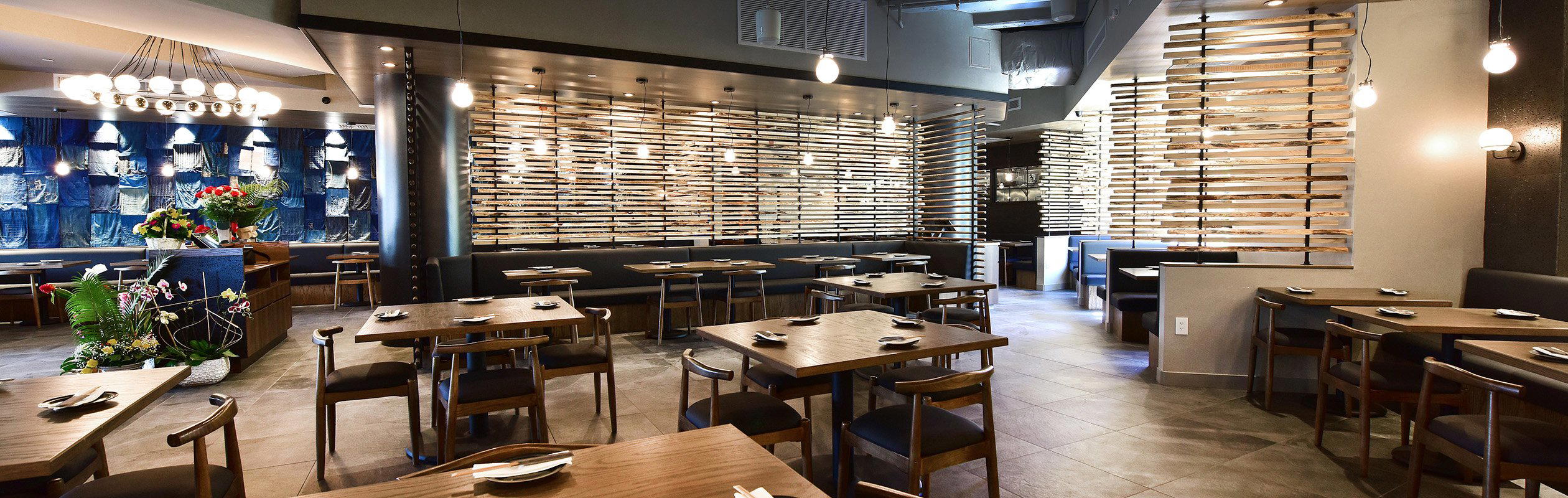
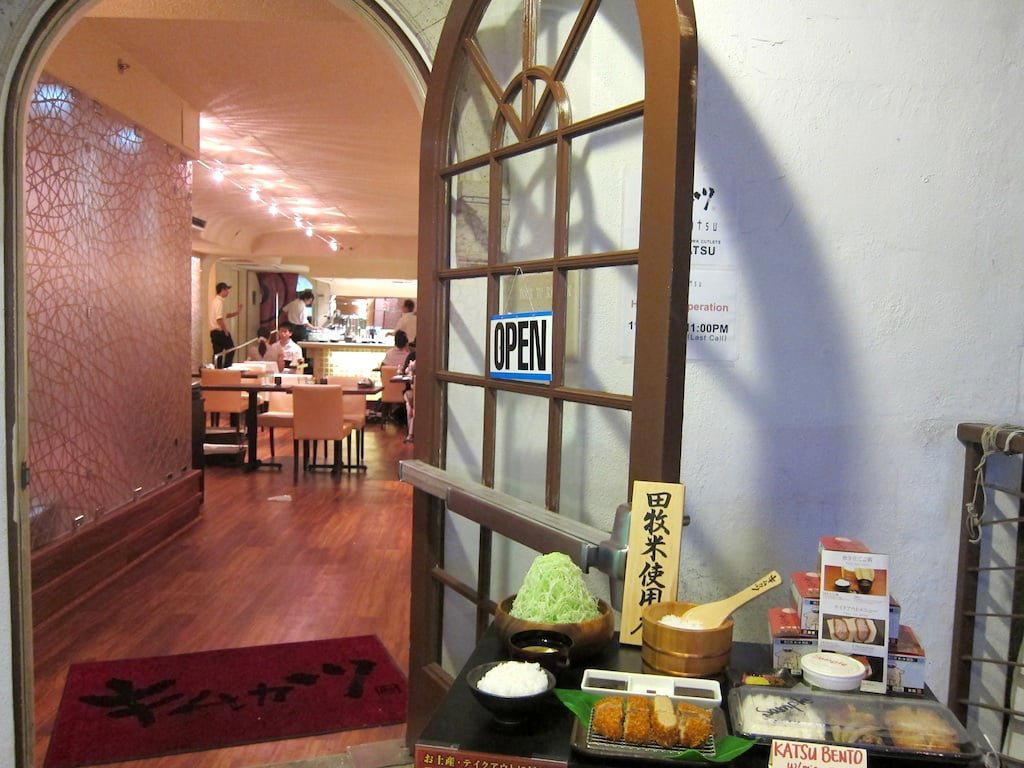
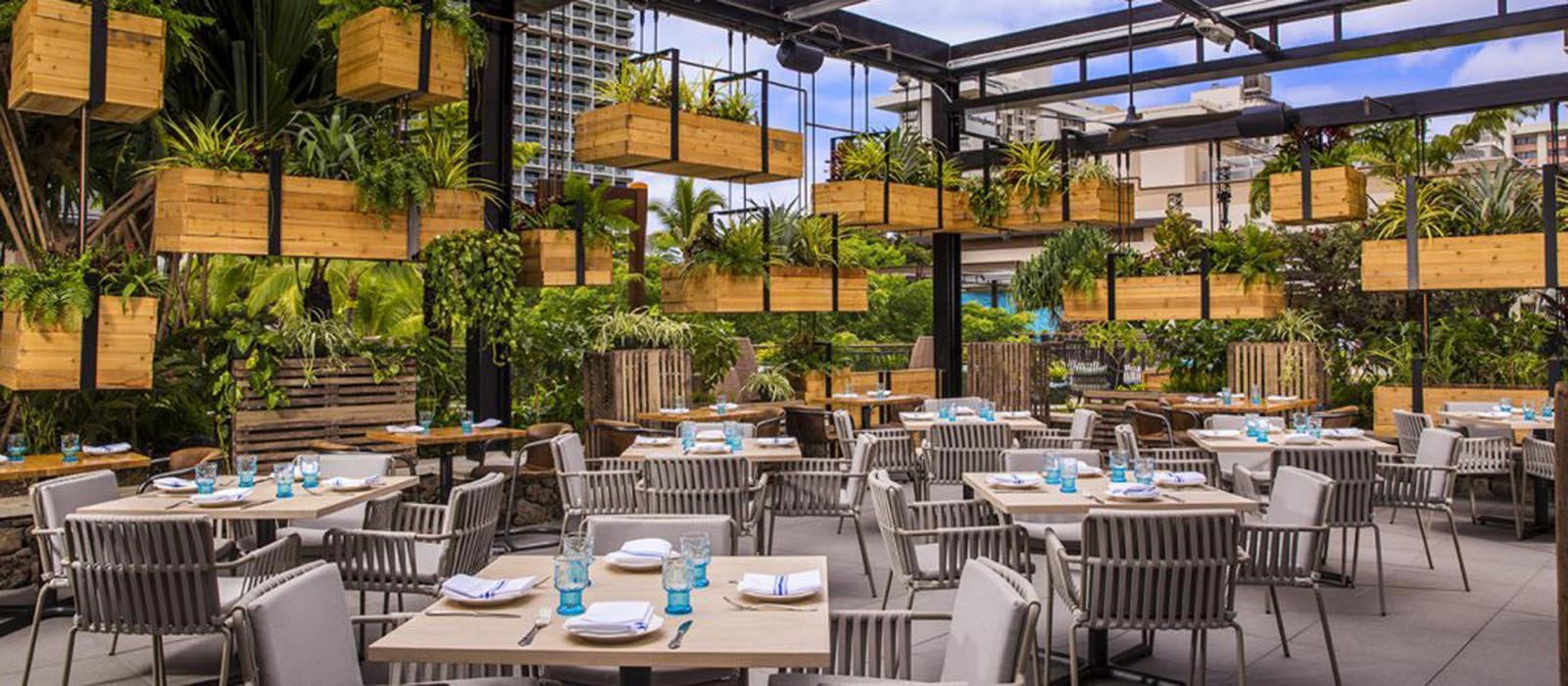
Bars in Urban Honolulu
Browse all →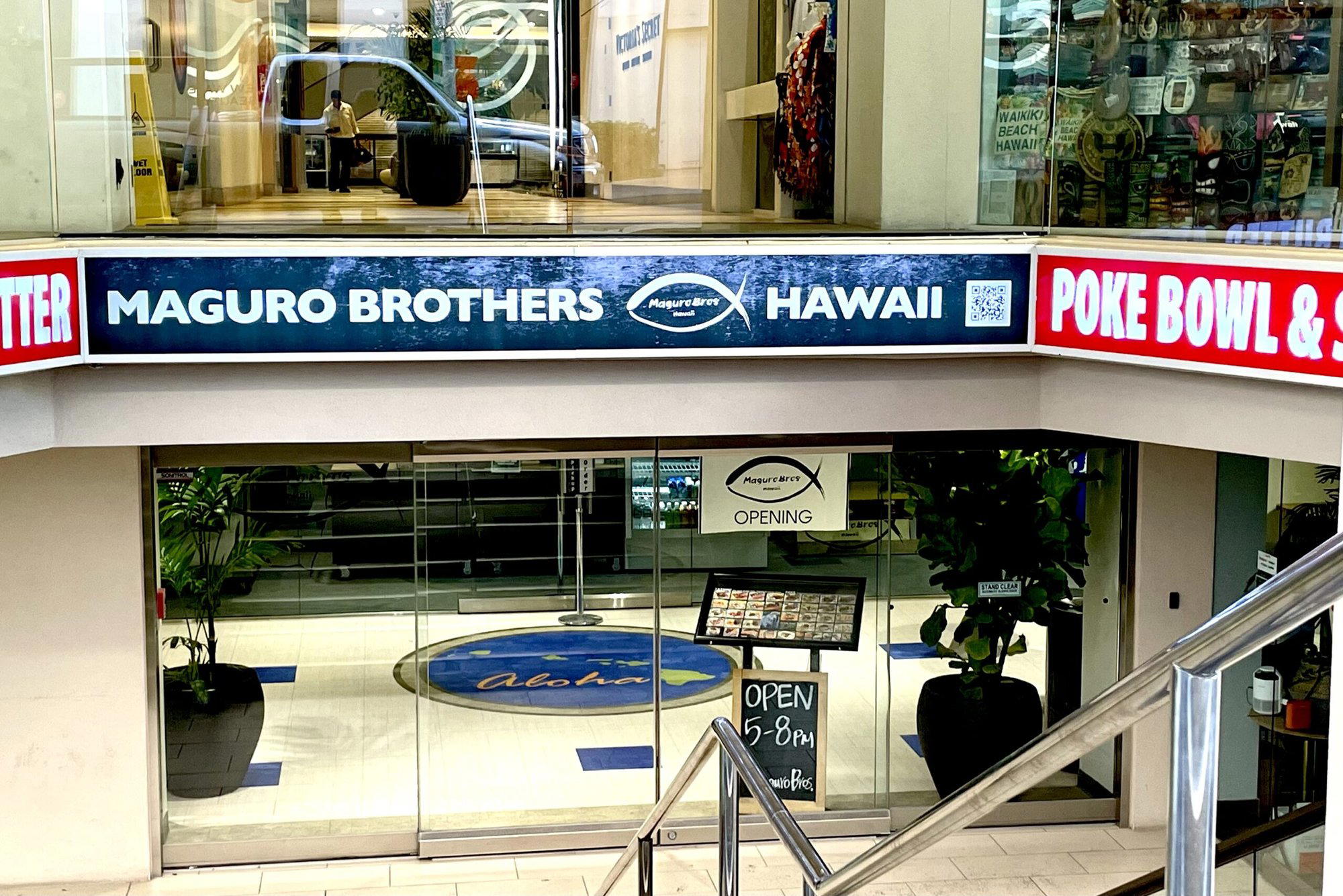
At a Glance
- Lively
- Scenic
- Trendy
- Hidden Gem
- Casual Hangout
- Date Night
- Group Dining
- Family
- Waterfront
- Rooftop
- Open Kitchen
- Chefs Counter
- Craft Cocktails
- Sake Program
- Local Sourcing
- Sustainable Seafood
- Waterfront
- Street Scene
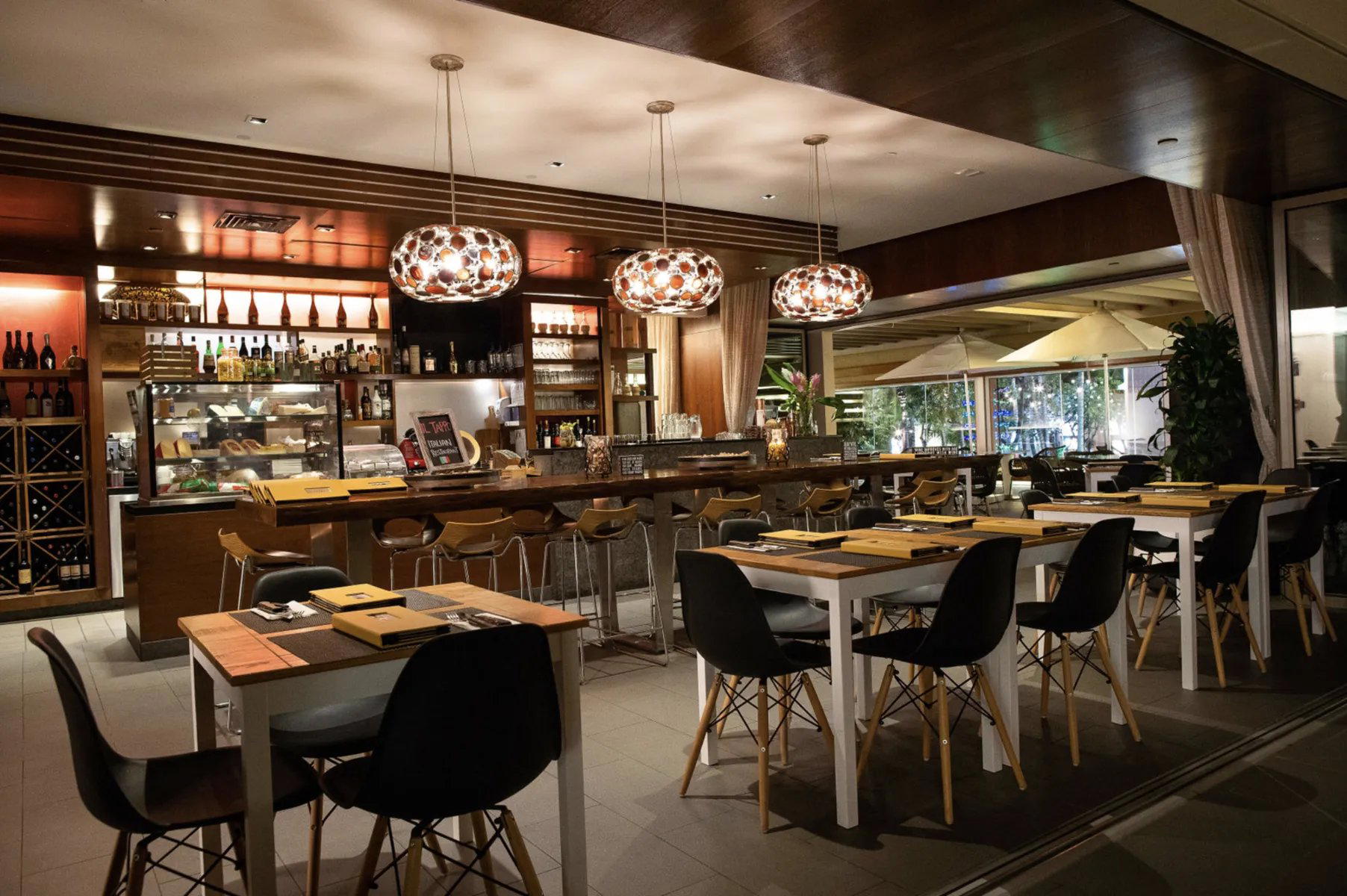
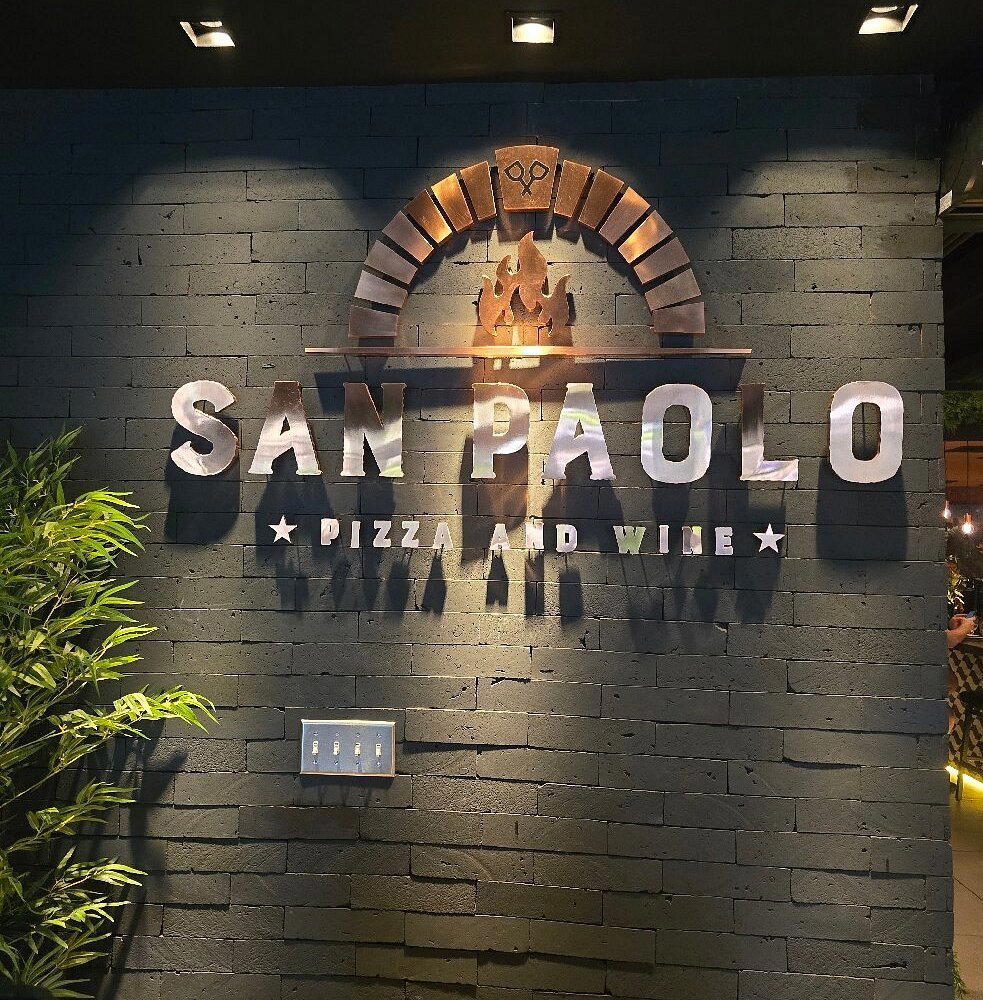
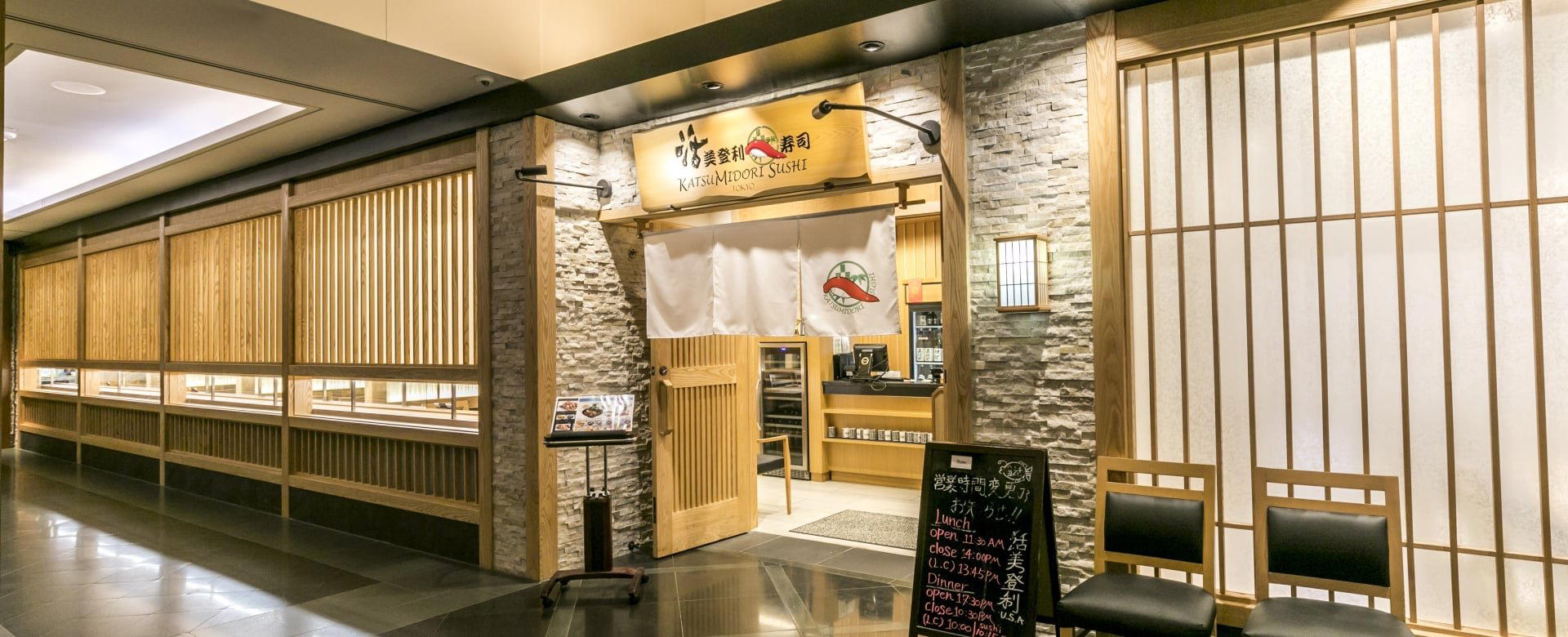
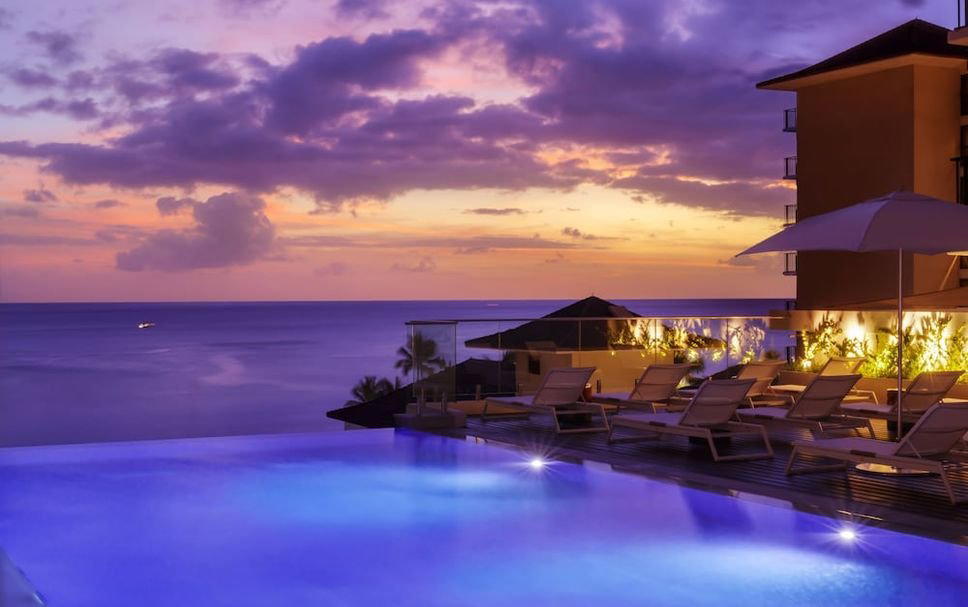
Casual to upscale dining environments with beachfront and rooftop settings; lively atmosphere with mix of tourist and local dining experiences.
- Ahi Poke
- Spicy Salmon Poke
- Tonkatsu
- Udon Noodles
- Mai Tai
- Macadamia Nut Crusted Fish