Tameesa

Michelin Bib Gourmand
Our verdict
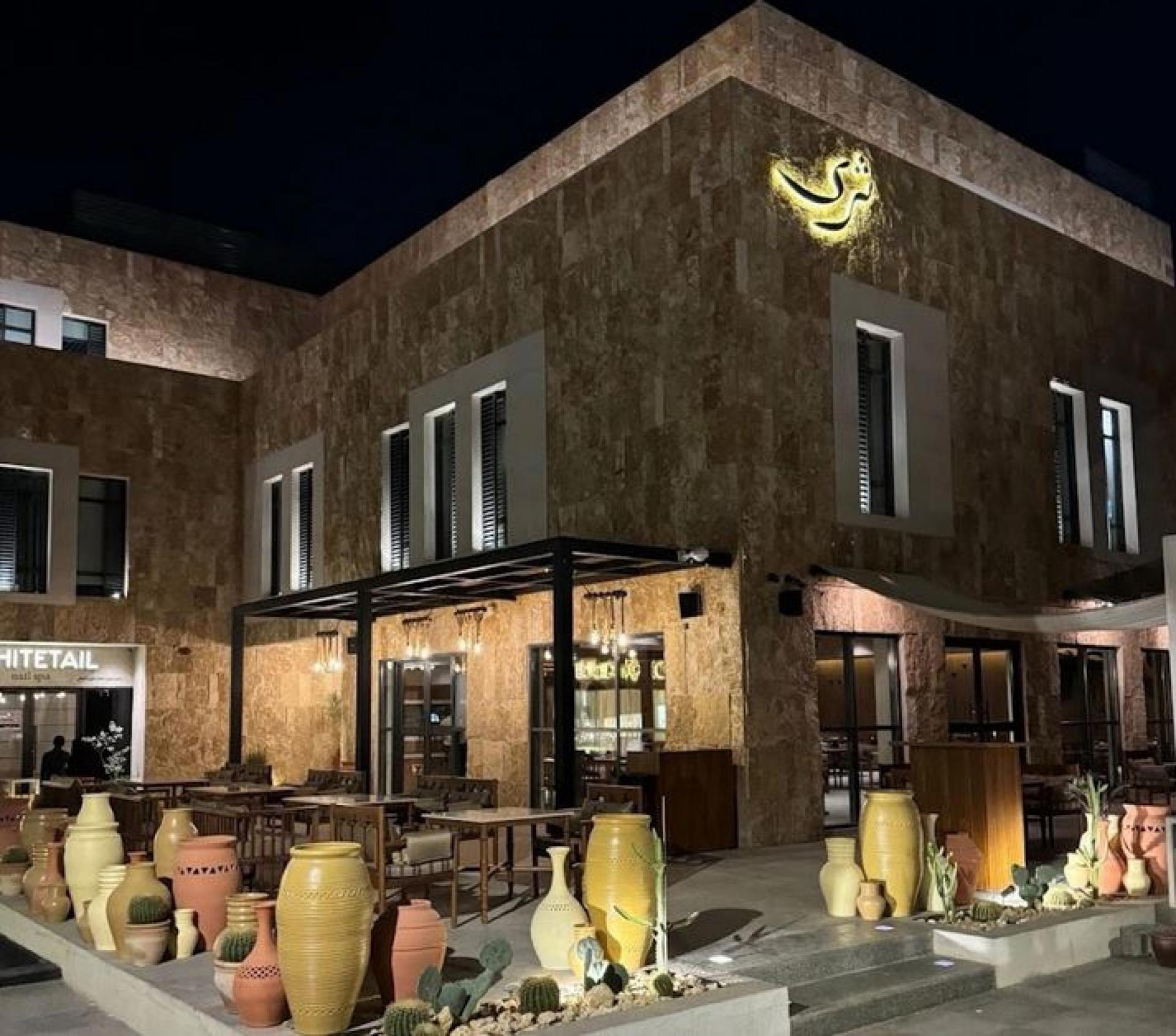
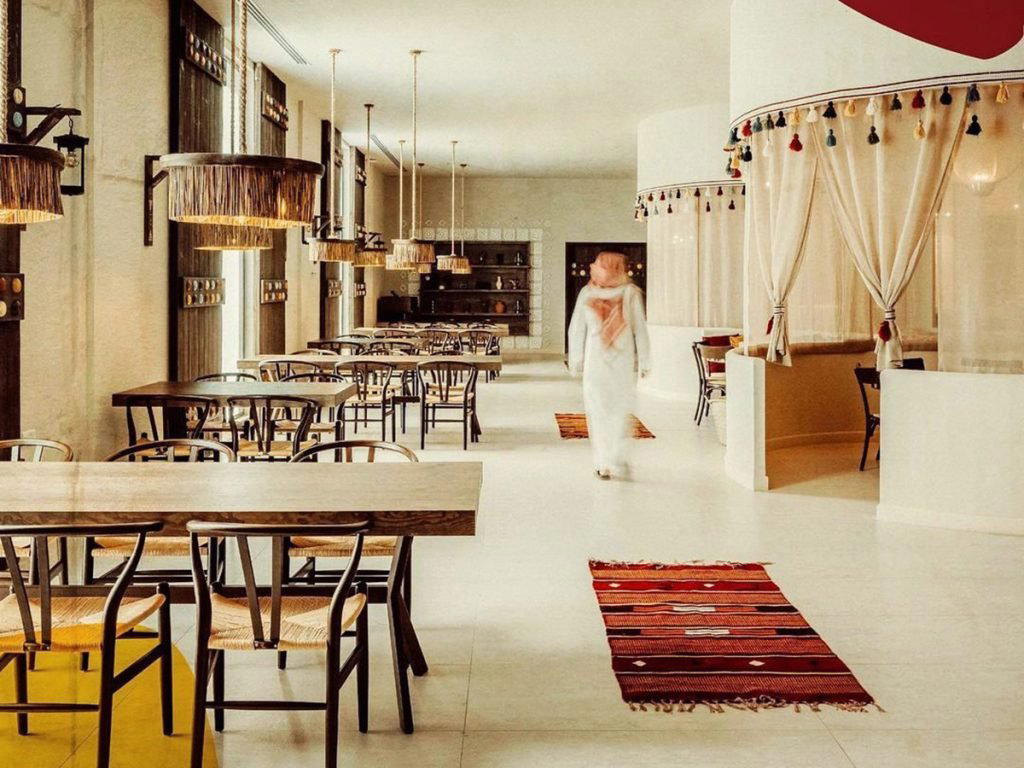
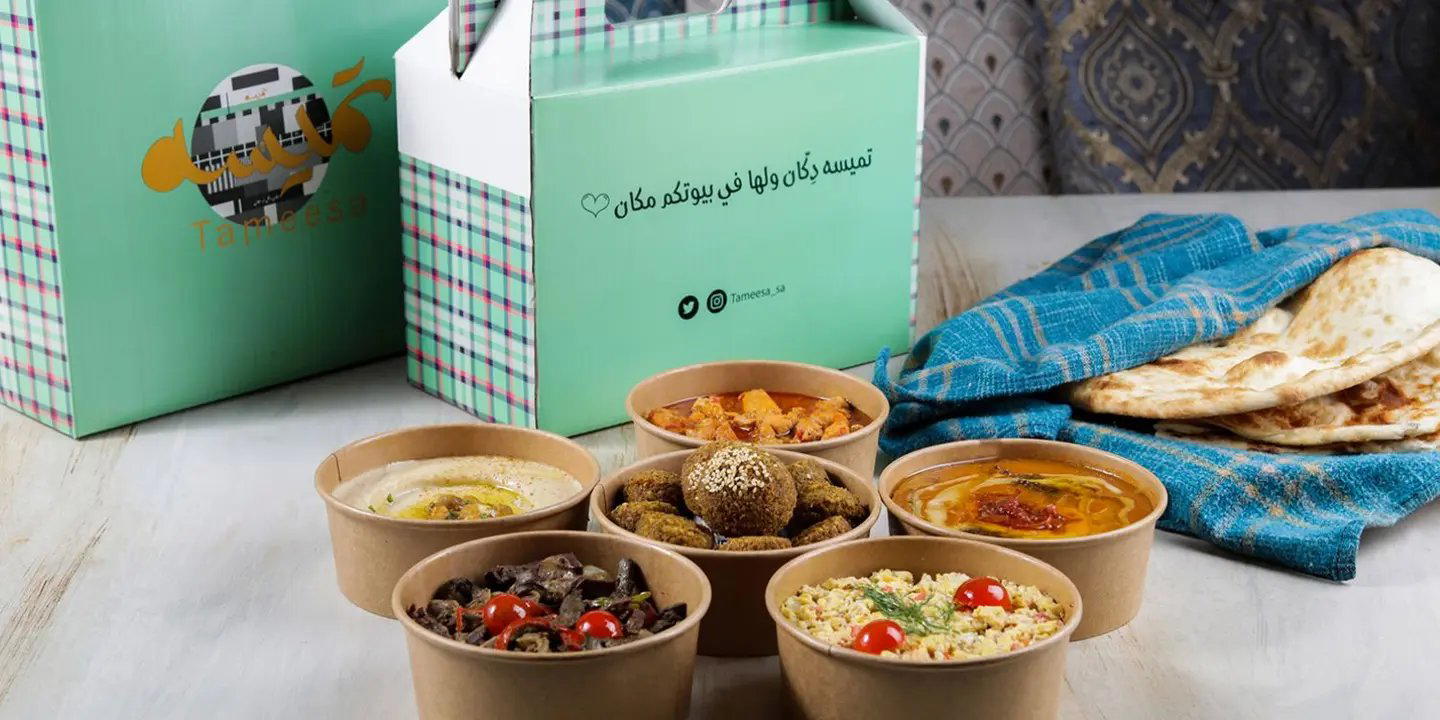
A Hijazi-style breakfast institution on King Abdul Aziz Branch Road in Alyasmin, Tameesa runs from early morning until mid-afternoon and builds its menu around communal sharing dishes: foul, moutabbal, mutabbaq, freshly tandoor-baked bread, tamees, and the sweet finish of areeka. The glass-fronted kitchen, retro interior, and generous portions at accessible prices make it a reliable read on traditional Saudi breakfast culture.

Pearl is the En Primeur Club membership app, where members save venues, book tables and use the concierge.
The menu
What to order
- Foul
- Moutabbal
- Mutabbaq
- Shakshouka
- Kebdah
- Areeka
- Tamees
Riyadh's breakfast scene has always operated on different logic from the city's dinner circuit. Where the evening restaurant trade competes on imported technique and global format, the morning end of the day belongs to a more specific inheritance: Hijazi cooking, communal plates, bread pulled from ovens while you wait. Tameesa, on King Abdul Aziz Branch Road in the Alyasmin district, sits firmly in that tradition and makes no concessions to the international-facing idiom that defines much of the capital's newer dining.
The Room and the Kitchen
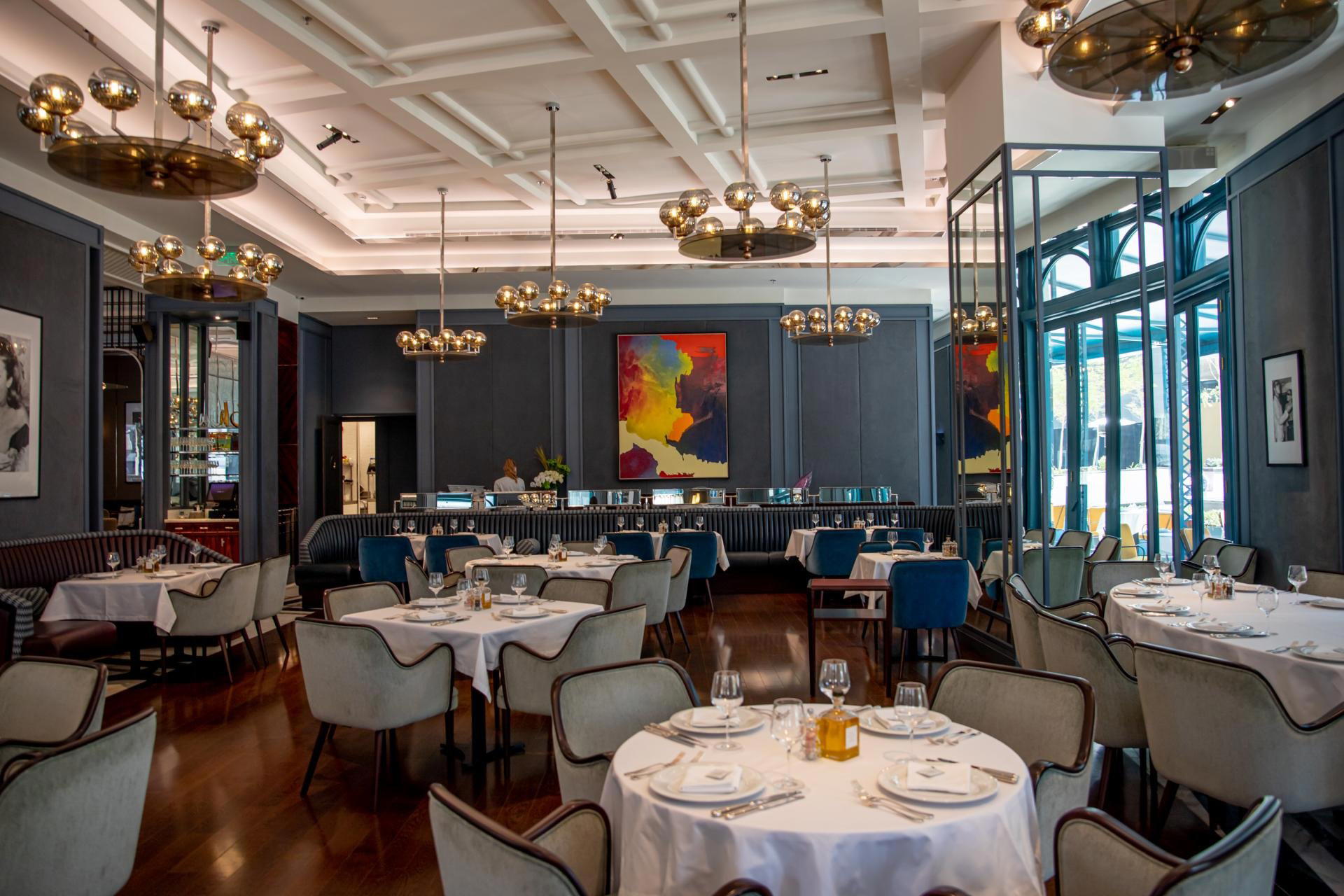
The interior reads as deliberately retro, bright colours, a graphic sensibility that signals intent rather than oversight. The defining architectural choice is the glass-fronted kitchen, which puts the production process in full view of the dining room. In a category where the quality of bread is the central measure, this transparency functions as a form of editorial statement: the tandoor oven is the centrepiece, and the operation is confident enough to let you watch. For context on how Riyadh's restaurant scene balances traditional formats against newer arrivals, see our full Riyadh restaurants guide.
Menu Architecture: Shared Plates as Structural Logic
The menu at Tameesa is built around a logic that predates the contemporary shared-plates trend by centuries. Hijazi cuisine, which developed along the western corridor of the Arabian Peninsula encompassing and Medina, organises eating around the table rather than the individual cover. Dishes arrive to be divided, combined, and paced by the group rather than timed by the kitchen. This is not a service style imposed onto a Western format, it is the format.
Anchoring dishes follow that grammar. Foul, the fermented fava bean puree that functions as both a staple and a litmus test for any kitchen working in this register, is a dish where small variables in seasoning, texture, and the quality of olive oil finishing reveal how seriously the kitchen takes its source material. Moutabbal, roasted aubergine with tahini, occupies a similar position: it is ubiquitous across the region, which means the version here is read against a wide regional reference set. Mutabbaq, the filled pastry that appears in various forms from Saudi Arabia through to Southeast Asia, anchors the more substantial end of the sharing spread.
Bread is not a supporting element here. The tandoor oven operating in the glass-fronted kitchen produces both the standard flatbreads and tamees, the soft, slightly chewy round loaf that gives the restaurant its name. In the Hijazi breakfast tradition, bread is the vehicle for the dips, the soaking agent for the foul, the structural component that makes the meal cohere. Ordering tamees here is effectively ordering the table's architecture. For comparison, Aseeb represents another point on Riyadh's spectrum of Saudi regional cooking.
The meal closes with areeka, a sweet dish built from bread, honey, and date syrup that reads as a deliberate counterpoint to the savoury spread. It functions as a structural endpoint, the signal that the communal spread is complete. Across the region's breakfast culture, the presence of a sweet close is a marker of hospitality rather than a dessert category in the Western sense.
Price, Timing, and the Morning Format
Tameesa operates from early morning until mid-afternoon, a schedule that defines it as a breakfast and brunch destination rather than an all-day operation. This timing is consistent with how Hijazi breakfast restaurants function, the format is morning-anchored, and the kitchen's rhythm is built around the early service window. The pricing, described as accessible relative to the generosity of portions, places it in a different tier from Riyadh's dinner-focused restaurants. For those exploring the city's broader hospitality offer, our full Riyadh hotels guide, bars guide, and experiences guide cover the wider picture.
The morning-to-afternoon format also shapes how the restaurant is used. Breakfast in this tradition is not a rushed meal, it is a social occasion that can extend through multiple rounds of bread and tea. The shared-plate structure accommodates groups ordering broadly and replenishing what runs out, rather than working through a fixed sequence.
Hijazi Cooking in Riyadh's Wider Restaurant Context
Saudi Arabia's regional cuisines remain underrepresented in the international food media relative to the country's gastronomic depth. Hijazi cooking in particular sits in a distinct position: historically shaped by pilgrimage traffic through and Medina, it absorbed influences from across the Islamic world over centuries while maintaining its own structural vocabulary of legumes, bread, and shared-table eating. In Riyadh, which is Najdi in its own culinary heritage, Hijazi cooking operates as a regional import with strong urban familiarity.
For comparison points within the Saudi regional restaurant category, Kuuru in Jeddah represents the western coastal register, while Harrat in AlUla works from the northwest's distinct tradition. Within Riyadh itself, the dining scene spans formats from Marble and Myazu at the international end to Benoit in the French bistro register, Tameesa occupies the opposite pole, where the argument for Saudi culinary identity is made through fidelity to a regional tradition rather than through fusion or imported technique. Globally, breakfast formats anchored in communal grain and legume dishes have their equivalents from Emeril's in New Orleans to the morning counters of Hong Kong, but the Hijazi format is specifically its own, shaped by a geography and a hospitality culture with no direct Western parallel.
For those building a broader picture of what serious restaurant cooking looks like across formats, the contrast between a place like Le Bernardin in New York City or Alinea in Chicago and a Hijazi breakfast house is instructive: both are serious, both are structured, but the measures of seriousness are entirely different. At Tameesa, the standard is set by the bread, the foul, and how generously the table is fed. The Lazy Bear in San Francisco model of chef-as-author is simply a different conversation. Even the Alain Ducasse Louis XV in Monte Carlo tradition of formal European service operates from assumptions about individuation and sequence that Hijazi communal eating does not share.
Also worth noting for context: the Lunch Room in Dubai represents the Gulf region's café-casual end of the day-eating spectrum, and the contrast with Tameesa illustrates how differently the morning meal can be framed across the region.
Planning Your Visit
Frequently asked questions
Where exactly is Tameesa?
Tameesa is located at King Abdul Aziz Branch Road, Alyasmin, Riyadh.
Does Tameesa have a Michelin star or similar recognition?
Tameesa has received recognition including: Open from early in the morning until mid-afternoon and often referred to as a traditional Saudi Arabian breakfast restaurant, this place is much more than that. A bright, colourful and slightly retro interior has the chefs visible in their ….
What's the must-try dish at Tameesa?
Order the foul (fermented fava bean puree), mutabbaq, and moutabbal as a baseline, these are the dishes the restaurant is built around and are designed for sharing. The freshly prepared tandoor bread and tamees are non-negotiable accompaniments. Finish with areeka, a sweet traditional dessert that closes the meal in classically Hijazi fashion.
Can I walk in to Tameesa?
No booking information is publicly documented for Tameesa, and the restaurant's morning-to-mid-afternoon format on King Abdul Aziz Branch Road in Alyasmin typically draws a local crowd for breakfast. Arriving early in the morning is the most reliable approach to securing a table, particularly on weekends.
What's the signature at Tameesa?
The tamees, the namesake flatbread, is the structural anchor of the meal, baked fresh in a tandoor oven and intended to accompany the full spread of Hijazi sharing dishes. Paired with foul and moutabbal, it functions as both utensil and centrepiece. The portions are generous and the pricing is accessible, which is part of what defines the restaurant's character.
How does Tameesa handle allergies?
Given that the menu centres on Hijazi staples, foul, tandoor bread, mutabbaq, and areeka, guests with gluten sensitivities or legume allergies should raise concerns directly with staff before ordering, as these ingredients appear across the core dishes.
Is Tameesa a good option for experiencing authentic Hijazi cuisine in Riyadh?
Hijazi cooking represents one of Saudi Arabia's most historically significant regional traditions, rooted in the culture of the Hejaz region including Mecca and Jeddah, yet it remains underrepresented in Riyadh's restaurant scene. Tameesa addresses that gap directly, structuring its entire menu around Hijazi-style sharing dishes in a city where the cuisine is rarely given a dedicated platform. The glass-fronted kitchen and retro interior signal a deliberate commitment to the format rather than a casual nod to heritage.
Recognition, Side-by-Side
Comparable venues nearby, for context on price, style, and recognition.
| Venue | Cuisine | Price | Awards | Notes |
|---|---|---|---|---|
| TameesaThis venue (the venue you are viewing) | Traditional Saudi Arabian Hijazi Cuisine | $10–20 | Michelin Bib Gourmand | Not listed |
| Fi Glbak | Authentic Saudi Regional Cuisine | $30–50 | Michelin Bib Gourmand | Al Muhammadiyah |
| Tofareya | Traditional Saudi Regional Cuisine | $20–30 | Michelin Plate | Al Malqa |
| Tanjiah | Moroccan Fusion | $30–50 | Michelin Plate | King Fahd |
| Yawmiyat By Dalal | Homestyle Lebanese | $20–30 | Michelin Plate | Al Woroud |
| OVUN Bistro | Lebanese Bistro | Not listed | Michelin Plate | Al Sulaimaniyah |
Recognition history
Dated appearances from independent guides and award organizations, with the underlying list record or original source where available.
Michelin Bib Gourmand
Michelin