Tanjiah

Michelin Plate
Our verdict
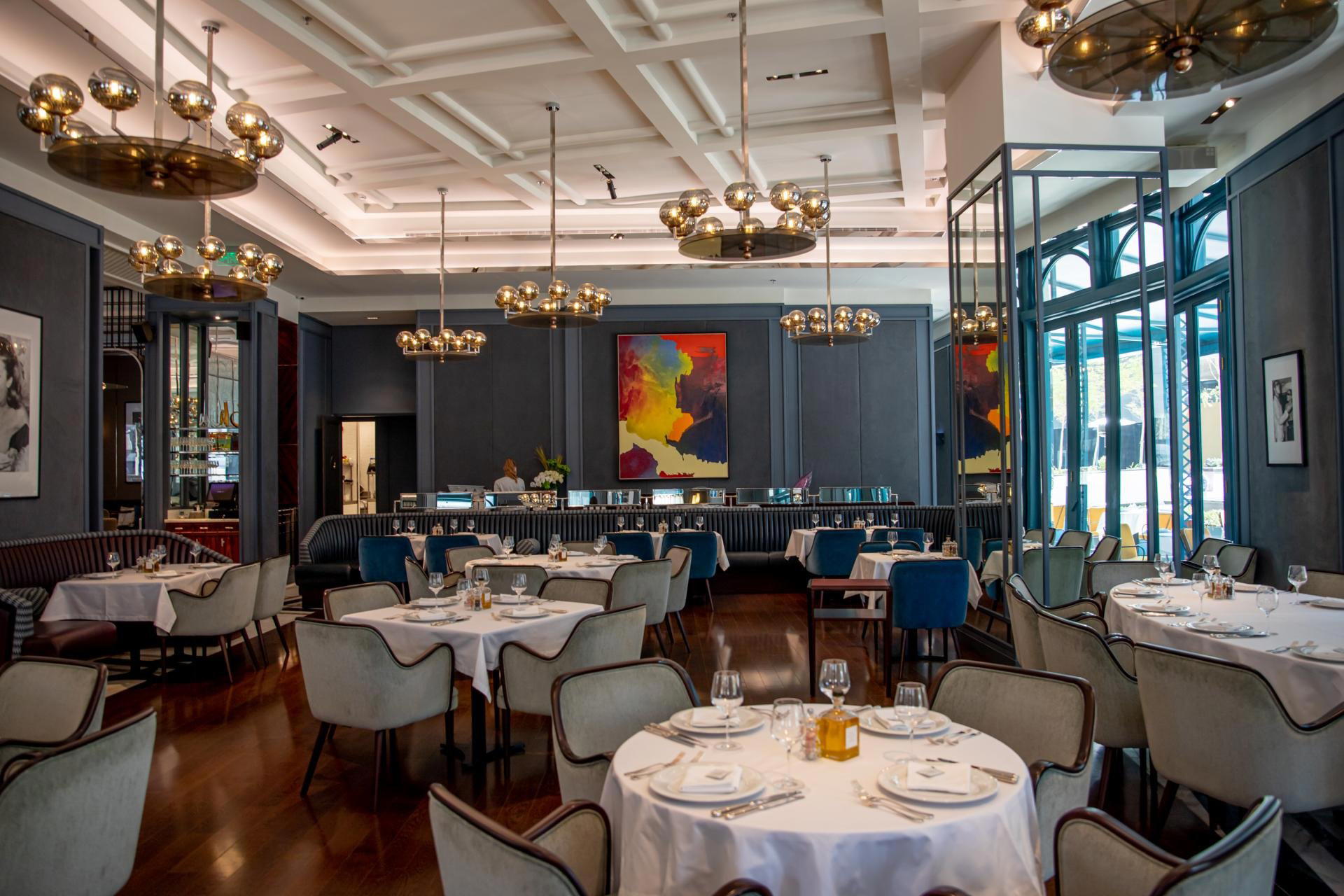
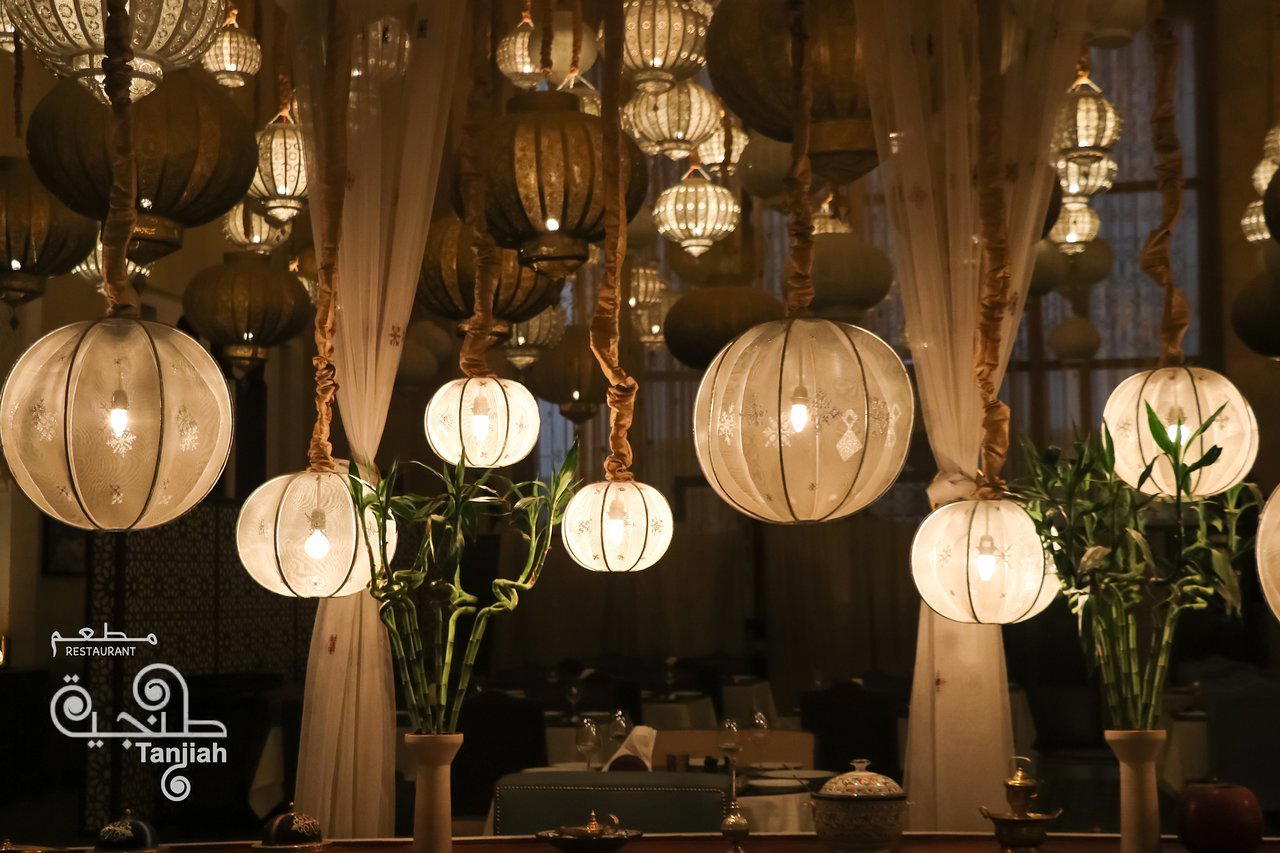
A Moroccan restaurant in Riyadh's King Fahd neighbourhood, Tanjiah draws on the sensory language of North African interiors — lampshades cascading from the ceiling, authentic artefacts filling a spacious room — to frame a menu anchored in pastilla, tagine, and the kind of slow-cooked flavour that defines the Moroccan table. The welcome is warm, the service consistent, and the atmosphere closer to a Maghrebi home than a hotel dining room.

Pearl is the En Primeur Club membership app — saves, bookings, and concierge access live there. Same editors, same standards.
- Address
- Imam Saud Bin Abdulaziz Bin Mohammed Road, King Fahd
- Phone
- +966 11 470 5554
- Hours
- Mon–Wed 7 AM–12 AMThu–Fri 7 AM–2 AMSat–Sun 7 AM–12 AM
- Website
- instagram.com
- Directions
- Get directions
The menu
What to order
- Tajine Lamb with Prunes and Cashews
- Chicken Pastilla
- Tajine Shrimp
- Moroccan Tea
A Room That Announces Itself
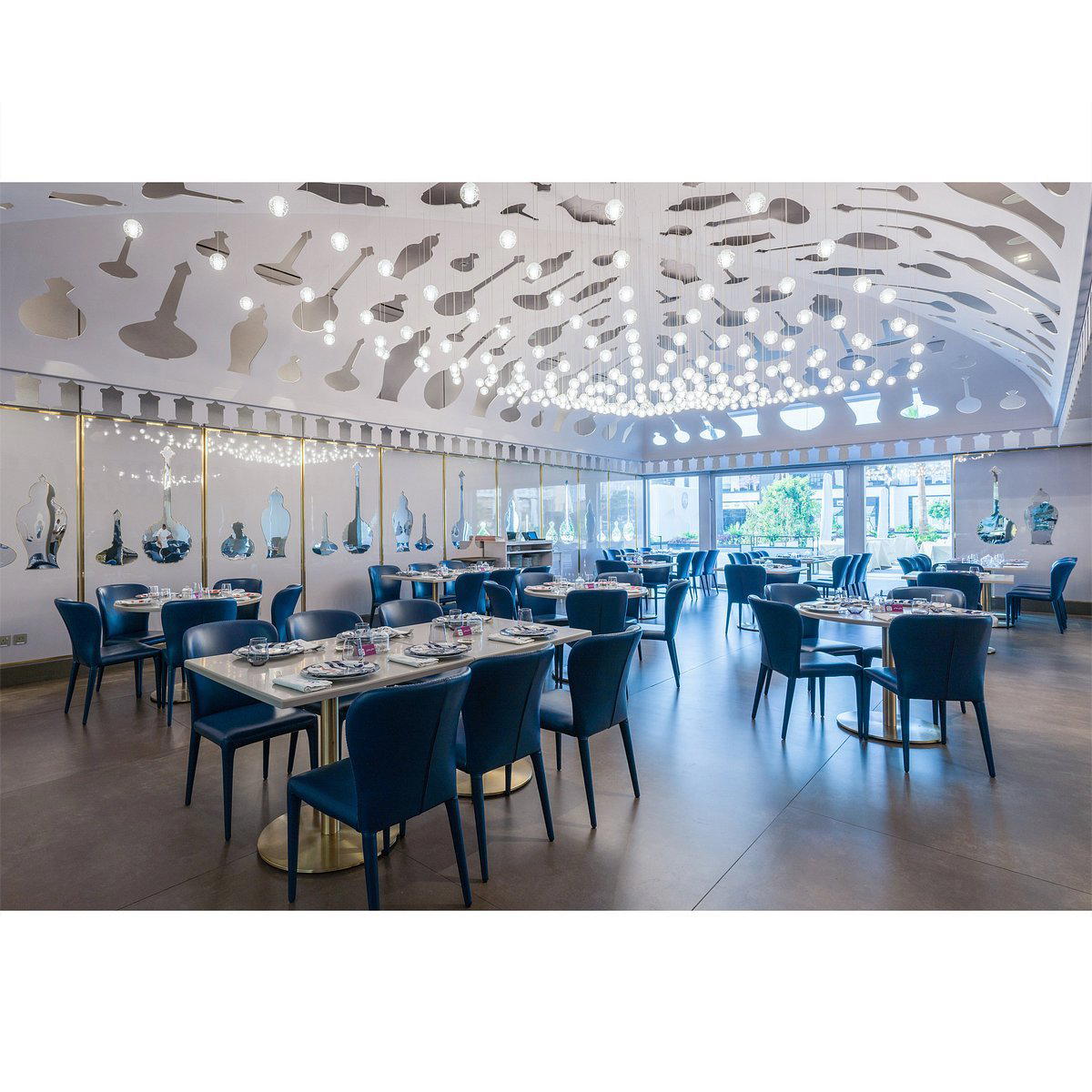
Walking into Tanjiah, the first thing that registers is the ceiling. Dozens of Moroccan lampshades hang at varying heights, their perforated metalwork casting fractured light across the room below — a visual effect that is less decorative accent and more architectural statement. This is a deliberate design language, one rooted in the Maghrebi tradition of using light, pattern, and layered textile as the primary tools of interior warmth. Riyadh's dining scene has absorbed a wide range of international references in recent years, from the Japanese counter formats at Myazu to the French bistro positioning of Benoit, but North African hospitality occupies a distinct register: immersive, tactile, and built around the idea that atmosphere is itself a form of welcome.
The artefacts spread across Tanjiah's spacious interior reinforce that point. These are not generic decorative props selected for vague exoticism but objects that speak to a specific cultural tradition — the kind of curation that positions the room closer to a well-appointed Moroccan home than a themed restaurant. That distinction matters. In a city where large-footprint dining rooms can tip quickly into spectacle, the domestic scale of Tanjiah's atmosphere holds something back, keeps the room from feeling performative.
The King Fahd Setting
Tanjiah sits on Imam Saud Bin Abdulaziz Bin Mohammed Road in the King Fahd neighbourhood, positioned within comfortable reach of Riyadh's Financial District. That location places it in a part of the city where the dining offer has broadened significantly over the past decade, with a mix of international formats and Saudi-focused concepts occupying the same general corridor. For reference, Marble and Aseeb operate in a similar geographical band, each staking out a different culinary identity. Tanjiah's Moroccan focus gives it a clear point of differentiation in a neighbourhood where variety, more than specialism, tends to define the offer.
The proximity to the Financial District also has practical implications for timing. Weekday lunch trade in this part of Riyadh draws from the surrounding office population, while evenings tend to skew toward longer, more social meals, a rhythm that suits the Moroccan dining format, where slow-cooked dishes and a hospitable room naturally extend the table time. For those visiting Riyadh more broadly, our full Riyadh restaurants guide maps the wider landscape, and our full Riyadh hotels guide covers accommodation options across the city's key neighbourhoods.
What the Menu Does
Moroccan cuisine operates in a longer tradition than much of what Riyadh's international dining circuit tends to prioritise. Where Japanese omakase formats or European tasting menus build around precision and seasonality, the Moroccan kitchen works through accumulation: spice layers that develop over hours, pastry that demands patience, preserved ingredients that carry months of preparation into a single bite. That depth is harder to execute at volume and easier to shortchange in a format built for speed.
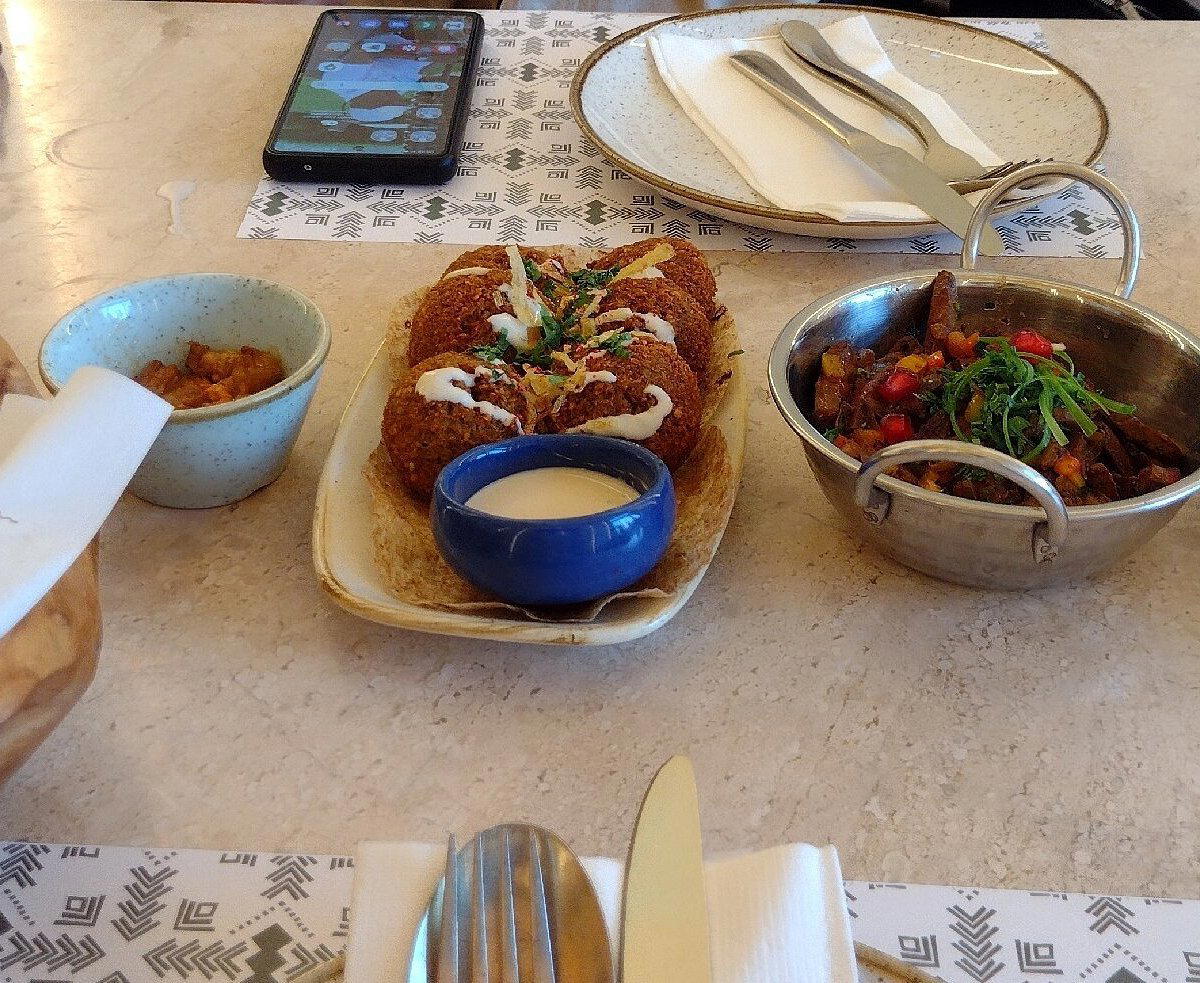
Tanjiah's menu draws on that tradition with two dishes that registered as particularly strong: the pastilla and the tagine. The pastilla, Morocco's layered pastry of meat (traditionally pigeon, often chicken in contemporary settings), almonds, and warm spice, dusted with powdered sugar and cinnamon, is one of the more technically demanding dishes in the North African canon. It requires the kind of labour and timing that distinguishes a kitchen with genuine commitment to the cuisine from one treating Moroccan food as a decorative backdrop. The tagine, meanwhile, is the format through which slow-cooked flavour is most directly communicated: protein and aromatics sealed in the conical clay vessel that gives the dish its name, the steam cycling back into the sauce over hours.
These are hearty dishes in the truest sense of that word, substantial, warming, and built around the idea that a meal is also a form of hospitality. That alignment between what the kitchen produces and what the room communicates is one of the more coherent things about Tanjiah's overall offer. For context on how other cuisines handle this relationship between space and plate across the region, Harrat in AlUla and Kuuru in Jeddah each take a different approach to grounding a dining room in a specific cultural register.
Service and Atmosphere
The service at Tanjiah extends the warmth of the room rather than operating in contrast to it. In a city where service styles range from the formal European model, still visible at places like Alain Ducasse at Louis XV in the global fine dining conversation, to the more casual formats increasingly common in Riyadh's newer openings, Moroccan hospitality occupies a middle position: generous and attentive without being stiff. The welcome at Tanjiah has been noted as a consistent part of the experience, which in practice means the temperature of the room is set from arrival rather than being something guests have to warm themselves into.
That consistency is not incidental. In the Moroccan tradition, hospitality is not a service layer added onto food; it is the framing through which food is understood. The room, the service, and the menu are meant to communicate a single idea. When that coherence holds, the effect is closer to being received than simply seated, a distinction that higher-end formats globally have been attempting to recover through elaborate hospitality programming. Tanjiah achieves it through cultural specificity rather than designed ritual.
Where It Sits in the Riyadh Picture
Riyadh's dining scene has diversified rapidly, with premium formats arriving from multiple international cuisines and Saudi-focused concepts asserting their own authority alongside them. Within that context, Moroccan cuisine occupies a niche that is adjacent to but distinct from the broader Arab dining tradition. The flavour profiles, the pastry techniques, and the architectural language of the Moroccan table come from a specific North African lineage, and restaurants that handle that lineage with genuine seriousness are a smaller subset than the general category might imply.
Tanjiah's positioning in King Fahd, its design commitment, and the kitchen's handling of technically demanding dishes like pastilla place it on the more considered end of that spectrum. For diners working through Riyadh's wider offer, the city's bars, wineries, and experiences guides round out the picture beyond the restaurant circuit. Internationally, the question of how specific cultural dining traditions translate into a metropolitan context is one that restaurants from Le Bernardin in New York City to Alinea in Chicago and Lazy Bear in San Francisco have each answered differently. Tanjiah's answer is to stay close to source.
Planning Your Visit
Tanjiah is located on Imam Saud Bin Abdulaziz Bin Mohammed Road in the King Fahd neighbourhood, accessible from the Financial District. Given the absence of a published phone or website, the most reliable approach is to contact the restaurant directly through the venue or through the building management for the King Fahd address. Evening visits on weekdays tend to offer a more relaxed pacing than weekend service, when the room fills and the social atmosphere intensifies. For a longer, slower meal, the format the menu is genuinely built for, arriving early in the evening window makes the most sense.
Frequently asked questions
How do I find Tanjiah?
Tanjiah is located at Imam Saud Bin Abdulaziz Bin Mohammed Road, King Fahd, Riyadh.
What distinctions does Tanjiah have?
Tanjiah has received recognition including: Set within the King Fahd neighbourhood, not too far away from the bustling Financial District, is this Moroccan restaurant with its eye-catching décor. A feeling of warmth starts from the welcome to the interior design, and continues with t….
What do regulars order at Tanjiah?
The pastilla and tagine are the two dishes most consistently noted by diners. The pastilla — a sweet-savoury Moroccan pie — is one of the more technically specific dishes in the North African canon, and Tanjiah's version has drawn particular attention. The tagine rounds out the core of the menu with the slow-cooked depth the format is built around.
Should I book Tanjiah in advance?
Reservation information is not listed on a public booking platform at this time, so contacting the restaurant directly via their physical address on Imam Saud Bin Abdulaziz Bin Mohammed Road in the King Fahd neighbourhood is the most reliable approach. Given its position near Riyadh's Financial District and its reputation for warm, attentive service, evenings and weekends are likely to fill. Arriving without a reservation carries some risk during peak hours.
What's the standout thing about Tanjiah?
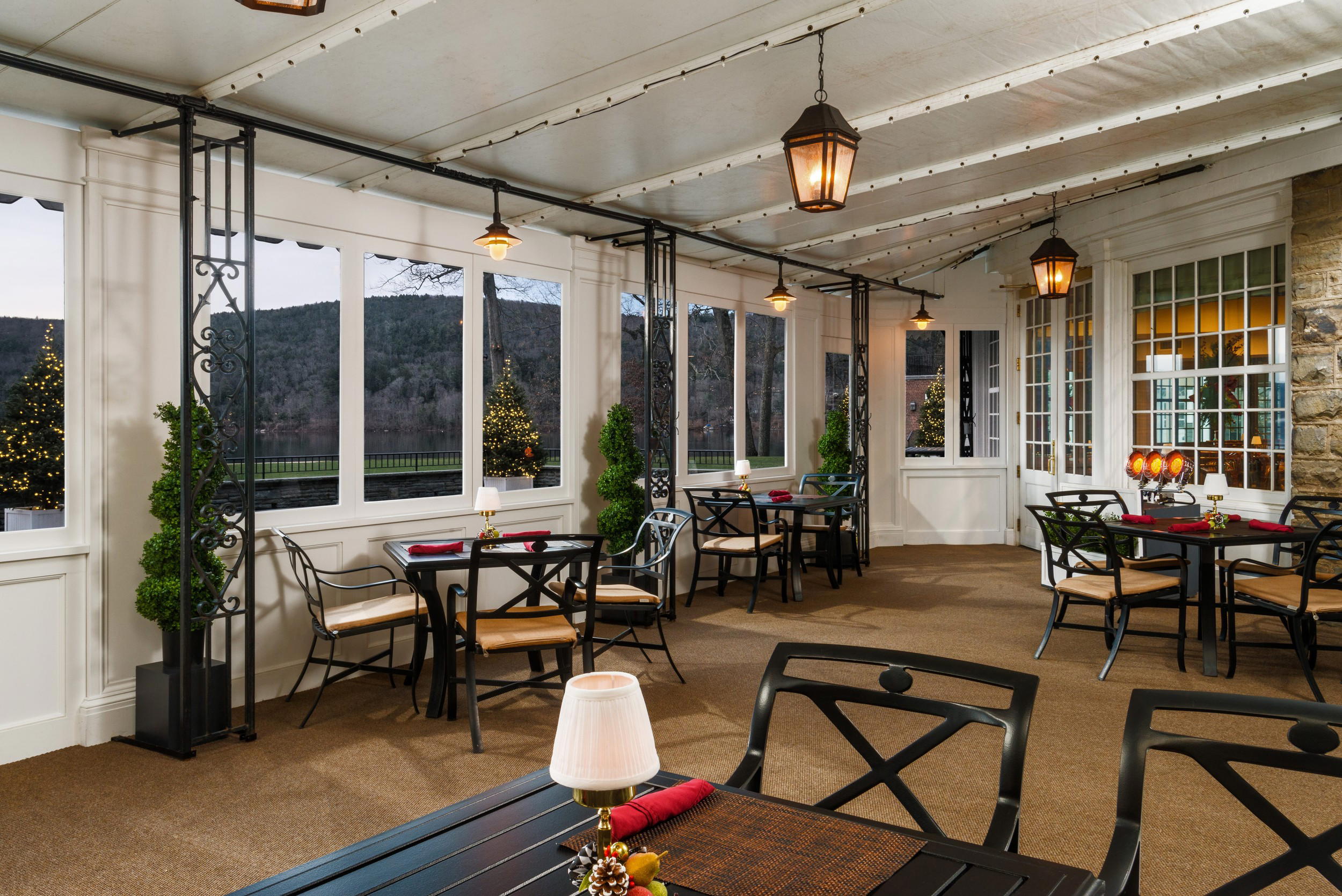
The interior design does most of the immediate work: dozens of perforated Moroccan lampshades hang from the ceiling at varying heights, and authentic artefacts are placed throughout a spacious room that reads as an assembled Moroccan home rather than a themed restaurant. The effect is decorative but also functional — the room feels warm and contained. That atmosphere, paired with service described as genuinely welcoming, is what separates Tanjiah from Riyadh's more format-driven international dining options.
Is Tanjiah allergy-friendly?
Moroccan cuisine traditionally incorporates nuts, gluten, and animal proteins in foundational dishes like pastilla and tagine, so diners with specific allergies should check the venue's official channels on Imam Saud Bin Abdulaziz Bin Mohammed Road before visiting to confirm what the kitchen can accommodate.
Is Tanjiah one of the few dedicated Moroccan restaurants in Riyadh?
Riyadh's dining circuit has expanded rapidly across Japanese, European, and Gulf cuisines, but dedicated Moroccan restaurants remain a smaller category within the city's offerings. Tanjiah occupies that space in the King Fahd neighbourhood, drawing on North African cooking traditions — the tagine, the pastilla, the communal warmth of a Moroccan dining room — that don't surface often in Riyadh's more prominent international formats. For diners specifically seeking Moroccan cuisine in the Saudi capital, the options are narrow enough that Tanjiah functions as a clear reference point.
Peers Worth Knowing
Comparable venues nearby, for context on price, style, and recognition.
| Venue | Cuisine | Price | Awards | Notes |
|---|---|---|---|---|
| TanjiahThis venue — the venue you are viewing | Moroccan Fusion | $30–50 | Michelin Plate | Not listed |
| MLLE | Modern Lebanese | Not listed | Michelin Plate | Umm Al Hamam Al Gharbi |
| Lusin | Armenian Fine Dining | $50–100 | Michelin Plate | Al Olaya |
| Tofareya | Traditional Saudi Regional Cuisine | $20–30 | Michelin Plate | Al Malqa |
| Yawmiyat By Dalal | Homestyle Lebanese | $20–30 | Michelin Plate | Al Woroud |
| Namu | Korean BBQ | $50–100 | Michelin Plate | King Saud University |
Recognition history
Dated appearances from independent guides and award organizations, with the underlying list record or original source where available.
Michelin Plate
Michelin