OVUN Bistro

Michelin Plate
Our verdict
A fixture on Al Dabab Street in As Sulimaniyah, OVUN Bistro draws a steady local crowd with generous, well-priced Lebanese cooking served from breakfast through late evening. The menu anchors on sharing plates, from muhamarrah and warm breads to charcoal-kissed kebabs, with regional influences rounding out a format that rewards communal dining. The light, welcoming interior and attentive service make it a practical and satisfying choice in central Riyadh.

Pearl is the En Primeur Club membership app, where members save venues, book tables and use the concierge.
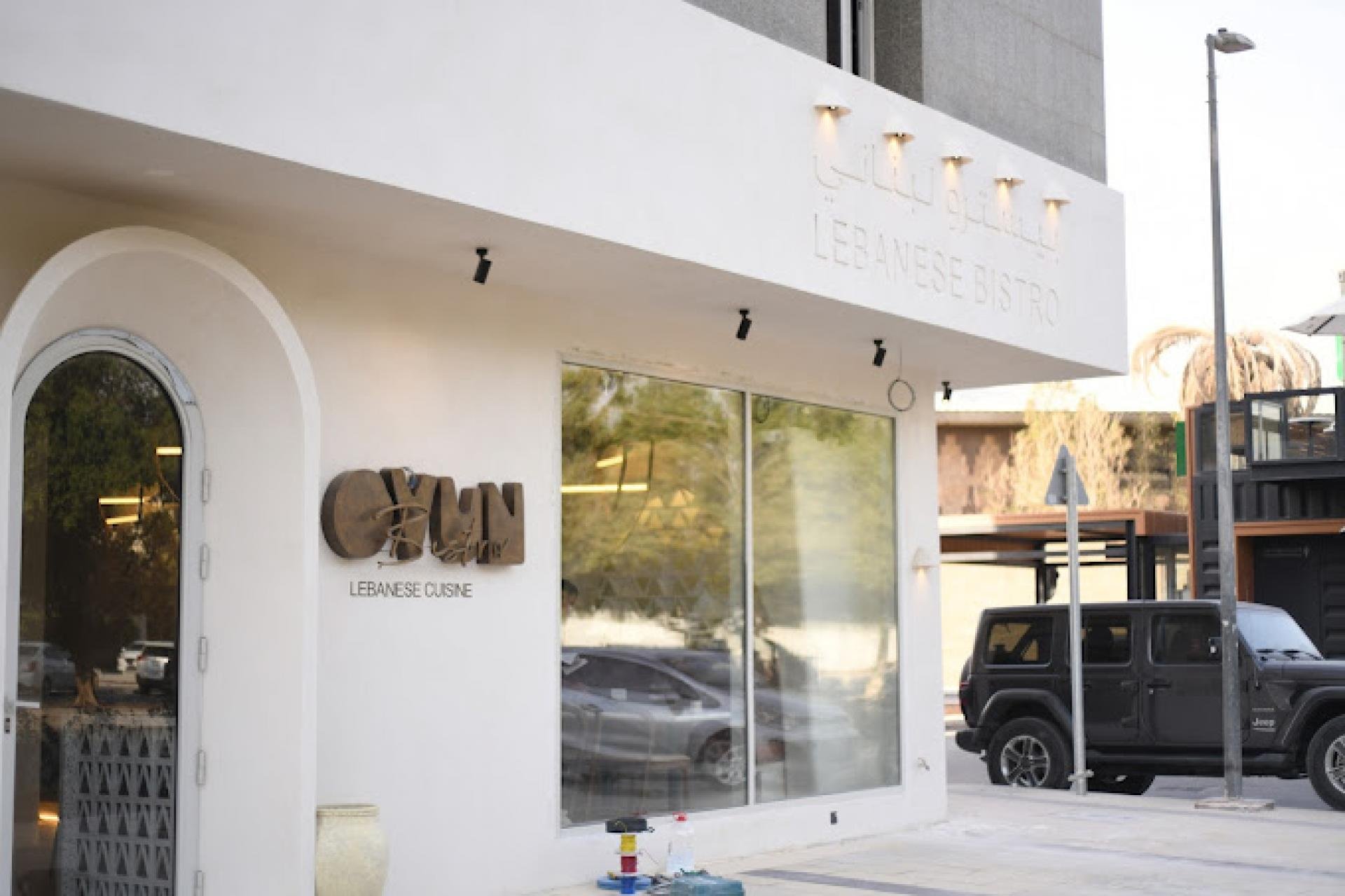
Riyadh's dining scene has undergone a pronounced shift in how it frames authenticity. Where the city once leaned heavily on grand-format Lebanese restaurants designed to impress through scale, a quieter countermovement has taken hold in the Sulimaniyah corridor: neighbourhood bistros that earn loyalty through consistency, portion honesty, and a menu grounded in the actual rhythms of Levantine home cooking rather than its hotel-lobby interpretation. OVUN Bistro sits firmly in this second category, and its steady popularity with local regulars on Al Dabab Street is the clearest evidence of that positioning.
The Room and the Register
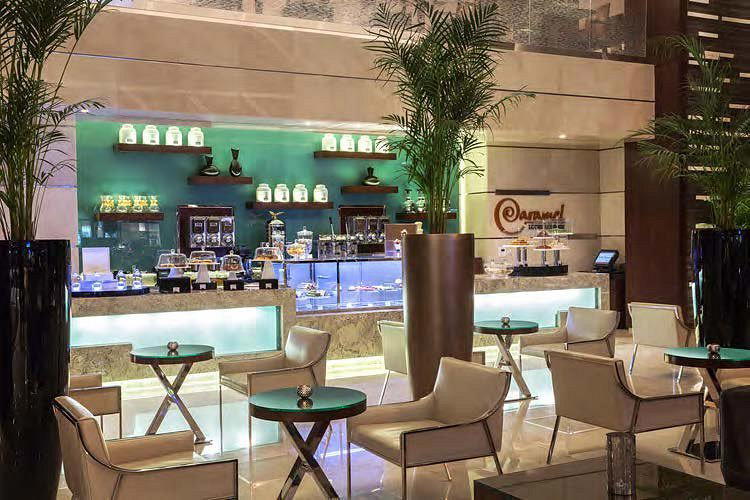
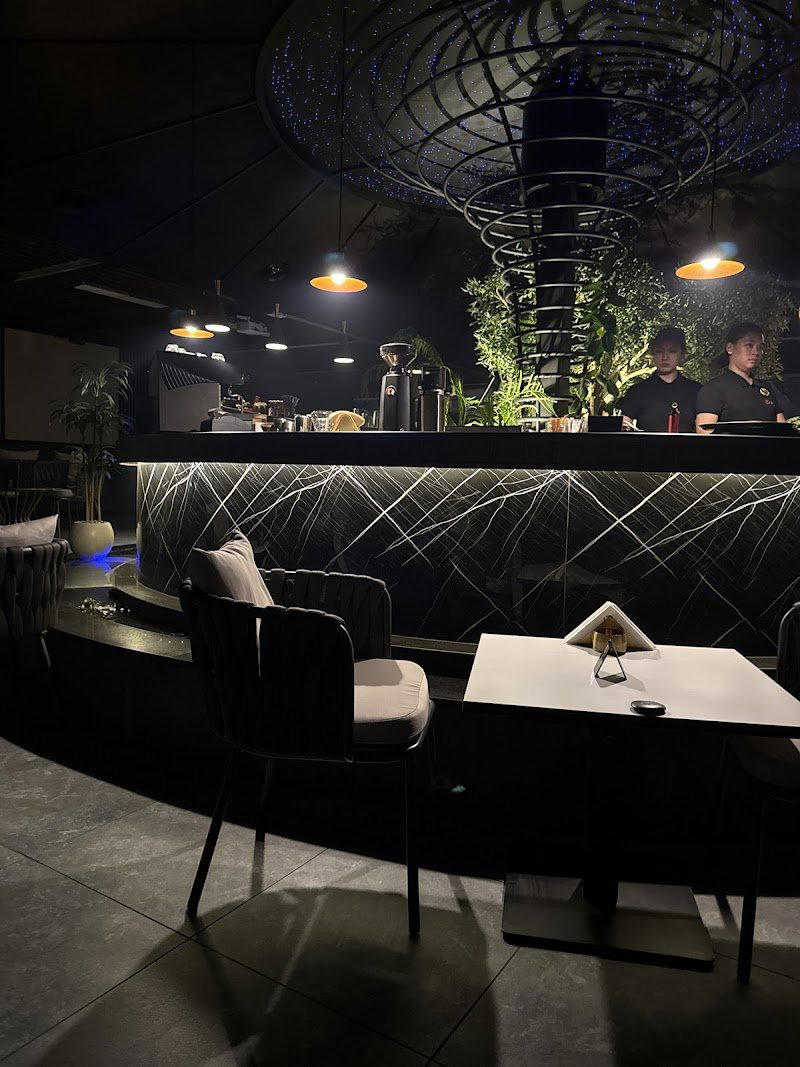
The interior reads as deliberately unfussy: light decor, a pace that shifts from relaxed morning breakfasts through to animated late-evening tables. In a city where dining rooms sometimes prioritise visual ambition over atmosphere, this restraint functions as a signal of purpose. The room exists to serve the food and the conversation around it, not the other way around. That approach has an implicit sustainability logic to it as well. Spaces built to last rather than to photograph tend to generate less waste through constant redesign cycles, and the operational simplicity that comes with an honest neighbourhood format translates to leaner resource use across the board.
The hours run from breakfast to late in the evening, which positions OVUN across a wider daily window than most comparable spots in the neighbourhood. For practical planning, that flexibility removes the need to time a visit with precision. Walk-in access is generally workable given the format, though the restaurant's popularity with the local community means peak dinner service can fill quickly, particularly later in the week.
How the Menu Is Built
Lebanese cooking at its most functional is a cuisine of sharing and sequence, and OVUN's menu follows that logic without deviation. The kitchen focuses on Lebanese dishes as its foundation, with regional touches from across the Levant and wider Arab world supplementing the core. That breadth reflects what the eastern Mediterranean table actually looks like in practice: fluid, porous, and deeply communal rather than rigidly national.
The recommendation from the floor is consistent: begin with dips and bread, work through mains collectively, and leave space for a dessert course. The muhamarrah, a roasted red pepper and walnut spread with heat from dried chillies, arrives with warm bread and functions both as an opener and as a rough measure of the kitchen's attention to balance. Kebabs anchor the main course register, a logical choice given that charcoal cookery of minced and marinated meat is among the most ingredient-forward preparations in the Lebanese canon. The quality of the result depends almost entirely on sourcing and technique rather than on elaborate process, which means there is nowhere to hide.
The mouhalabiya that closes the meal is a milk pudding with a long history across Arab and Ottoman kitchens, thickened with rice flour or cornstarch and scented with rose water or orange blossom. It is the kind of dessert that appears simple in description and is easy to execute poorly, which makes a well-made version the clearest signal of a kitchen that pays attention to the full arc of a meal rather than concentrating effort only on the centrepiece courses.
Portion Size and Price as an Ethical Position
Generosity of the portions here carries a dimension that goes beyond hospitality convention. In the context of a broader rethinking of how restaurants relate to food waste, kitchens that serve large shared plates rather than individually plated courses tend to generate less waste at the table. Guests eating communally calibrate portions in real time; a single plate ordered too many is adjusted mid-meal in a way that a per-person tasting format cannot accommodate. The sharing model at OVUN is consistent with this, and the price point compounds it: affordable, well-portioned food gets eaten rather than left, and restaurants that price accessibly tend to attract a cross-section of the community rather than a narrow demographic whose specific preferences must be accommodated through excessive off-menu customisation.
This is not to overstate the sustainability framing of what is, at its core, a neighbourhood bistro. But the operational DNA of this type of restaurant, built around communal eating, tight menus, and low-friction service, is structurally closer to low-waste dining than the elaborate multi-course formats practiced at, say, Le Bernardin in New York City or Alinea in Chicago. The comparison is not a criticism of those formats; it is an observation about where resource efficiency lives by default in a restaurant's design.
Where OVUN Sits in Riyadh's Lebanese Dining Tier
Riyadh has a well-established Lebanese restaurant population that ranges from casual takeaway counters to formal dining rooms positioned alongside the city's broader fine-dining tier. OVUN occupies the middle ground with clarity: it is not the cheapest option in the category, but it is well-priced relative to what arrives at the table, and it is not competing with the theatrical presentation that characterises the higher end of the Lebanese offer in the city.
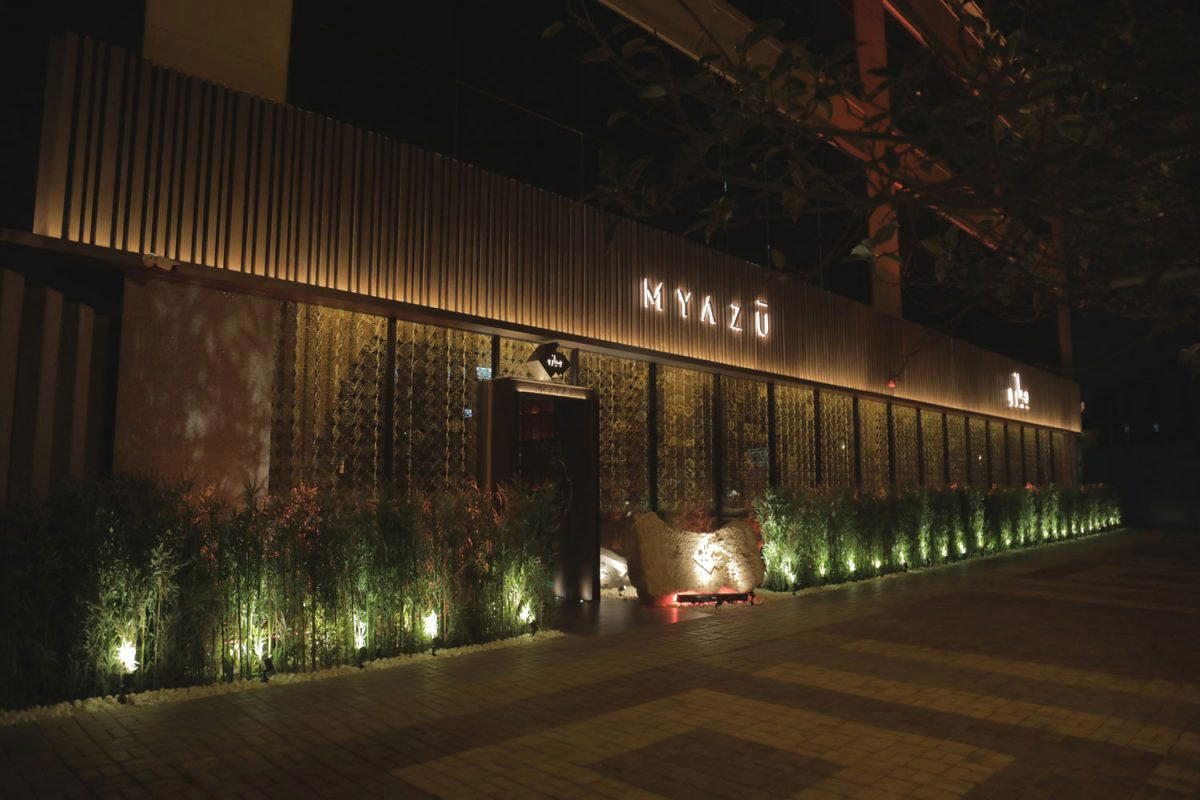
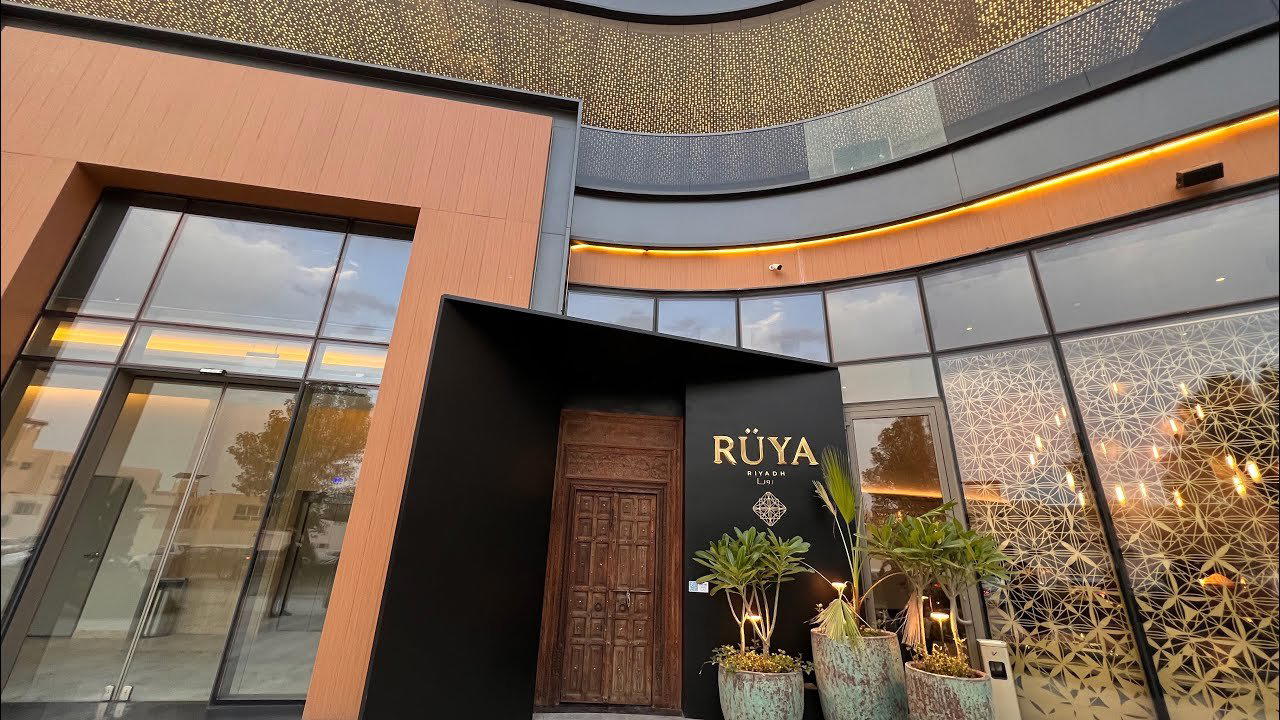
For Saudi cuisine with different reference points, Aseeb operates in the traditional Najdi register, while Marble and Myazu represent the more design-led international end of Riyadh's current dining evolution. Benoit covers the French bistro format in the city if that is the relevant comparison. Elsewhere in Saudi Arabia, Kuuru in Jeddah and Harrat in AlUla are worth tracking for regional context. For a broader view of what the city currently offers across all categories, our full Riyadh restaurants guide maps the range, and the complementary guides to hotels, bars, wineries, and experiences in Riyadh cover the wider picture.
The international comparison set for communal, sharing-format restaurants that hold their position through ingredient focus and portion honesty rather than ceremony would include places like Emeril's in New Orleans and the community-anchored format of Lazy Bear in San Francisco, though the culinary register is entirely different. The structural point holds: restaurants that serve food people actually eat, in formats that encourage sharing and reduce individual plate waste, earn their longevity through a different kind of discipline. For a Dubai parallel in the accessible, neighbourhood-committed format, Lunch Room is a useful cross-city reference.
Planning a Visit
OVUN Bistro is on Al Dabab Street in the As Sulimaniyah district, at 4096 Prince Abdulaziz Ibn Musaid Ibn Jalawi Street. The restaurant is open from breakfast through late evening, which means it accommodates a wider range of visit windows than a dinner-only format would allow. Sharing is the recommended approach across the menu, so arriving with two or more makes the most of the format. The team actively suggests starting with dips, moving through kebabs as the main course anchor, and finishing with the mouhalabiya. Given the venue's standing with local regulars, earlier arrivals during dinner service are a practical hedge against a full room.
Frequently asked questions
Where do I go for OVUN Bistro?
OVUN Bistro is located at ِAlDabab Street, 4096 Prince Abdulaziz Ibn Musaid Ibn Jalawi Street, As Sulimaniyah, Riyadh.
Is OVUN Bistro Michelin-listed?
OVUN Bistro has received recognition including: With its welcoming light décor, this popular Lebanese restaurant seems to tick quite a few boxes for the locals, who frequent the place. It’s open from breakfast to late in the evening, offering authentic, generously sized and well-priced d….
What do people recommend at OVUN Bistro?
Regulars follow a consistent sequence: muhamarrah with warm bread to open, kebabs as the centrepiece of the meal, and mouhalabiya milk pudding to close. The kitchen's own team recommends ordering as a group and sharing across the table, which suits the portion sizes well.
Can I walk in to OVUN Bistro?
The bistro format and the long daily span, running from breakfast through to late evening, point to a dining room that accommodates walk-ins across most of the day. Peak evening slots in As Sulimaniyah attract consistent local traffic, so arriving earlier in the evening reduces the risk of a wait.
What is OVUN Bistro known for?
OVUN has built a following among Riyadh locals for generous, well-priced portions of Lebanese cooking served across an unusually long daily window. The menu draws primarily from Lebanese tradition with some regional influences, and the welcoming room on Al Dabab Street in As Sulimaniyah has kept it a repeat-visit fixture rather than a one-off destination.
Is OVUN Bistro good for vegetarians?
Lebanese cuisine is structurally well-suited to plant-forward eating, and the dip-led starters at OVUN, including the muhamarrah, are inherently vegetable-based. The mezze format means vegetarians can build a substantial meal from the opening courses without relying on the kebab-focused mains.
Standing Among Peers
Comparable venues nearby, for context on price, style, and recognition.
| Venue | Cuisine | Price | Awards | Notes |
|---|---|---|---|---|
| OVUN BistroThis venue (the venue you are viewing) | Lebanese Bistro | Not listed | Michelin Plate | Not listed |
| Yawmiyat By Dalal | Homestyle Lebanese | $20–30 | Michelin Plate | Al Woroud |
| MLLE | Modern Lebanese | Not listed | Michelin Plate | Umm Al Hamam Al Gharbi |
| تكية - TAKYA | Modern Saudi Fusion | $50–100 | La Liste Top Restaurants | Al Diriyah |
| Tameesa | Traditional Saudi Arabian Hijazi Cuisine | $10–20 | Michelin Bib Gourmand | Al Yasmeen |
| Japan Village | Authentic Saudi Najdi Cuisine | Not listed | Not listed | Al-Ulaya |
Recognition history
Dated appearances from independent guides and award organizations, with the underlying list record or original source where available.
Michelin Plate
Michelin
Continue exploring
More in Riyadh
Restaurants in Riyadh
All restaurants in Riyadh →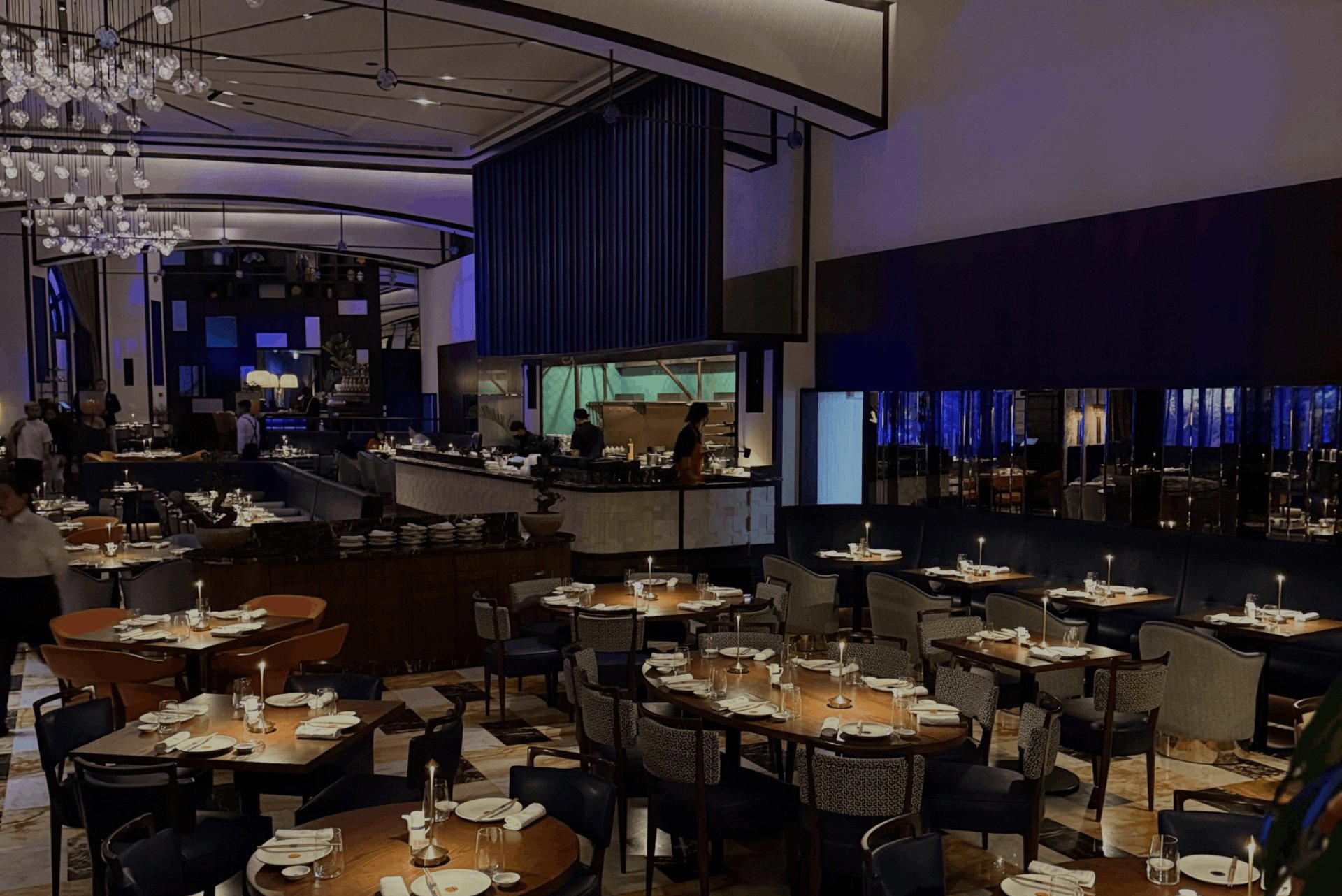
Bars in Riyadh
All bars in Riyadh →

Details
- Cozy
- Modern
- Casual Hangout
- Family
- Group Dining
- A La Carte
- Small Plates
- Halal
Current opening hours
- Monday
- 5 AM–2 AM
- Tuesday
- 5 AM–2 AM
- Wednesday
- 5 AM–2 AM
- Thursday
- 5 AM–2 AM
- Friday
- 5 AM–2 AM
- Saturday
- 5 AM–2 AM
- Sunday
- 5 AM–2 AM
Hours can change for holidays and private events. Hours as of .
Welcoming light décor creating a cozy and approachable atmosphere.