Tofareya

Michelin Plate
Our verdict
Where Regional Saudi Cooking Gets a Proper Home Step through the entrance at Tofareya on Anas Ibn Malik Road in Al Malqa and the first thing that stops you is the coffee cart. A server ladles Arabic coffee infused with cardamom into small...

Pearl is the En Primeur Club membership app — saves, bookings, and concierge access live there. Same editors, same standards.
- Address
- Anas Ibn Malik Road, Al Malqa
- Phone
- +966 55 909 9067
- Hours
- Daily 8 AM–1 AM
- Website
- tofareya.sa
- Directions
- Get directions
Where Regional Saudi Cooking Gets a Proper Home
Step through the entrance at Tofareya on Anas Ibn Malik Road in Al Malqa and the first thing that stops you is the coffee cart. A server ladles Arabic coffee infused with cardamom into small handleless cups, and the ritual of accepting one before finding your table sets the tone for everything that follows. This is not the kind of preamble you find at internationally oriented dining rooms. It belongs to a more specific tradition: the neighbourhood restaurant that earns repeat visits not through novelty but through consistency with a particular place and its people.
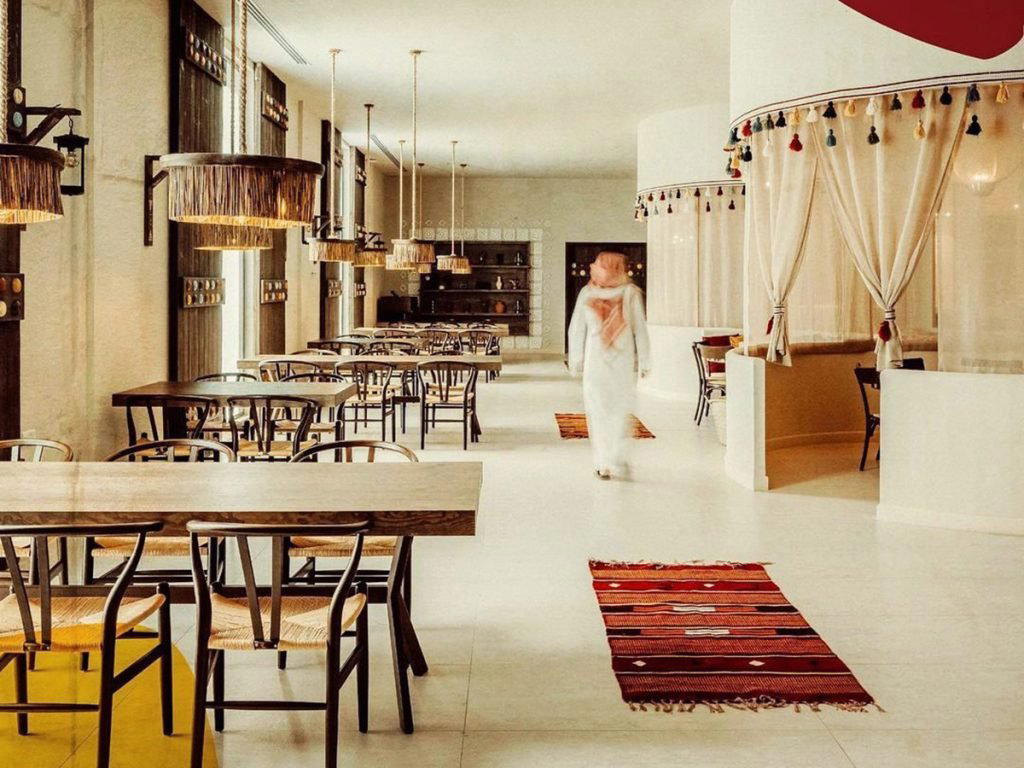
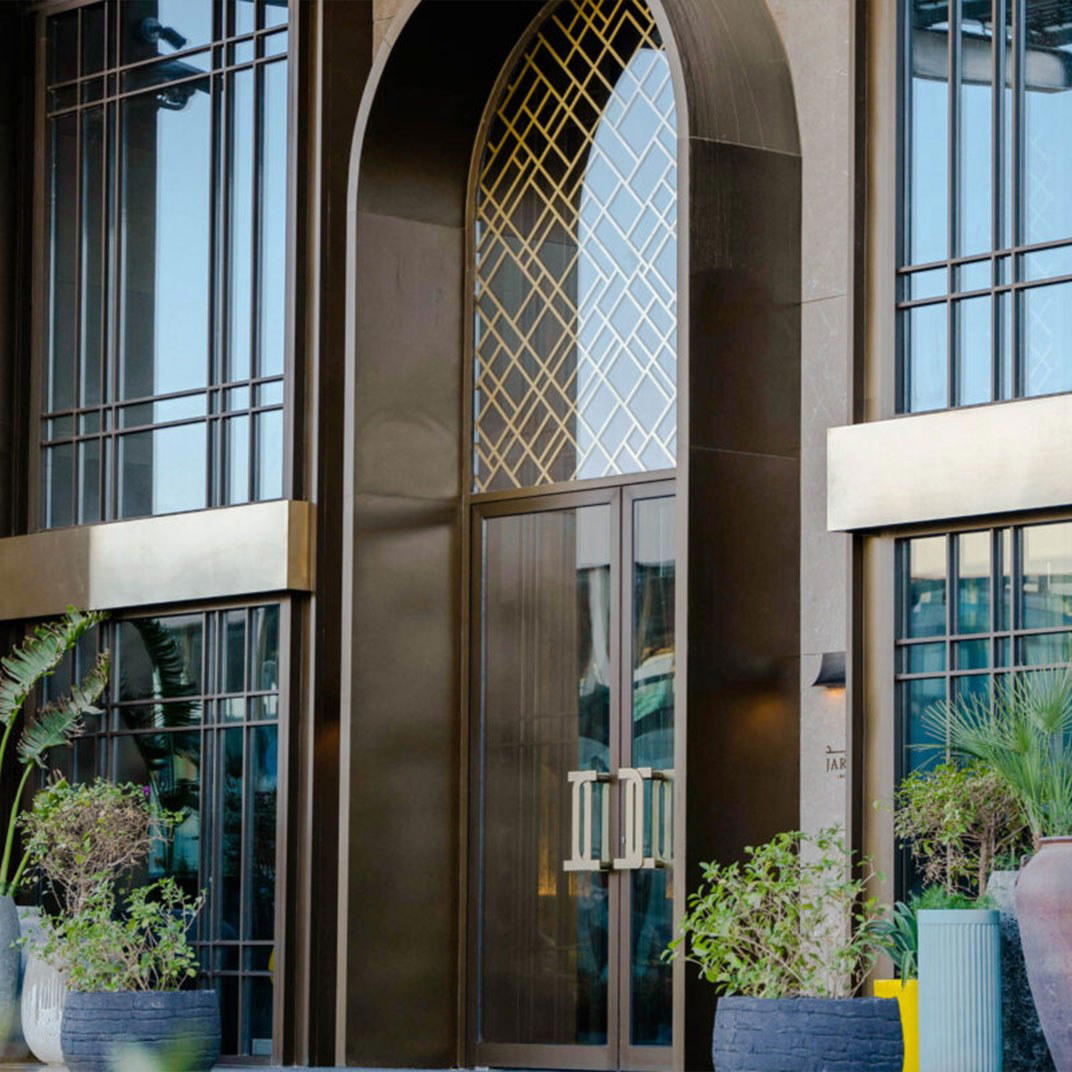
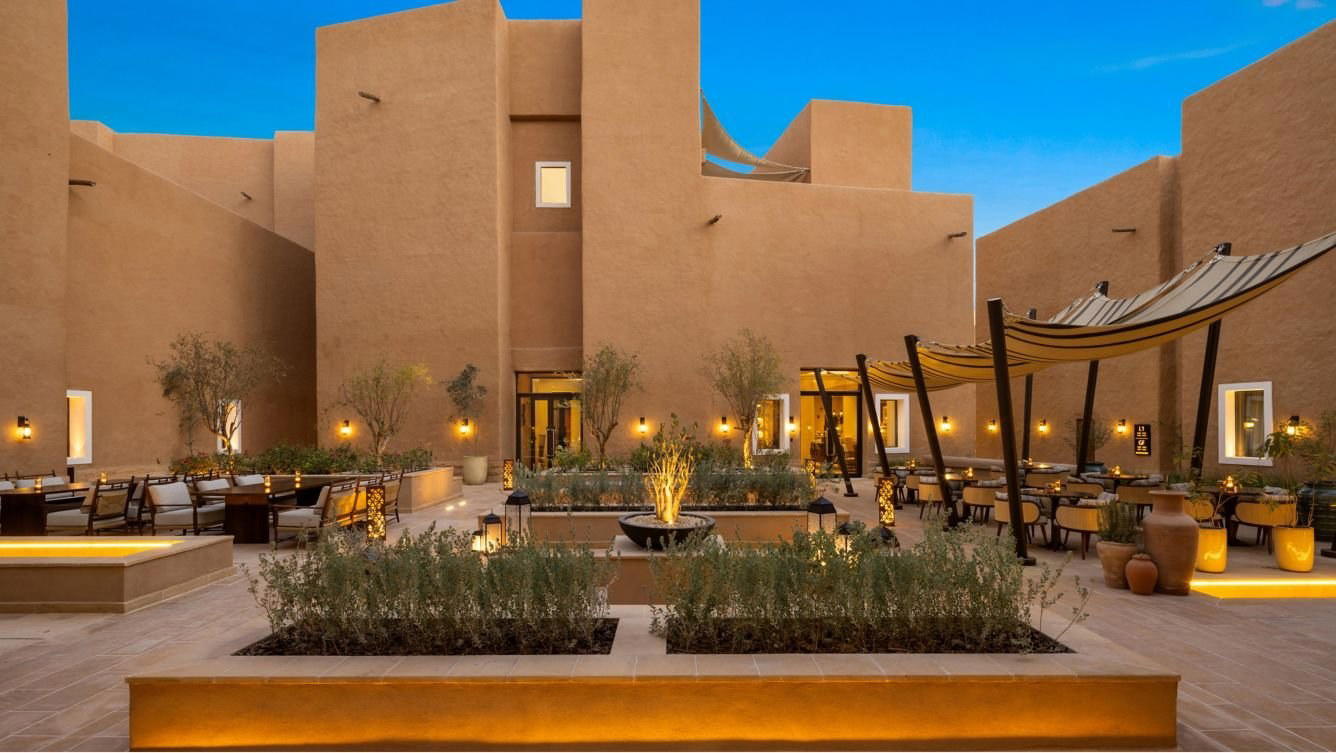
Inside, brightly coloured kilims wrap the pillars and basketwork shades hang from the ceiling in layered clusters. The effect is warm without being fussy, decorative without being theatrical. Riyadh's dining scene has expanded rapidly across international formats, from French brasseries like Benoit to Japanese concepts like Myazu, but Tofareya operates in a quieter register, one where the reference points are domestic rather than imported.
A Menu That Maps the Kingdom
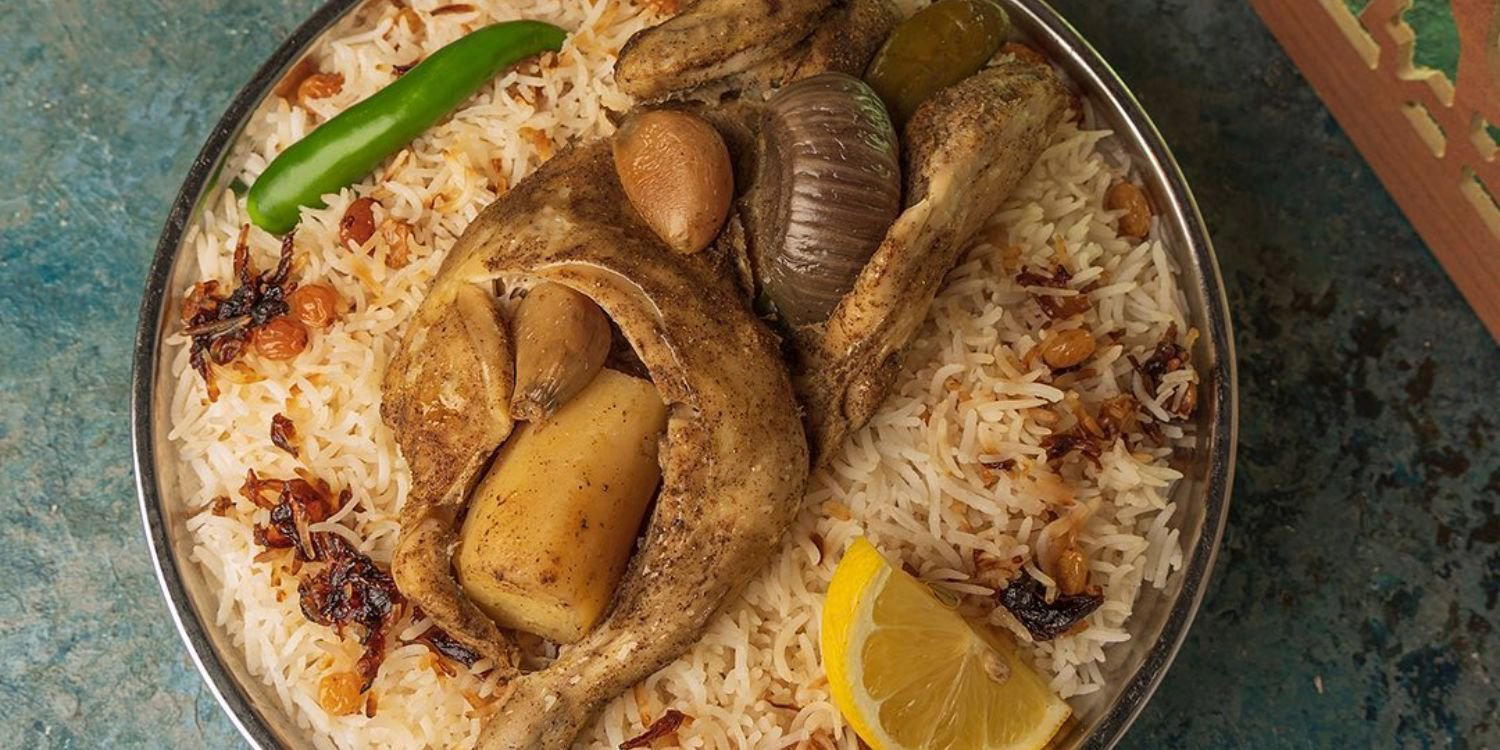
Saudi cuisine is not one thing. The country's regions have distinct food cultures shaped by geography, trade routes, and agriculture, and the menu at Tofareya works as something close to a cartographic exercise across those differences. Hasawi meat kebabs come from the eastern Al-Ahsa region, where the Hasawi rice varietal and the agricultural traditions of the oasis have shaped a cooking style unlike anything from the Hejaz or Najd. Mandi rice dishes, slow-cooked with meat and aromatic spice, originate in the Aseer and Al Bahah regions in the south, where the mountainous terrain and proximity to Yemeni cooking have produced some of the peninsula's most layered flavour profiles.
Then there is Marqooq, recognised as the official dish of Riyadh. The thin bread-based stew, cooked with meat and vegetables until the dough absorbs the broth, represents Najdi cooking at its most direct: ingredient-led, unhurried, deeply savoury. At Tofareya, its presence on the menu is not incidental. In a city that has seen its dining identity pulled in multiple directions at once, a restaurant that keeps Marqooq central to its offer is making a quiet argument about what the local table actually looks like.
For context on how this kind of regional Saudi cooking is being presented elsewhere in the country, Kuuru in Jeddah and Harrat in AlUla are pursuing similar territory from different regional vantage points, and the conversation between them is worth tracking. Closer to home in Riyadh, Aseeb occupies adjacent ground in the local-heritage dining category and draws a broadly comparable crowd.
The Regulars and What They Know
The clientele at Tofareya skews toward people who already understand the menu. Tables of extended families work through Mandi with the confidence of a ritual rather than a discovery. A solo diner nursing a second cup of cardamom coffee while the kitchen plates dessert is not unusual. What keeps people returning to this kind of restaurant is rarely a single dish and more often the accumulated trust that the kitchen will not deviate. The consistency is the point.
Desserts follow through on that logic. Om Ali, the bread-based pudding with cream and nuts that sits somewhere between a bread-and-butter pudding and a baklava in texture, closes the meal in a way that feels earned rather than appended. In the context of a menu that has moved through regional savoury traditions, it lands as a familiar full stop rather than a performance of pastry technique. Regulars tend to order it without consulting the menu.
This kind of earned familiarity is worth comparing against the broader dining tier Tofareya occupies. At restaurants like Le Bernardin in New York City, Alinea in Chicago, or Alain Ducasse - Louis XV in Monte Carlo, the repeat-visitor relationship is built around tasting menu evolution and seasonal recalibration. At Tofareya, the contract is the opposite: the regulars return because the Mandi is the same Mandi. Both models work. They just make different promises.
Where Tofareya Sits in Riyadh's Dining Geography
Al Malqa is a residential district in northern Riyadh, and Tofareya's position there rather than in a hotel lobby or a high-footfall retail destination is itself a signal. The restaurant is designed for people who live nearby or who make a deliberate trip, not for those passing through on the way to somewhere else. That positioning distinguishes it from venues like Marble, which occupies a different price and format tier and draws a different kind of occasion dining crowd.
For visitors building an itinerary, Tofareya fits logically alongside a broader exploration of what Riyadh's food culture looks like beyond the international hotel corridor. Our full Riyadh restaurants guide maps that broader picture, and our full Riyadh hotels guide covers accommodation options across the city's different districts. For those building out a complete trip, our Riyadh bars guide, our Riyadh experiences guide, and our Riyadh wineries guide round out the picture.
Internationally, the pattern Tofareya represents, the neighbourhood restaurant that keeps regional cooking technically honest rather than reinventing it for a cosmopolitan audience, has proven durable in cities as different as New Orleans (Emeril's), San Francisco (Lazy Bear), and Hong Kong (8½ Otto e Mezzo Bombana). The formats differ considerably, but in each case the restaurant earns its regulars by maintaining a clear identity rather than chasing the centre of the market.
A final practical note: Tofareya sits on Anas Ibn Malik Road, accessible by car and direct to reach from central Riyadh's northern districts. If you also want a neighbourhood-casual comparison point for Dubai, Lunch Room operates in a loosely similar register of community-facing, non-hotel dining in that city.
Frequently asked questions
Would Tofareya be comfortable with kids?
The setting works well for families. Tofareya draws extended family groups as a core part of its regular clientele, and the neighbourhood location in Al Malqa means the atmosphere is relaxed rather than formal. The coffee cart at the entrance and visually engaging kilim-draped pillars and basketwork ceiling shades give younger guests something to take in while waiting for food.
How would you describe the vibe at Tofareya?
Think residential-neighbourhood canteen with character. The room is decorated with brightly coloured kilims around the pillars and hanging basketwork shades, and a coffee cart dispenses cardamom-infused Arabic coffee as guests arrive. It is convivial and unhurried, geared toward tables that know the menu and plan to stay through dessert.
What awards or recognition does Tofareya have?
Tofareya has received recognition including: Regional cooking of Saudi Arabia is celebrated here at this neighbourhood restaurant. The space is decorated with brightly coloured kilims around the pillars and an array of basketwork shades hanging from the ceiling. Pick up an Arabic coff….
What dish is Tofareya famous for?
Marqooq, recognised as the official dish of Riyadh, is the reference point here, and ordering it at Tofareya is the obvious move for first-timers. The menu also covers Hasawi meat kebabs from the eastern Al-Ahsa region and Mandi rice dishes from the southern Aseer and Al Bahah regions, making the full spread a working tour of Saudi regional cooking.
What part of town is Tofareya in?
Tofareya is located at Anas Ibn Malik Road, Al Malqa, Riyadh.
Do they take walk-ins at Tofareya?
No booking information is published for Tofareya. Given its position in a residential district rather than a high-footfall retail or hotel setting, walk-in timing matters: arriving outside peak family dining hours on weekdays is the more reliable approach until confirmed reservation details are available.
The Essentials
Comparable venues nearby, for context on price, style, and recognition.
| Venue | Cuisine | Price | Awards | Notes |
|---|---|---|---|---|
| TofareyaThis venue — the venue you are viewing | Traditional Saudi Regional Cuisine | $20–30 | Michelin Plate | Not listed |
| Tanjiah | Moroccan Fusion | $30–50 | Michelin Plate | King Fahd, Moroccan Fusion |
| Mirzam | Contemporary Saudi | $20–30 | Michelin Bib Gourmand | Al Nakheel, Contemporary Saudi |
| Sasani | Authentic Persian | $30–50 | Michelin Bib Gourmand | Hitteen, Authentic Persian |
| Em Sherif Café | Lebanese Café | $20–30 | Michelin Bib Gourmand | Al Muhammadiyah, Lebanese Café |
| OVUN Bistro | Lebanese Bistro | Not listed | Michelin Plate | Al Sulaimaniyah, Lebanese Bistro |
Recognition history
Dated appearances from independent guides and award organizations, with the underlying list record or original source where available.
Michelin Plate
Michelin