Taku


Taku places Mayfair omakase in a tighter, more ingredient-led register: 16 seats around an English oak counter, French-Japanese framing, and seafood sourced largely from European waters. The format is disciplined rather than theatrical, with Chef Takuya Watanabe, Long Ng, and a 200-selection France-leaning wine list giving the room serious technical weight.
- Address
- Ground Floor, 36 Albemarle St, London W1S 4JE, United Kingdom
- Phone
- +442074340899
- Website
- takumayfair.com
- Directions
- Get directions
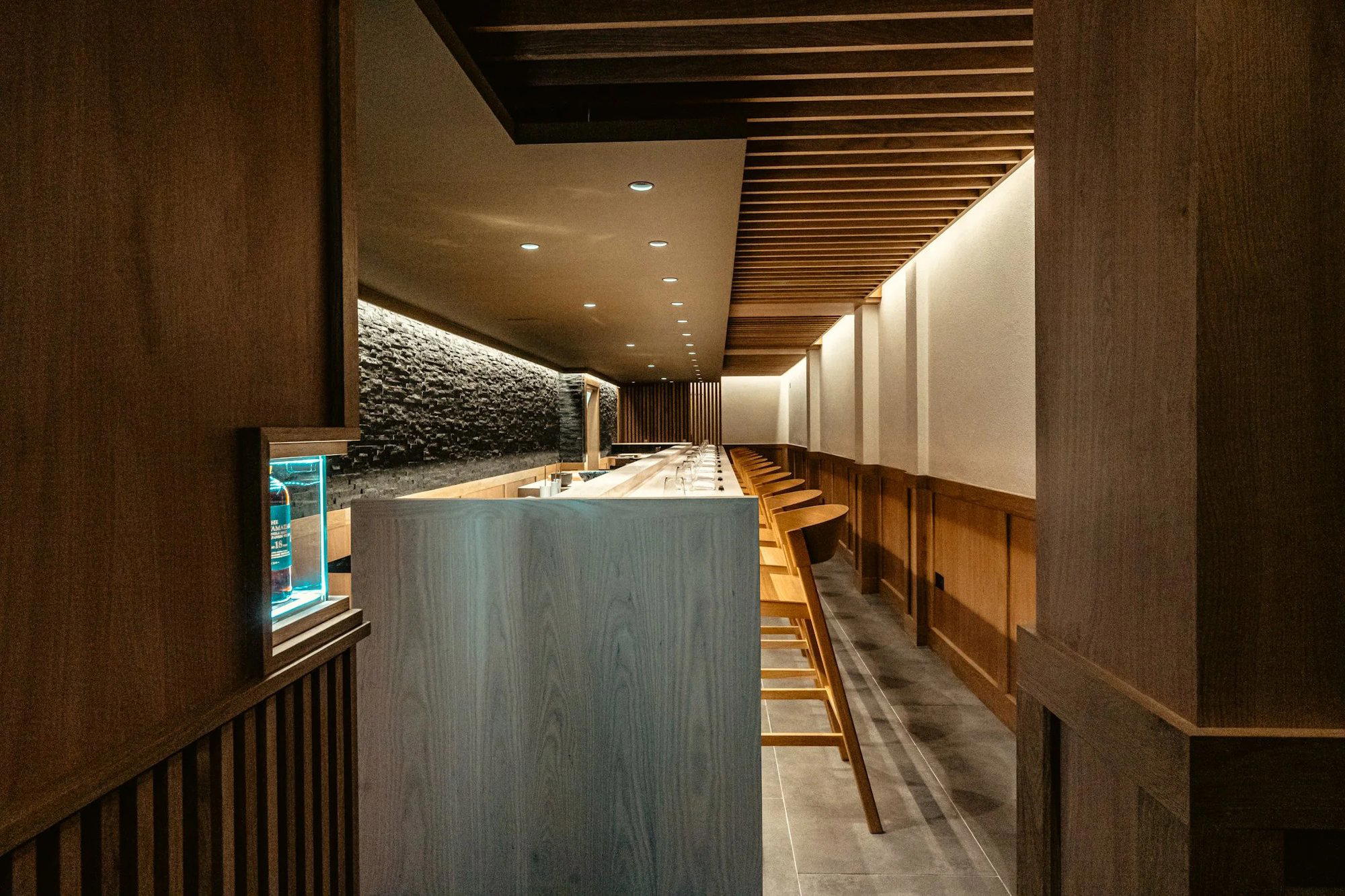
The room announces its priorities before the first course: a 16-seat counter in fine English oak, the kind of setting that makes London’s louder luxury rooms feel overbuilt. The city has plenty of restaurants designed for display, but serious omakase depends on a different contract. The counter compresses the evening into timing, temperature, knife work, and sourcing. At Taku, that contract is the point.
London’s sushi culture has changed sharply in the past decade. The city once treated high-end Japanese dining as either hotel polish or imported theatre; the newer tier is more exacting, with smaller rooms, fewer covers, and menus built around procurement as much as technique. Taku sits in that narrower bracket. Its appeal matters less as a label than as a clue to how the kitchen thinks: Japanese discipline, careful supply lines, and a wine program with a stated strength in France rather than the usual sake-first script.
European waters, Japanese discipline, and a counter built for concentration
The ingredient story is the useful way to read the restaurant. Much of the seafood comes from European waters, which puts Taku in conversation with a broader London question: how does a city with global appetite avoid turning sushi into an air-freight fantasy? The answer here is not a rejection of Japanese technique, but a tighter edit of what local and regional waters can support when handled with omakase-level precision.
That distinction matters because high-priced sushi can too easily become a shopping list of imported prestige. A counter that works with European fish has to prove itself through cut, seasoning, rice temperature, pacing, and restraint. The menu’s noted “tuna two ways” signals the kitchen’s comfort with comparison inside a single ingredient rather than spectacle across many. It is a small but telling marker: the drama is not variety for its own sake, but the calibration of texture and fat across related preparations.
The chef credentials reinforce the room’s seriousness without needing to become the story. Takuya Watanabe leads the kitchen, with Long Ng identified as his right-hand man, and the format places the team’s work directly in front of the room. In London’s omakase category, that visibility matters because the format gives diners nowhere to hide from weak sequencing or hesitant service. Every seat faces the work.
London luxury, stripped down to timing and proximity
London dining often trades on abundance: grand rooms, deep cellars, a sense that the bill should be visible before the food arrives. This counter format does the opposite. One sitting at lunch and two at dinner create a collective rhythm, with all guests served together. That makes punctuality part of the experience rather than a minor courtesy. In a room this small, late arrival is not absorbed by a bar table or a long à la carte menu; it disturbs the sequence.
The wine list adds another London-specific angle. With a stated strength in France and premium pricing, Taku sits closer to the language of fine dining than to a narrow sushi-bar template. That can be the right move for diners who want French references with Japanese technique, though it also signals a serious spend on wine. The pairing question here is less about orthodoxy and more about acidity, texture, and temperature control across a menu that moves quickly.
Its competitive set is not the whole of London, but the small-capacity luxury counter. Bar des Prés - Mayfair operates in a broader Asian-luxury register, while Gymkhana works through spice architecture, room energy, and a different price logic. Charlie’s represents polished dining rather than a counter-led omakase format. Those comparisons are useful because they clarify the decision: Taku is for a diner who wants concentration over range, proximity over room theatre, and ingredient sourcing to carry as much weight as décor.
For wider London context, EP Club’s city coverage runs from neighbourhood restaurants and other dining rooms to the broader indexes for Our full London restaurants guide, Our full London hotels guide, Our full London bars guide, Our full London wineries guide, and Our full London experiences guide. UK dining context beyond the capital, and international references outside the UK, can be useful for mapping how focused counters and ingredient-led restaurants position themselves, but Taku’s own point of comparison is strongest within London’s high-end omakase conversation.
Who should choose this counter
Taku makes sense for diners who read omakase as a study in sourcing and sequence, not as a parade of luxury signals. The small room, shared pacing, and oak counter create a serious but not stiff frame. The kitchen’s emphasis on European waters gives the meal a London accent, while the French-leaning cellar gives the format another layer for diners who care about wine as much as fish.
The trade-off is built into the format. A 16-seat counter with synchronized service asks for attention, punctuality, and comfort with a menu led by the kitchen. Diners wanting a flexible order, a sprawling table, or a loose London night may be happier elsewhere. For those interested in how London is reshaping high-end sushi around regional procurement, Taku is one of the city’s sharper case studies.
Side-by-Side Snapshot
Comparable venues by cuisine and price in the same metro.
| Venue | Cuisine | Price | Notes |
|---|---|---|---|
| TakuThis venue — the venue you are viewing | Modern Japanese Omakase | $$$$ | Not listed |
| Sake No Hana | Modern Japanese Fine Dining | $$$$ | St. James's |
| Roka Charlotte Street | Contemporary Japanese Robatayaki | $$$ | Fitzrovia |
| Materia Prima | Japanese-inspired Tasting Menu | $$$$ | Notting Hill |
| Engawa | Modern Japanese Omakase with Wagyu | $$$$ | Piccadilly Circus |
| Tokii | Modern Japanese Omakase | $$$$ | Marylebone |
Recognition history
Dated appearances from independent guides and award organizations, with the underlying list record or original source where available.
Michelin 1 Star
Michelin
Wine Spectator Award of Excellence
Wine Spectator
Continue exploring
More in London
Restaurants in London
Browse all →
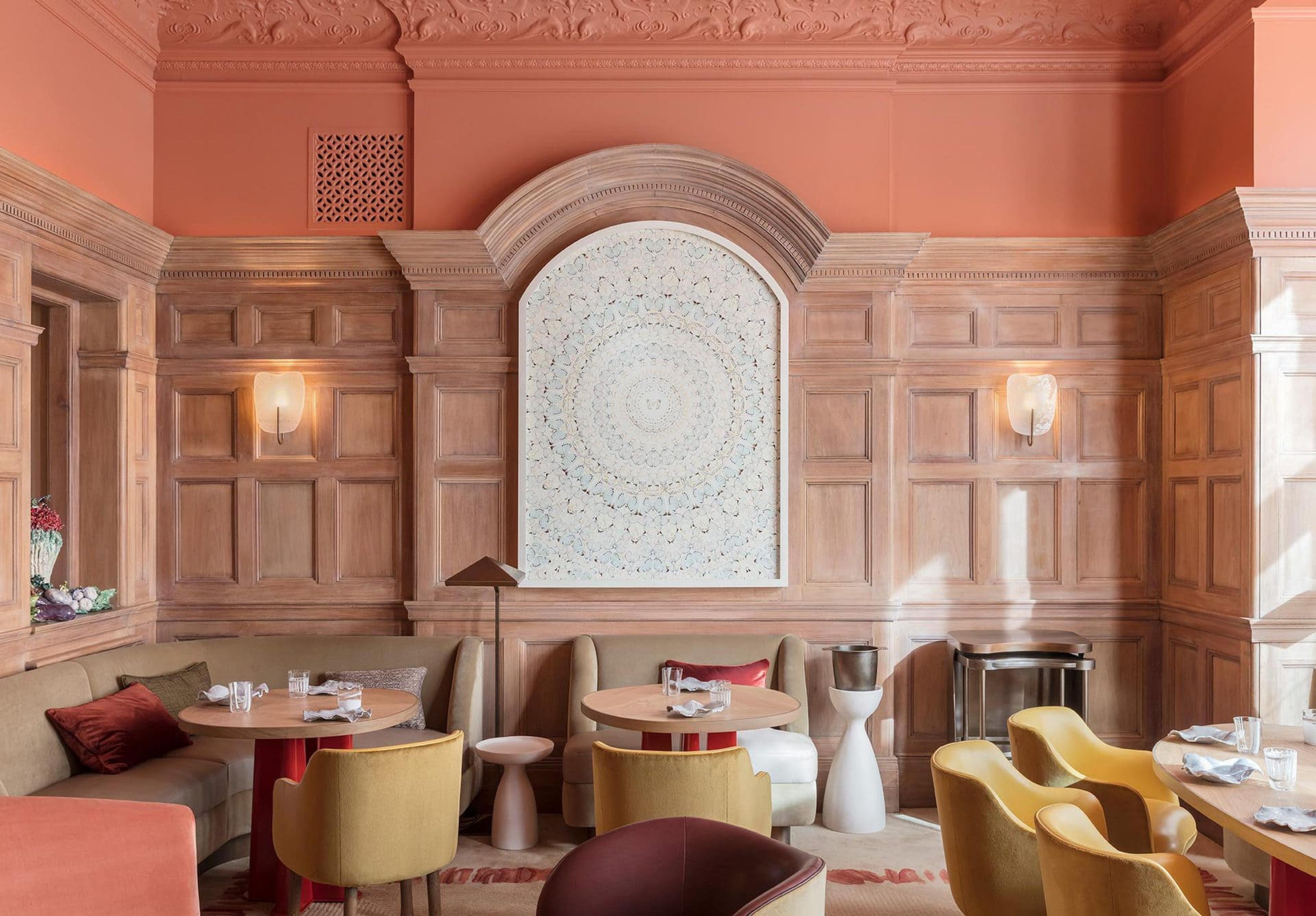
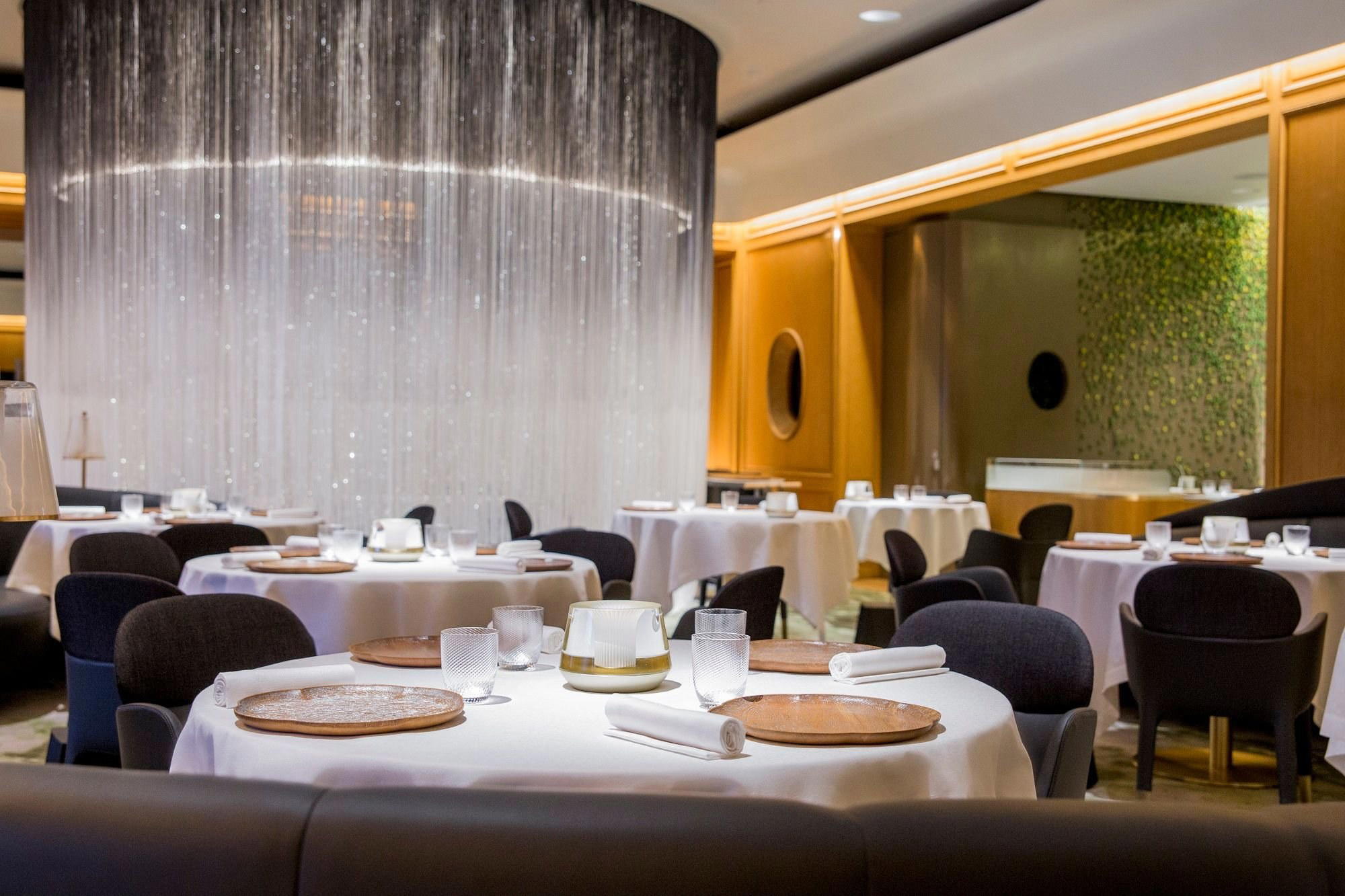
Bars in London
Browse all →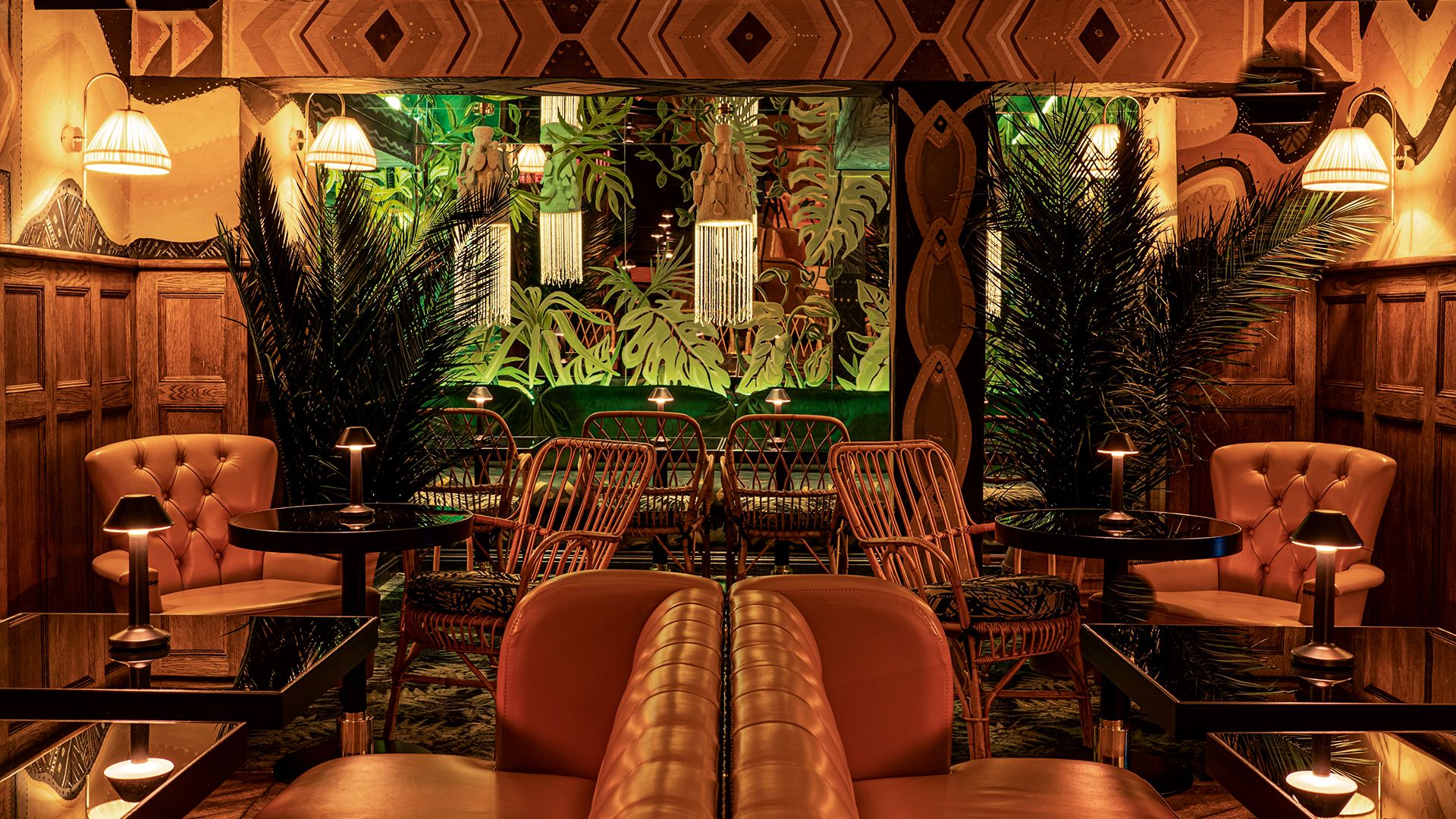
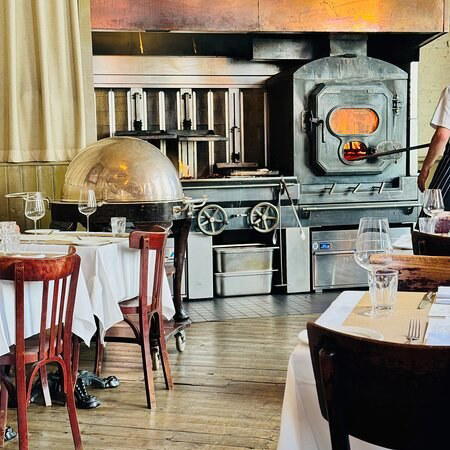
Hotels in London
Browse all →

At a Glance
- Elegant
- Minimalist
- Intimate
- Sophisticated
- Special Occasion
- Date Night
- Chefs Counter
- Open Kitchen
- Sake Program
- Sommelier Led
- Sustainable Seafood
- Local Sourcing
Current opening hours
- Monday
- Closed
- Tuesday
- Closed
- Wednesday
- 12:30–2:30 PM, 6–11 PM
- Thursday
- 12:30–2:30 PM, 6–11 PM
- Friday
- 12:30–2:30 PM, 6–11 PM
- Saturday
- 12:30–2:30 PM, 6–11 PM
- Sunday
- Closed
Hours can change for holidays and private events. Last verified .
Minimalist and striking with stone walls, light pine counters, and a reverential, hushed atmosphere focused on the chefs' precise work.