Take Naeba sits in Yuzawa, Niigata, a town defined by some of Japan's most celebrated rice and sake agriculture. The address alone places it within a foodshed of notable depth: Uonuma Koshihikari rice, mountain-fed water, and snow-country produce that shapes northern Japanese cooking at its most regional. What happens inside is inseparable from that geography.
Pearl is the En Primeur Club membership app — saves, bookings, and concierge access live there. Same editors, same standards.
- Address
- Yuzawa-Machi, Minamiuonuma-Gun, 新潟県, 949-6212
- Directions
- Get directions
 Saves & bookings on Pearl
Snow Country on the Plate: Why Yuzawa's Terroir Matters
Yuzawa sits in Minamiuonuma, the stretch of Niigata Prefecture that produces Uonuma Koshihikari, consistently the highest-graded short-grain rice in Japan, commanding premium prices at auction year after year. That agricultural identity shapes every serious kitchen in the area. Cooking here is not about importing prestige ingredients from Tokyo's Tsukiji network; it is about working with a supply chain that is, in many cases, walking distance from the kitchen door. Take Naeba operates inside that logic. Its Yuzawa address, in the mountains of Niigata, places it at the centre of a foodshed that serious Japanese food culture has recognised for generations.
Snow-country cooking has its own register in Japan's culinary tradition. The long winters of the Echigo region historically demanded preservation, fermentation, and an intimate relationship with root vegetables, dried fish, and aged ingredients. Modern kitchens in this area inherit those techniques, often applying them to produce that benefits from the cold, slower growth cycles in high-altitude fields produce vegetables with more concentrated cellular structure and deeper flavour than those grown in warmer lowland conditions. This is the context in which Take Naeba finds its relevance.
Ingredient Geography: The Niigata Advantage
Niigata's reputation in Japanese food culture extends well beyond rice. The prefecture is among Japan's leading sake producers, with toji (master brewers) who have shaped the nationwide shift toward dry, delicate styles over the past four decades. The mineral-laden snowmelt water that feeds those breweries also defines the character of local vegetables and the rivers that supply freshwater fish. Ayu from mountain streams, wild mountain vegetables known as sansai, and brackish-water seafood from the Sea of Japan coastline all fall within reach of kitchens operating in this geography. Restaurants in the Yuzawa-Minamiuonuma area that anchor their menus to these sources are positioning themselves in a tradition that values regional integrity over imported spectacle.
That sourcing philosophy aligns Take Naeba with a broader movement visible across Japan's regional dining scene. At the high end of Japanese cooking, whether kaiseki counters in Kyoto or innovative tasting menus at places like HAJIME in Osaka, the conversation has shifted toward provenance, seasonality, and legibility of origin. Yuzawa kitchens have structural access to ingredients that chefs in major cities actively seek out and pay transport premiums to acquire. That geographic advantage, when used with discipline, can close the gap between regional and metropolitan dining in meaningful ways.
Mountain Setting, Rural Rhythm
Approaching Yuzawa from Tokyo via the Joetsu Shinkansen takes roughly 75 minutes, fast enough that the town functions as a genuine escape for the capital's dining public, not just a destination for skiers passing through Naeba resort. The mountains that make Yuzawa Japan's most snowfall-heavy inhabited region also create a distinctive sensory environment: the air is noticeably cleaner at altitude, the pace of a meal slows with it, and the relationship between the room and the season outside is more legible than in a city restaurant where the weather is an abstraction.
In snow country, the table connects to a season in a way that urban dining rarely achieves. Winter menus in this area reflect actual scarcity and abundance rather than a chef's seasonal whim. Spring brings sansai foraging; summer adds river fish and garden vegetables; autumn delivers mushrooms and preserved preparations from the summer's harvest; winter returns to root vegetables, ferments, and the kind of warming broths that read as architectural responses to the cold. That cyclical connection between landscape and plate is something that restaurants in more temperate or urban settings can approximate but not replicate. It draws a meaningful parallel to similarly grounded regional programs found at places like Gion Sasaki in Kyoto or akordu in Nara, both of which have built strong identities around regional ingredient systems.
Take Naeba in Its Regional comparable set
The restaurant occupies a different register from the multi-Michelin counters of Tokyo's Ginza or the kaiseki establishments that define Kyoto's fine dining hierarchy. Comparison to Harutaka in Tokyo or Goh in Fukuoka, both operating at the refined end of their respective city scenes, illustrates how metropolitan and regional Japanese dining occupy different but not ranked positions. Regional kitchens trade metropolitan density for direct sourcing relationships and a guest profile that often includes both dedicated food travellers and local regulars with decades of institutional memory.
Across Niigata and adjacent prefectures, a constellation of serious regional restaurants has emerged that operates largely under the radar of Tokyo's food press. Properties like 湖畔荘苑 in Takashima and 庄羽屋 in Nishikawa Machi are part of this same regional fabric, kitchens that anchor their identity in the specific agricultural and cultural character of the Japan Sea coast and mountain hinterland. The broader pattern is worth noting because it signals that the quality ceiling for rural Japanese dining is higher than the capital's media coverage would suggest. Internationally comparable operations in terms of ingredient philosophy, if not tasting format, include Atomix in New York City, which has drawn explicit comparisons to the rigour of Korean regional sourcing traditions.
Planning a Visit to Take Naeba
Yuzawa is accessible directly by Joetsu Shinkansen from Tokyo (Echigo-Yuzawa Station), making a same-day visit feasible, though an overnight stay allows for a more considered engagement with the town and its surroundings. The Naeba resort area is easiest to reach by taxi from the station, particularly outside ski season when bus frequency drops. Visits during the rice harvest season in early autumn or during the deep winter ski season offer one seasonally distinct experience of what Niigata's food culture can produce.
In Context: Similar Options
Comparable venues nearby, for context on price, style, and recognition.
| Venue | Cuisine | Price | Notes |
|---|---|---|---|
| Take NaebaThis venue — the venue you are viewing | Izakaya with Kamamesi | $$ | Not listed |
| Japanese Bar | $$ | / Yuzawa Station area | |
| Kojimaya (越後十日町 小嶋屋) | Traditional Niigata Hegi Soba | $$ | Yuzawa |
| Ochanomizu Ogawa Ken | Japanese Western / Yoshoku Cafe | $$ | Bunkyō |
| Masaru | Hiroshima Okonomiyaki | $$ | Higashi |
| Nishimura | Japanese | $$ | Naka |
Continue exploring
More in Yuzawa
Restaurants in Yuzawa
Browse all →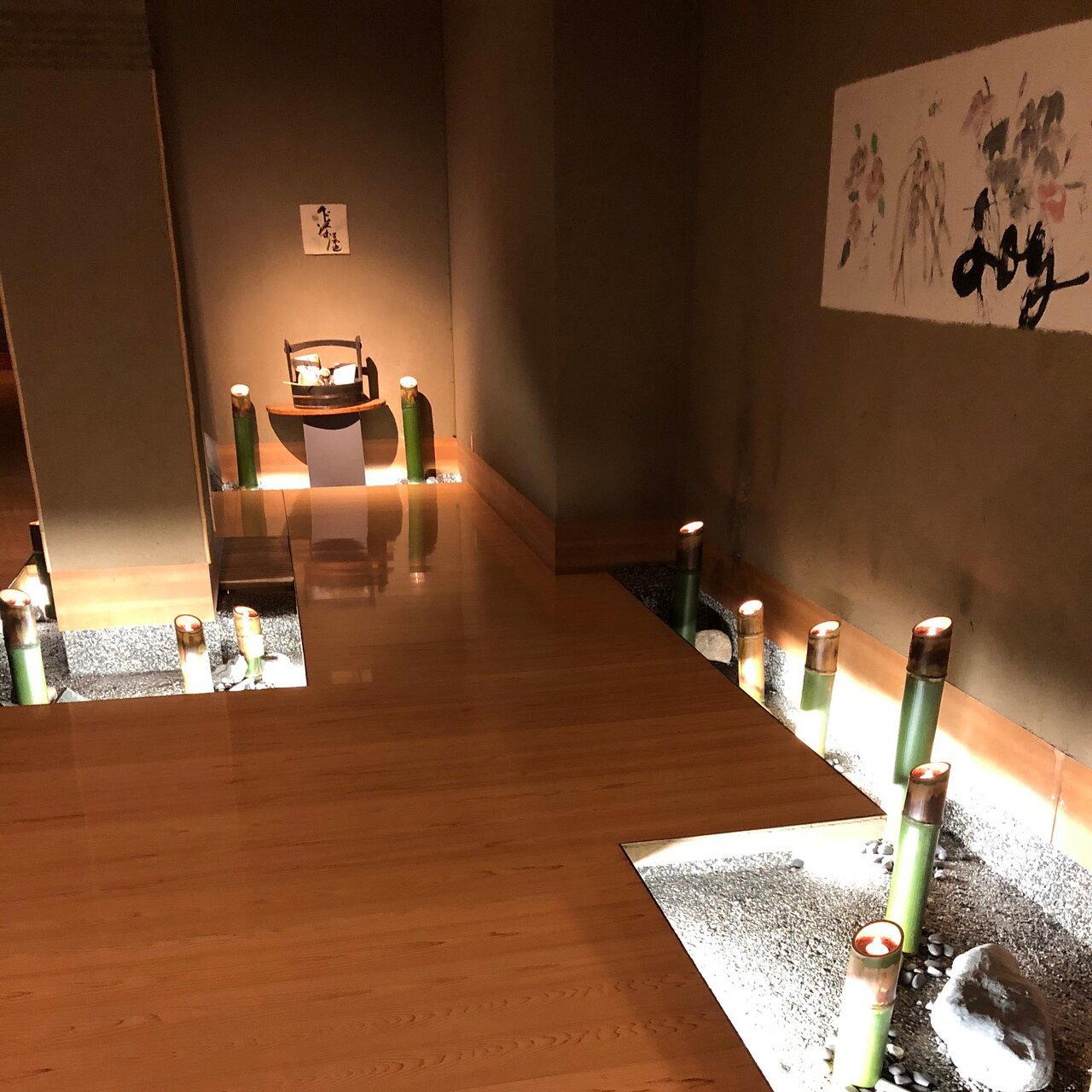
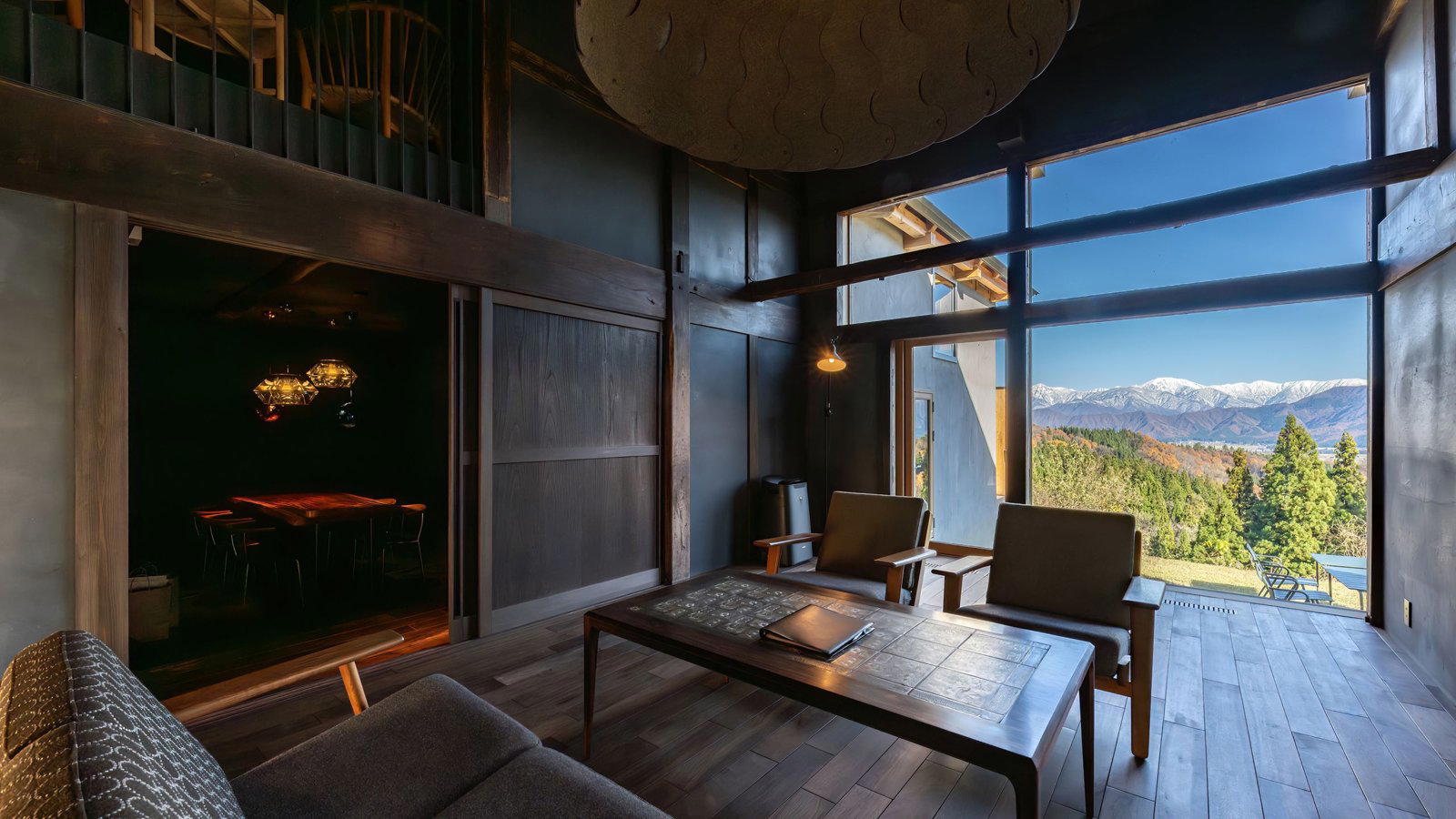
Hotels in Yuzawa
Browse all →
Wineries in Yuzawa
Browse all →
At a Glance
- Casual
- Cozy
- Family
- Casual Hangout
- Group Dining
- Sake Program
- Local Sourcing
Relaxed family-friendly atmosphere ideal for gatherings with friends.