
Taiyaki Murasakiya puts Toyoake into a sweets conversation usually dominated by larger Japanese cities. Its taiyaki and obanyaki format, Tabelog 100 Japanese sweets selection in 2023, and modest spend level make it a serious stop for readers who care about everyday wagashi culture rather than formal dining theater.
Pearl is the En Primeur Club membership app — saves, bookings, and concierge access live there. Same editors, same standards.
- Address
- 愛知県豊明市沓掛町勅使8-394
- Phone
- +81562953448
- Website
- tabelog.com
- Directions
- Get directions
 Saves & bookings on Pearl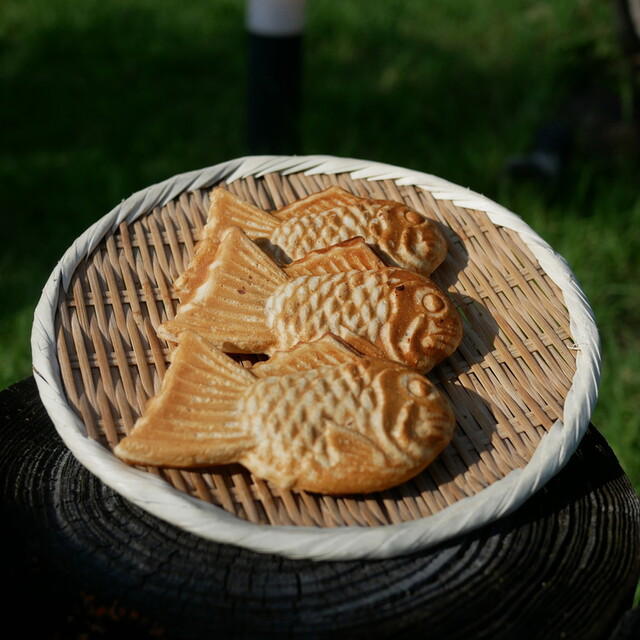
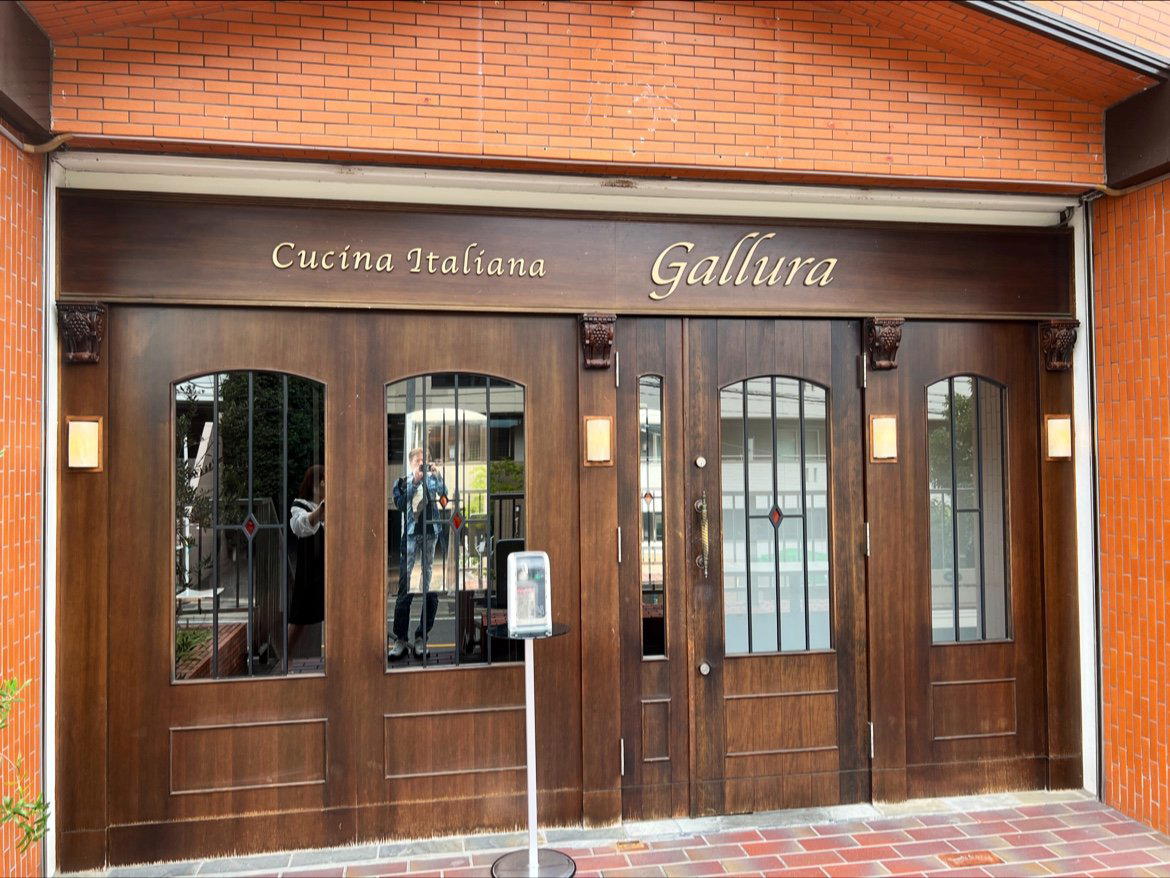
Approaching a small house-style sweet shop in Toyoake resets the meal’s scale before anything is ordered. This is not Ginza polish or department-store wagashi formality, but older Japanese snack grammar: batter, filling, heat, takeaway traffic, and a few seats for those who pause instead of carrying the parcel onward.
That matters because taiyaki belongs to a different branch of Japanese sweets than ceremonial wagashi. The fish-shaped cake is urban, portable, and tied to ordinary appetite as much as seasonal refinement. Obanyaki sits beside it in the same democratic category, a griddled round cake rather than a sculpted confection. In Aichi, where Nagoya café habits and suburban car culture shape between-meal eating, a focused taiyaki shop can reveal more local rhythm than another formal restaurant.
Why a taiyaki counter belongs in Toyoake's serious food map
Toyoake does not market itself as a dining capital, which is why Taiyaki Murasakiya carries weight. The city sits outside the usual inbound food itinerary, yet Japanese sweet shops run on a reputation system often stricter than tourist visibility. Selection for Tabelog’s 2023 Hyakumeiten list for Japanese traditional sweets and sweets cafés in the East region places the shop in a national conversation, not just a neighborhood one.
The category is narrow and revealing. Hyakumeiten recognition for wagashi and kanmi does not reward tasting-menu arcs, wine service, or chef mythology. It points to repeatable execution in formats customers understand immediately. Taiyaki is unforgiving: the idea is familiar, so distinction lies in batter texture, heat management, filling balance, and turnover. Recognition here signals craft inside a popular form, not luxury coding.
That separates this stop from Toyoake’s broader casual dining set. Hana Ichi, also in Toyoake, sits in a higher everyday meal spend band, while nearby comparison points such as Bebe, Ramen mellow, and Kondo Meshinosuke occupy the JPY 1,000 to JPY 1,999 bracket. Taiyaki Murasakiya belongs to the lower snack-price tier, making it a precise add-on to a day of local eating rather than a lunch substitute.
The cultural point is the format, not a chef narrative
Japanese sweets writing often overcorrects toward refinement, as if every confection needs tea-ceremony framing. Taiyaki resists that. Its appeal is public and immediate, closer to a bakery window or festival stall than a hushed salon. The fish shape nods to tai, the sea bream associated with celebration, but the context is casual. That tension, auspicious form in an everyday snack, helps explain the genre’s endurance.
At this level, specialization matters. A shop built around taiyaki and obanyaki has fewer distractions than a café covering parfaits, drinks, plated desserts, and lunch sets. The small-seat, takeaway-friendly model keeps attention on throughput and consistency. For travelers, it contrasts usefully with reservation-led restaurants elsewhere in Japan: the pleasure is not scarcity theater, but catching a humble format when the kitchen is clean and the batch rhythm favors you.
The shop’s Tabelog score of 3.59 adds another clue for readers who know the platform’s conservative rating culture. In Japan, especially outside major city centers, scores above the mid-threes can reflect durable local approval rather than publicity heat. Combined with Hyakumeiten selection, it suggests a sweets stop with enough repeat confidence to justify a detour within an Aichi itinerary, particularly for travelers already moving through eastern Nagoya.
There is also a corrective for premium travelers. Not every serious food experience needs a counter seat, chef biography, or bill that announces itself. Some of Japan’s strongest edible memory comes from inexpensive single-purpose shops where craft is embedded in repetition. The editorial test is simple: if the day already includes a restaurant reservation, a taiyaki stop adds cultural texture without becoming another long meal.
How to place it within a wider Toyoake day
The address works well for readers treating Toyoake as part of a regional food route rather than a standalone dining weekend. Build the day around one anchor meal, then use sweets and coffee-scale stops to read the city at street level. For a broader map of dining options, start with Our full Toyoake restaurants guide; for overnight planning, pair it with Our full Toyoake hotels guide. Evening drink planning belongs in Our full Toyoake bars guide, while longer regional itineraries can branch through Our full Toyoake wineries guide and Our full Toyoake experiences guide.
Readers comparing Japanese casual formats across the country will find the contrast useful. A beef sukiyaki specialist such as -Grilled beef Sukiyaki- KAMAKURA TANUKIAN 鎌倉 たぬき庵 in Kamakura expresses a different sit-down tradition; . 鮪と炭火焼き うお炭 秋葉原店 in Tokyo belongs to a city-center seafood-and-charcoal register; .cafe in Osaka and.know in Kumamoto show how café formats shift by city. The point is not ranking them against a taiyaki shop, but seeing how Japan’s everyday dining grammar changes by format, neighborhood, and price.
The same lens applies beyond Japan’s main tourist corridors. (Shoku) Vietnam in Kawasaki, [Curry Senmon Ten] Maruyama Kyoju. in Sapporo, [ki:] in Kyoto, #肉といえば松田 奈良本店 in Kashihara, 1/3 HAMBURGER FACTORY in Kanazawa, and 1000 in Yokohama all occupy different everyday categories. Abroad, Jōdo Saké Bar in Los Angeles and Onigiri Time in Pasadena show how Japanese forms travel, but Toyoake’s taiyaki case matters because it remains rooted in the domestic snack economy.
The verdict is restrained but clear: this is a sweets stop for travelers who know cultural significance often hides in plain formats. Award recognition gives it a credible place in the itinerary; the category gives it charm without ceremony. Treat it as a precise pause in an Aichi day, not a grand meal, and it makes complete sense.
Cost Snapshot
Nearby venues at a similar price tier for orientation.
| Venue | Cuisine | Price | Notes |
|---|---|---|---|
| Taiyaki Murasakiya | Not listed | $ | Toyoake, Traditional Japanese taiyaki & obanyaki shop |
| Hana Ichi | Traditional Chinese Soba & Ramen Shop | $ | Not listed |
| Drive-in Ippei (ドライブイン一平) | 小城市, Japanese Curry & Tonkatsu Diner | $ | Not listed |
| Menya Saisakizaka | Naka, Modern Japanese ramen & tsukemen | $ | Not listed |
| Suzume Odori Sohonten | Not listed | $ | Naka, Traditional Japanese Wagashi & Sweet Café |
| Gin no Kura Honten | Higashi, Nagoya-style Ramen Shop | $ | Not listed |
Recognition history
Dated appearances from independent guides and award organizations, with the underlying list record or original source where available.
Tabelog 100 #67 · No. 67
Tabelog · Tabelog 100 - Japanese traditional sweets / Japanese sweets cafe - EAST - 2023

At a Glance
- Cozy
- Classic
- Solo
- Family
- Casual Hangout
- After Work
- Standalone
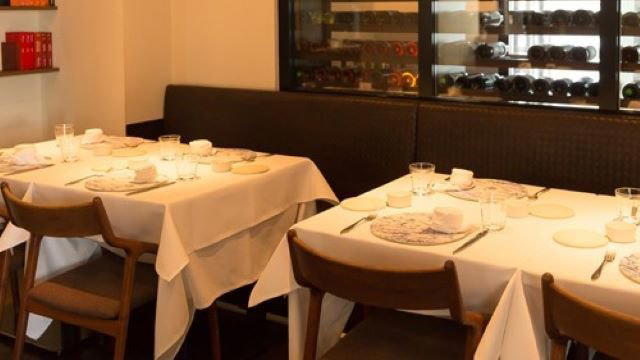
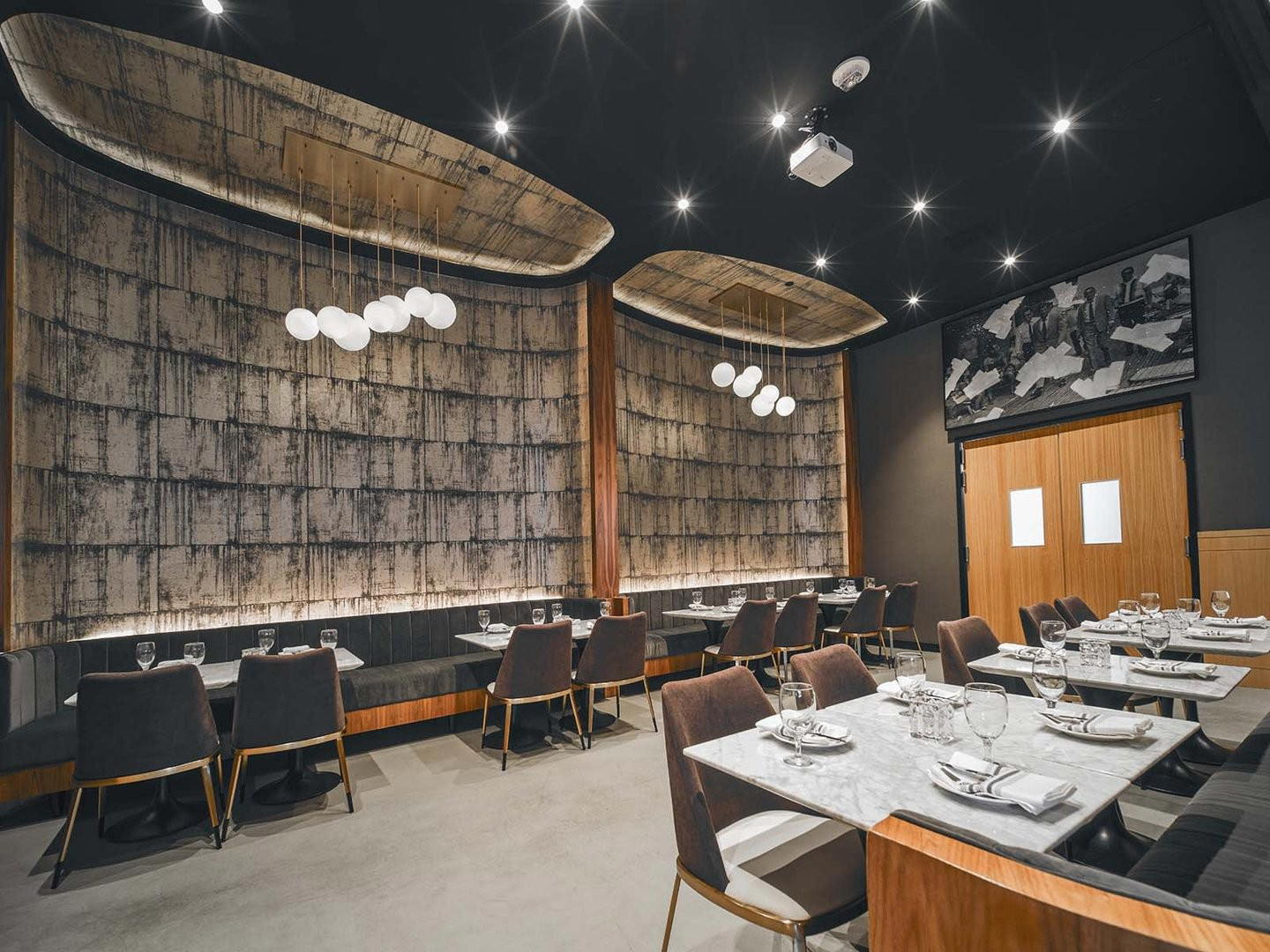
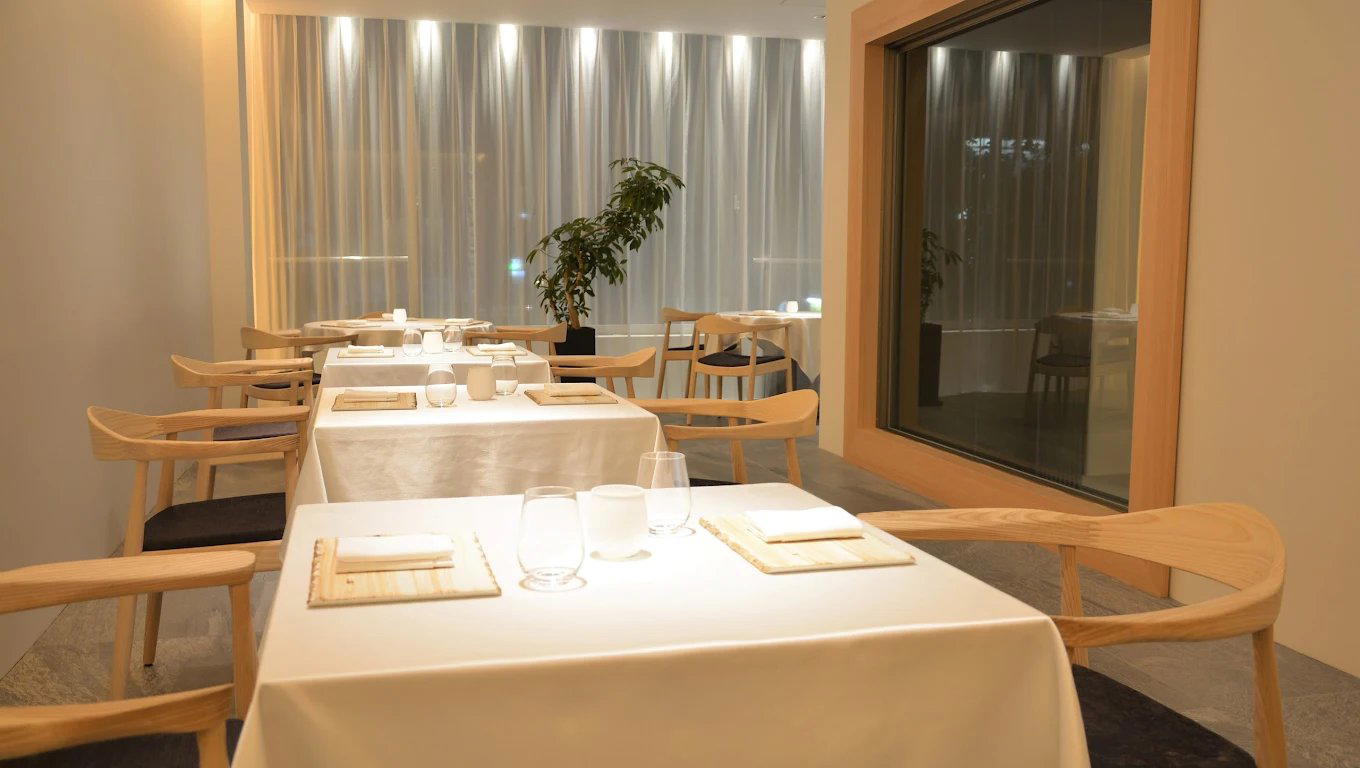
A small, homey wagashi shop with just 13 non‑smoking seats, simple house‑like interiors, and a relaxed, neighborhood feel where guests queue for freshly grilled taiyaki.