
Taishu Shokudo Kawaramachi Blanc reads Osaka yoshoku through a bistro-and-baru lens, a useful counterpoint to the city’s louder comfort-food clichés. Its 2025 Tabelog 100 selection for Yoshoku in western Japan, sommelier service, and wine-forward positioning place it in a sharper dining tier than the phrase taishu shokudo might suggest.
Pearl is the En Primeur Club membership app — saves, bookings, and concierge access live there. Same editors, same standards.
- Address
- 大阪府大阪市北区西天満4-7-10 昭和ビル
- Phone
- +81663673915
- Website
- tabelog.com
 Saves & bookings on Pearl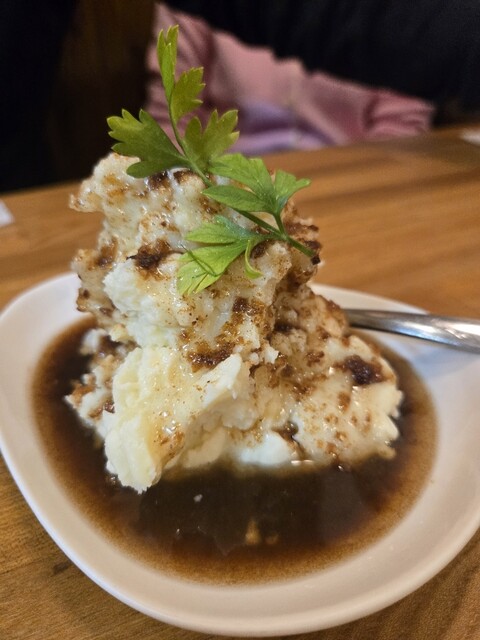
Nishitenma rewards restaurants that do not announce themselves loudly. Between legal offices, old river approaches, and the after-work pull of Umeda and Kitashinchi, dinner feels deliberate rather than theatrical. Taishu Shokudo Kawaramachi Blanc fits that mood: not formal kappo, not a casual beer-hall yoshoku counter, but a compact Osaka answer to Japanese Western cooking shaped by wine, bistro structure, and local appetite.
Travelers often mistake yoshoku for nostalgia cooking: demi-glace, cutlets, gratins, omelet rice, and borrowed European forms made Japanese through repetition. In Osaka, the tradition has another edge. The city moves easily from udon and kushikatsu to serious counter restaurants within the same evening economy. The interest here is not novelty fusion but menu architecture: a yoshoku restaurant that also speaks baru and bistro, making a claim about pacing, drinking, and how many directions a meal can take without becoming shapeless.
Yoshoku built for wine rather than nostalgia alone
The name signals accessibility, while the category signals tension. Taishu shokudo suggests everyday dining; Blanc points toward wine and French-inflected restraint. Osaka’s yoshoku scene is not a museum of Western dishes translated into Japanese. At its stronger end, it treats those forms as working grammar: sauce, breading, gratin, sauté, stew, small plates, and sharing plates rather than ceremony.
Recognition by Tabelog’s 2025 Yoshoku WEST 100 gives the restaurant a clear external marker within the genre. Tabelog’s Hyakumeiten lists are category-specific, not general luxury rankings, so the selection places the restaurant among yoshoku specialists in western Japan, not unrelated sushi, kaiseki, or French fine-dining rooms. That distinction matters in Osaka, where dining talk too often collapses into takoyaki, okonomiyaki, and Michelin-chasing counters. Here, the relevant comparison is the regional strength of yoshoku itself.
The wine emphasis changes the meal’s shape. A sommelier service note and wine-focused positioning suggest a menu read in sequences, not only as nostalgic comfort dishes. That pushes it toward a bistro rhythm: begin with smaller plates, build toward richer yoshoku or Western-Japanese preparations, and let the drinking program set pace. Baru in the category mix reinforces that flexible structure, useful for diners who want Osaka’s appetite without a full tasting menu’s formality.
That also explains why the restaurant sits apart from nearby higher-spend Japanese rooms. Oryori Yamada and takigawa belong to a more formal Osaka register, with takigawa in a far more expensive bracket. Kushikatsu Daibon and Numata Sou point toward other local specialisms. Taishu Shokudo Kawaramachi Blanc occupies a narrower middle lane: serious enough for category recognition, relaxed enough that success depends on ordering intelligently rather than surrendering to a chef-led progression.
The menu's argument is format, not spectacle
The strongest reading of this restaurant is as a format built around choice. Yoshoku can become heavy as a parade of browned, sauced dishes; it is more persuasive when the kitchen lets diners vary weight, temperature, and drinking tempo. The bistro-baru frame means a meal can lean snack-led, wine-led, or dinner-led. That elasticity is why yoshoku remains durable in Japan: it absorbs foreign technique, then makes it serve local habits of sharing, drinking, and eating through small decisions.
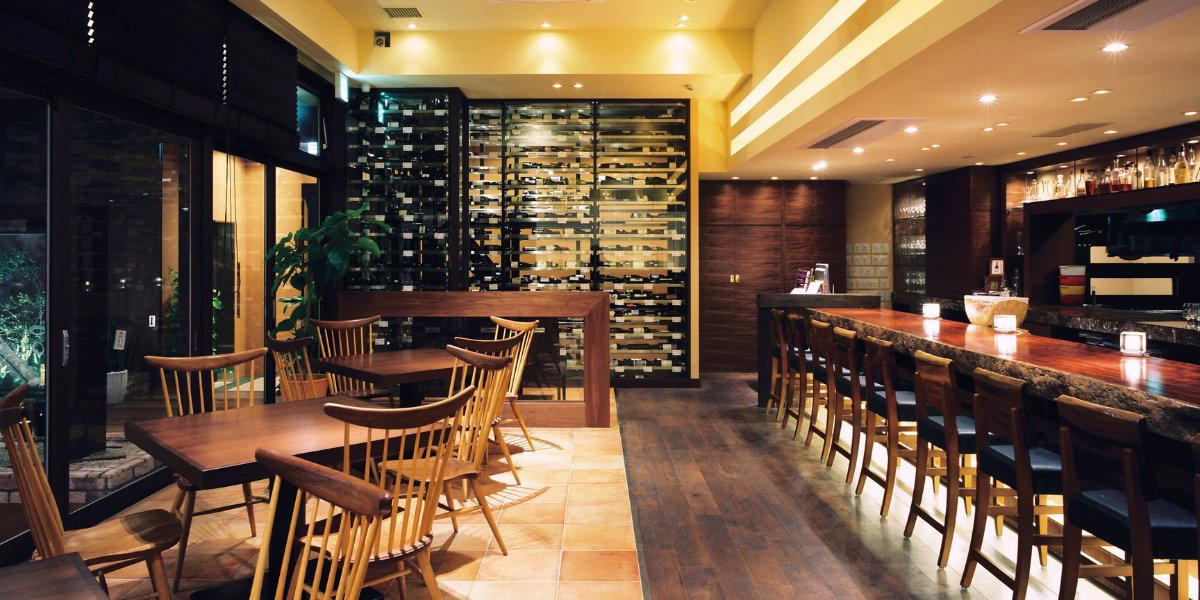
Osaka is especially good at that dining intelligence. Its restaurants often ask less reverence than Kyoto’s formal rooms and less status performance than parts of Tokyo. A place like this makes sense here. It is not turning yoshoku into haute cuisine; it tightens the category so wine service, a no-smoking policy, private-use availability, and a more composed room become part of the meal’s logic.
The 2021 opening date places the restaurant in a newer generation of post-pandemic Osaka dining, when smaller, focused rooms had to be clear about identity. A broad Western-Japanese menu was not enough. The sharper move was to build around a recognizable category, attach a drinking program with intent, and serve a neighborhood that can support weekday regularity and destination interest.
For travelers, the decision point is simple. This is not the Osaka table for a first encounter with street-food shorthand, nor for a grand seasonal Japanese menu. It suits diners who already understand that yoshoku is serious when handled with discipline. Its appeal lies in the middle register: a meal composed rather than prescribed, structured enough to feel edited and informal enough to remain Osaka in spirit.
Where it fits in a sharper Osaka itinerary
Nishitenma and nearby Naniwabashi work for diners who want Osaka away from the Dotonbori current. The area connects easily with Kitashinchi, Umeda, and the river-side civic core, suiting an evening built around one focused dinner rather than a long crawl. In a city where the choice often be counter omakase or casual specialization, this restaurant gives yoshoku a more adult reading.
Use it as a contrast point within a broader Osaka plan. A visitor could place it beside udon at Udondokoro Shigemi, skewer culture at Kushikatsu Daibon, or a more formal Japanese booking such as Oryori Yamada to see how differently the city handles comfort, craft, and price. The lesson is not that one format outranks another, but that Osaka’s dining strength lies in how many categories retain seriousness without adopting the same service language.
For more city context, EP Club’s Osaka coverage is better read by category than by a single hit list: Our full Osaka restaurants guide, Our full Osaka hotels guide, Our full Osaka bars guide, Our full Osaka wineries guide, and Our full Osaka experiences guide. Nearby and wider Japan entries add useful calibration across casual, bakery, Italian, and specialist formats:.cafe, 52CHO-ME BAKERY, 551 Horai (551蓬莱), 99 Pizza Napoletana Gourmet, a canto (Italian), -Grilled beef Sukiyaki- KAMAKURA TANUKIAN 鎌倉 たぬき庵 in Kamakura. 鮪と炭火焼き うお炭 秋葉原店 in Tokyo.know in Kumamoto, (Shoku) Vietnam in Kawasaki, [Curry Senmon Ten] Maruyama Kyoju. in Sapporo, [ki:] in Kyoto, Jōdo Saké Bar in Los Angeles, and Onigiri Time in Pasadena.
How It Stacks Up
Comparable venues to anchor price and recognition.
| Venue | Cuisine | Price | Notes |
|---|---|---|---|
| Taishu Shokudo Kawaramachi BlancThis venue — the venue you are viewing | Japanese Western (Yoshoku) Bistro | $$$ | Not listed |
| Goichi Nishitenma ten | Yakitori Omakase | $$$ | Kita |
| Matasaburo | Dry-aged Wagyu Steak & Yakiniku | $$$ | Sumiyoshi |
| Yakiniku Horumon Odoru | Japanese Yakiniku & Horumon | $$$ | Miyakojima |
| Kyosho ran Minamimori chou | Japanese Yakiniku | $$$ | Kita |
| Yakitori BLACK | Yakitori Omakase | $$$ | Osaka |
Recognition history
Dated appearances from independent guides and award organizations, with the underlying list record or original source where available.
Tabelog 100 #1 · No. 1
Tabelog · Tabelog 100 - Yoshoku - WEST - 2025
Continue exploring
More in Osaka
Restaurants in Osaka
Browse all →




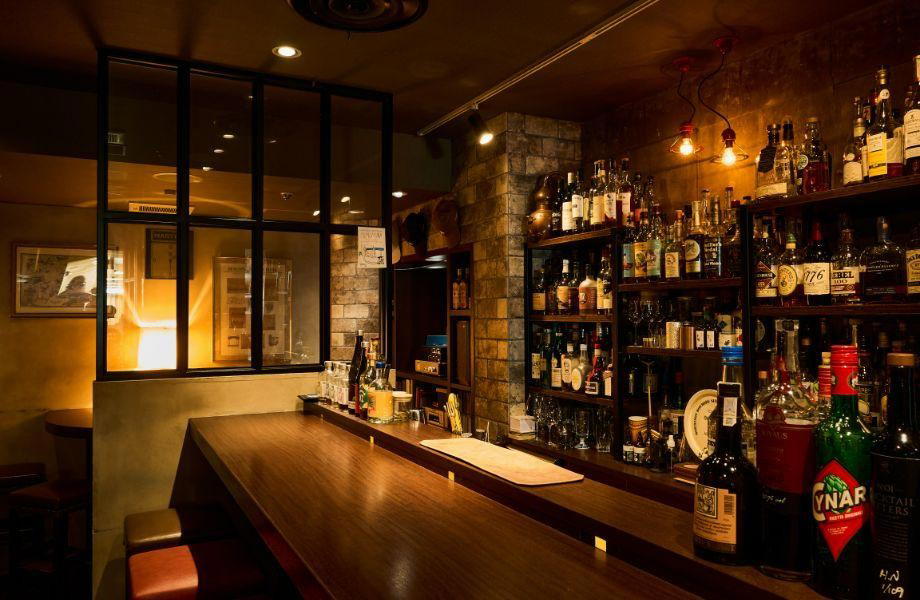
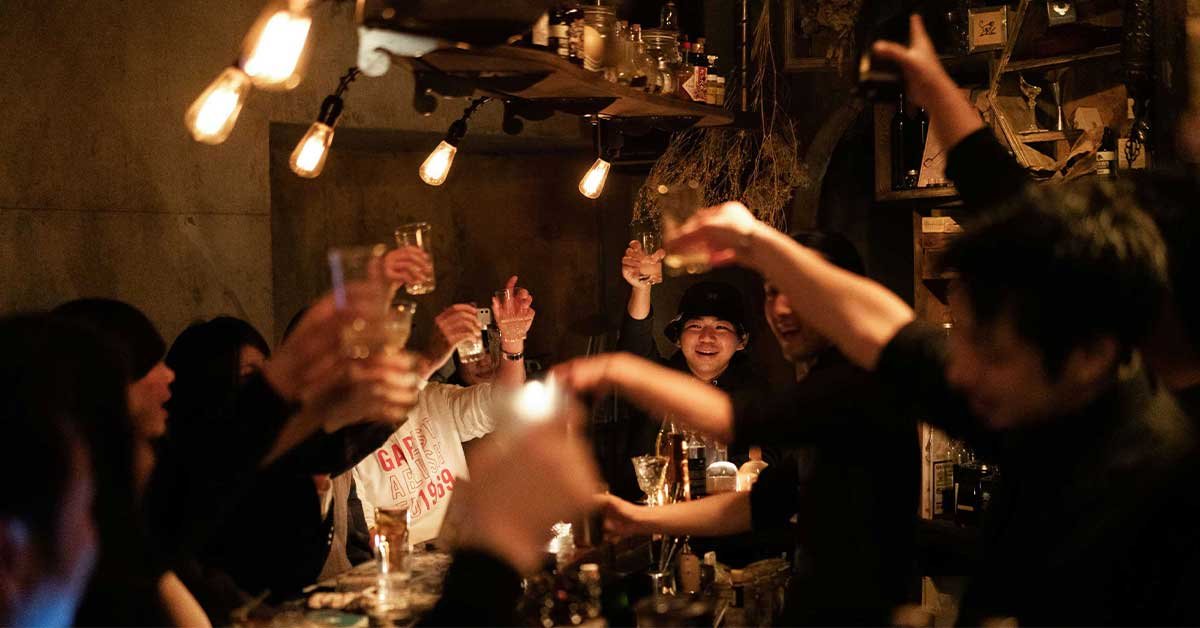
Bars in Osaka
Browse all →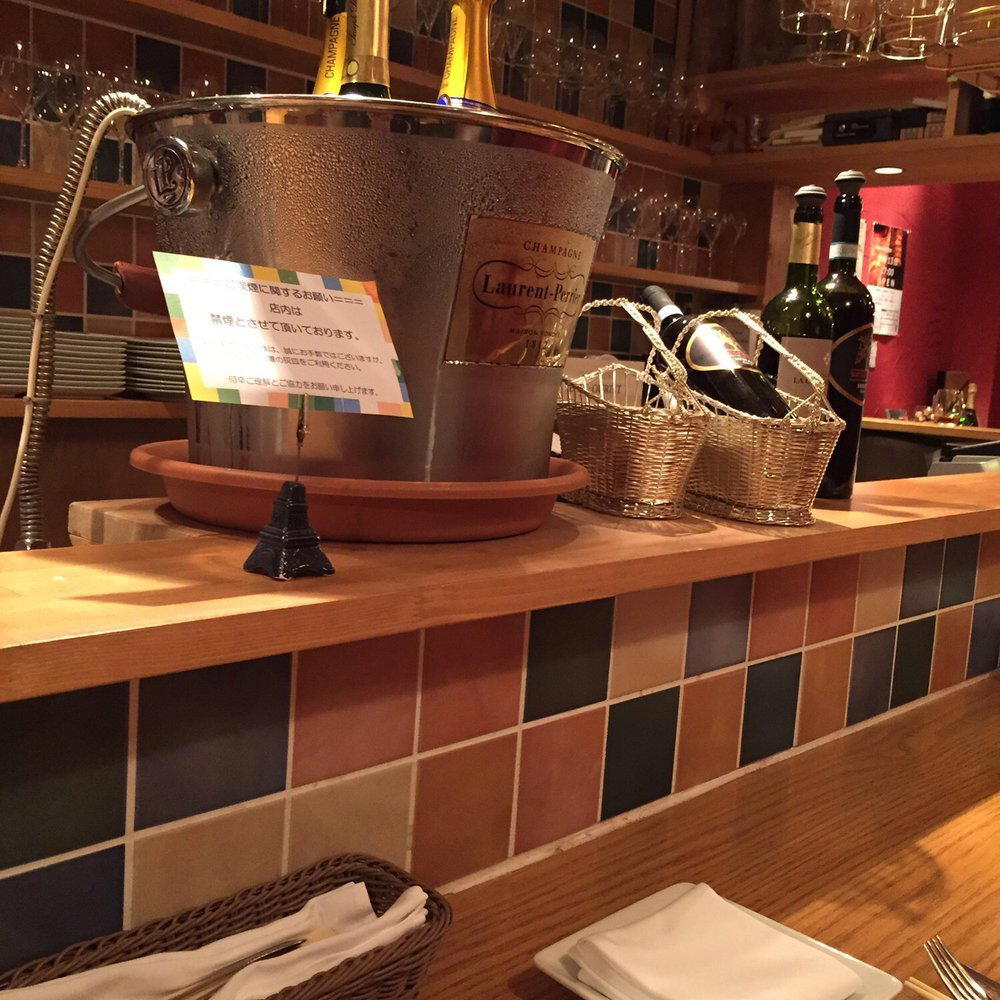

Hotels in Osaka
Browse all →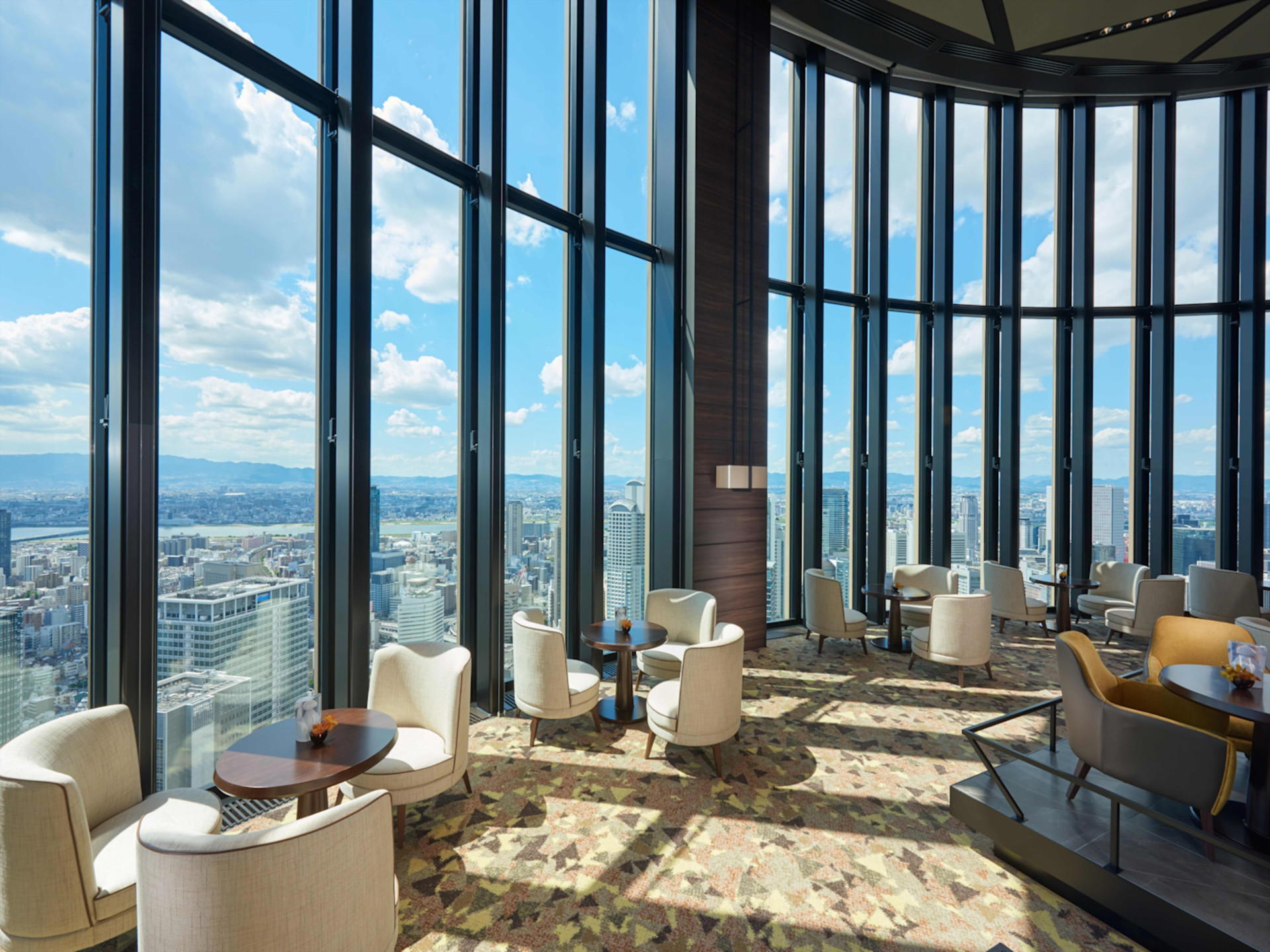




Wineries in Osaka
Browse all →
At a Glance
- Classic
- Cozy
- Sophisticated
- Date Night
- Business Dinner
- Group Dining
- After Work
- Special Occasion
- Standalone
- Sommelier Led
- Extensive Wine List
A stylish, relaxing hideout atmosphere that feels polished but not overly formal, with a classic western-Japanese dining character.