
Matasaburo places Osaka yakiniku in a quieter Nagai setting rather than the central dining corridors of Umeda or Namba. Its Tabelog 100 Yakiniku WEST 2025 selection, 3.82 score, charcoal-grill format, steak and tripe focus, and long operating history make it a serious address for diners comparing Osaka’s beef culture beyond the obvious neighbourhoods.
Pearl is the En Primeur Club membership app — saves, bookings, and concierge access live there. Same editors, same standards.
- Address
- 2 Chome-13-13 Nagai, Sumiyoshi Ward, Osaka, 558-0003, Japan
- Phone
- +81 6-6693-8534
- Website
- matasaburo.com
 Saves & bookings on Pearl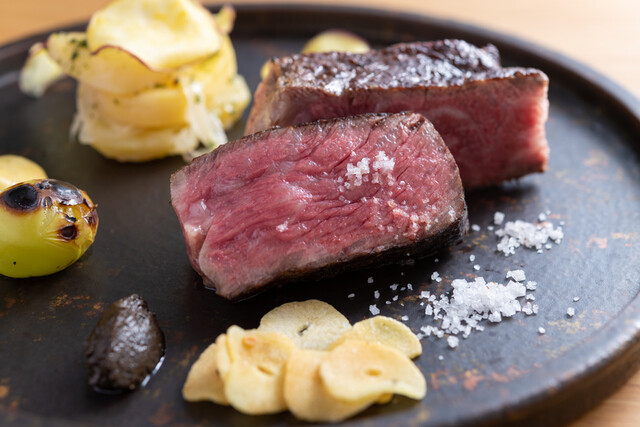
Approaching Nagai changes Osaka’s dining rhythm. The city’s restaurant conversation often clusters around station towers, department-store basements, alley bars, and late-night counters, but Sumiyoshi Ward works at lower volume. Around Nagai, a meal feels less like a sightseeing detour than a local appointment: people arrive for a specific table, not a strip of competing neon. That context suits yakiniku. Beef grilling rewards patience, ventilation, pacing, and group conversation, and a residential southern neighbourhood gives the format a different register from the quicker central-city meal.
Matasaburo belongs to Osaka’s serious yakiniku tier: Tabelog lists it at 3.82 and selected it for Tabelog 100 Yakiniku WEST 2025, with earlier Tabelog 100 Yakiniku selections through multiple recent years and Tabelog Award Bronze recognition in 2017 and 2018. Those signals separate it from casual grill shops built around speed and beer. The cooking still follows yakiniku’s democratic grammar, with guests managing heat and timing at the table, but the selection history points to a more exacting beef house, where steak, tripe, charcoal, drink pairing, and private-room utility all matter.
Nagai gives Osaka yakiniku a slower frame
Osaka is often framed as Japan’s appetite city, but that shorthand usually means takoyaki, okonomiyaki, kushikatsu, ramen, pork buns, and fast-turnover counter food. Yakiniku tells another story. It is social rather than solitary, tactile rather than chef-theatrical, and as dependent on sourcing and cut management as seasoning. Here, the form gains room. Nagai is neither a trophy-dining address like Kitashinchi nor a visitor-saturated eating zone like Dotonbori. That lowers the performative pressure and leaves the meal closer to Osaka’s everyday beef culture, only at a higher spend and recognition tier.
The neighbourhood angle sharpens the decision for travellers. A meal here is not the same move as dropping into a central noodle counter between trains. Comparison venues such as Kamaage Udon Isshin, Soba Kiri Oshiro, Chuka Soba Kaminari Wantan, Kama Hiro, and PiEDRA sit in different price and format bands across Osaka’s eating map, from low-cost udon and ramen to mid-priced European cooking. Matasaburo sits apart because yakiniku changes the tempo: the table becomes the cooking site, the order builds in stages, and the drink list must support smoke, fat, salt, and offal as much as steak.
That distinction matters because Osaka rewards format literacy. A cheap bowl can be correct at noon; a grill table fits when the evening can carry a longer arc. The venue’s categories, yakiniku, steak, and tripe, define its lane without needing a myth around one dish. Tripe is especially telling. Kansai beef culture has long made room for offal, and listing tripe beside steak shows a restaurant not just chasing premium cuts, but working in the fuller vocabulary of Japanese grill dining, where texture, chew, and charcoal contact are part of the appeal.
The recognition points to consistency, not spectacle
Tabelog’s 100 selection for Yakiniku WEST in 2025 is the clearest public trust signal, and its significance is regional rather than national theatre. WEST matters because the field includes Kansai and western Japan, where beef has deep cultural roots and diners are not impressed by price alone. The long run of Tabelog 100 selections from 2019 onward, plus Bronze award mentions in 2017 and 2018, suggests a restaurant measured over years, not a publicity cycle. For a grill format, that matters: consistency depends on purchasing, butchery, room management, and staff timing, not a single plated flourish.
The room format widens the use cases. Forty seats and private rooms make it viable for groups, families, and celebrations, while counter and sofa seating keep it from becoming only a banquet setup. That flexibility helps high-performing yakiniku houses build local loyalty: they can handle date nights, family meals, and business dinners without changing the core proposition. Non-smoking dining also matters in a charcoal environment, because the smoke should come from the grill, not the room.
The drinks list is also notable. Sake, shochu, wine, and cocktails are listed, with particular attention to wine. In Japan, wine-led yakiniku is no longer unusual at the higher end, but it remains a useful marker. Beef fat and charcoal can flatten lighter drinks; structured reds, shochu highballs, and sake with weight can change the meal’s pace. The broader trend is clear: premium yakiniku increasingly competes not only on meat quality but on how well it manages the whole table, from ventilation and seating to bottles that do not fight the grill.
How to place it within an Osaka itinerary
For food-led Osaka travel, Matasaburo makes more sense as a planned meal than a spontaneous central-city stop. The Nagai location rewards diners already looking beyond the standard Umeda-Namba axis, and fits an itinerary that treats Osaka as a network of neighbourhoods rather than one entertainment district. That is the better way to read the city: the bakery, cafe, ramen, yakiniku, and bar scenes do not all sit on the same street, and quality often improves when the map gets less convenient.
EP Club readers comparing the wider city can use Our full Osaka restaurants guide for dining context, then branch into Our full Osaka hotels guide, Our full Osaka bars guide, Our full Osaka wineries guide, and Our full Osaka experiences guide. Nearby and citywide restaurant references worth cross-checking include.cafe, 52CHO-ME BAKERY, 551 Horai (551蓬莱), 99 Pizza Napoletana Gourmet, and a canto (Italian).
For readers mapping Japanese beef and casual-specialist formats beyond Osaka, useful counterpoints include -Grilled beef Sukiyaki- KAMAKURA TANUKIAN 鎌倉 たぬき庵 in Kamakura. 鮪と炭火焼き うお炭 秋葉原店 in Tokyo.know in Kumamoto, (Shoku) Vietnam in Kawasaki, [Curry Senmon Ten] Maruyama Kyoju. in Sapporo, [ki:] in Kyoto, Jōdo Saké Bar in Los Angeles, and Onigiri Time in Pasadena. The useful comparison is not cuisine alone, but commitment to a narrow format. Osaka’s stronger meals often come from that discipline, and this Nagai yakiniku address fits that pattern.
A Tight Comparison
Comparable venues for context, by category and price tier.
| Venue | Cuisine | Price | Notes |
|---|---|---|---|
| MatasaburoThis venue — the venue you are viewing | Not listed | $$$ | Not listed |
| Hon Sekiguchi | Not listed | $$$ | Chūō, Traditional Kansai-Style Sukiyaki & Shabu-Shabu |
| Yasubee | Konohana, Japanese Yakiniku | $$$ | Not listed |
| Wagyu Matsushita Kamidoori ten | Not listed | $$$ | Kita, Premium Wagyu Yakiniku, Sukiyaki & Shabu-Shabu |
| Unagi no Uoi Honten | Not listed | $$$ | Asahi, Traditional Osaka charcoal-grilled unagi |
| Torisho Ishii Hina | Minami-Azabu, Modern Yakitori Omakase | $$$ | Not listed |
Recognition history
Dated appearances from independent guides and award organizations, with the underlying list record or original source where available.
Tabelog 100 #16 · No. 16
Tabelog · Tabelog 100 - Yakiniku - WEST - 2025
Continue exploring
More in Osaka
Restaurants in Osaka
Browse all →




Bars in Osaka
Browse all →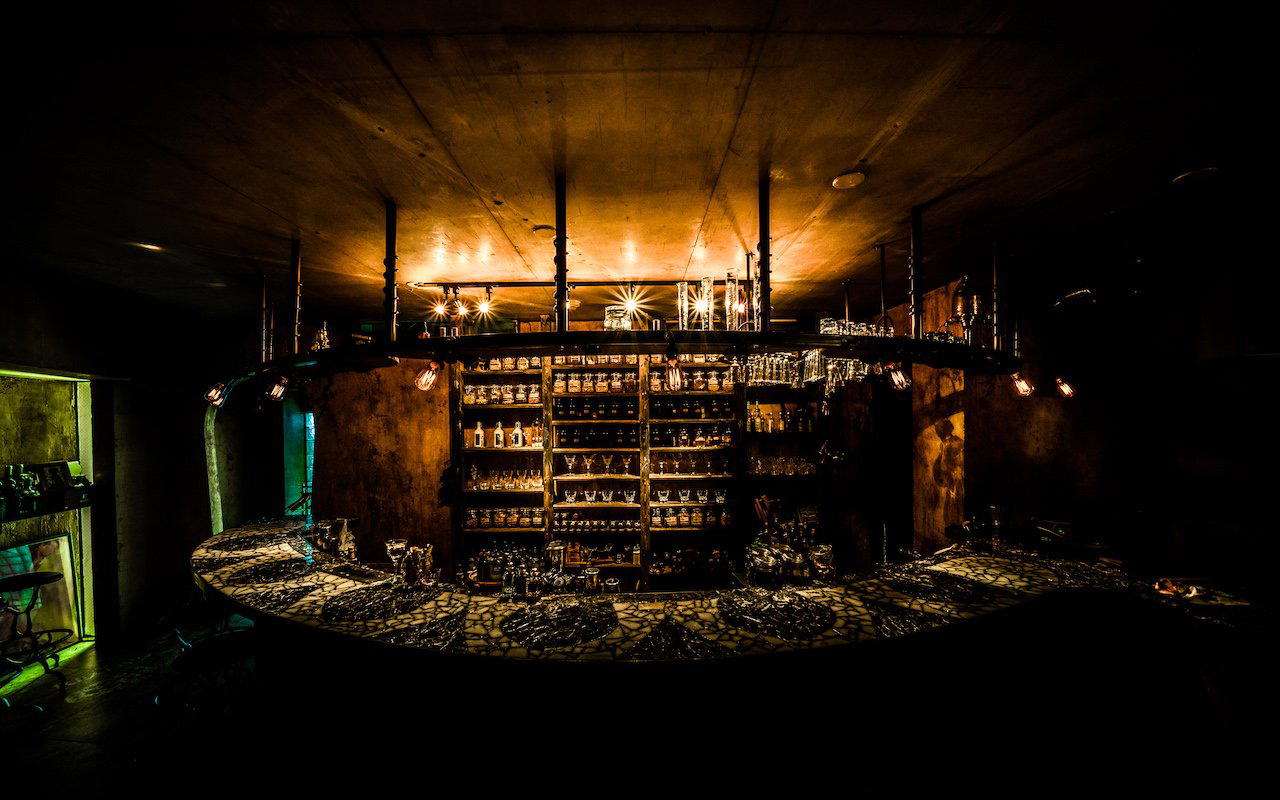
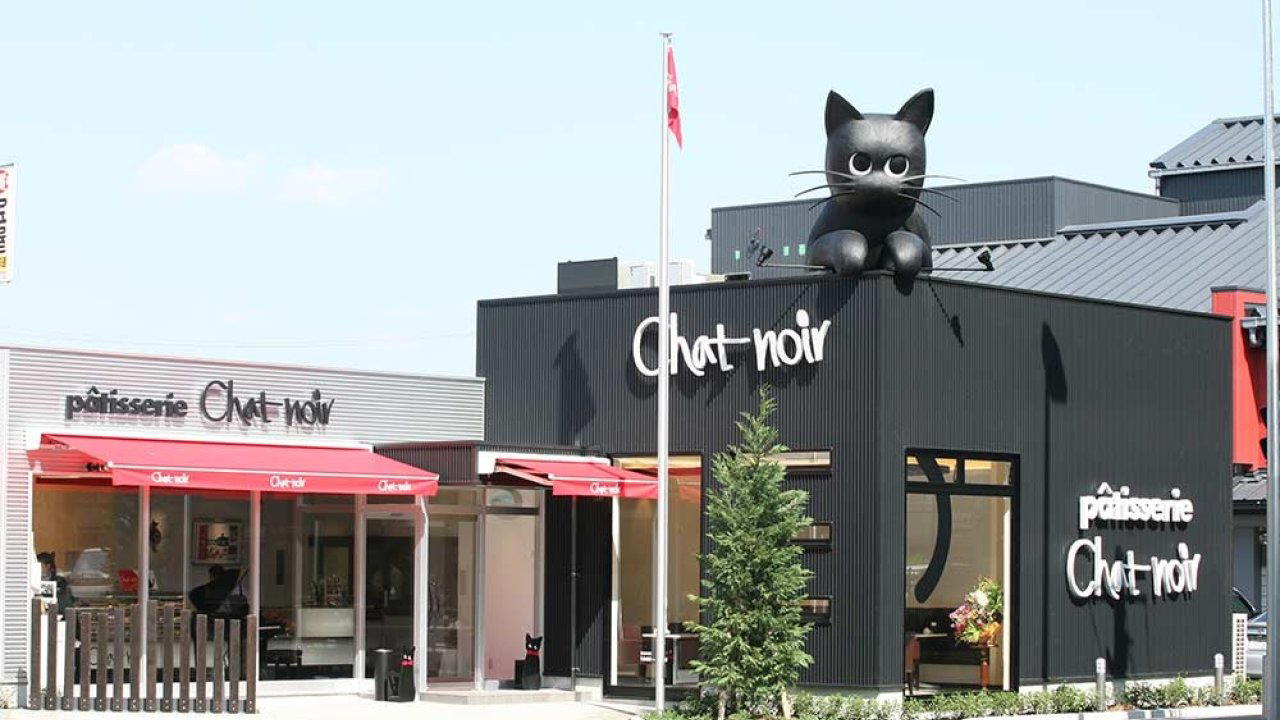


Hotels in Osaka
Browse all →



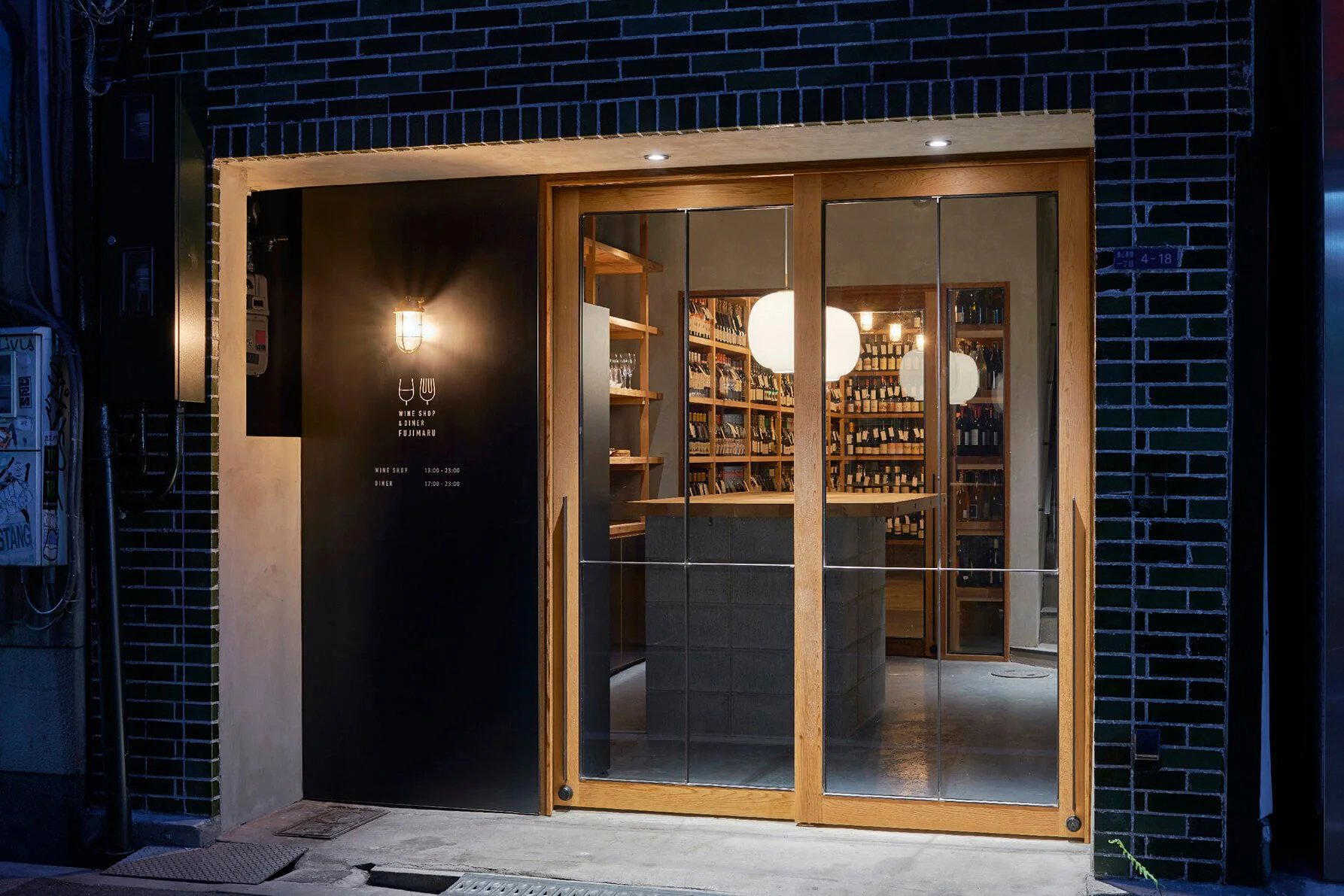
Wineries in Osaka
Browse all →
At a Glance
- Cozy
- Lively
- Intimate
- Date Night
- Business Dinner
- Group Dining
- Special Occasion
- Late Night
- Standalone
- Sake Program
- Beer Program
- Local Sourcing
Current opening hours
- Monday
- Closed
- Tuesday
- 11:30 AM–2:30 PM, 5:30–11 PM
- Wednesday
- 11:30 AM–2:30 PM, 5:30–11 PM
- Thursday
- Closed
- Friday
- 11:30 AM–2:30 PM, 5:30–11 PM
- Saturday
- 11:30 AM–2:30 PM, 5:30–11 PM
- Sunday
- 11:30 AM–2:30 PM, 5:30–11 PM
Hours can change for holidays and private events. Last verified .
Warm and cozy neighborhood steak-and-yakiniku house with counter and table seating, casual but polished service, and an energetic atmosphere focused on showcasing premium aged beef.