Tacos La Carreta


LA Taco Best Tacos in LA #7 · LA Times 101 Best Restaurants #83
Our verdict
Tacos La Carreta began as a food truck on the northern fringes of Long Beach in late 2020, bringing Sinaloa-style carne asada to Los Angeles through a family tradition rooted in Mexico's El Verde. Listed on the LA Times 101 Best Restaurants 2024 and a Taco Madness winner, the operation now includes a Whittier strip-mall taqueria, where the chorreada and Sinaloan pellizcada have built a dedicated following across the region.

Pearl is the En Primeur Club membership app, where members save venues, book tables and use the concierge.
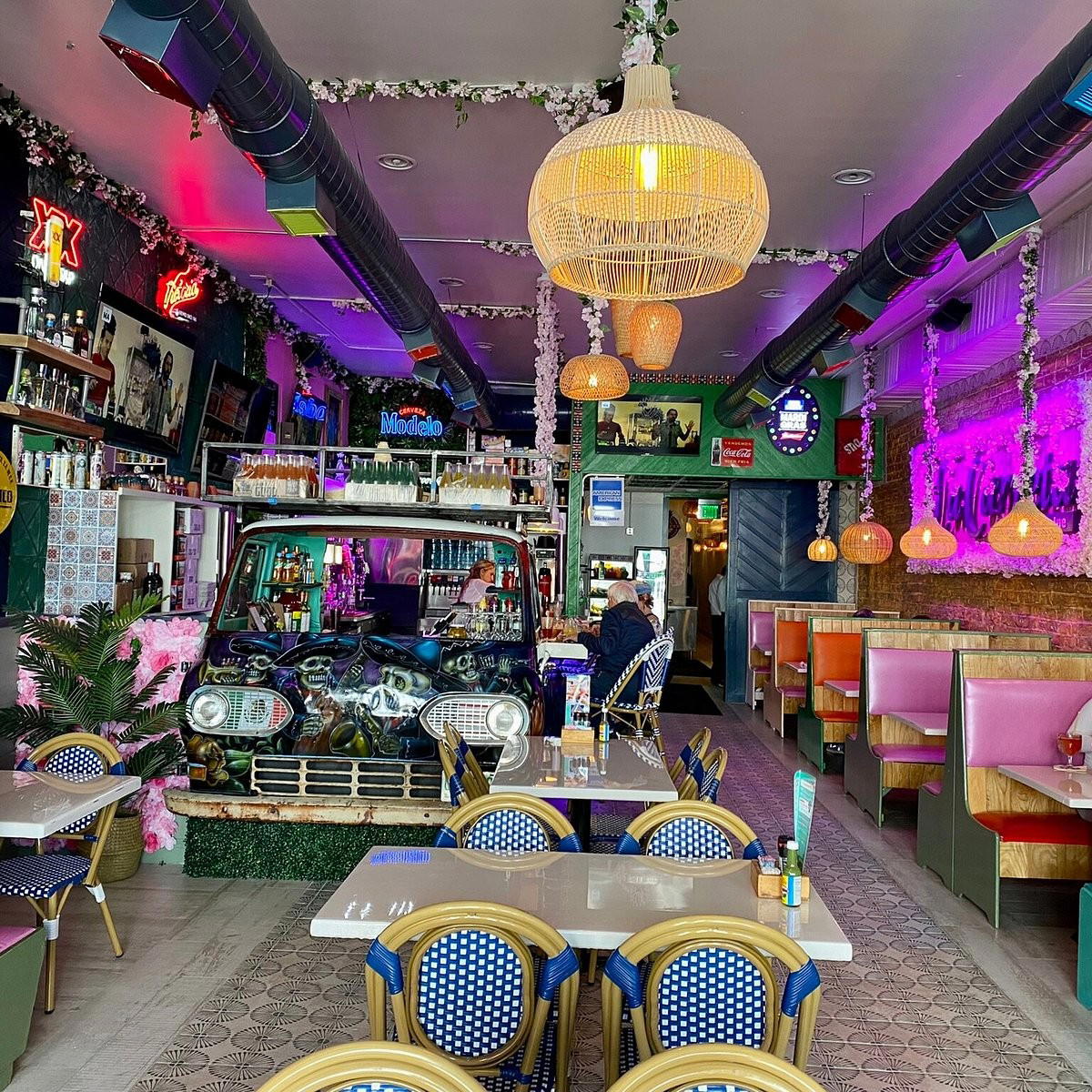
The menu
What to order
- Burrito rojo
- Chilaquiles con nopales
- Camarones ranchero
Sinaloan Street Food and the Rise of a Regional Tradition
Los Angeles has long maintained a street taco culture that resists easy categorization. The city's taco geography spans Tijuana-style carne asada operations in South Central, Oaxacan tlayuda trucks in Koreatown, and al pastor specialists that trace their lineage to Lebanese-Mexican butcher traditions in Puebla. Within that spread, Sinaloan-style tacos have historically been the least visible in the public culinary conversation, despite the large Sinaloan diaspora across Southern California. That positioning began to shift when, in late 2020, a food truck appeared on the northern fringes of Long Beach, operating off a family recipe developed in a town called El Verde in Sinaloa state. Within a few years, the taqueria had earned a place on the LA Times 101 Best Restaurants 2024, ranked at number 83, and had won the competitive Taco Madness bracket. Those are not the credentials of a local curiosity. They are the credentials of a regional argument.
The Arc of a Sinaloan Meal
Understanding what Tacos La Carreta offers requires approaching the menu as a progression rather than a list of interchangeable options. The Sinaloan tradition works through a set of distinct formats, each with its own textural logic, and the sequence in which you encounter them shapes how the flavors read.
The Opening: Chorreada
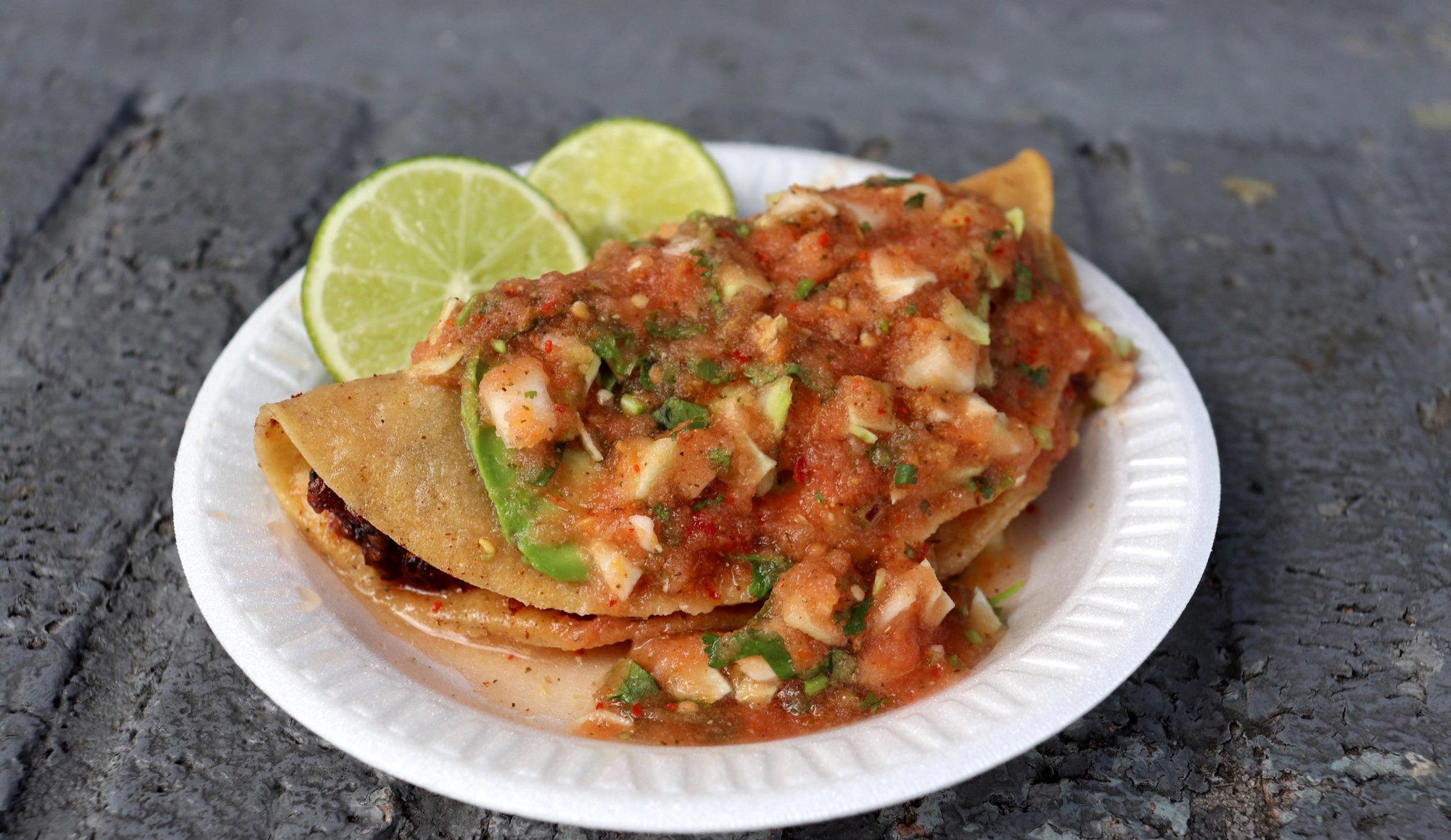
The chorreada functions as the clearest statement of what makes Sinaloan taco culture distinct. A corn tortilla goes onto the comal until it crisps, then receives a layer of Monterey Jack and, critically, asiento, a rendered paste produced from the remnants of frying chicharrones. Asiento is not lard and not simply pork fat. It carries the concentrated character of caramelized pork solids, crossing the clean nuttiness of clarified butter with the explicit depth of cured pig. That combination, applied to a crisped tortilla before any meat arrives, sets the baseline flavor register for everything that follows: fat-forward, slightly smoky, and precise in a way that distinguishes Sinaloan cooking from the chile-centered richness of central Mexican traditions. As a first order, the chorreada without meat establishes the kitchen's foundation before the proteins complicate the picture.
The Middle: Meat Selection and the Value of Combination
Three meats are available: carne asada, adobada, and tripa. Each works individually, but the ordering logic that has emerged among regulars and earned the operation its LA Times recognition runs through combination. Mixing carne asada or adobada with tripe places the flavors at a point where the smoke and clean iron of grilled beef, or the earthy red-chile character of the adobada, meets the funky minerality of tripe. That junction is the operational center of the menu, not any single meat but the counterpoint between clean grilled protein and offal depth. For visitors oriented toward the same tension that drives high-low pairing in other dining contexts, the combination taco is the more complete answer than any single-protein order.
Taco Madness recognition for the carne asada Torito specifically places that format at the more theatrical end of the offering, where the signature construction amplifies the Sinaloan carne asada rather than simply presenting it. The Torito functions as the marquee item in the same way that a single dish on a longer menu might concentrate the kitchen's position into one point of proof.
The Anchor: Pellizcada
The pellizcada is the format that most clearly separates this operation from the broader Los Angeles taco market. It is a medium-large round of masa, thicker than a standard tortilla but thinner than a sope, sourced from a vendor in Mazatlán via a weekly Tijuana run. The logistics of that supply chain matter: the pellizcada is not made locally or approximated. It arrives from the same regional source that would supply a taqueria in Mazatlán itself, which explains why the texture and flavor read as categorically different from masa formed in Los Angeles. The growing volume of pellizcadas ordered each week reflects how quickly this format has moved from a specialty item to a central reason for the visit.
For a comparative frame, the sourcing discipline at play here is closer in spirit to the ingredient-origin rigor practiced at long-tasting-menu counters like Hayato or the product-driven focus at Kato than to the improvised sourcing common in street food operations. The register is entirely different, but the underlying logic, that specific provenance produces a result that local substitution cannot replicate, applies equally.
Where This Fits in Los Angeles Dining
Los Angeles in 2024 operates a two-tier dining structure more pronounced than it has been at any previous point. One tier includes Michelin-starred tasting menus at Providence, Somni, and the Italian canon at Osteria Mozza. The other tier, which the city has historically been more interested in than most American cities of comparable size, runs through market stalls, strip-mall specialists, and food trucks operating regional Mexican, Southeast Asian, and Armenian traditions with a seriousness that formal dining occasionally struggles to match on pure flavor terms. The LA Times 101 list does not distinguish between these tiers by format or price. Ranking Tacos La Carreta at 83 alongside restaurants that charge ten times the price per head reflects an editorial position that the relevant competition is quality of execution within a tradition, not category uniformity.
Within the street food and casual Mexican tier specifically, the Sinaloan specialty positioning places Tacos La Carreta in a narrower competitive set than the general taco landscape. The chorreada and pellizcada are not formats that appear commonly across Los Angeles, which means the operation occupies regional-specialist ground rather than competing in the volume taco market.
Two Locations, One Menu Logic
The operation runs from two points: the original truck in Long Beach and the Whittier strip-mall taqueria that opened in early 2023. The Whittier location brought a fixed address to what had been a mobile operation, but the menu remained consistent across both. For visitors traveling specifically for the pellizcada or the combination taco, the Whittier taqueria offers the reliability of a permanent address without the variation in availability that comes with truck operations. Both locations sit outside the central Los Angeles dining corridors that attract most out-of-town visitors, placing them in neighborhoods where the customer base is predominantly local, which, for operations at this level of regional specificity, is generally a stronger signal of authenticity than a West Hollywood address would be.
Explore more of the city's dining range across our full Los Angeles restaurants guide, or branch into the broader scene via our Los Angeles bars guide, hotels guide, wineries guide, and experiences guide.
Planning Your Visit
Tacos La Carreta operates from 1471 E Vernon Ave, Los Angeles, CA 90011, with a second location in a Whittier strip mall. Hours and current truck scheduling are best confirmed directly. Given the weekly Tijuana run for pellizcadas and the growing demand noted in public record, arriving early in the service window is advisable for full menu availability.
Quick reference:
Frequently asked questions
What should I order at Tacos La Carreta?
How far ahead should I plan for Tacos La Carreta?
What's the defining dish or idea at Tacos La Carreta?
Can Tacos La Carreta adjust for dietary needs?
What makes the pellizcada at Tacos La Carreta different from masa preparations at other Los Angeles taquerias?
Peers Worth Knowing
A small set of peers for context, based on recorded venue fields.
| Venue | Cuisine | Price | Awards | Notes |
|---|---|---|---|---|
| Tacos La CarretaThis venue (the venue you are viewing) | Traditional Mexican | Not listed | LA Taco Best Tacos in LA #7 · LA Times 101 Best Restaurants #83 | Not listed |
| Kato | Modern Taiwanese Fine Dining | $300–500 | 2 Michelin Stars · World's 50 Best #49 | New Taiwanese, Asian |
| Hayato | Traditional Japanese Kaiseki | $300–500 | 2 Michelin Stars · La Liste Top Restaurants | Japanese |
| Vespertine | Avant-Garde Tasting Menu | $200–300 | 2 Michelin Stars · La Liste Top Restaurants | Progressive, Contemporary |
| Camphor | Modern French with Southeast Asian influences | $150–200 | Michelin Plate · World Best Burgers World's 101 Best Burgers #15 | French-Asian, French |
| Gwen | Contemporary American Steakhouse | $50–100 | Michelin Plate · Wine Spectator Best of Award of Excellence | New American, Steakhouse |
Recognition history
Dated appearances from independent guides and award organizations, with the underlying list record or original source where available.
LA Taco Best Tacos in LA #7
LA Taco
LA Times 101 Best Restaurants #83
LA Times
Continue exploring
More in Los Angeles
Restaurants in Los Angeles
All restaurants in Los Angeles →
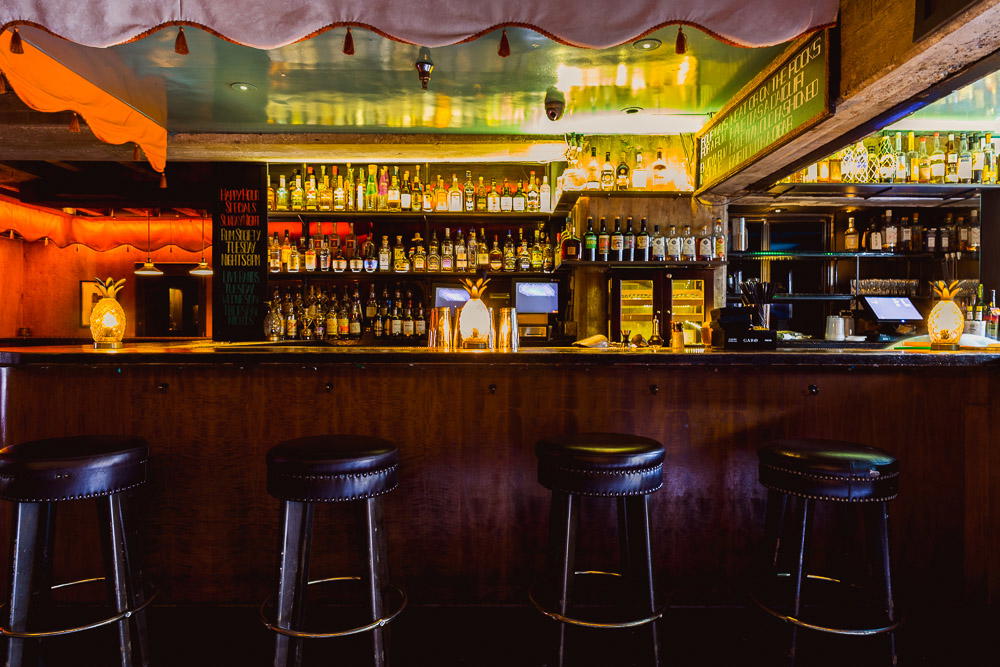
Bars in Los Angeles
All bars in Los Angeles →
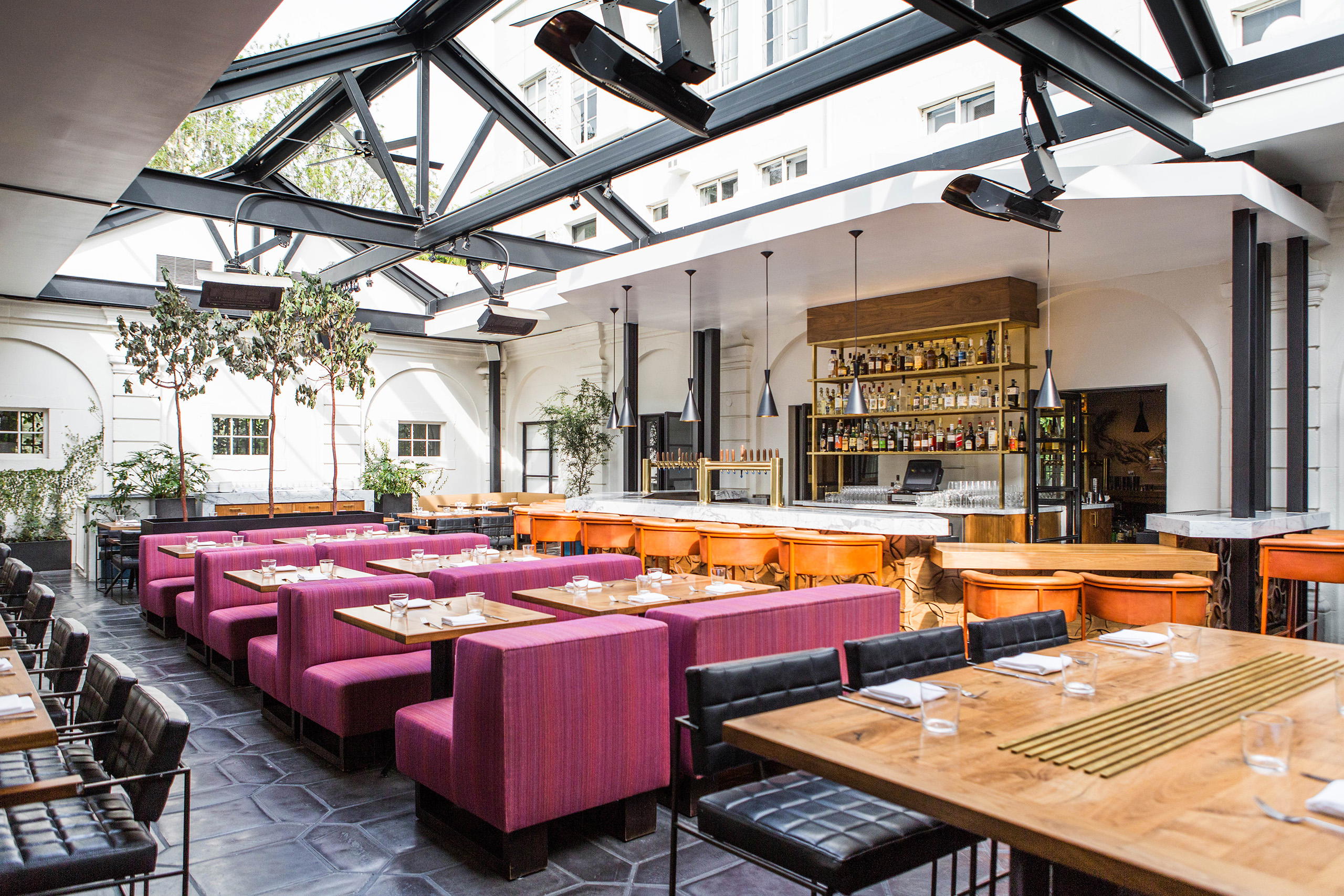
Hotels in Los Angeles
All hotels in Los Angeles →




Wineries in Los Angeles
All wineries in Los Angeles →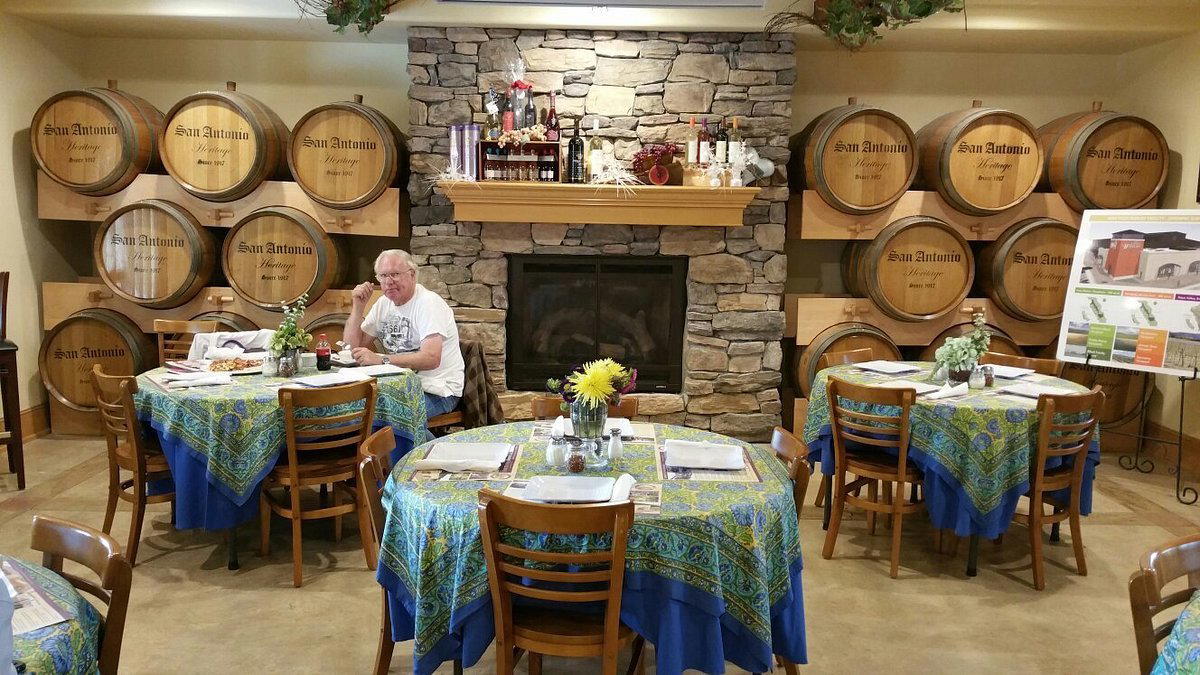
Details
- Rustic
- Family
- Casual Hangout
- A La Carte
Current opening hours
- Monday
- 10 AM–11 PM
- Tuesday
- 10 AM–11 PM
- Wednesday
- 10 AM–11 PM
- Thursday
- 10 AM–11 PM
- Friday
- 10 AM–12 AM
- Saturday
- 8 AM–12 AM
- Sunday
- 8 AM–11 PM
Hours can change for holidays and private events. Hours as of .
Cute, clean, and homey interior with plenty of seating and welcoming service.