Tacos Al Pastor Sonorita De Sonora Al Sur
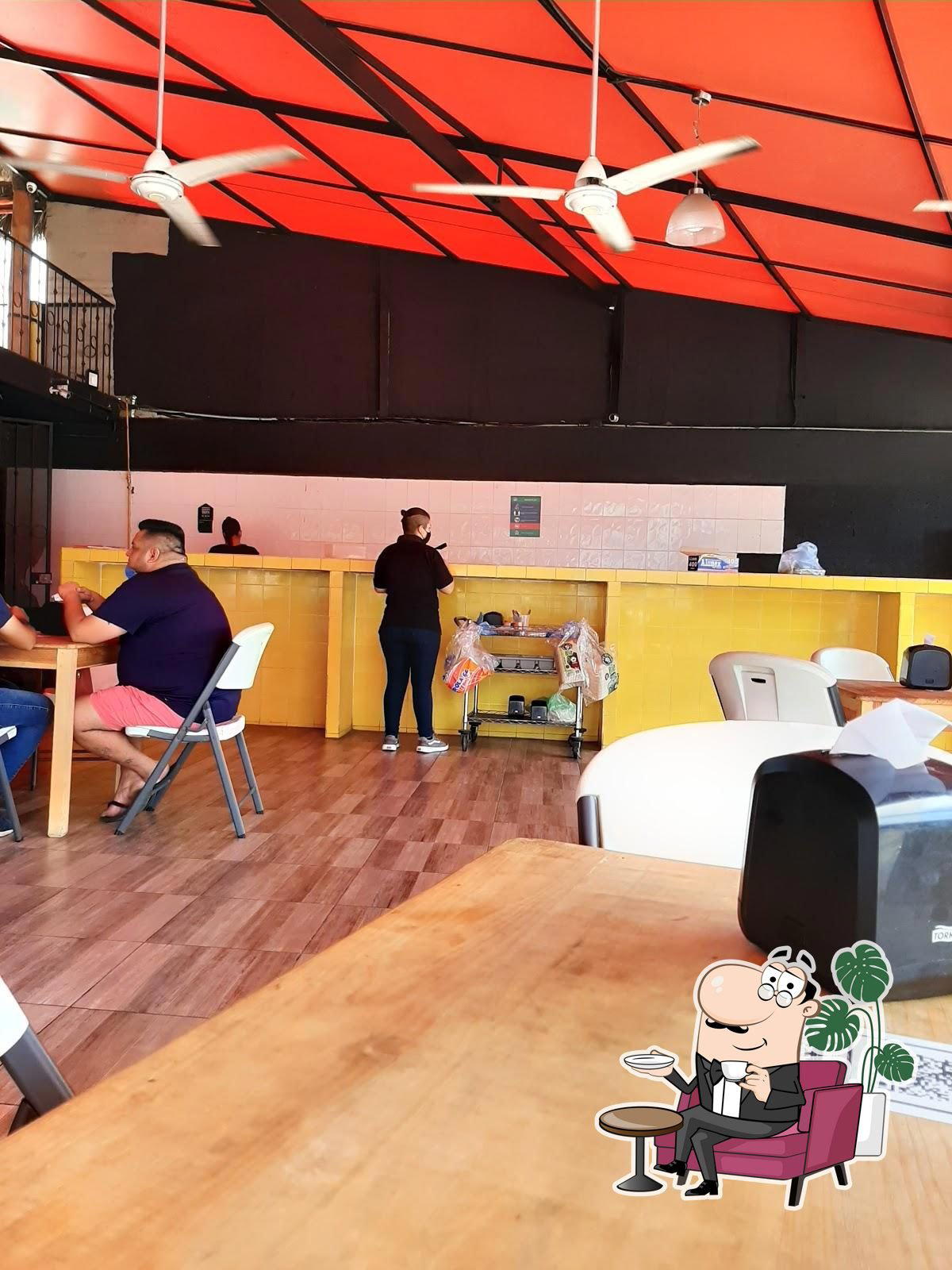
A street-side taco stand in Puerto Vallarta's Jalisco postcode, Tacos Al Pastor Sonorita De Sonora Al Sur represents the intersection of Sonoran grilling tradition and Pacific coast ingredients. The al pastor format, rooted in Lebanese spit-roasting technique transplanted to Mexico in the mid-20th century, travels here with coastal inflections. Walk-up and immediate, it sits at the informal end of a city that runs the full spectrum from taco stand to fine dining room.
 Discover on Pearl
Pearl is the En Primeur Club membership app — saves, bookings, and concierge access live there. Same editors, same standards.
Where Spit-Roasting Tradition Meets the Pacific Coast
Puerto Vallarta's street food scene operates on a different register from its restaurant strip. While the Zona Romántica draws visitors toward polished dining rooms like Café des Artistes and the increasingly confident contemporary tables of Balam Balam, the city's taco infrastructure runs parallel and mostly invisible to that circuit. Tacos Al Pastor Sonorita De Sonora Al Sur sits in that informal register, in the 48380 postcode of Puerto Vallarta, Jalisco, where the trompo rather than the tasting menu is the organizing principle of the kitchen.
The al pastor format itself carries a layered history that most people eating it don't think about. Lebanese immigrants arriving in Mexico in the early 20th century brought shawarma technique with them. By mid-century, pork had replaced lamb on the vertical spit, and the achiote-and-chile marinade had replaced the Eastern Mediterranean spice profile. The result is a cooking method that is, technically, a transplanted technique applied to indigenous Mexican ingredients and flavors, producing something that now reads as entirely Mexican. That trajectory, imported method meeting local product, is exactly the kind of culinary evolution that Mexico's more celebrated tasting menu restaurants like Pujol in Mexico City have spent decades examining at fine dining scale. At a taco stand, the same negotiation happens without the critical apparatus around it.
The Sonoran Signal in a Jalisco City
The name carries specific geographic information. Sonora is Mexico's northwestern state, bordering Arizona, and its culinary identity is built around beef, wheat flour, and a grilling culture that differs from Jalisco's corn-forward, pork-rich tradition. A Sonoran taco operation in Puerto Vallarta is a regional transplant, and the name announces that provenance openly. This kind of internal migration of food traditions is common across Mexican cities, where stands and fondas from Oaxaca, Sonora, and the Yucatán Peninsula operate in neighborhoods far from their origin states, producing a city-level diversity that functions differently from the curated regionalism seen at places like Levadura de Olla Restaurante in Oaxaca or KOLI Cocina de Origen in Monterrey.
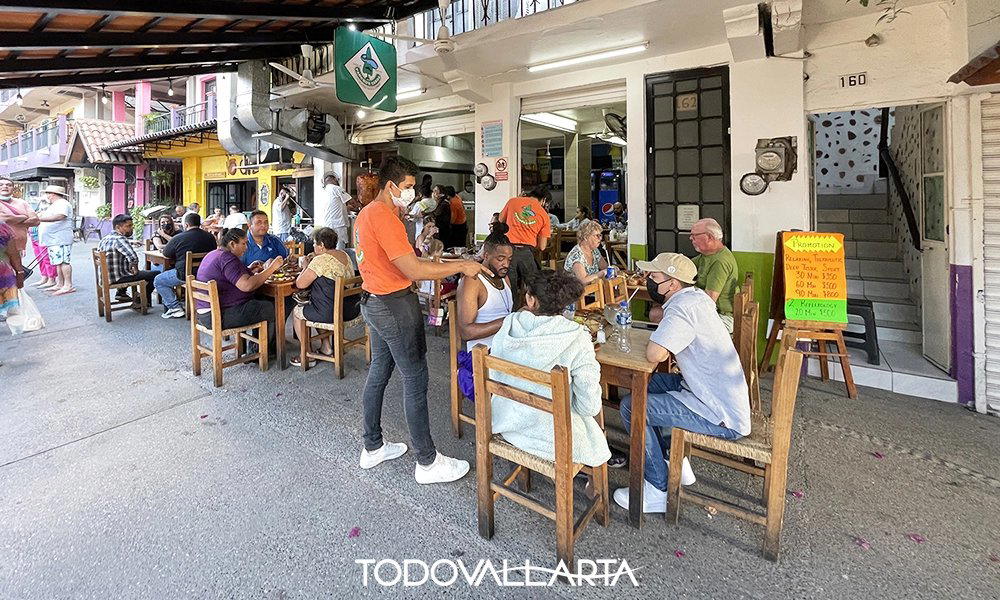
In Puerto Vallarta specifically, the contrast is sharpened by the city's dual identity as both a Jalisco beach town with deep local food roots and a tourist destination with a restaurant scene that tilts toward international visitors. Stands operating in the residential postal zones, away from the malecón and the hotel corridors, tend to serve a more local clientele and hold to regional or origin-state identities more stubbornly. For visitors who have covered the more prominent addresses, including Campomar Puerto Vallarta or the cafe circuit anchored by places like Calmate Cafe and Bean and Brick, the taco stand tier provides a different kind of access to how the city actually eats.
Al Pastor as Technique: What the Trompo Actually Does
It is worth being precise about what distinguishes al pastor from other taco formats, because the trompo is not just a cooking vessel, it is a flavor-development system. The vertical spit allows the marinated pork to baste itself continuously as fat runs down from upper layers through the spiced exterior of the stack below. The carving moment, when a thin slice is shaved and caught, sometimes with a piece of pineapple flicked onto the tortilla directly from the spit, is technically skilled work that looks casual. The caramelization on the outer layer and the softer, juicier interior produce a contrast in a single bite that requires no sauce to resolve.
This is the kind of precision that Mexico's more technically ambitious kitchens, from Animalón in Valle de Guadalupe to Le Chique in Puerto Morelos, have drawn from and formalized into tasting menu language. At a taco stand, the technique is unremarked upon and simply executed. The comparison isn't meant to collapse the distinction between street food and fine dining, which are genuinely different things, but to trace where the technique originates and how it travels through the food culture.
Mexico's Pacific coast season peaks between November and April, when humidity drops and the city is at its most navigable. Taco stands in residential zones tend to operate on rhythms tied to local meal times rather than tourist hours, with the heaviest service often concentrated around lunch and into the early evening. Visitors planning around the informal taco tier should orient around those windows rather than assuming dinner-service hours.
The Broader Street Food Architecture of Puerto Vallarta
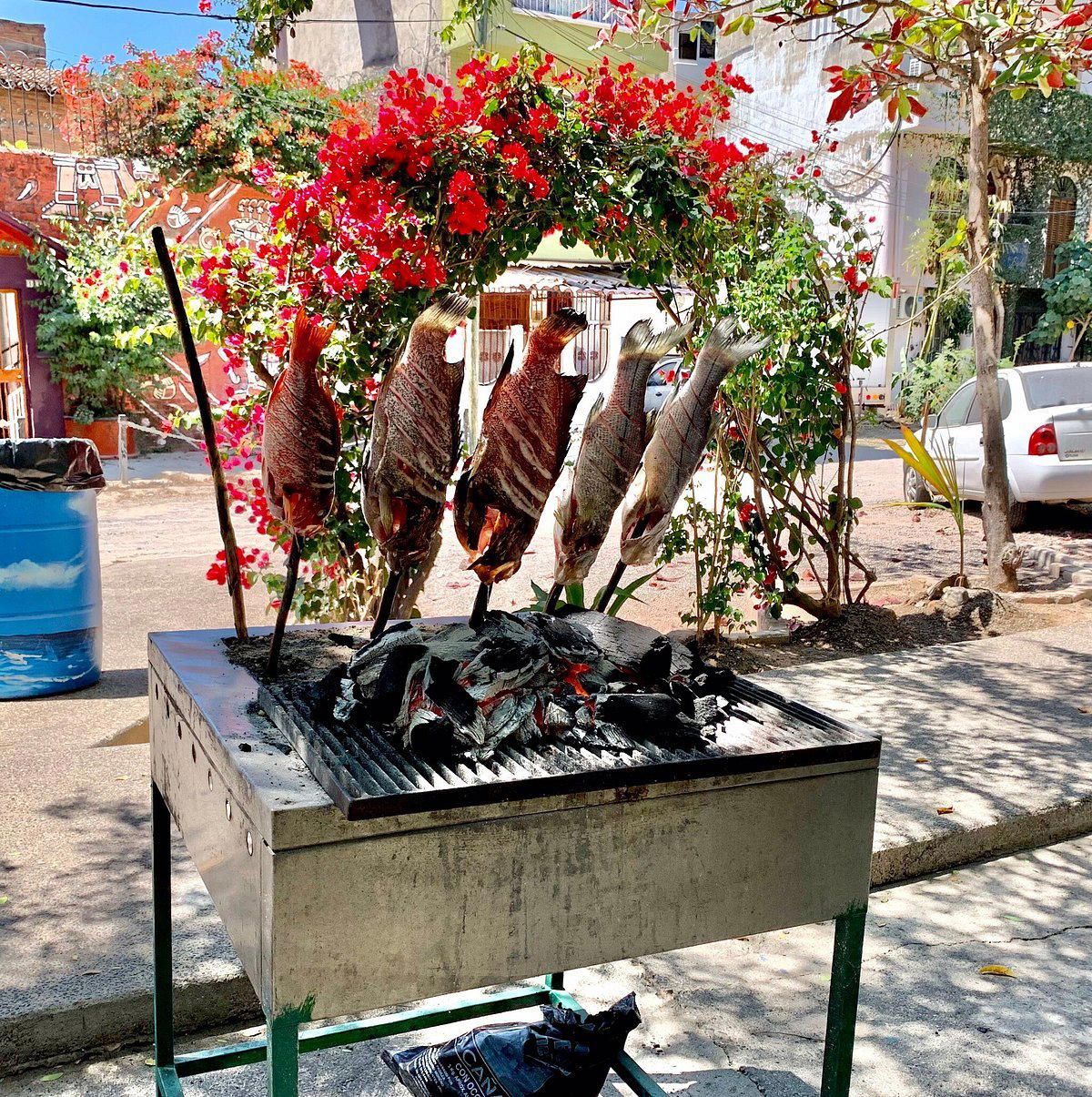
Puerto Vallarta's informal food infrastructure sits alongside a fine dining scene that has matured considerably in the past decade. The city now produces cooking comparable in ambition to what appears at tables like Alcalde in Guadalajara or HA' in Playa del Carmen, and international visitors arrive with increasingly sophisticated expectations. But the taco stand layer, the trompo operators, the seafood carts near the fish market, the torta windows in the residential zones, has not been displaced by that development. Both tiers operate simultaneously and serve different purposes in how a visitor constructs an understanding of the city's food identity.
full Puerto Vallarta restaurants guide. Those planning a trip that also covers Mexico's wider fine dining circuit might cross-reference with Pangea in San Pedro Garza Garcia, Lunario in El Porvenir, or Olivea Farm to Table in Ensenada for regional contrast. Internationally, the technique-meets-local-ingredient conversation this stand participates in at street level runs through kitchens as different as Le Bernardin in New York City and Atomix in New York City, though the translation is obviously radical.
Planning Your Visit
Tacos Al Pastor Sonorita De Sonora Al Sur is located in the 48380 postal zone of Puerto Vallarta, Jalisco. Pricing is about $15 per person.
Comparable Spots
Comparable venues nearby, for context on price, style, and recognition.
| Venue | Cuisine | Price | Notes |
|---|---|---|---|
| Tacos Al Pastor Sonorita De Sonora Al SurThis venue — the venue you are viewing | Sonoran Al Pastor Tacos | $$ | |
| Tacos de la santa cruz | Traditional Mexican Taqueria | $$ | Aguacate |
| Pancho's Takos | Authentic Mexican Taqueria | $ | Zona Romantica |
| Mariscos La Tia | Authentic Mexican Seafood | $$ | Colonia 5 de Diciembre / Guadalupe Victoria |
| ZOO Bar | Mexican Bar Food | $ | Centro |
| Campomar Puerto Vallarta | Nayarit Seafood | $$$ | Fluvial Vallarta |
Continue exploring
More in Puerto Vallarta
Restaurants in Puerto Vallarta
Browse all →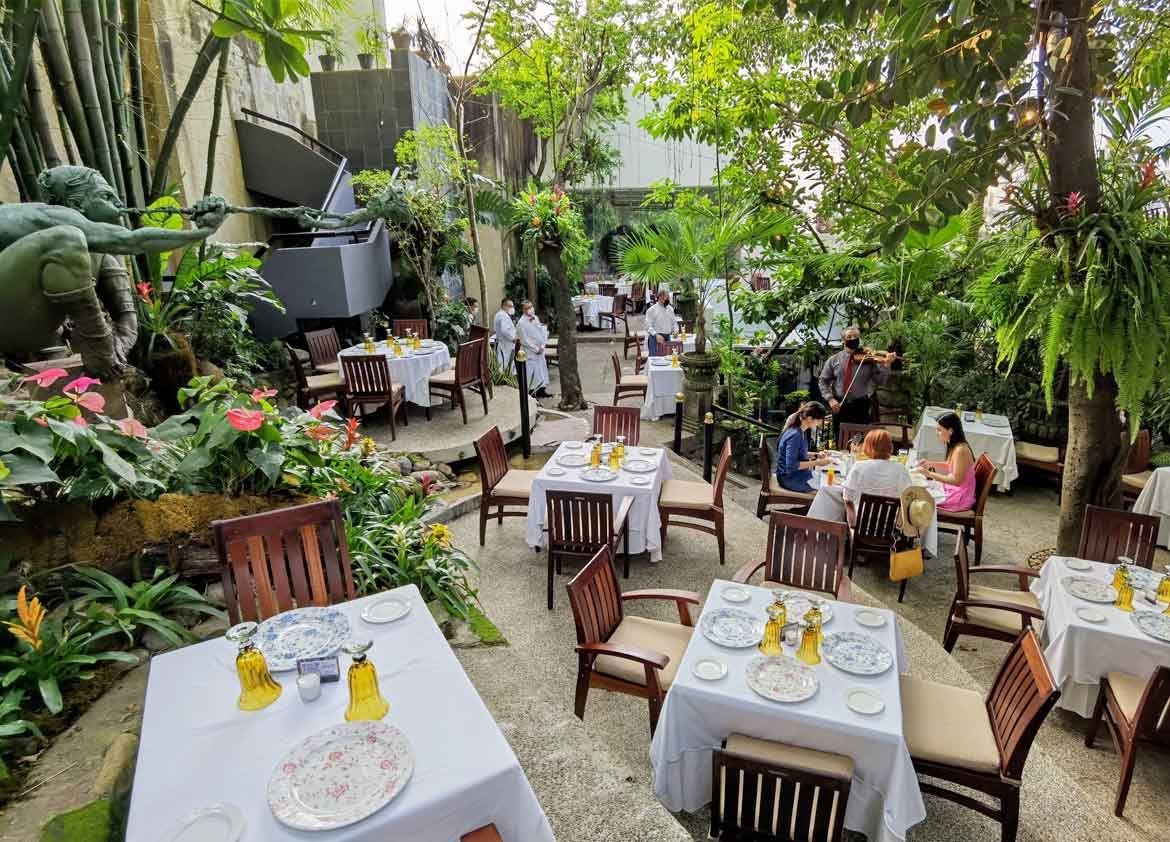

Bars in Puerto Vallarta
Browse all →

At a Glance
- Rustic
- Lively
- Trendy
- Casual Hangout
- Late Night
- Standalone
Vibrant and rustic taqueria atmosphere in the heart of Zona Romantica.