
Tabibito Chef no Thai Shokudo KHAO belongs to Osaka’s evening side of Thai dining: compact, counter-led, and built for spice, rice, curry, shochu and wine rather than daytime café traffic. Its Tabelog 100 Asian cuisine / Ethnic cuisine WEST selections in 2022, 2023 and 2024 place it among the region’s closely watched specialist rooms.
Pearl is the En Primeur Club membership app — saves, bookings, and concierge access live there. Same editors, same standards.
- Address
- 6 Chome-2-5 Tenjinbashi, Kita Ward, Osaka, 530-0041, Japan
- Phone
- +81 6-7221-2394
- Website
- instagram.com
 Saves & bookings on Pearl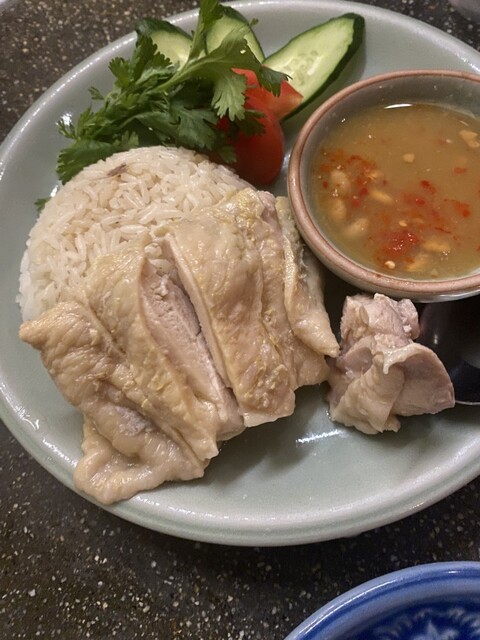
Tenjinbashisuji Rokuchome has the right friction for this meal: shotengai traffic, station-side movement, small counters, and Osaka’s habit of turning dinner into something looser than a reservation slot. Here, Thai food reads differently from a midday curry plate or quick noodle stop. At night it is less about speed than heat, rice, drinking pace, and a small room that makes a table feel closer to a kitchen than a dining room.
Tabibito Chef no Thai Shokudo KHAO fits that after-dark category. The room is small, with 15 seats split between counter seating and two-person tables, which matters in Osaka’s Thai and ethnic dining scene because scale changes the meal. Larger rooms can soften spice and stretch menus toward groups; a compact counter keeps cooking tighter, rhythm faster, and the drinking list more relevant. Shochu and wine alongside Thai, Asian, ethnic and curry categories signal the dinner type: not a formal dégustation, not a casual café, but a neighborhood-scale specialist room with enough recognition to pull diners beyond the ward.
Osaka Thai dining after dark, not a daytime curry stop
The lunch-versus-dinner divide matters in Osaka because many Asian restaurants work in two modes. Daytime service rewards value, turnover and single-plate clarity. Evening service asks for shared dishes, sharper seasoning, alcohol pairings, and a longer conversation between curry, herbs, rice and grilled or stir-fried elements. KHAO belongs to that mood. Its categories include Thai, Asian, ethnic and curry, but its recognition comes from a broader regional Asian and ethnic field, not a single-dish curry economy.
That is why its Tabelog 100 Asian cuisine / Ethnic cuisine WEST selections in 2022, 2023 and 2024 matter. Tabelog’s Hyakumeiten lists tend to reward sustained local confidence across categories often overlooked by international award systems. In Osaka, where luxury attention can tilt toward sushi, kappo and French-influenced tasting menus, a repeatedly selected Thai counter signals another authority: local diners returning often enough for the room to matter.
The comparison set around Tenma and Tenjinbashi sharpens the point. SANWA COFFEE WORKS Tenma honten serves the area’s daytime café rhythm; Cardamom. sits at a lower everyday price tier; Anello Stand occupies a casual evening bracket; Sushi Marumine answers a separate sushi demand; DIVA belongs to another lane. This Thai counter is not competing with all directly. It is part of the same neighborhood decision tree, where the question is less “what is famous?” than “what kind of Osaka night is this?”
A small-room format where recognition matters more than ceremony
Osaka has long tolerated serious food in rooms without ceremony. That is part of the city’s dining intelligence: room formality and cooking seriousness are not always linked. A 15-seat Thai restaurant selected for a regional Tabelog 100 list fits that pattern, where value, repeat custom and category focus can matter more than design spectacle.
The counter-heavy layout also shapes the menu logic. In a small Thai room, ordering usually works by breadth rather than escalation: one curry or rice-based anchor, one dish built around freshness or acidity, something with heat, and drinks that can handle spice and sweetness. Specific dishes are not the point; format discipline is. A narrow room with counter seats cannot behave like a banquet restaurant, and that constraint helps, pushing dinner toward pace, balance and direct cooking over sprawling choice.
For travelers, the appeal is not that Osaka lacks Thai restaurants. It is that this address gives a compact version of the city’s wider ethnic-dining confidence without a luxury detour. Recognition places it in a documented specialist tier, while the neighborhood grounds it in Tenjinbashi’s practical eating culture. That combination puts it in a serious Osaka dining plan, especially for visitors already mapping sushi, okonomiyaki, udon and kappo.
How to fit it into an Osaka food itinerary
Use KHAO as an evening counterpoint to Osaka’s heavier daytime eating. A day might start with coffee or bread, move through market snacks or noodle lunch, then end in Tenjinbashi with Thai heat and drinks rather than another flour-and-sauce meal. The contrast matters in a city where visitors can stack too many rich local staples into one day and miss the breadth of its immigrant and regional Asian cooking.
For a broader city map, start with Our full Osaka restaurants guide, then cross-check nearby or category-adjacent options such as .cafe, 52CHO-ME BAKERY, 551 Horai (551蓬莱), 99 Pizza Napoletana Gourmet and a canto (Italian). City planning is stronger when dining is paired with sleep, drinks and cultural time, so keep Our full Osaka hotels guide, Our full Osaka bars guide, Our full Osaka wineries guide and Our full Osaka experiences guide open in parallel.
Travelers building a Japan-wide dining route can compare how regional specialism changes outside Osaka: -Grilled beef Sukiyaki- KAMAKURA TANUKIAN 鎌倉 たぬき庵 in Kamakura for beef sukiyaki. 鮪と炭火焼き うお炭 秋葉原店 in Tokyo for tuna and charcoal-grill dining.know in Kumamoto, (Shoku) Vietnam in Kawasaki, [Curry Senmon Ten] Maruyama Kyoju. in Sapporo and [ki:] in Kyoto. For North American context on Japanese drinking and casual food formats, Jōdo Saké Bar in Los Angeles and Onigiri Time in Pasadena show how the same categories shift abroad.
The editorial read is simple: this is an Osaka dinner address for people who know serious food culture is not confined to tasting menus or famous local staples. The evidence is concrete: repeat Tabelog 100 WEST recognition, a small counter-led room, and a category position that gives Thai and ethnic cooking a defined place within Tenjinbashi’s evening dining circuit.
Comparable Spots
Comparable venues at a similar level for quick context.
| Venue | Cuisine | Price | Notes |
|---|---|---|---|
| Tabibito Chef no Thai Shokudo KHAOThis venue — the venue you are viewing | Casual Thai Curry & Asian Ethnic Kitchen | $$ | Not listed |
| Lemongrass House | Authentic Thai restaurant by Ibaraki Station | $$ | Ibaraki |
| CHEDI LUANG Yodoyabashi | Authentic Isaan Thai with buffet lunch | $$ | Chūō |
| Kantipur Tengo ten | Dining | Not listed | Kita |
| Sangourmand | A5 Wagyu Hamburger Steak & Omurice Yoshoku | $$ | Kita |
| Tachinomi Izakaya LIBERTY | Chinese Izakaya / Standing Bar | $$ | Kita |
Recognition history
Dated appearances from independent guides and award organizations, with the underlying list record or original source where available.
Tabelog 100 #88 · No. 88
Tabelog · Tabelog 100 - Asian cuisine / Ethnic cuisine - WEST - 2024
Continue exploring
More in Osaka
Restaurants in Osaka
Browse all →

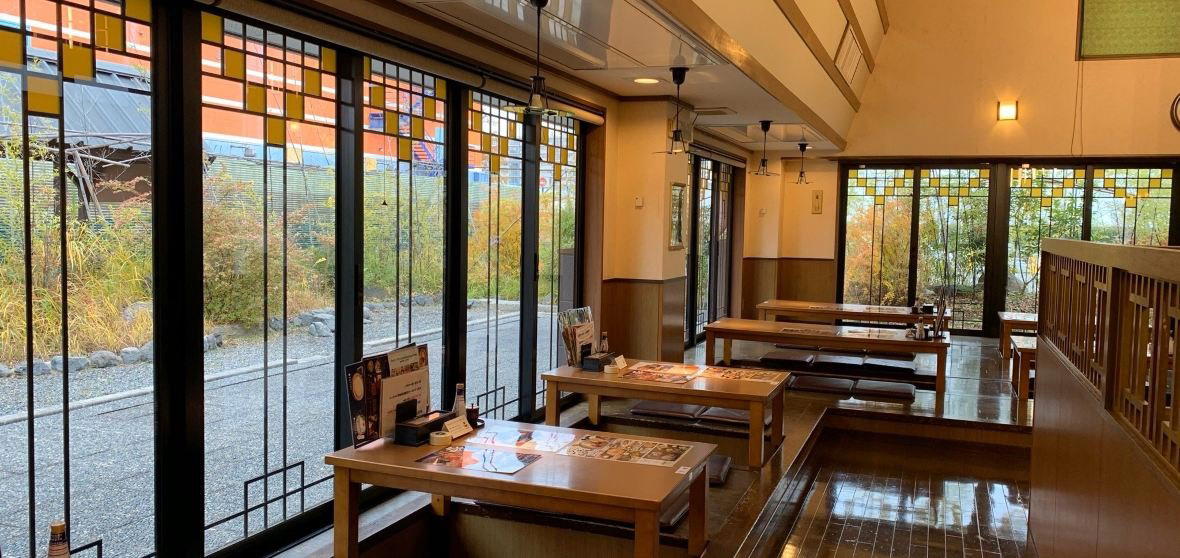
Bars in Osaka
Browse all →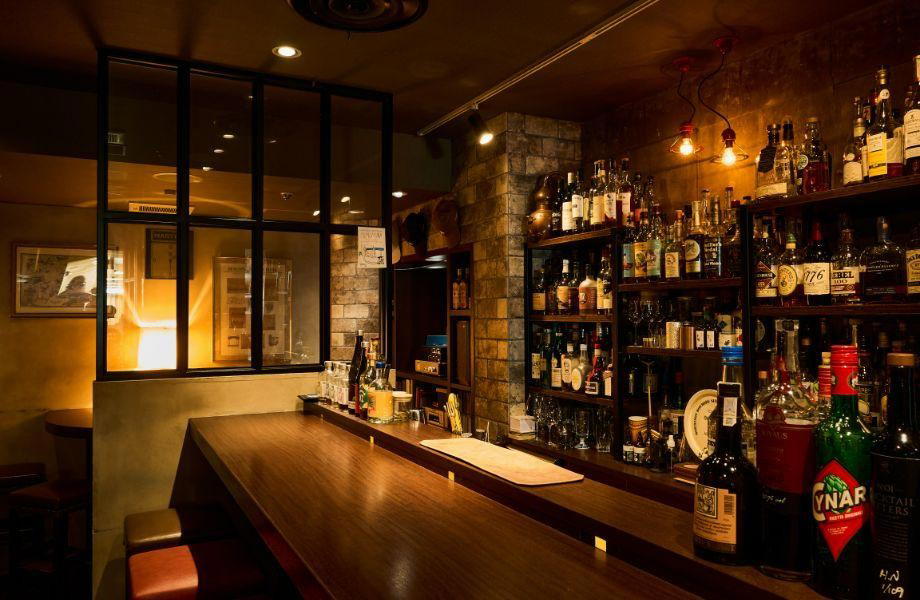
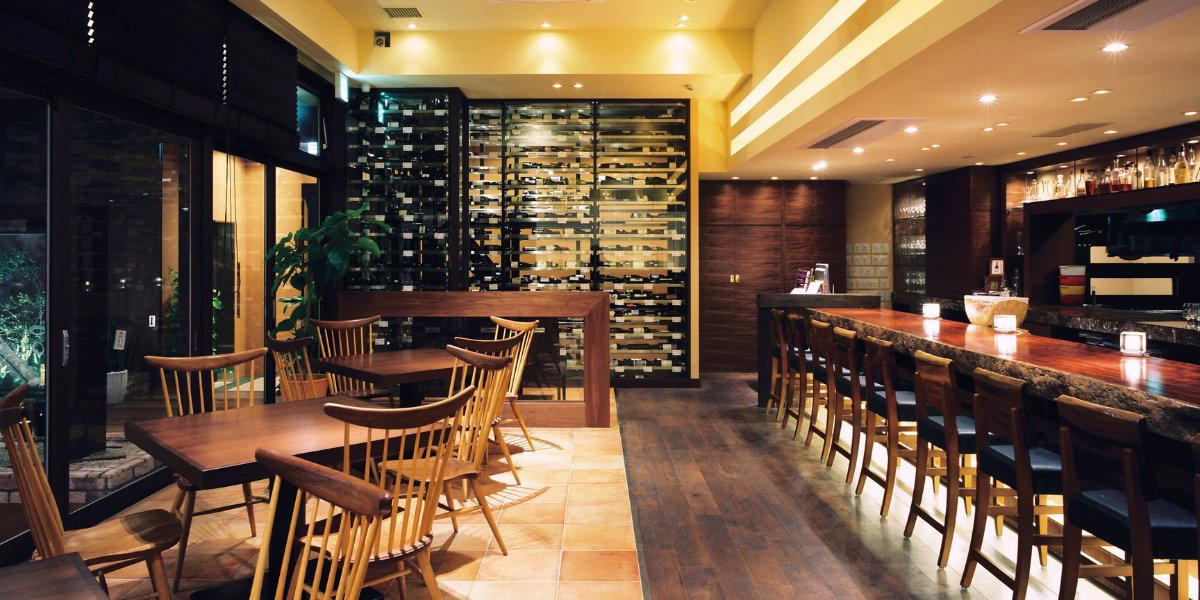
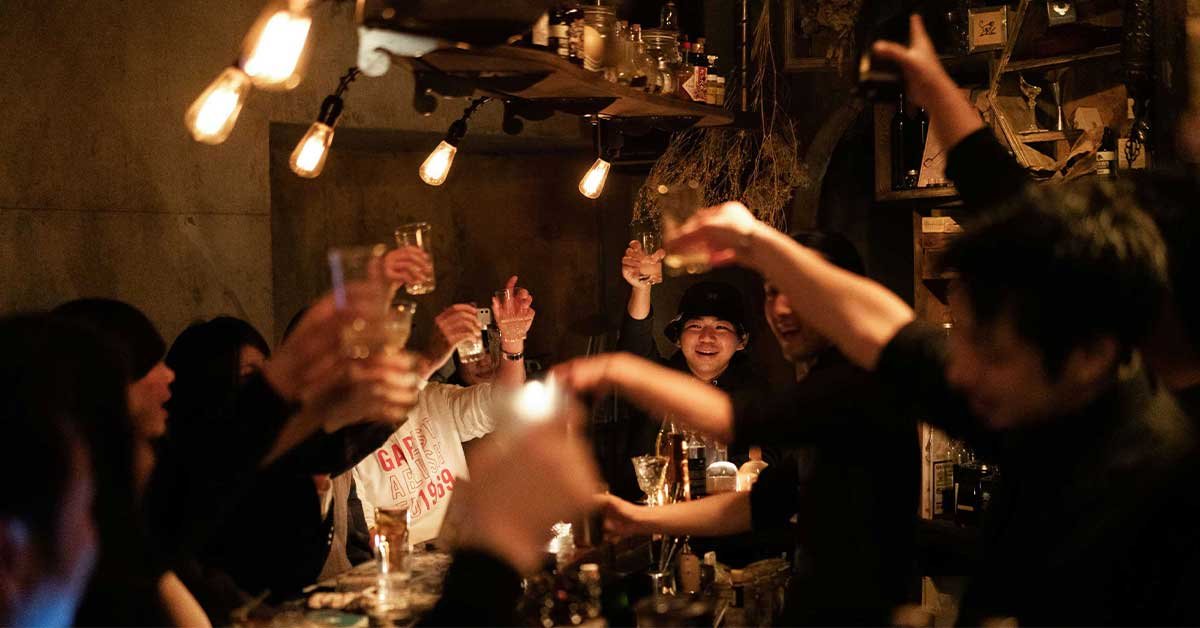
Hotels in Osaka
Browse all →

Wineries in Osaka
Browse all →
At a Glance
- Lively
- Cozy
- Casual Hangout
- After Work
- Group Dining
- Solo
- Late Night
- Standalone
Current opening hours
- Monday
- Closed
- Tuesday
- 5:30–11:30 PM
- Wednesday
- 5:30–11:30 PM
- Thursday
- 5:30–11:30 PM
- Friday
- 5:30 PM–12 AM
- Saturday
- 5:30 PM–12 AM
- Sunday
- Closed
Hours can change for holidays and private events. Last verified .
Casual and lively Thai eatery with a cozy, small-space feel typical of Tenma-area restaurants, focused on relaxed drinking and dining late into the evening.