Tabanco El Pasaje

Our verdict
Tabanco El Pasaje is one of Jerez de la Frontera's most recognized traditional tabanco bars, earning an Opinionated About Dining Casual in Europe recognition in 2025 alongside. The format is straightforward Andalusian tapas served alongside sherry drawn from the barrel, in a setting that reflects the tabanco tradition at its most unmediated. Book ahead or arrive early to secure a spot.

Pearl is the En Primeur Club membership app, where members save venues, book tables and use the concierge.
The Tabanco Tradition and Where El Pasaje Fits
In the sherry towns of Cádiz province, the tabanco is a specific institution with a specific function: a hybrid wine shop and bar where manzanilla, fino, amontillado, and oloroso are poured directly from barrels, accompanied by the kind of Andalusian tapas that exist to extend the drinking rather than compete with it. The format predates the modern wine bar concept by several generations, and Jerez de la Frontera retains more functioning tabancos than almost anywhere else in Spain.
The distinction matters when mapping Jerez's dining scene. The city operates across several distinct tiers. At the high end, LÚ Cocina y Alma and Mantúa anchor the contemporary Spanish fine dining bracket at €€€€, while Akase brings a Japanese counter format to the mix. Below that sits a mid-range contemporary layer that includes Albalá and A Mar. The tabanco operates in a different register entirely, one where the kitchen exists in service of the cellar rather than the reverse.
The Room and the Ritual
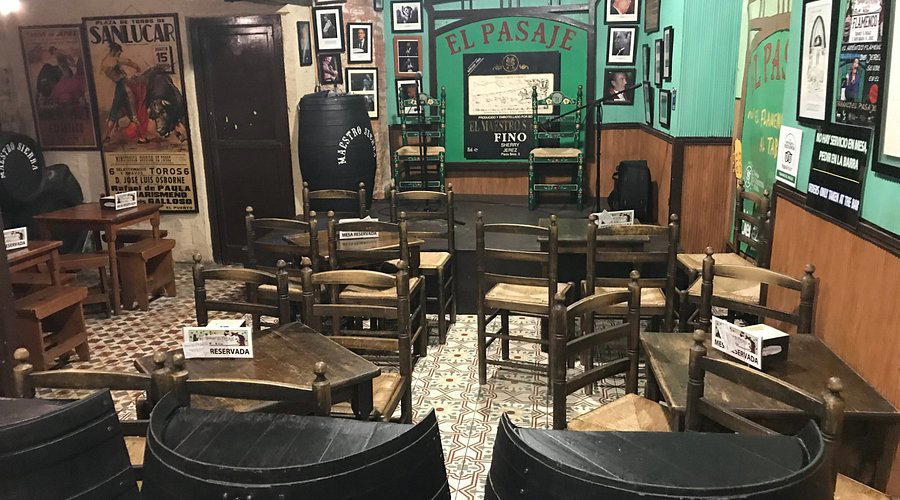
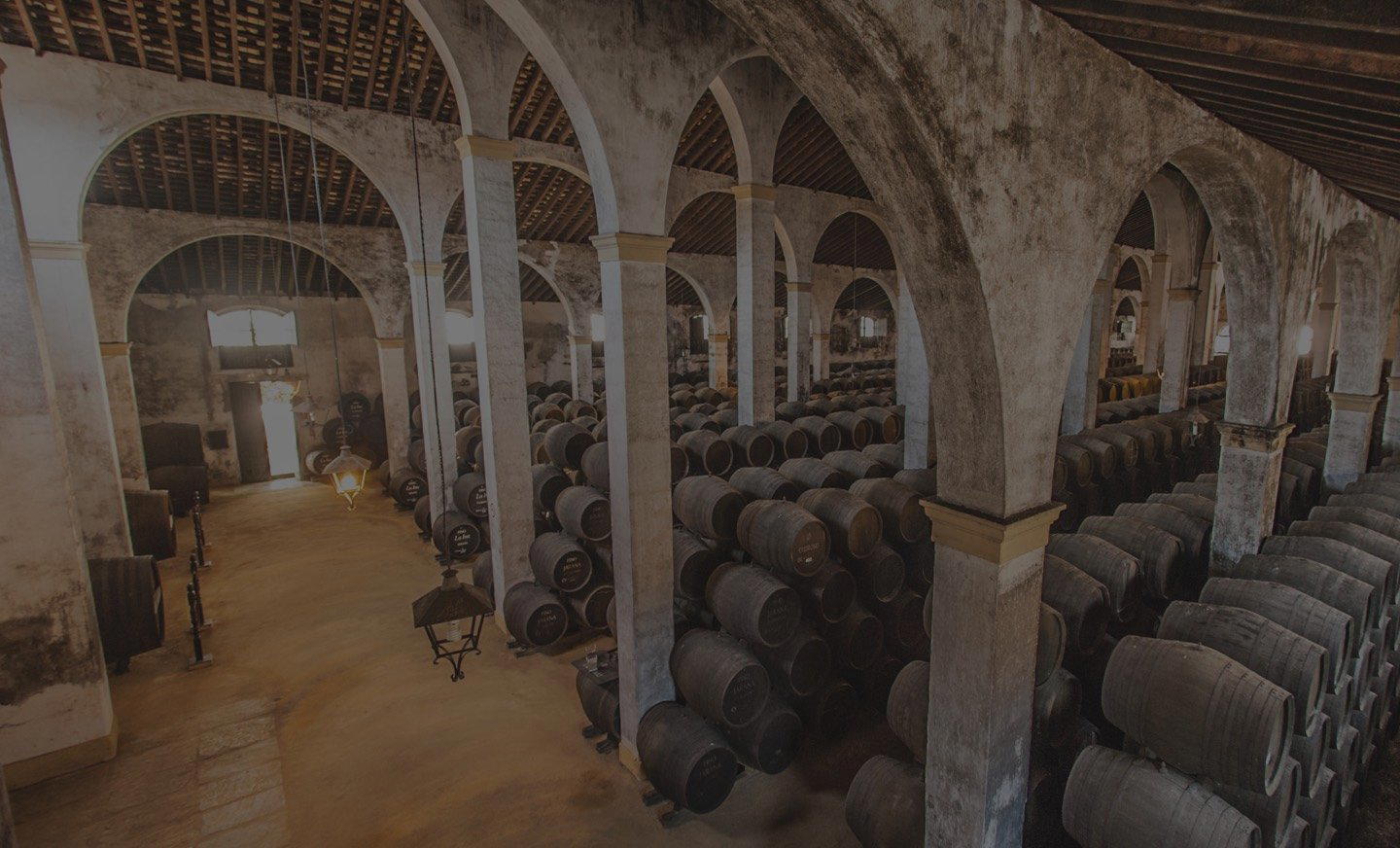
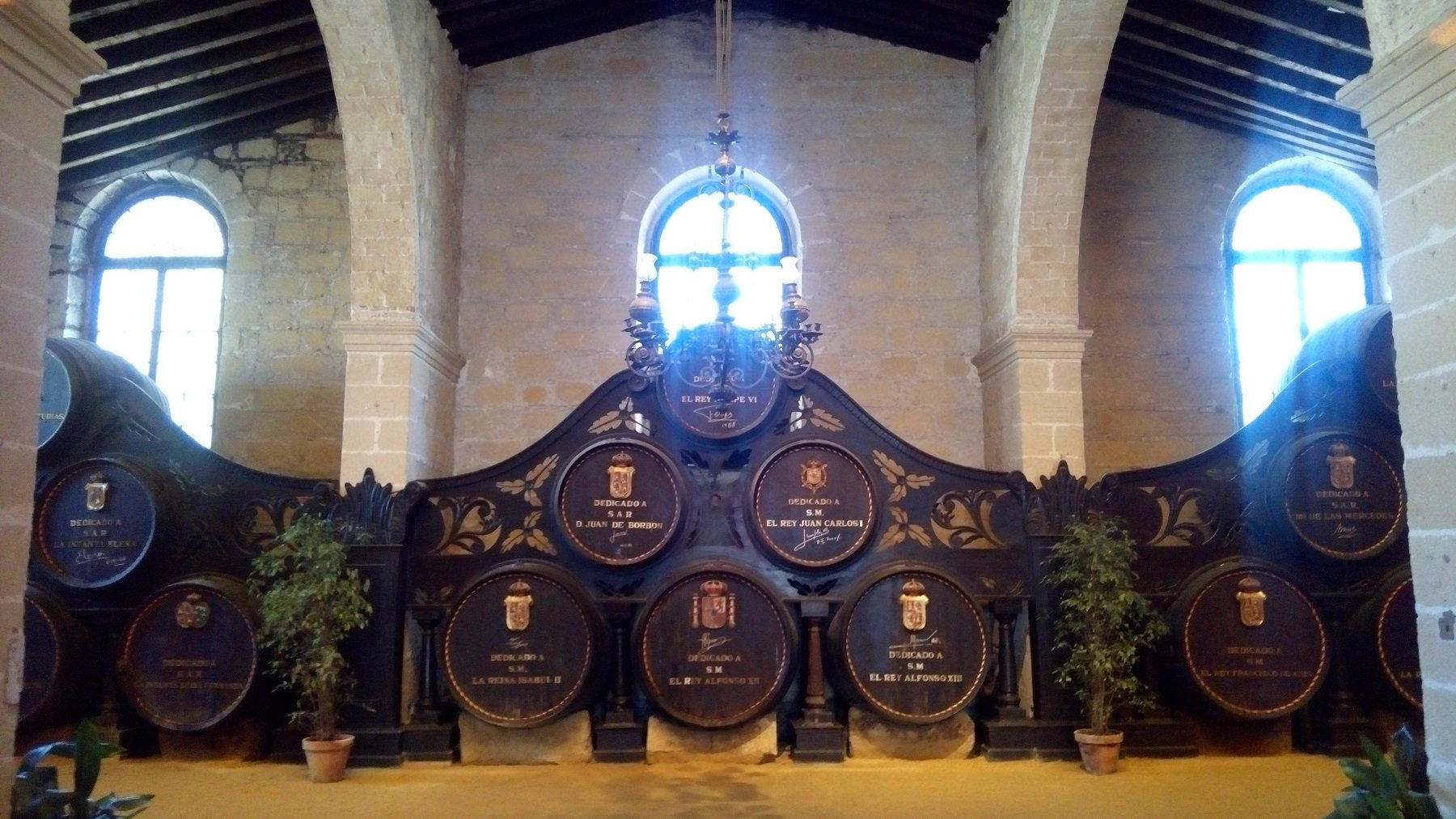
Walking into a functioning tabanco is an exercise in compression. Barrels line the walls. The ceiling is low. The bar occupies a disproportionate share of the floor plan, and the smell of aged wine is structural rather than incidental. El Pasaje fits that template with enough fidelity that regulars and first-timers tend to read the space the same way: order a copa, find a position, and let the format do the work.
In a format defined by simplicity, consistency is the relevant metric. The tapas served here follow Andalusian convention: cured meats, cheese, tortilla, the kind of preparations that work as ballast for a glass of sherry rather than as destinations in themselves. The culinary tradition is not one of elaborate technique but of proportion, timing, and sourcing, knowing when a plate of jamón is all that a glass of fino requires.
Fire, Grill, and the Limits of the Tabanco Format
The editorial angle of fire and grill, central to the asador tradition that runs from the Basque Country south through Castile and into Andalusia, applies to Tabanco El Pasaje in a constrained way. The tabanco is not an asador: it does not operate the wood-fired grill format associated with places like Azurmendi in Larrabetzu or the live-fire ambitions you find further up the Spanish canon at venues such as Arzak in San Sebastián. What the tabanco format shares with the asador tradition is a different kind of directness: no obscuring technique, no composed-plate distance between product and palate. In Andalusia, that directness runs through charcuterie and barrel-aged wine the way it runs through charcoal and whole-animal cooking further north. The logic is similar even when the heat source is absent.
The wider Spanish fine dining circuit, represented in this city's orbit by Aponiente in El Puerto de Santa María, arguably the most technically ambitious kitchen in the Bay of Cádiz, sits at the opposite extreme from the tabanco model. Where Aponiente applies transformation to marine ingredients with the kind of rigor you associate with El Celler de Can Roca in Girona, DiverXO in Madrid, or Quique Dacosta in Dénia, El Pasaje makes no such claim. Its legitimacy rests on the barrel, the pour, and the plate of cured meat that arrives beside it without ceremony. That is not a lesser proposition, it is a different one, and in Jerez it carries considerable cultural weight.
Sherry as the Main Event
Spain's contemporary fine dining boom, which has produced counters like Le Bernardin and Atomix in international conversation, has not displaced the argument that the most specific drinking experience in Spain remains a well-poured fino in a working tabanco. Sherry's commercial fortunes have fluctuated for decades, but the tabanco circuit in Jerez operates as the format in which the wine is most honestly presented: no cocktail dilution, no food-pairing theatre, just the wine at cellar temperature from a barrel that sits ten feet away.
At El Pasaje, the wine list operates as a guide to what the Marco de Jerez produces across its range, from the oxidative crispness of manzanilla through to the dark, rancio depth of an aged oloroso. Visitors making their first systematic pass through sherry styles will find the format unusually efficient: ordering across types in a single session costs less than a mid-range restaurant pour of a single Burgundy, and the range of flavor experience is wider. That is a specific claim about the category, not about this venue in isolation, but El Pasaje's recognition levels suggest it is among the more reliable places in the city to make that case.
Planning Your Visit
Tabanco El Pasaje sits at Calle Santa María 8 in Jerez's historic centre, within walking distance of the cathedral quarter and the main bodegas. Arriving mid-afternoon during the traditional merienda window or shortly after opening in the evening tends to offer better access than arriving during prime weekend lunch or late-night service. The price point for tabanco formats in Jerez generally runs well below the €€€€ bracket occupied by LÚ Cocina y Alma or Mantúa; a copa of sherry and a plate of tapas at venues in this category typically costs a fraction of what the same quality of produce would command in a composed-plate context.
For broader planning across the city maps the dining scene across price tiers and formats. For drinking beyond the tabanco covers the wider circuit. Those spending more time in, wineries guide, and experiences guide.
Frequently asked questions
Is Tabanco El Pasaje Michelin-listed?
Tabanco El Pasaje has received recognition including: Opinionated About Dining Casual in Europe (2025).
Do they take walk-ins at Tabanco El Pasaje?
The tabanco as a category has always operated on a walk-in basis in Jerez, and El Pasaje at Calle Santa María 8 follows that convention. Formal reservations are not part of the format's identity. Visiting outside peak lunch and early-evening hours improves your chances of finding space at the bar.
Pricing, Compared
Comparable venues nearby, for context on price, style, and recognition.
| Venue | Cuisine | Price | Awards | Notes |
|---|---|---|---|---|
| Tabanco El PasajeThis venue (the venue you are viewing) | Traditional Spanish Tapas & Flamenco | $10–20 | Not listed | Not listed |
| Venta Esteban | Traditional Spanish Mediterranean | $30–50 | Not listed | Colonia de Caulina, Traditional Spanish Mediterranean |
| Albalá | Modern Andalusian Tapas | $20–30 | Michelin Plate | Conjunto Residencial Valdespino, Modern Andalusian Tapas |
| A Mar | Seafood and Mediterranean | $50–100 | Michelin Plate · Macarfi 7.4 Food Rating | old quarter, Seafood and Mediterranean |
| La Marea de Marcos | Spanish Seafood Marisquería | $30–50 | Not listed | Centro, Spanish Seafood Marisquería |
| Tsuro | Traditional Japanese Omakase | $50–100 | Michelin Plate | Centro, Traditional Japanese Omakase |
Recognition history
Dated appearances from independent guides and award organizations, with the underlying list record or original source where available.
Opinionated About Dining Casual in Europe Recommended
Opinionated About Dining
Full recognition history (2 entries)
Opinionated About Dining Casual in Europe
Opinionated About Dining
Continue exploring
More in Jerez de la Frontera
Restaurants in Jerez de la Frontera
All restaurants in Jerez de la Frontera →
Bars in Jerez de la Frontera
Browse all →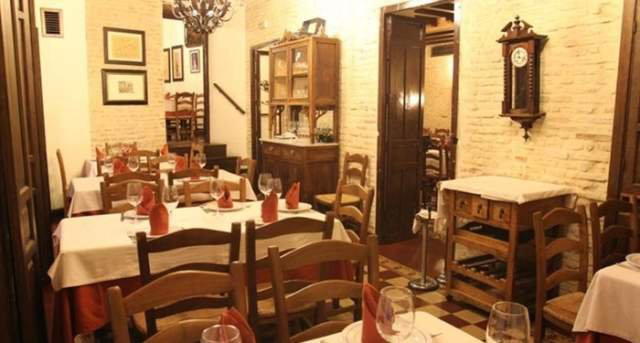
Hotels in Jerez de la Frontera
All hotels in Jerez de la Frontera →

Details
- Rustic
- Lively
- Intimate
- Classic
- Casual Hangout
- Special Occasion
- Live Music
- Historic Building
- Extensive Wine List
- Small Plates
- Vegetarian Friendly
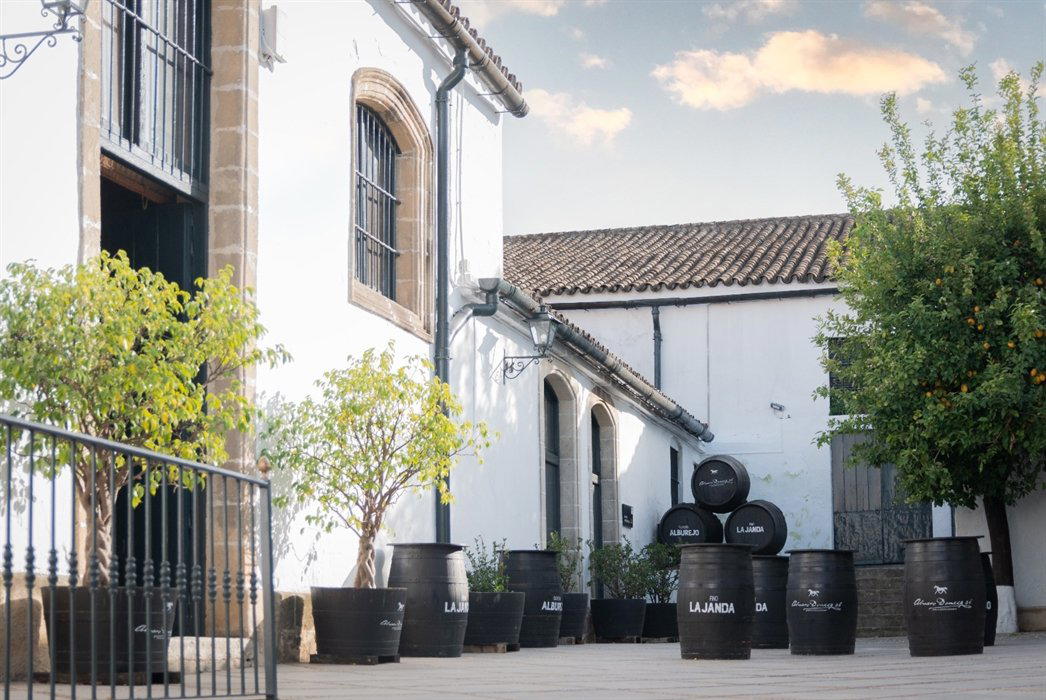
Cozy, atmospheric interior evoking old Jerez with barrels, traditional decor, and lively energy during flamenco performances.