Tabachoy
Our verdict
Tabachoy brings Filipino cooking to South Philadelphia's 9th Street corridor, a neighborhood already defined by immigrant food traditions. The kitchen draws on Filipino pantry staples and technique, placing it within a growing tier of Philadelphia restaurants rethinking what Asian-American cooking looks like at a serious level. Check current hours and availability directly with the venue before visiting.

Pearl is the En Primeur Club membership app — saves, bookings, and concierge access live there. Same editors, same standards.
- Address
- 932 S 10th St, Philadelphia, PA 19147
- Phone
- (215) 315-8720
- Hours
- Mon–Tue ClosedWed–Sun 5–9 PM
- Website
- tabachoyphilly.com
- Directions
- Get directions
- Booking
- Book on OpenTable
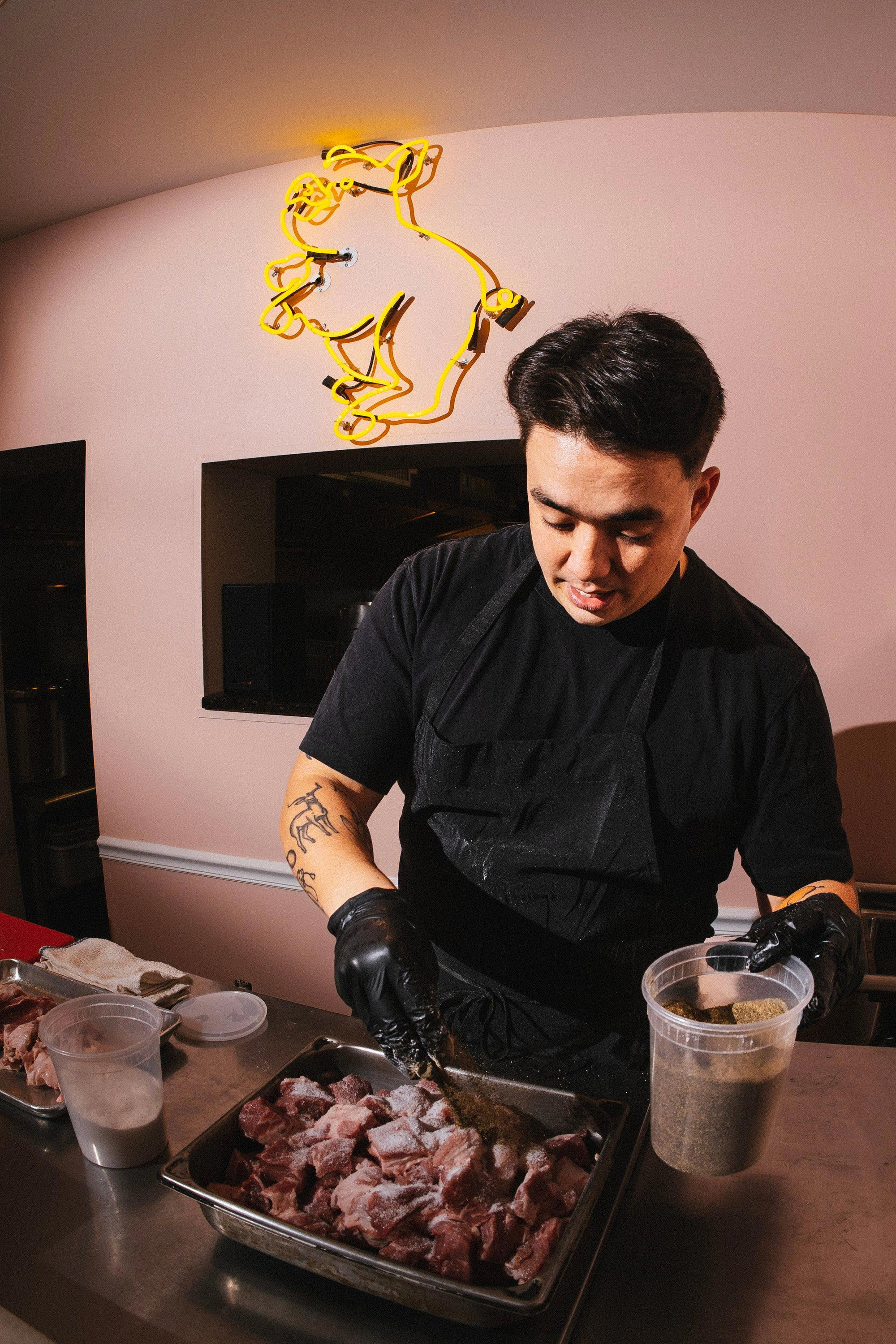
South Philly's Filipino Counter and the Cuisine Around It
South Philadelphia's 9th Street corridor has operated as one of the city's most consistent immigrant food corridors for well over a century, shifting in character as successive communities have shaped its blocks. The stretch around 10th Street, where Tabachoy occupies its address at 932 S 10th St, sits within that broader South Philly fabric: a neighborhood where the question of what counts as serious cooking has always been answered by what families are actually eating, not by what critics have decided to notice. Filipino cuisine has been among the later arrivals to receive sustained critical attention in American cities, and Philadelphia's scene reflects that trajectory, with a small cluster of spots now making the case that the cuisine's fermented, vinegar-forward, and offal-friendly tendencies belong in the same conversation as the Thai and Cambodian cooking that has drawn significant press elsewhere in the city.
That broader shift matters as context for where Tabachoy sits. Philadelphia diners who follow the Southeast and Southeast Asian dining conversation already have reference points in places like Kalaya, which built its reputation on southern Thai cooking with serious technique, and Mawn, which brought Cambodian and pan-Asian cooking to a more prominent platform. Tabachoy operates in an adjacent space: Filipino cooking with the kind of focus that suggests the kitchen is working from a specific point of view rather than a generalist menu.
What Filipino Cooking Looks Like at This Level
Filipino cuisine in the United States has historically been served in contexts that prioritize volume and familiarity over precision or experimentation. The newer wave of Filipino-American restaurants in cities like New York, Los Angeles, and, increasingly, Philadelphia operates differently, treating adobo ratios, sinigang souring agents, and lechon technique as subjects worthy of the same attention that Japanese or French kitchens bring to their respective traditions. The question for any restaurant in this tier is whether the cooking reflects genuine engagement with those fundamentals or whether it is performing Filipino-ness for an audience that may not know the difference.
At the 10th Street address, Tabachoy positions itself within the former category. The South Philly location is not accidental: the neighborhood's existing density of working food culture, from the Italian Market to its surrounding blocks, provides a dining public that tends to evaluate cooking on taste rather than novelty. That is a harder audience in some respects and a more honest one in others.
The Team Dynamic in a Small-Format Kitchen
In restaurants of this scale, the distinction between front-of-house and back-of-house tends to collapse in productive ways. When a kitchen operates without the buffers of a large brigade, the connection between what is being cooked, how it is being explained, and how guests receive it becomes a single continuous act. The team dynamic at a venue like Tabachoy, where the format appears to be a focused counter or small dining room rather than a large production, means that guests are likely to experience something closer to the cooking's actual logic rather than a curated version of it filtered through multiple layers of service.
This model has precedents in American dining at very different price points. Places like Lazy Bear in San Francisco and Atomix in New York City have used tight team structures and direct guest interaction as core parts of the dining experience rather than incidental features. The scale is different, but the underlying logic, that small formats allow for genuine communication between the people making the food and the people eating it, applies across price tiers. At Tabachoy, that dynamic is likely shaped by South Philly's own register: less formal, more direct, with the kind of neighborhood accountability that large destination restaurants rarely have to manage.
Placing Tabachoy in Philadelphia's Broader Dining Conversation
Philadelphia's restaurant scene has developed a particular reputation for producing serious cooking at prices that would represent significant value in New York or San Francisco. The city's New American tier, represented by places like Fork and Friday Saturday Sunday, has attracted national attention and sustained critical recognition. What has been slower to develop is the same level of critical infrastructure around non-European cuisines, which is part of why Filipino cooking in this format remains somewhat outside the mainstream Philadelphia dining conversation despite genuine quality signals.
That gap is narrowing. The national press attention on Filipino-American cooking, combined with Philadelphia's own appetite for immigrant-rooted cooking done at a high level, creates a context in which a venue like Tabachoy has room to build a reputation that would have been harder to establish a decade ago. For comparison, the trajectory of Korean fine dining in New York, now represented at the level of Atomix, began with smaller, less formally recognized venues doing serious work before the critical consensus caught up. Filipino cooking in Philadelphia may be at an earlier point in that same arc.
Visitors with a broader frame of reference in American fine dining, who follow venues like Blue Hill at Stone Barns, Single Thread Farm in Healdsburg, or The French Laundry, will recognize in Tabachoy's positioning a different but not unrelated set of priorities: specificity of sourcing, fidelity to a culinary tradition, and a dining format scaled to allow for genuine cooking rather than production-line output. The full Philadelphia restaurants guide provides additional context for how Tabachoy sits within the city's current scene.
Planning Your Visit
| Venue | Cuisine | Neighborhood | Booking Approach |
|---|---|---|---|
| Tabachoy | Filipino | South Philadelphia | |
| Kalaya | Thai | South Philadelphia | Reservations recommended |
| Mawn | Cambodian / Pan-Asian | Philadelphia | |
| My Loup | French-Inspired | Philadelphia | Reservations recommended |
Check current hours, booking availability, and menu format directly with the venue before making a trip, particularly if traveling from outside Philadelphia.
Frequently asked questions
Where do I go for Tabachoy?
Tabachoy is located at 932 S 10th St, Philadelphia, PA 19147, Philadelphia.
How does Tabachoy fit into Philadelphia's broader immigrant food corridor on South 10th Street?
Tabachoy sits on the southern edge of the 9th Street corridor in Philadelphia, a stretch that has functioned as one of the city's most enduring immigrant food corridors for over a century. Its presence there positions Filipino cooking within a neighbourhood long associated with Italian-American markets and subsequent waves of culinary migration, making the address itself part of the context. Few Filipino venues in the city operate in a setting with that kind of layered food history.
What's the must-try dish at Tabachoy?
Filipino cooking at this level of focus typically foregrounds dishes built on the cuisine's foundational techniques: braising, souring, and fermentation. Check directly with the restaurant at 932 S 10th St for current offerings.
How far ahead should I plan for Tabachoy?
Small-format South Philadelphia restaurants with a concentrated following regularly fill weekend slots one to three weeks out. Contacting the venue directly before your trip to Philadelphia is the reliable approach.
What has Tabachoy built its reputation on?
Tabachoy holds a distinct position in Philadelphia as one of a small number of venues applying serious culinary focus to Filipino cooking rather than defaulting to volume-driven, nostalgia-oriented formats. That positioning has made it a reference point in a city known for producing precise, chef-driven cooking at accessible price points.
Is Tabachoy good for vegetarians?
Filipino cuisine's traditional pantry relies heavily on pork, fermented shrimp paste, and fish sauce, which limits default vegetarian options at most Filipino restaurants. Guests with dietary restrictions should contact the restaurant at 932 S 10th St, Philadelphia before visiting.
Budget and Context
Comparable venues nearby, for context on price, style, and recognition.
| Venue | Cuisine | Price | Notes |
|---|---|---|---|
| TabachoyThis venue — the venue you are viewing | Filipino Comfort Food | $30–50 | Not listed |
| Rice & Sambal | Modern Indonesian | $100–150 | East Passyunk Crossing, Modern Indonesian |
| Binding Agents | West Kensington, other | Not listed | Not listed |
| Mural City Cellars | Urban Winery & Wine Bar | $20–30 | Fishtown, Urban Winery & Wine Bar |
| Restaurant Gamarjoba | Authentic Georgian | $30–50 | Northeast Philadelphia, Authentic Georgian |
| Puyero Venezuelan Flavor | Venezuelan Street Food | $20–30 | South Street, Venezuelan Street Food |
Continue exploring
More in Philadelphia
Restaurants in Philadelphia
Browse all →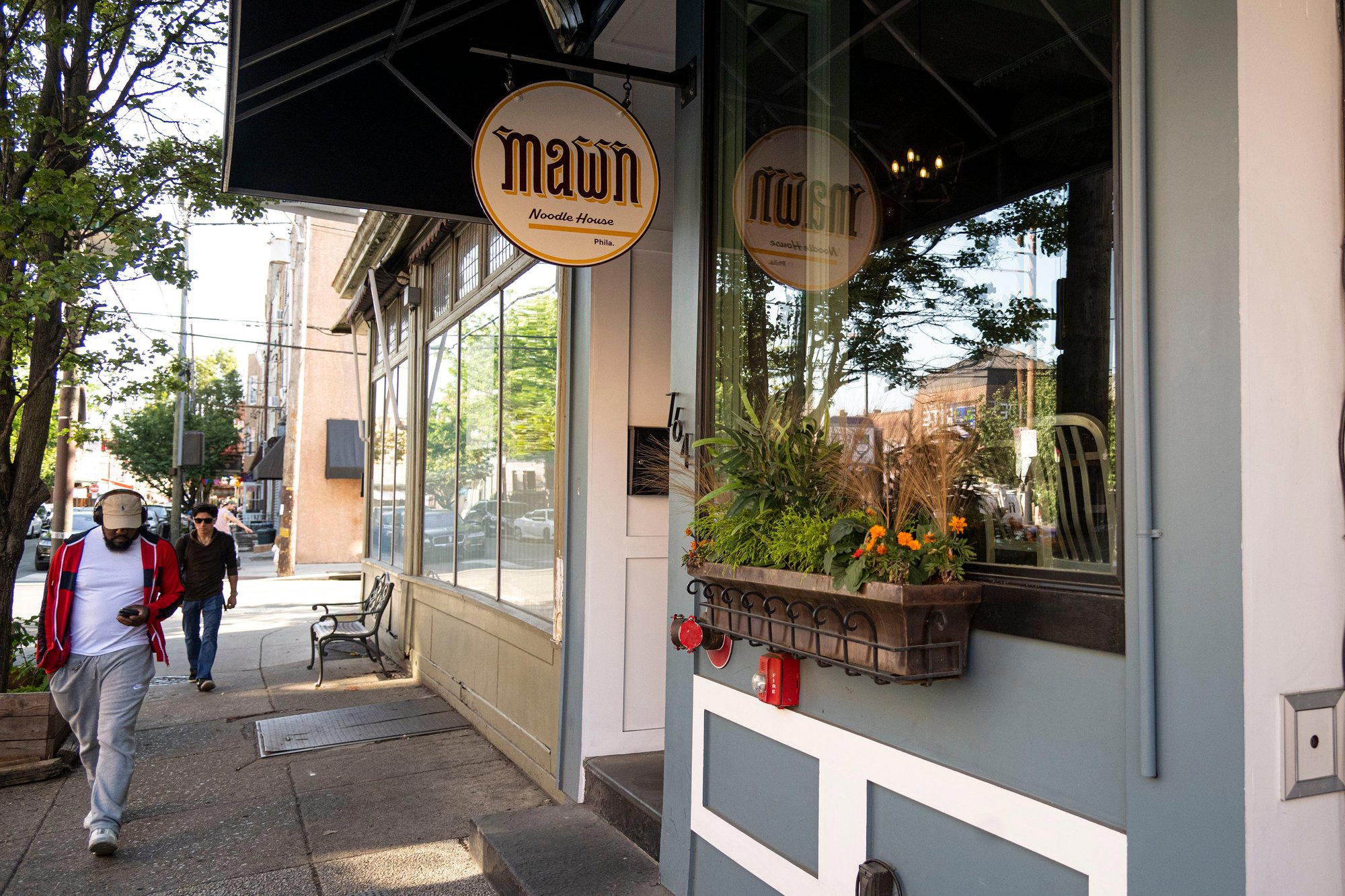
Bars in Philadelphia
Browse all →

Details
- Cozy
- Trendy
- Lively
- Casual Hangout
- Open Kitchen
- Byob
- A La Carte
- Vegan Options
Current opening hours
- Monday
- Closed
- Tuesday
- Closed
- Wednesday
- 5–9 PM
- Thursday
- 5–9 PM
- Friday
- 5–9 PM
- Saturday
- 5–9 PM
- Sunday
- 5–9 PM
Hours can change for holidays and private events. Last verified .
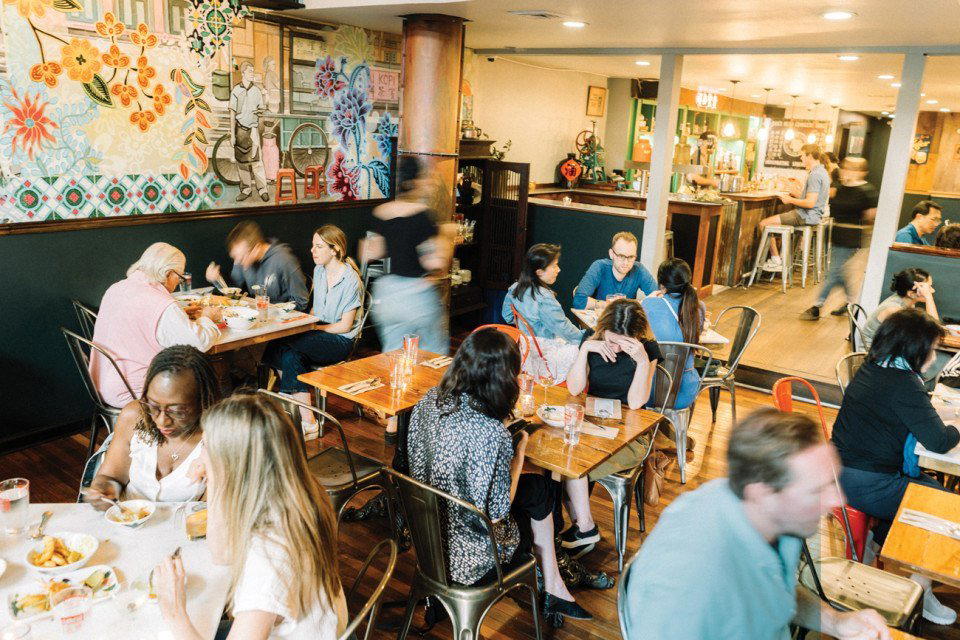
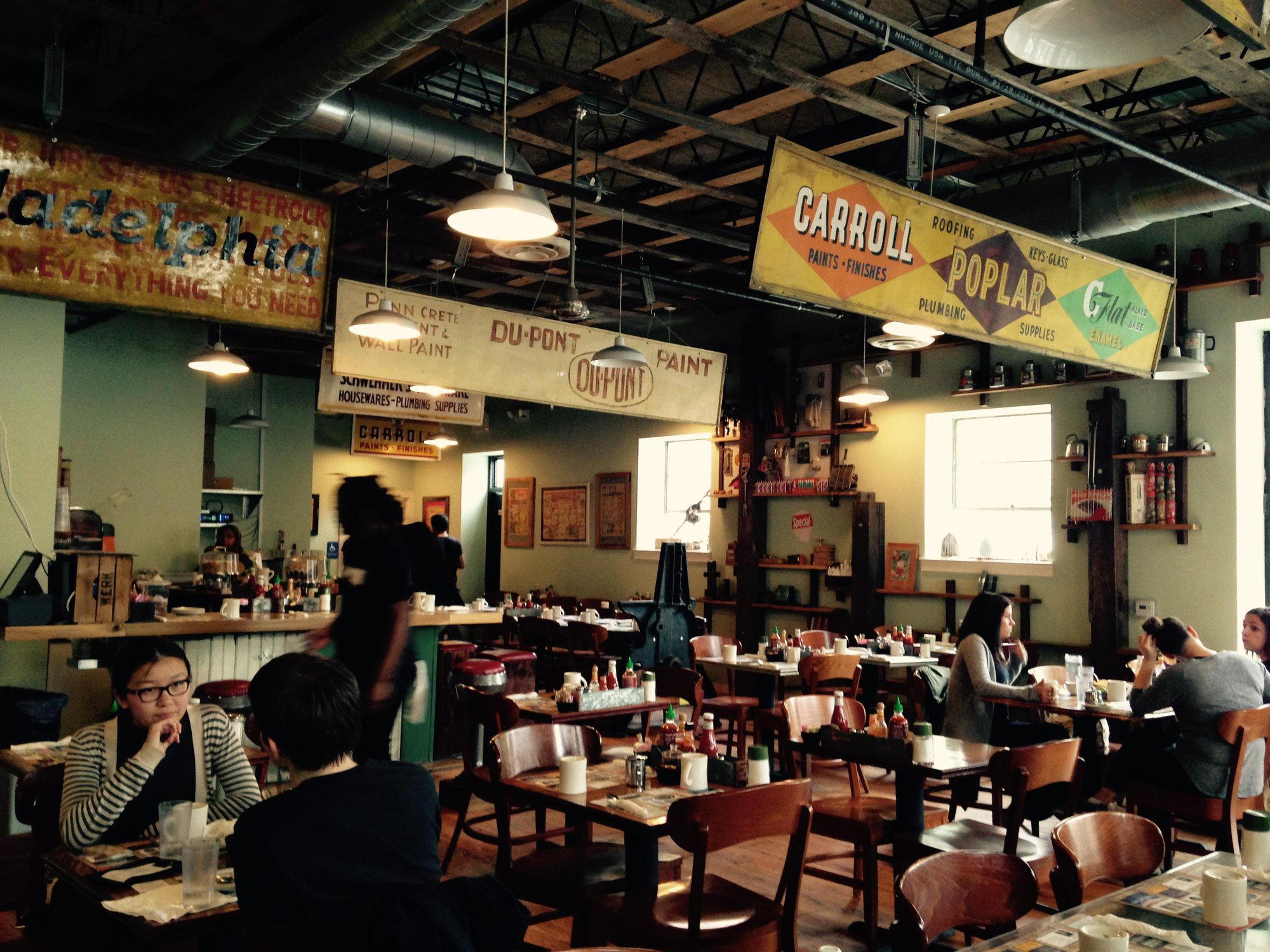
Cozy and funky with a neon dancing pig on the wall, packed counter, and the inviting aroma of adobo.