Rice & Sambal
Our verdict
On East Passyunk Avenue, Philadelphia's most competitive dining corridor, Rice & Sambal brings Southeast Asian cooking to a stretch already shaped by serious independent restaurants. The address alone places it inside a neighborhood conversation that rewards specificity over novelty. Whether daytime or evening, the format and mood shift in ways that matter for how you plan your visit.

Pearl is the En Primeur Club membership app — saves, bookings, and concierge access live there. Same editors, same standards.
- Address
- 1911 Passyunk Ave, Philadelphia, PA 19148
- Phone
- (215) 279-7052
- Hours
- Mon–Wed ClosedThu–Sat 6–8:30 PMSun Closed
- Website
- ricensambal.com
- Directions
- Get directions
- Booking
- Book on Resy
East Passyunk and the Case for Specificity
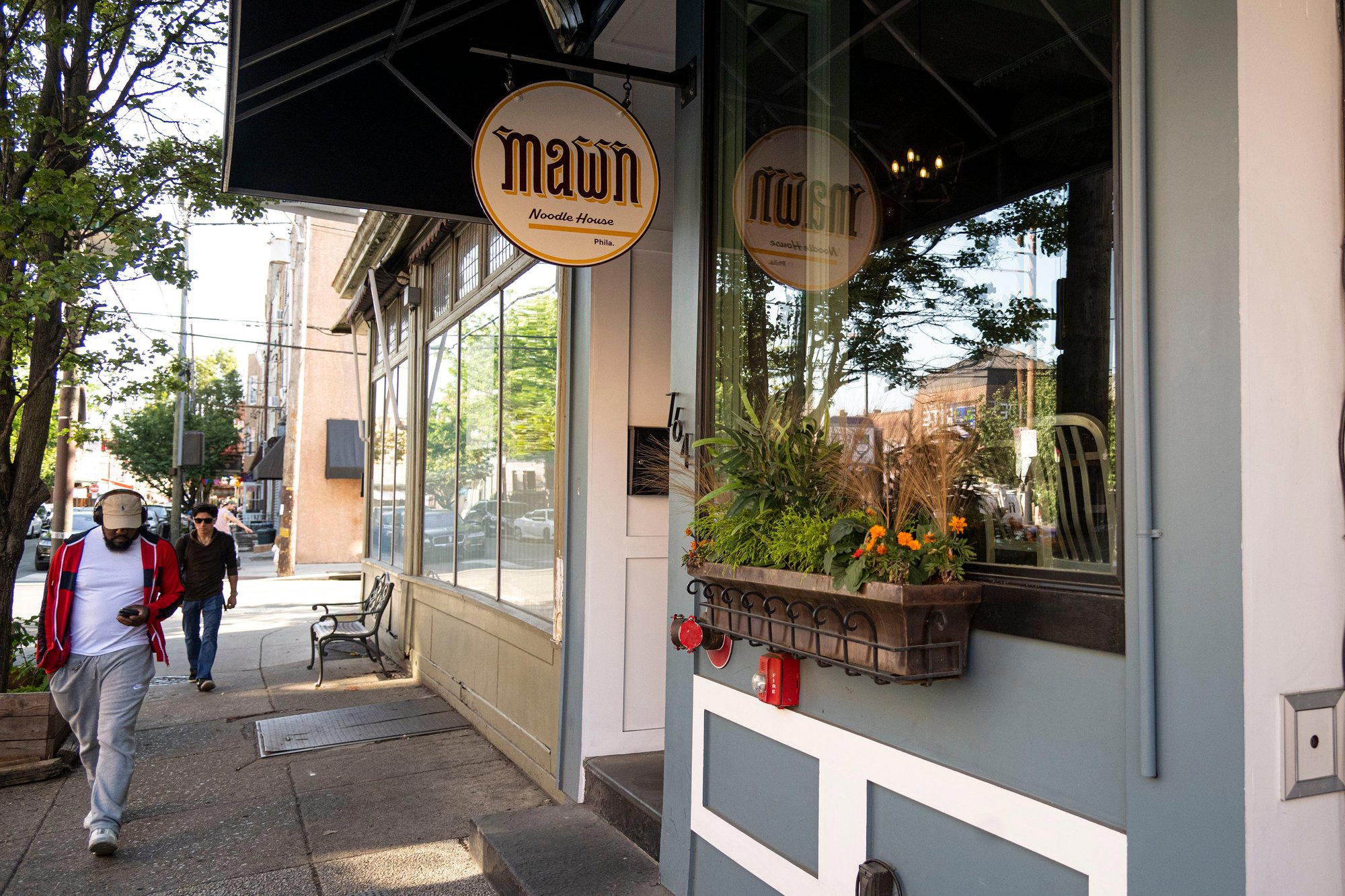
East Passyunk Avenue has earned its reputation as Philadelphia's most consequential strip for independent dining not through any single establishment but through accumulated density. On a corridor where Kalaya has reframed what Thai cooking can demand of a diner and where Mawn has brought Cambodian and Pan-Asian cooking into a critical conversation usually reserved for European traditions, the bar for specificity is high. A restaurant that trades in Southeast Asian flavors on this block cannot rely on category novelty alone. It has to earn its place through execution.
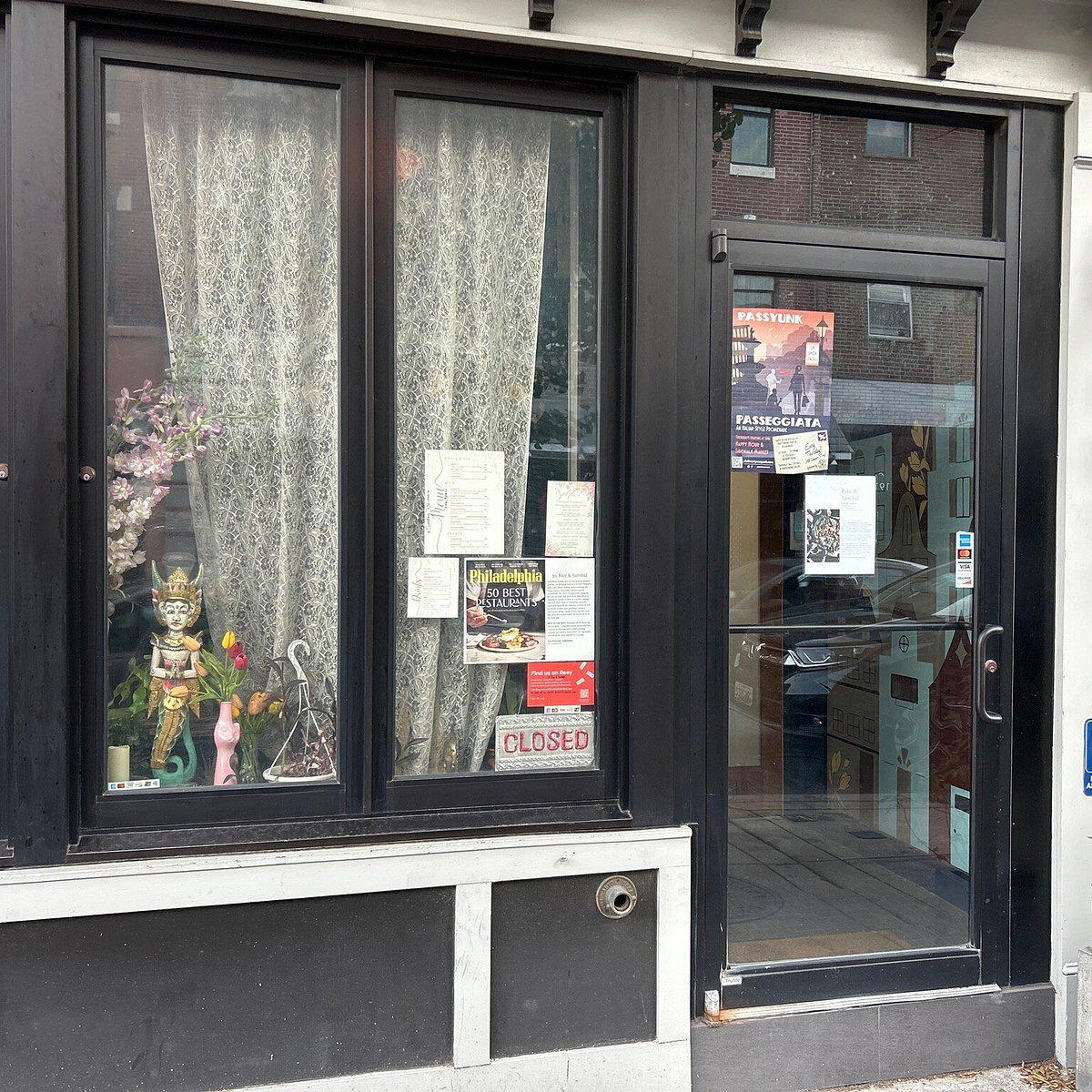
Rice & Sambal, at 1911 Passyunk Ave, operates in that demanding context. The name itself signals intent: rice as the structural constant across Southeast Asian cuisines, sambal as the variable that distinguishes one table, one region, one hand from another. Together they describe a kitchen more interested in the grammar of a cuisine than in a greatest-hits survey. That positioning, read against the neighborhood around it, is a deliberate editorial statement about what the restaurant thinks it is and who it is cooking for.
The Passyunk Corridor in Context
Philadelphia's dining identity has long been shaped by the tension between its corner-of-the-country price expectations and the ambitions of its leading independent operators. East Passyunk concentrates that tension on a walkable stretch where restaurants like Fork and Friday Saturday Sunday have demonstrated that the city can sustain the kind of serious, chef-driven programming more commonly associated with New York or Chicago. The comparison set for a Southeast Asian restaurant here is not the regional takeout category; it is the full weight of independent fine-casual and destination dining that the avenue has cultivated over the past decade.
Nationally, the restaurants setting the ceiling for ambition in American dining, from Le Bernardin in New York City to The French Laundry in Napa to Alinea in Chicago, draw their authority from singular focus and technical depth. The most relevant regional peer for what Rice & Sambal represents conceptually may be closer to Kalaya's model: a Southeast Asian kitchen that asks the diner to trust the cuisine's internal logic rather than adapt it to familiar categories. That is a harder sell at lunch than at dinner, and how the restaurant handles that divide says a great deal about its priorities.
Lunch and Dinner: Two Different Contracts
The lunch-versus-dinner divide matters more in Southeast Asian cooking than in many other traditions, partly because the same ingredients behave differently under different service pressures and partly because the daytime diner arrives with different expectations. At lunch, a sambal-based dish lands as something bright and functional, a midday reset rather than a destination event. The rice itself becomes the frame rather than the backdrop. In the evening, the same components carry more interpretive weight: the diner has committed more time, and the kitchen can ask more in return.
Restaurants on East Passyunk that have figured out this divide tend to use daytime service as a lower-threshold entry point, pricing and pacing adjusted for the walk-in crowd, while evening service shifts toward a more deliberate format. The most successful among them treat lunch not as a reduced version of dinner but as a structurally different proposition. Whether Rice & Sambal applies that same discipline is something the address and concept invite you to test for yourself, but the logic of the corridor suggests the evening visit will reward the most patience.
For context across the American dining scene, the lunch-dinner split has become a studied variable at restaurants from Blue Hill at Stone Barns in Tarrytown to Single Thread Farm in Healdsburg, where daytime and evening menus are deliberately calibrated rather than simply mirrored. At the other end of the ambition spectrum, neighborhood-scale restaurants on corridors like Passyunk often make their sharpest impression not at peak Saturday dinner but at a quieter weekday lunch when the kitchen is less under pressure and the room reads differently.
What Southeast Asian Cooking Demands of a Neighborhood
Sambal is not a condiment in the Western sense. Across Indonesian, Malaysian, and Singaporean cooking, it is a structural element, a paste or sauce built from chili, aromatics, and often fermented components that sets the register of a dish rather than finishing it. A restaurant that centers sambal in its identity is making a claim about flavor complexity that pushes against the milder calibration most American dining rooms default to. That claim is easier to sustain in a neighborhood that has already trained its diners to expect heat and fermentation and acid as primary flavors rather than accents.
East Passyunk has done some of that training. Kalaya's full-force southern Thai cooking has shifted the palate expectations on this corridor in ways that benefit every Southeast Asian restaurant that follows. Mawn's approach to Cambodian and Pan-Asian cooking has added further range. Rice & Sambal enters a neighborhood where the diner is already prepared for a cuisine that does not soften its edges, and that context is an asset the address provides without any additional effort from the kitchen.
Elsewhere in the American Southeast Asian dining conversation, restaurants like Providence in Los Angeles and the Korean-focused Atomix in New York City have demonstrated how Asian culinary traditions gain critical traction when the kitchen commits fully to the cuisine's internal standards rather than mediating them for a presumed mainstream audience. The principle applies equally to a neighborhood restaurant anchored in sambal and rice as to a tasting-menu destination.
Planning Your Visit
Know Before You Go
- Address: 1911 Passyunk Ave, Philadelphia, PA 19148
- Neighborhood: East Passyunk, South Philadelphia
- Hours: Not confirmed — check directly with the restaurant before visiting
- Price range: Not published — budget unknown; verify on arrival or by phone
- Phone: Not listed in available data
- Nearby: Kalaya, Mawn, and other East Passyunk independents within walking distance
For broader Philadelphia dining planning, see our full Philadelphia restaurants guide.
Frequently asked questions
What's the vibe at Rice & Sambal?
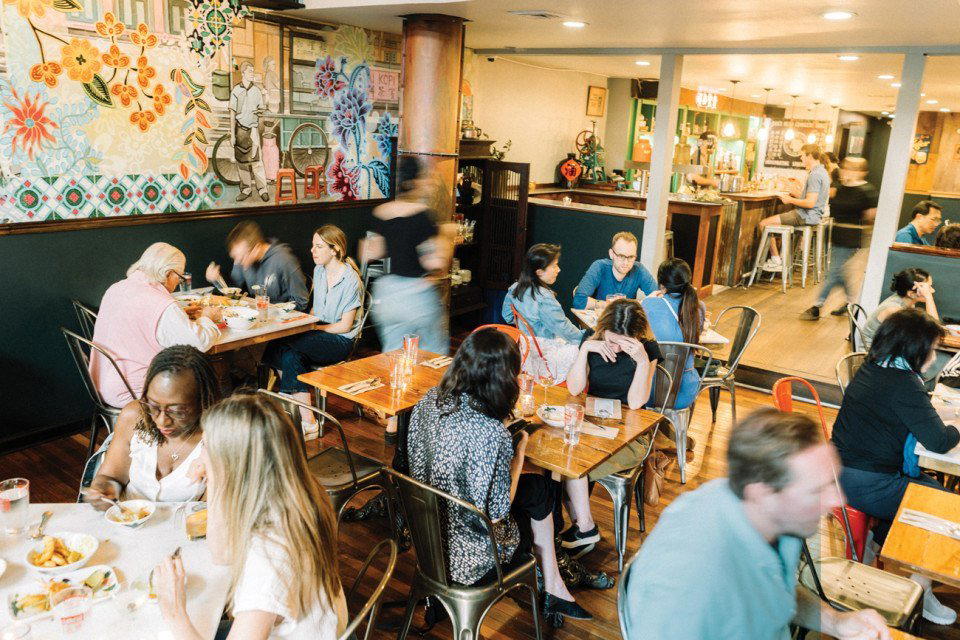
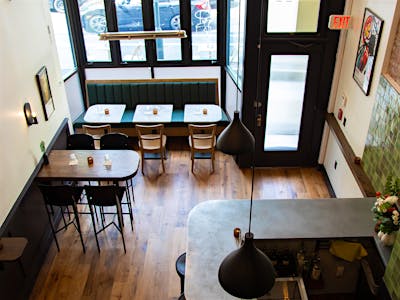
Rice & Sambal sits on East Passyunk Avenue, Philadelphia's most concentrated strip for independent restaurants, which sets the expectation: this is a neighborhood dining room, not a hotel-adjacent showcase. The cooking tradition it draws from — Indonesian, Malaysian, and Singaporean — tends toward communal, direct, and ingredient-focused rather than formally plated, and the room reflects that register.
How do I find Rice & Sambal?
Rice & Sambal is located at 1911 Passyunk Ave, Philadelphia, PA 19148, Philadelphia.
Is Rice & Sambal a good option for Southeast Asian food on Philadelphia's East Passyunk Avenue?
Rice & Sambal occupies a specific gap on East Passyunk Avenue, where Indonesian, Malaysian, and Singaporean cooking has had far less representation than European-influenced independent restaurants. Located at 1911 Passyunk Ave in Philadelphia, the restaurant brings a tradition built on fermented pastes, spice-layered rice dishes, and complex sambals to one of the city's most closely watched dining corridors. For anyone tracking where Philadelphia's independent dining scene is expanding, this is a meaningful data point.
What's the must-try dish at Rice & Sambal?
The name answers this directly. Sambal, in Indonesian and Malaysian cooking, is not a finishing garnish but a foundational element built from chillies, aromatics, and sometimes fermented shrimp paste. Any dish where sambal functions as the structural component rather than a side condiment will tell you the most about what this kitchen is doing and how seriously it takes the tradition.
Can I walk in to Rice & Sambal?
What's Rice & Sambal best at?
The venue's name points to a specific culinary argument: that rice and sambal, the two most structurally important elements in Indonesian, Malaysian, and Singaporean cooking, deserve the kind of attention that Philadelphia's East Passyunk corridor has historically given to European and American traditions. That positioning — taking Southeast Asian staples seriously on their own terms rather than as novelty — is the clearest signal of what the kitchen prioritizes.
Awards and Standing
Comparable venues nearby, for context on price, style, and recognition.
| Venue | Cuisine | Price | Notes |
|---|---|---|---|
| Rice & SambalThis venue — the venue you are viewing | Modern Indonesian | $100–150 | Not listed |
| Mural City Cellars | Urban Winery & Wine Bar | $20–30 | Fishtown |
| Chez Colette | Classic French Brasserie | $30–50 | Rittenhouse Square |
| Rangoon | Burmese | Not listed | Chinatown |
| Tesiny | Seafood Raw Bar & Charcoal Grill | $50–100 | Wharton |
| Harper's Garden | Seasonal New American | $50–100 | Penn Center |