Mimoza Mediterranean Restaurant
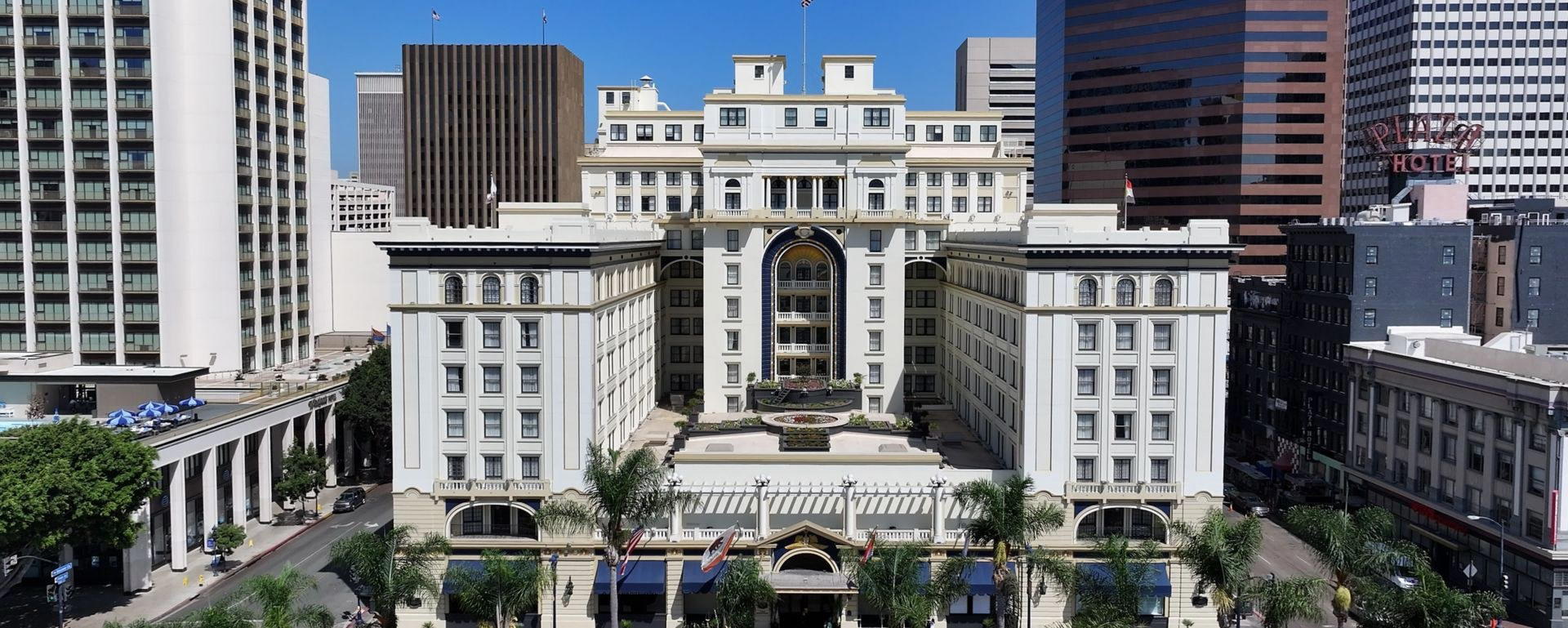
Mimoza Mediterranean Restaurant on F Street in San Diego's Gaslamp Quarter places itself within a downtown dining scene that has grown increasingly serious about regional Mediterranean cooking. The address puts it close to the neighbourhood's main dining corridor, where the physical character of the space matters as much as what arrives at the table.
Pearl is the En Primeur Club membership app — saves, bookings, and concierge access live there. Same editors, same standards.
- Address
- 409 F St, San Diego, CA 92101
- Phone
- +16192289357
- Website
- mimozasd.com
- Directions
- Get directions
 Saves & bookings on Pearl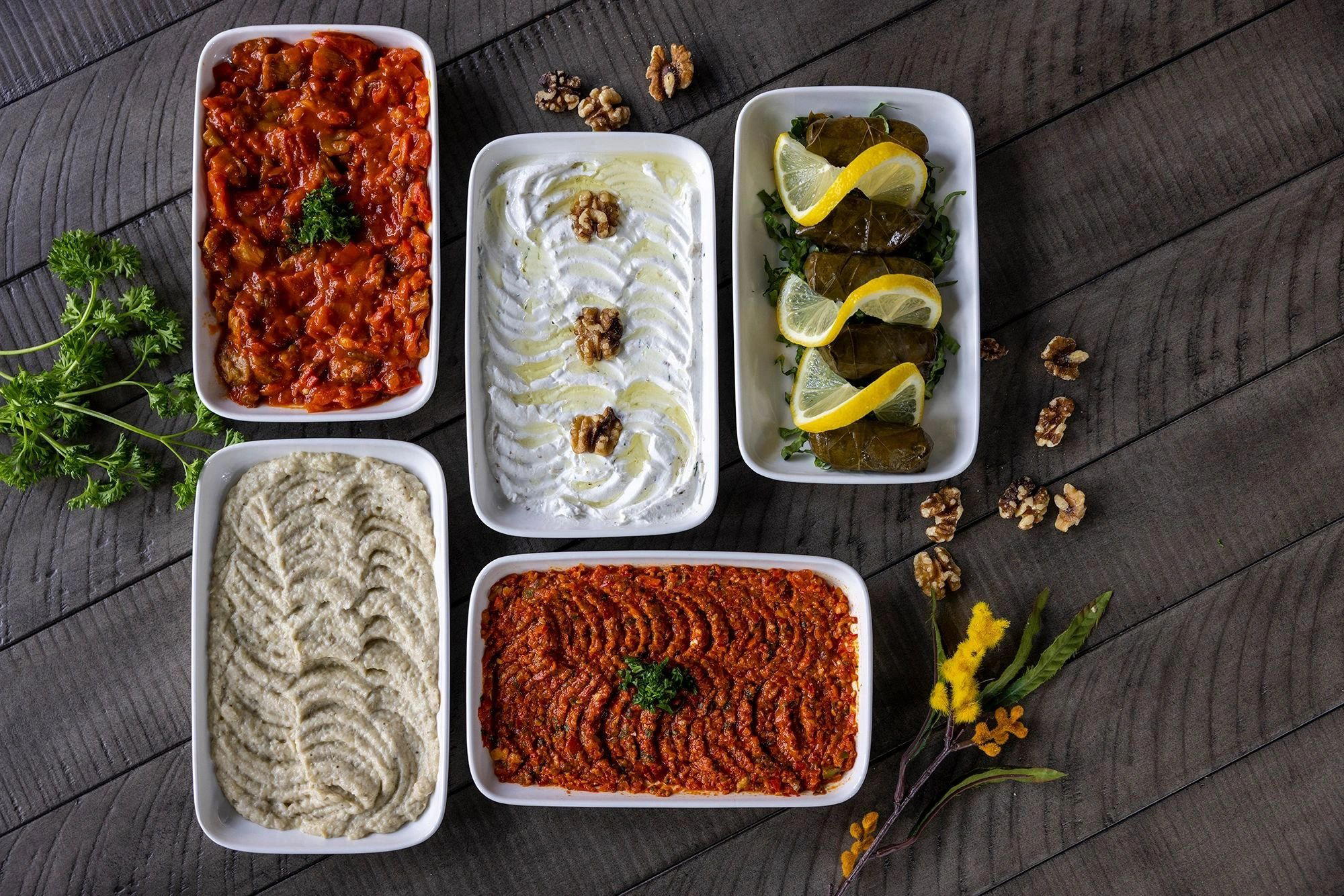
What the Room Says Before the Menu Does
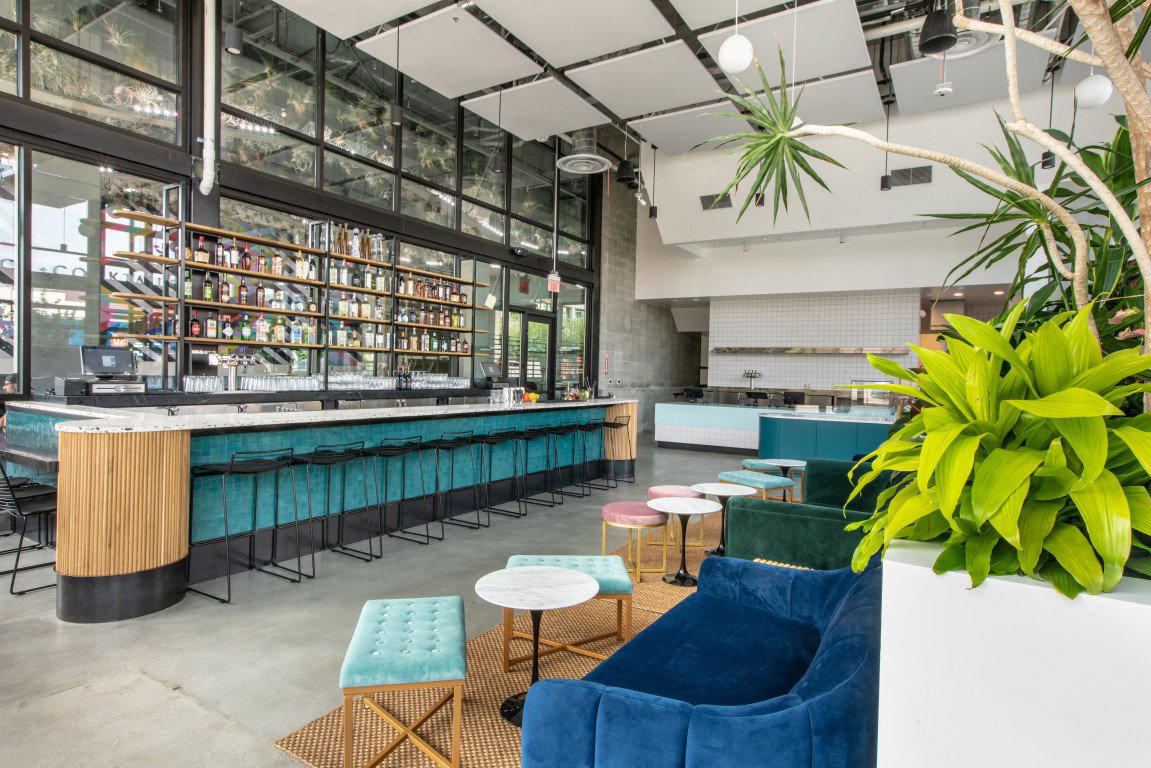
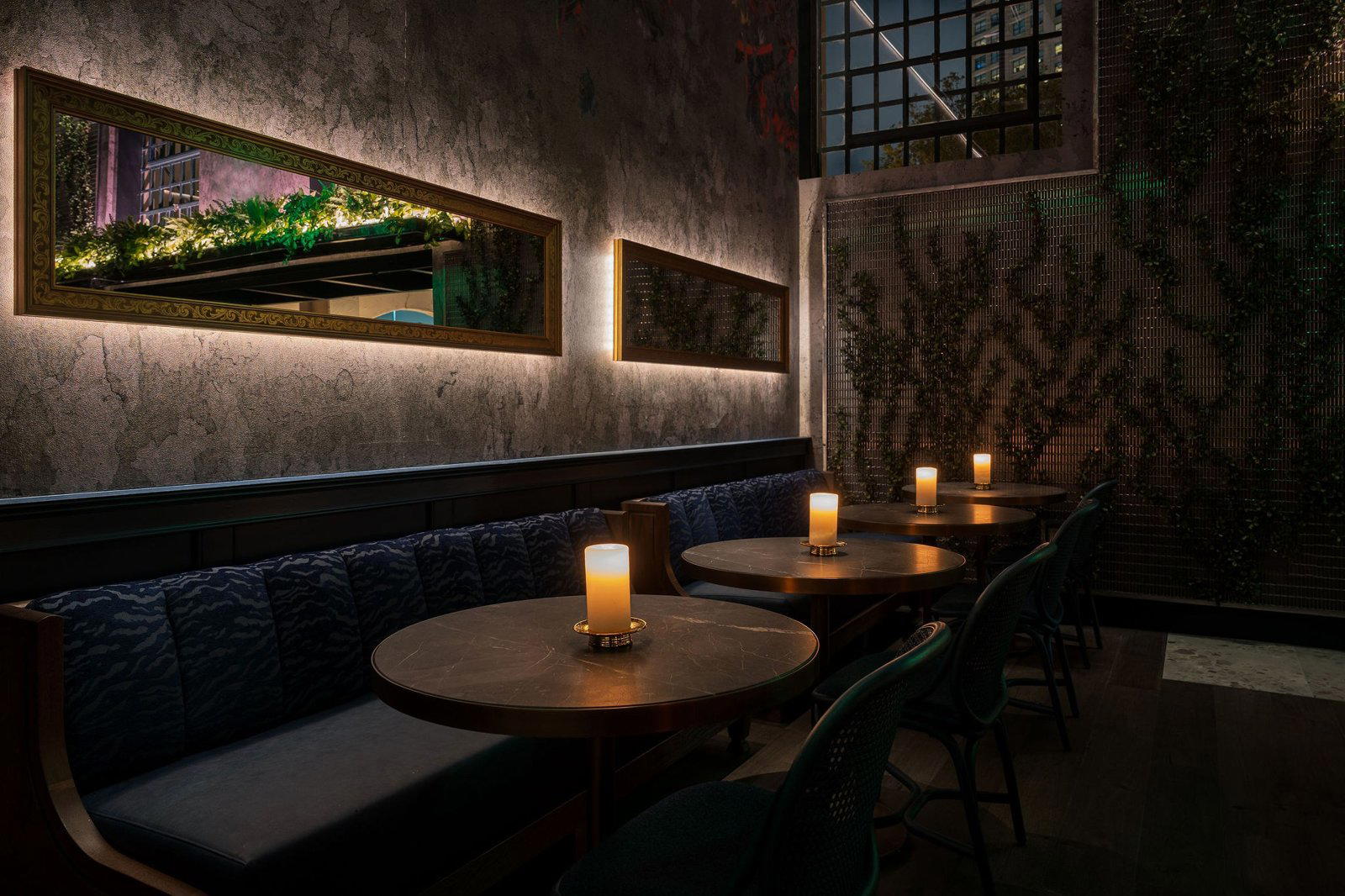
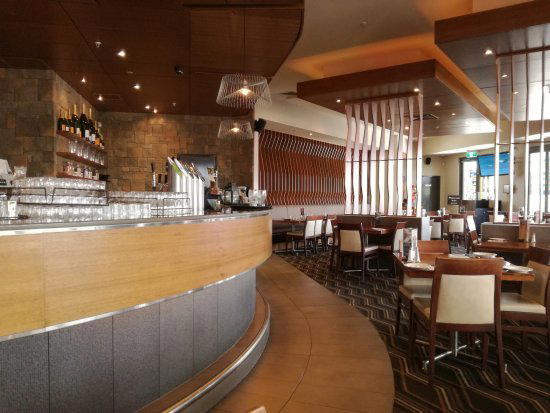
In San Diego's Gaslamp Quarter, the physical container of a restaurant communicates its intentions before a single dish is ordered. The neighbourhood's dining stock ranges from converted Victorian-era commercial buildings to purpose-built contemporary interiors, and where a room falls on that spectrum tends to predict the cooking register. Mimoza Mediterranean Restaurant is a casual Turkish Mediterranean restaurant at 409 F Street in San Diego's Gaslamp Quarter. Its menu draws on Authentic Turkish Mediterranean cooking, with warm material palettes and open sightlines fitting the format.
That spatial logic matters because Mediterranean cooking, more than most categories, is a cuisine of setting. The whitewashed surfaces, terracotta tones, and communal table proportions are not decorative choices so much as calibration signals. They tell a diner whether the kitchen is committed to the breadth of the tradition, from Catalonian technique to Turkish grill culture to Maghrebi spice work, or whether it is operating a more narrowly defined southern European menu under a broader Mediterranean label. San Diego's Mediterranean offerings have historically skewed toward the Greek-Italian corridor, though newer entrants in the Gaslamp and adjacent East Village have pushed into Levantine and North African territory.
The Gaslamp's Mediterranean Tier
San Diego's dining scene has developed unevenly across price tiers. At the high end, Addison operates as the city's most formally ambitious table, with French and Contemporary technique at the $$$$ bracket. Japanese cooking has its own serious representation through counters like Soichi, which also prices at $$$$. Mediterranean, by contrast, occupies a more contested middle ground in the city, where venues like Callie operate at the $$ tier with a Californian-Mediterranean hybrid identity, and the category as a whole lacks the concentrated critical attention that Japanese or New American has received.
That gap is partly geographic and partly historical. San Diego's proximity to Baja California has long pulled culinary attention south toward Mexican and coastal Californian idioms rather than east toward Mediterranean traditions. The Gaslamp Quarter addresses that dynamic by concentrating dining options that appeal to a downtown visitor and after-theatre crowd, which tends to reward approachability and visual drama over technical depth. For a Mediterranean room in this zip code, the challenge is calibrating ambition against that commercial reality without flattening the cuisine into a generic sun-and-olives formula.
At the technically exacting level, Mediterranean influence appears inside tasting-menu formats at places like Le Bernardin in New York City or embedded in farm-driven programs at Blue Hill at Stone Barns in Tarrytown. Closer to the West Coast, Providence in Los Angeles draws on Mediterranean coastal traditions in a seafood-forward context. What those rooms share is a clear editorial point of view about which part of the Mediterranean basin they are drawing from and how literally they are interpreting it. Particularly successful regional Mediterranean rooms in the United States have tended to commit to specificity rather than treating the category as a catch-all for anything with olive oil and za'atar.
Reading a Mediterranean Room in the Gaslamp
The editorial angle of any serious Mediterranean restaurant becomes legible through its seating logic. Communal tables and long banquettes signal a mezze-forward approach where sharing is structural, not optional. Counter seating near an open kitchen suggests a grill-led menu where the drama of live fire is part of the experience. Private booths and separated tables indicate a kitchen more interested in plated individual courses than in the convivial spread format that defines Levantine and eastern Mediterranean traditions. In Gaslamp's competitive density, rooms that commit to one of these formats consistently outperform those that try to accommodate all three, because spatial incoherence tends to read as menu incoherence to an experienced diner.
For context on how other serious American rooms handle spatial commitment, it is worth noting how restaurants like Lazy Bear in San Francisco, Alinea in Chicago, or Single Thread Farm in Healdsburg each built room architecture that directly expresses the kitchen's philosophy. The same principle applies at the Mediterranean tier, even when the price point is lower and the format is more casual. Rooms like 1450 El Prado in San Diego demonstrate how a defined physical identity can anchor a dining experience in the city's competitive landscape.
Placing Mimoza in the Broader Circuit
Across the American dining circuit at large, the Mediterranean category has attracted serious investment at both ends: destination-level rooms referenced in the same conversation as The French Laundry in Napa or The Inn at Little Washington, and more accessible neighbourhood formats that operate closer to the $$ bracket without sacrificing regional specificity. Rooms at the serious middle tier, such as those referenced alongside Emeril's in New Orleans or Bacchanalia in Atlanta, tend to succeed by anchoring themselves to a defined culinary tradition rather than a broad category label. Korean tasting menus like Atomix in New York City or Italian fine dining at 8 1/2 Otto e Mezzo Bombana in Hong Kong show how regional specificity translates across formats and price points when the kitchen has a clear editorial position.
For Mimoza on F Street, the question that matters is how its Turkish Mediterranean identity and room design work together. The Gaslamp address places it in a crowd-heavy, high-visibility corridor where atmosphere drives first visits and food quality drives returns. That is a demanding brief, and Mediterranean cooking, with its emphasis on quality of ingredient over technical complexity, is well suited to meeting it when the sourcing discipline is there.
Know Before You Go
Address: 409 F St, San Diego, CA 92101
Neighbourhood: Gaslamp Quarter, Downtown San Diego
Cuisine: Mediterranean
Booking: Reservations are recommended
Timing note: Open daily from 11:30 AM to 10 PM
Comparable Venues
Comparable venues nearby, for context on price, style, and recognition.
| Venue | Cuisine | Price | Notes |
|---|---|---|---|
| Mimoza Mediterranean RestaurantThis venue — the venue you are viewing | Authentic Turkish Mediterranean | $$ | Not listed |
| Cellar Hand | Hyper-Local Coastal California & Mediterranean | $$ | Uptown |
| Aladdin Mediterranean Cafe | Lebanese Mediterranean | $$ | Clairemont Mesa |
| Madison | Mediterranean & Southern California | $$$ | Uptown |
| The Lion's Share | Modern American with Wild Game | $$ | Downtown |
| Casa Guadalajara | Traditional Mexican | $$ | Old Town San Diego |
Continue exploring
More in San Diego
Restaurants in San Diego
Browse all →
Bars in San Diego
Browse all →
At a Glance
- Lively
- Cozy
- Date Night
- Casual Hangout
- Open Kitchen
- Extensive Wine List
- Street Scene
Current opening hours
- Monday
- 11:30 AM–10 PM
- Tuesday
- 11:30 AM–10 PM
- Wednesday
- 11:30 AM–10 PM
- Thursday
- 11:30 AM–10 PM
- Friday
- 11:30 AM–10 PM
- Saturday
- 11:30 AM–10 PM
- Sunday
- 11:30 AM–10 PM
Hours can change for holidays and private events. Last verified .
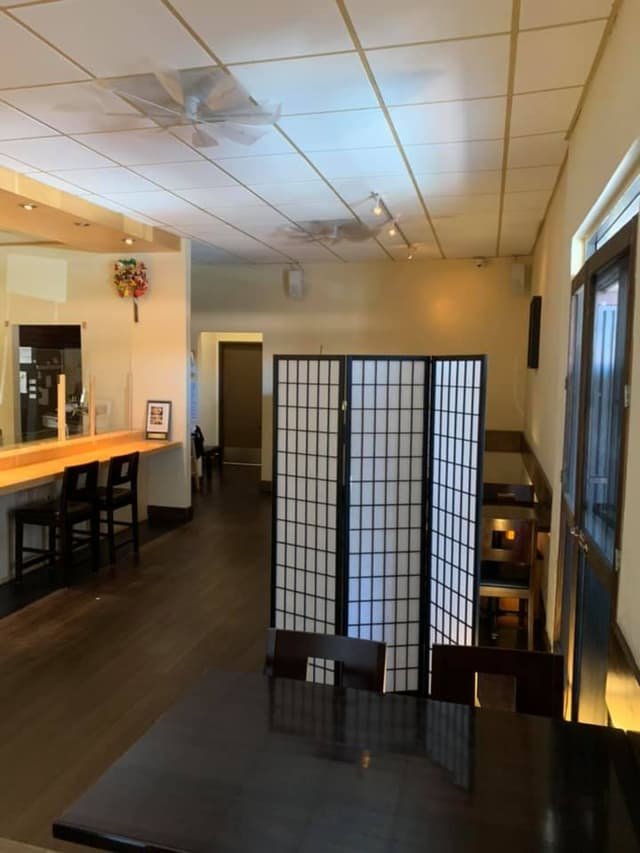
Pleasant with booths, high tops, lots of windows, warm welcome, and festive atmosphere.