


TA-KUMI brings a Michelin Plate-recognised Japanese kitchen to Marbella's centre, operating Tuesday through Saturday with a split lunch and dinner service. The format spans a sushi bar, two dining levels, and a private room, with an à la carte menu anchored by signature recipes and supplemented by the Matsuri set menu. Part of a multi-site group with sister restaurants in Málaga and Madrid's Salamanca district.
Pearl is the En Primeur Club membership app — saves, bookings, and concierge access live there. Same editors, same standards.
- Address
- C. Gregorio Marañón, 4, 29602 Marbella, Málaga, Spain
- Phone
- +34 952 77 08 39
- Website
- restaurantetakumi.com
- Directions
- Get directions
 Saves & bookings on Pearl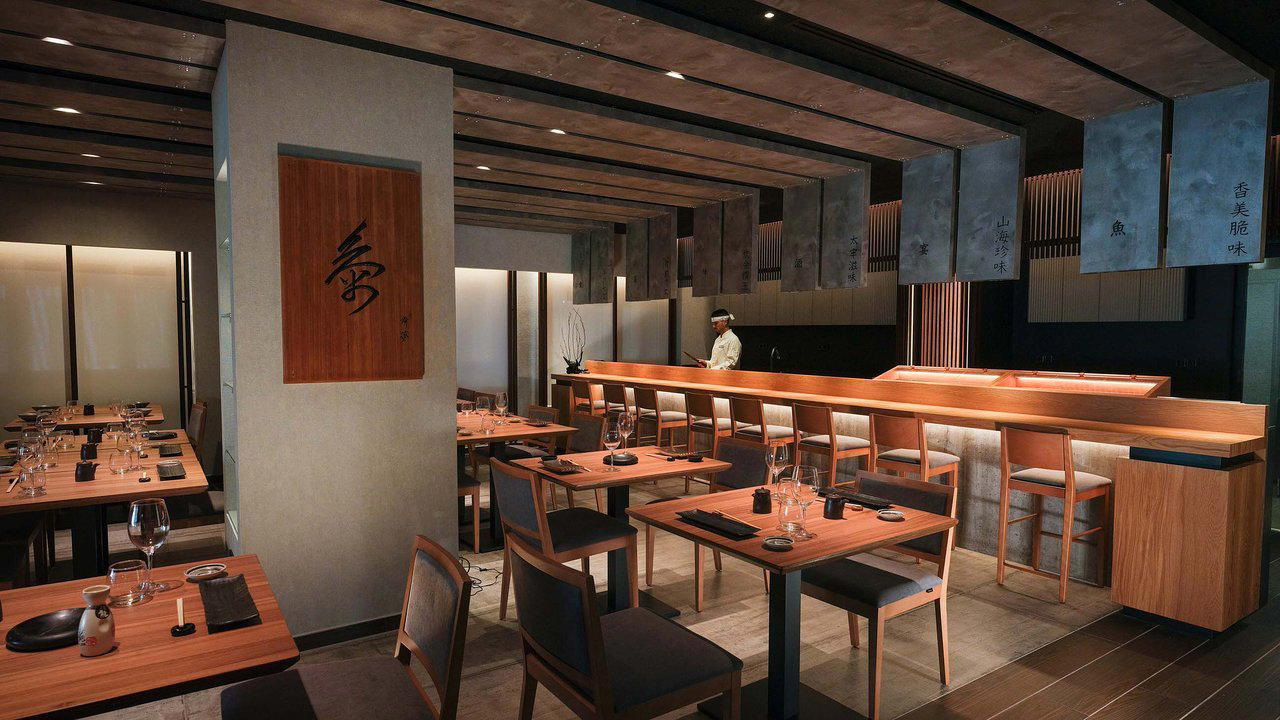
Japanese Dining in the Marbella Context
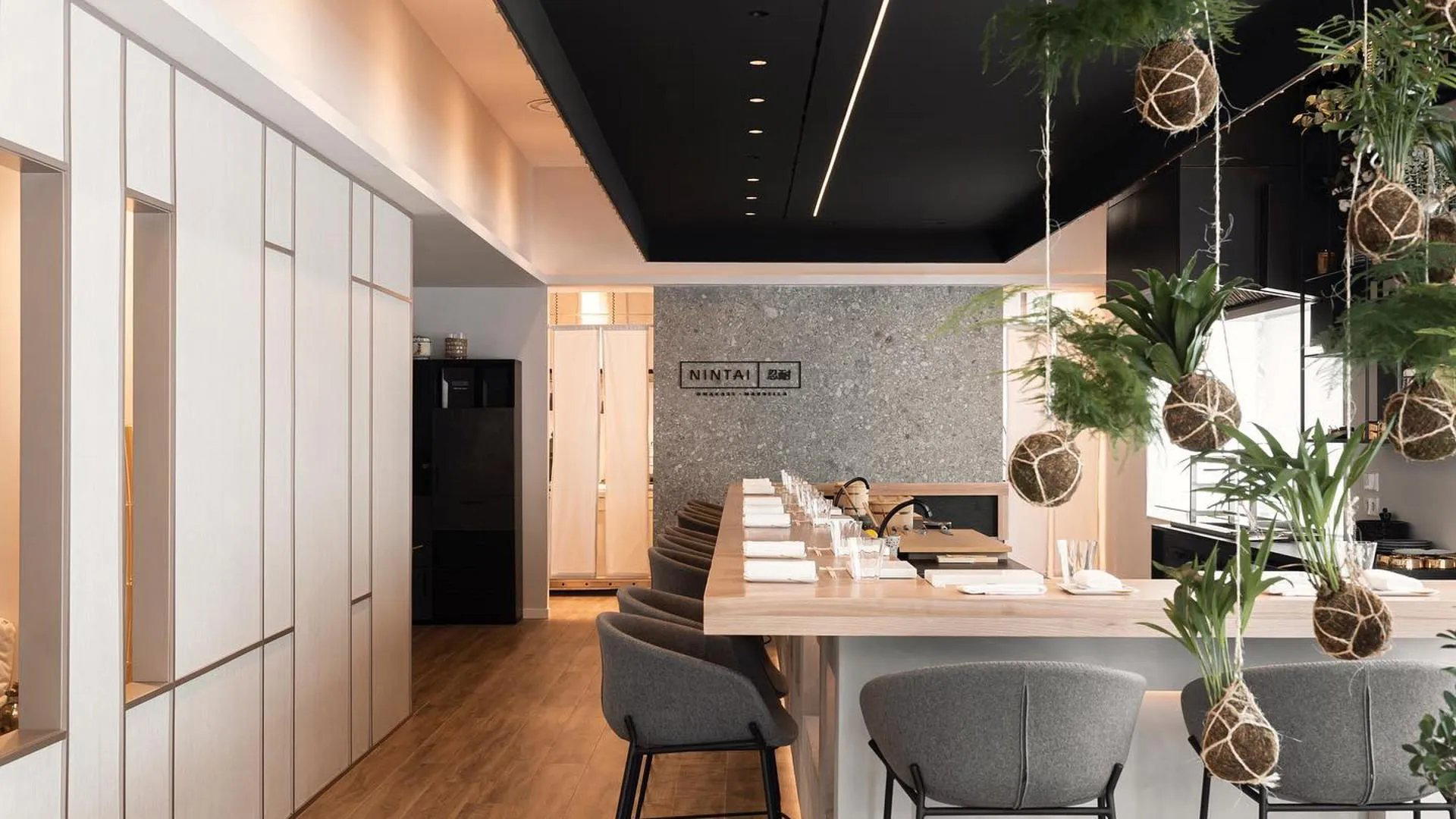
Marbella's restaurant scene sits at an unusual intersection: a Mediterranean resort city that draws enough international traffic year-round to sustain kitchens that would struggle in smaller Spanish coastal towns. Japanese cuisine has planted firm roots here, with several addresses competing at the mid-to-upper tier. The question, for anyone planning a meal, is how the options divide. Nintai occupies the omakase counter end of the spectrum, while Nobu Marbella operates at the brand-driven, high-volume end. TA-KUMI sits between those poles: a group-backed, multi-room format with Michelin Plate recognition in 2025 and a structure that accommodates both à la carte lunches and longer evening meals. It is part of a group that also operates in Málaga and in Madrid's Salamanca district, which gives it a tested, repeatable formula rather than a single-site experiment.
The Physical Setup: What You're Walking Into
The address on Calle Gregorio Marañón puts TA-KUMI a short walk from the old town, in a part of Marbella that functions as a neighbourhood rather than a tourist corridor. The room itself is described consistently in public record as having a contemporary character, with a sushi bar as the focal point, two dining rooms spread across separate floors, and a private room available for groups. That layout matters for planning: the sushi bar suits solo diners or couples who want to watch the kitchen work, while the upper and lower dining rooms absorb larger tables without the noise compression that can make single-room Japanese restaurants difficult. The private room allows a group to order from the full à la carte in relative quiet, which is a practical advantage for business meals or occasion dining.
A score at that level, sustained across that many reviews, signals operational reliability. For a restaurant in a city where tourist turnover is high and reviews tend to be more volatile, that consistency is meaningful data.
The Menu Architecture
Japanese restaurants in Spain increasingly face a structural question: how much to anchor around a set menu format versus maintaining a broad à la carte that works for the local dining culture, which tends toward longer, more flexible meals. TA-KUMI resolves this with both. The Matsuri set menu provides a structured route through the kitchen's range, while the à la carte incorporates signature recipes from across the group's repertoire. Nigiri, both hot and cold, are available separately from the printed menu, which gives regulars and returning guests a way to direct the meal toward the sushi bar's output without committing to a full tasting sequence.
The kitchen carries the names of Toshio Tsutsui and Álvaro Arbeloa. That pairing of a Japanese chef name alongside a Spanish one appears in several Spanish Japanese restaurants that have achieved durable recognition, and tends to reflect a kitchen that addresses both technical Japanese form and the expectations of a Spanish dining audience. The pairing suggests a kitchen that balances technical Japanese form with a Spanish dining audience.
For context on the wider Japanese dining tradition at its most refined level, Tokyo addresses like Myojaku and Azabu Kadowaki represent the reference point against which European Japanese kitchens are implicitly measured. The restaurant does not position itself in that register, and the Michelin Plate, rather than a star, confirms it operates on a different tier. The Plate recognises good cooking without placing the kitchen in the ranks of destination dining.
Where It Sits in the Marbella Hierarchy
At the €€€ price tier, the restaurant sits below Marbella's starred addresses. Skina, the Michelin-starred seasonal Andalusian kitchen, operates at €€€€ and represents a different commitment in both cost and format. BACK and Messina offer creative modern cuisine at comparable price points, making the €€€ tier in Marbella a competitive one. The restaurant's differentiation within that tier is categorical: it is the Japanese option at a price point and recognition level that its direct peers in Marbella do not replicate. Spain's wider Michelin-starred dining landscape, represented by addresses such as Aponiente in El Puerto de Santa María, Arzak in San Sebastián, DiverXO in Madrid, El Celler de Can Roca in Girona, Quique Dacosta in Dénia, and Azurmendi in Larrabetzu, is dominated by Spanish-origin cuisines. The restaurant's position as a recognised Japanese address within this context gives it a specific niche rather than a general claim to excellence.
Planning Your Visit
Service runs Tuesday through Saturday, with lunch from 1:30 to 4 pm and dinner from 7:30 to 11 pm. The kitchen is closed on Sundays and Mondays. For visitors to Marbella who arrive over a weekend and plan to dine on Monday or Sunday, the restaurant will not be available. The lunch window, closing at 4 pm, follows a Spanish rhythm that assumes a long, unhurried midday meal rather than a quick sit-down, which affects timing if you have afternoon commitments.
No booking method is confirmed in public record beyond standard restaurant contact. Given the 1,532-review volume and a 4.6 rating, the restaurant operates at meaningful capacity, and walk-in availability at dinner, particularly at weekends, should not be assumed. Booking ahead, especially for Friday and Saturday evenings, is the practical approach. The private room adds a dimension worth noting for groups: securing that space requires advance coordination, and if that format fits your purpose, confirming availability at the point of booking rather than on the night is the right sequence.
Price Lens
Comparable venues nearby, for context on price, style, and recognition.
| Venue | Cuisine | Price | Awards | Notes |
|---|---|---|---|---|
| TA-KUMIThis venue — the venue you are viewing | Japanese | $$$$ | Michelin Plate | Not listed |
| Brasserie Astoria Marbella | Not listed | $$$$ | Not listed | Nueva Andalucía, Modern Nordic-Mediterranean Brasserie |
| Leña Marbella | Golden Mile, Modern Grill by Dani García | $$$$ | Michelin Plate | Not listed |
| Grill at the Marbella Club | Golden Mile, Mediterranean Grill | $$$$ | Not listed | Not listed |
| Areia | Dining | Not listed | Michelin Plate | Not listed |
| Sidreria Usategui | El Palomar, Basque Sidrería | $$ | Not listed | Not listed |
Recognition history
Dated appearances from independent guides and award organizations, with the underlying list record or original source where available.
Guía Repsol 1 Sol
Guía Repsol
Macarfi 8.2 Food Rating
Macarfi
Michelin Plate
Michelin
Michelin Plate
Michelin
Continue exploring
More in Marbella
Restaurants in Marbella
Browse all →
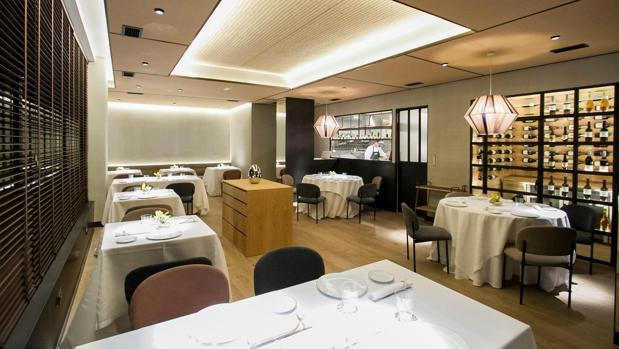
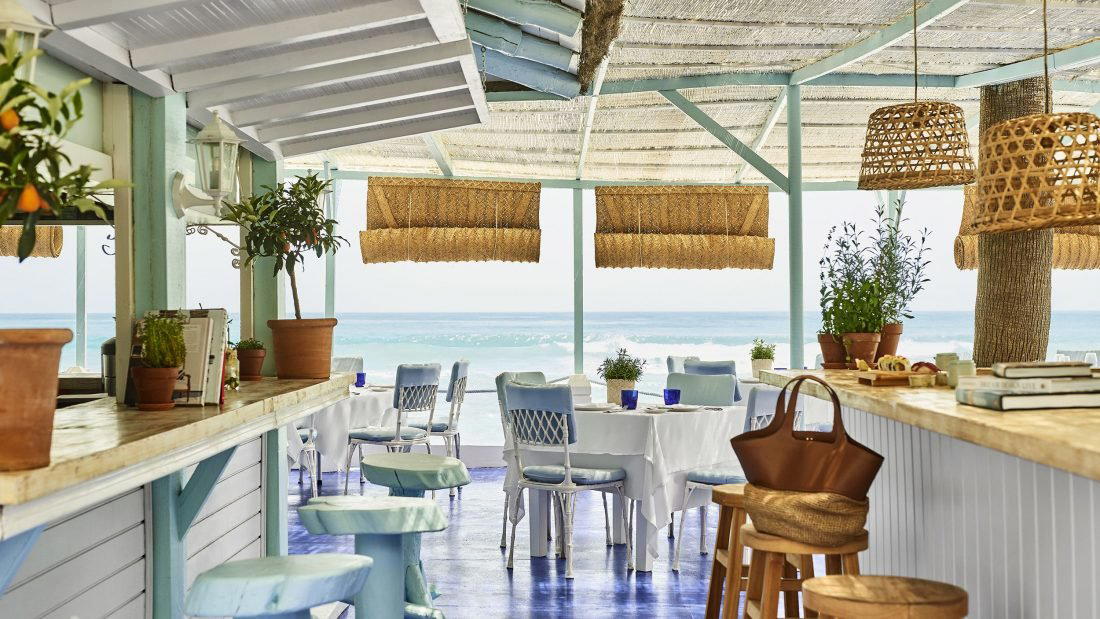
Bars in Marbella
Browse all →
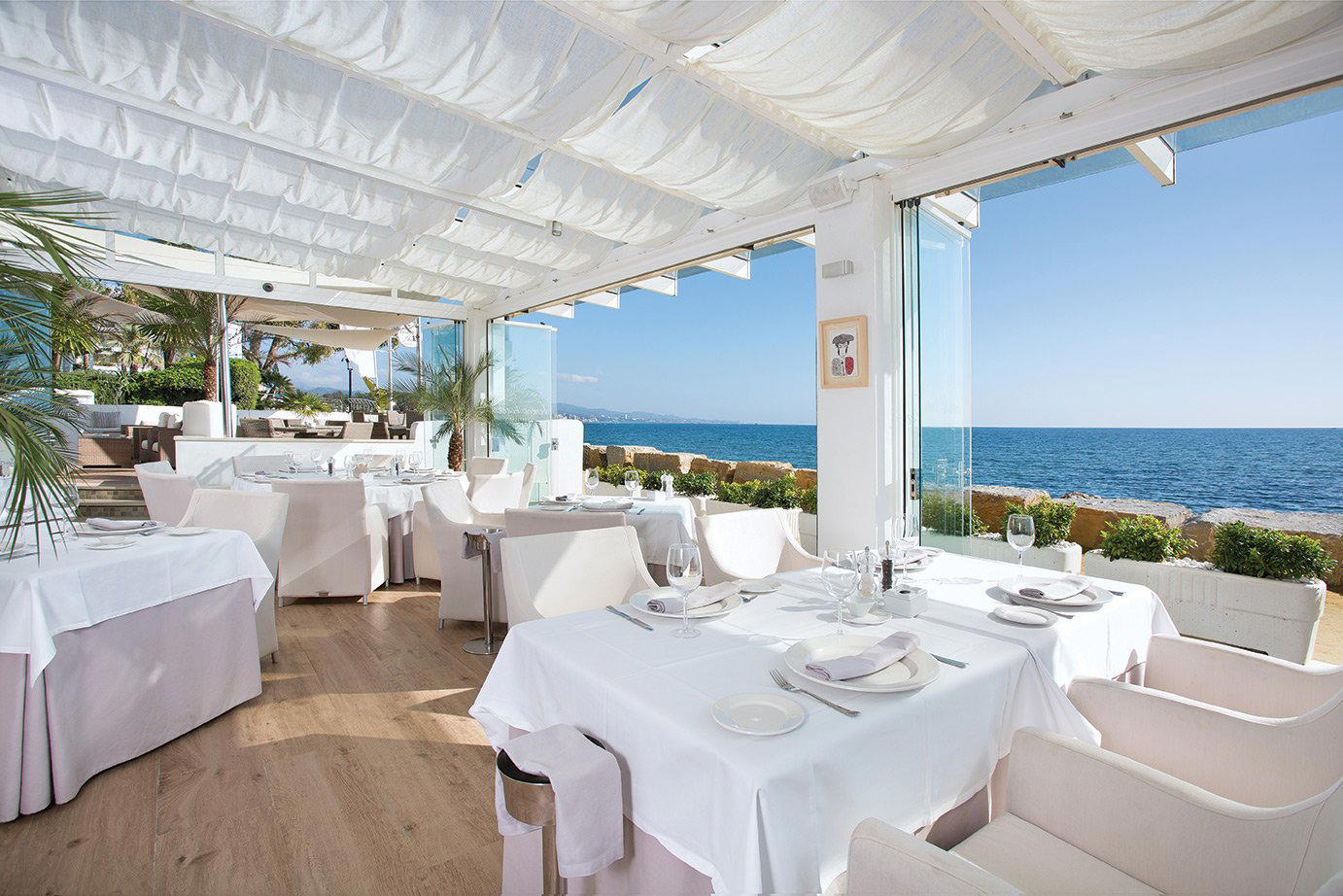
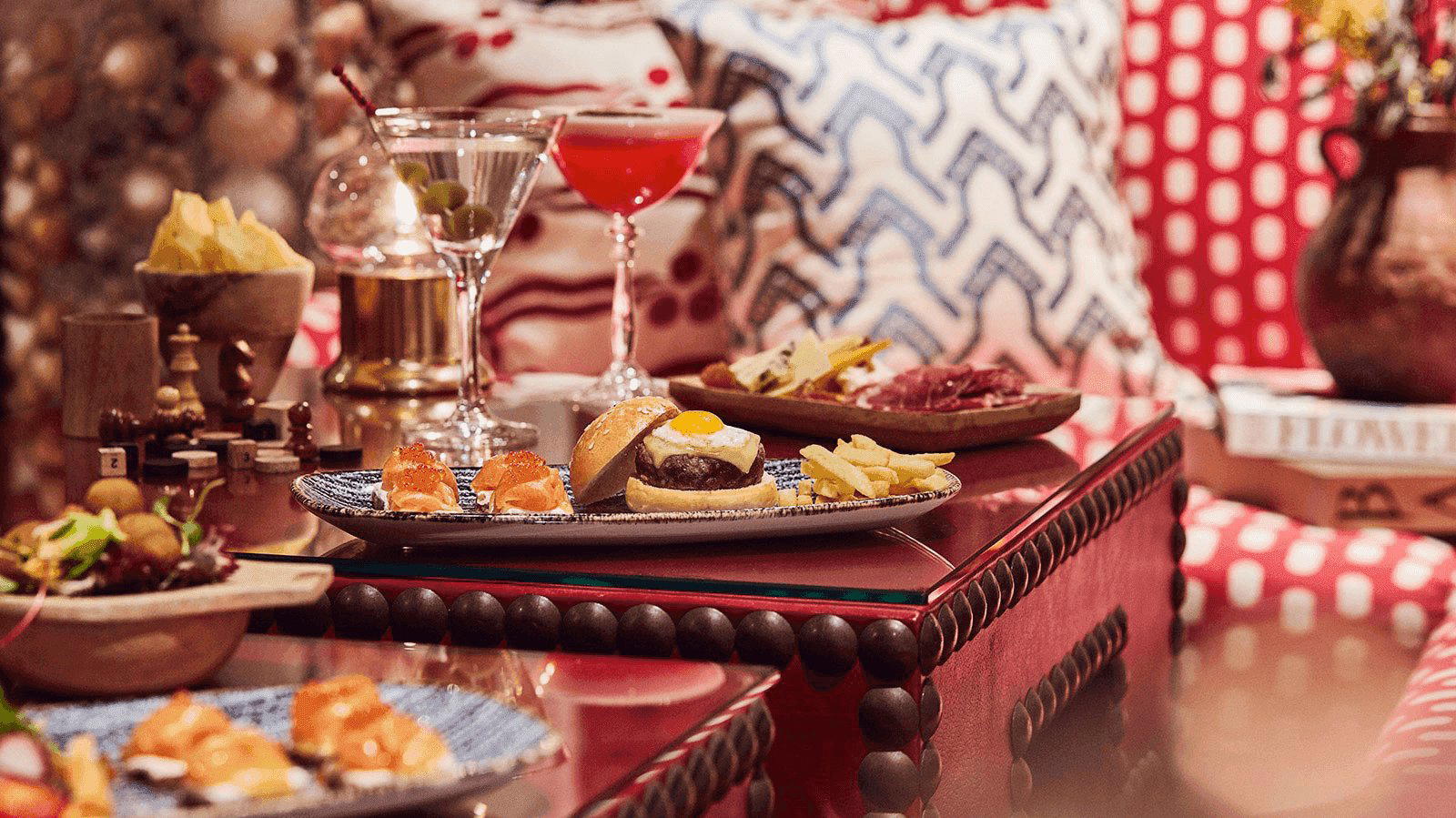


Hotels in Marbella
Browse all →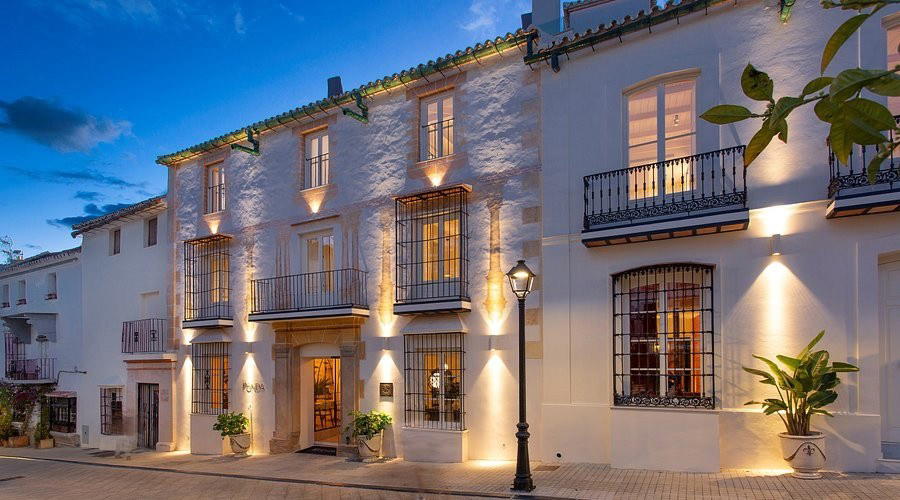

At a Glance
- Elegant
- Minimalist
- Sophisticated
- Intimate
- Date Night
- Special Occasion
- Celebration
- Business Dinner
- Open Kitchen
- Chefs Counter
- Terrace
- Extensive Wine List
- Sake Program
- Sommelier Led
- Local Sourcing
- Sustainable Seafood
Current opening hours
- Monday
- Closed
- Tuesday
- 1:30–4 PM, 7:30–11 PM
- Wednesday
- 1:30–4 PM, 7:30–11 PM
- Thursday
- Closed
- Friday
- Closed
- Saturday
- Closed
- Sunday
- Closed
Hours can change for holidays and private events. Last verified .
Minimalist zen-style decor with an open kitchen, contemporary design, and refined Oriental-inspired setting that creates an elegant, focused atmosphere centered on culinary craftsmanship.