


Nobu Marbella sits within the storied Marbella Club complex on the Golden Mile, bringing the global brand's Japanese-Peruvian format to the Costa del Sol's most concentrated stretch of premium dining. Ranked among Europe's top restaurants by Opinionated About Dining in both 2024 and 2025, it operates every evening from 7 pm and draws a crowd that overlaps significantly with the hotel's international leisure set.
Pearl is the En Primeur Club membership app — saves, bookings, and concierge access live there. Same editors, same standards.
- Address
- Av. Bulevar Principe Alfonso von Hohenlohe, s/n, 29602 Marbella, Málaga, Spain
- Phone
- +34 952 77 86 86
- Website
- nobuhotels.com
- Directions
- Get directions
 Saves & bookings on Pearl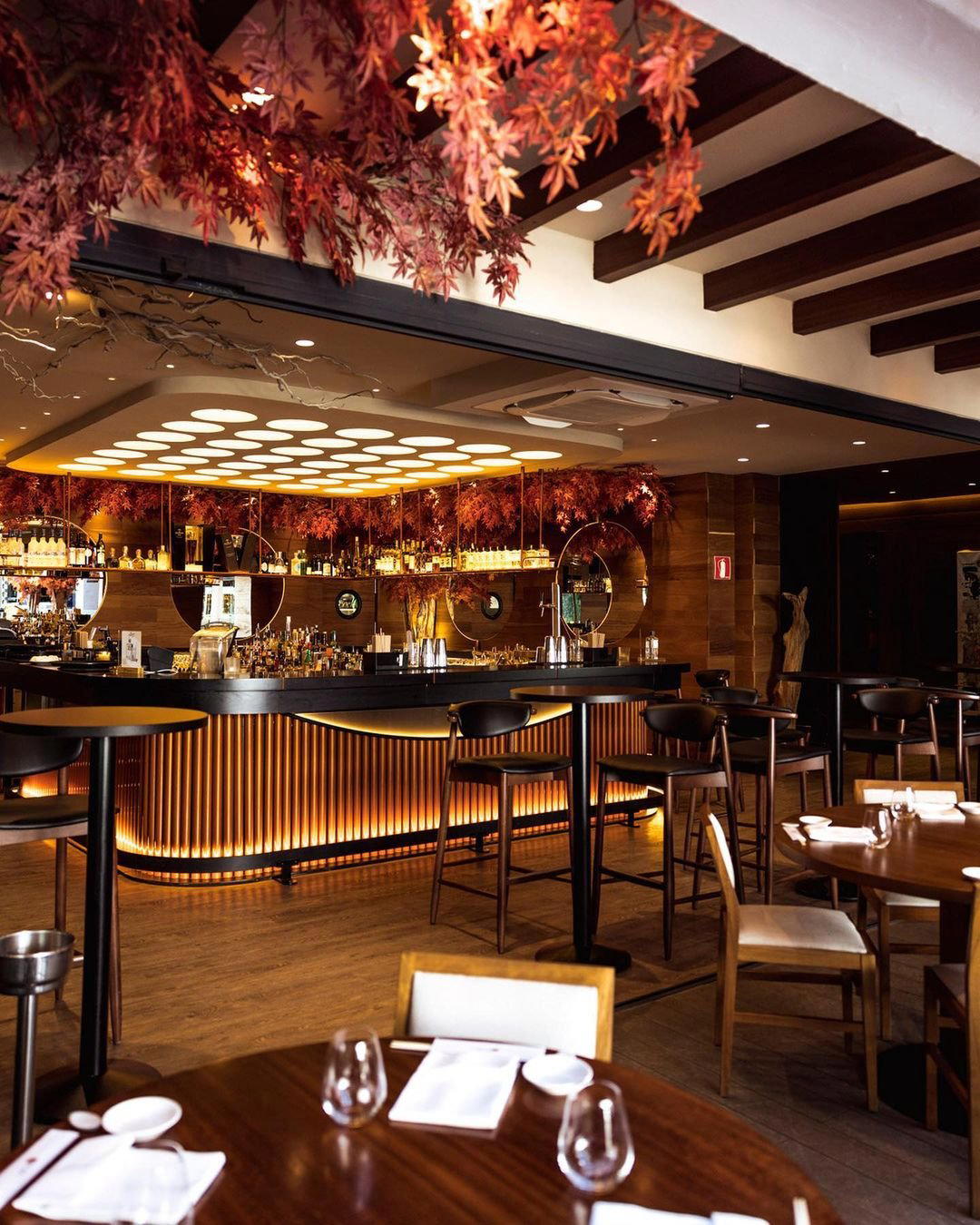
Where the Golden Mile Meets the Pacific Rim
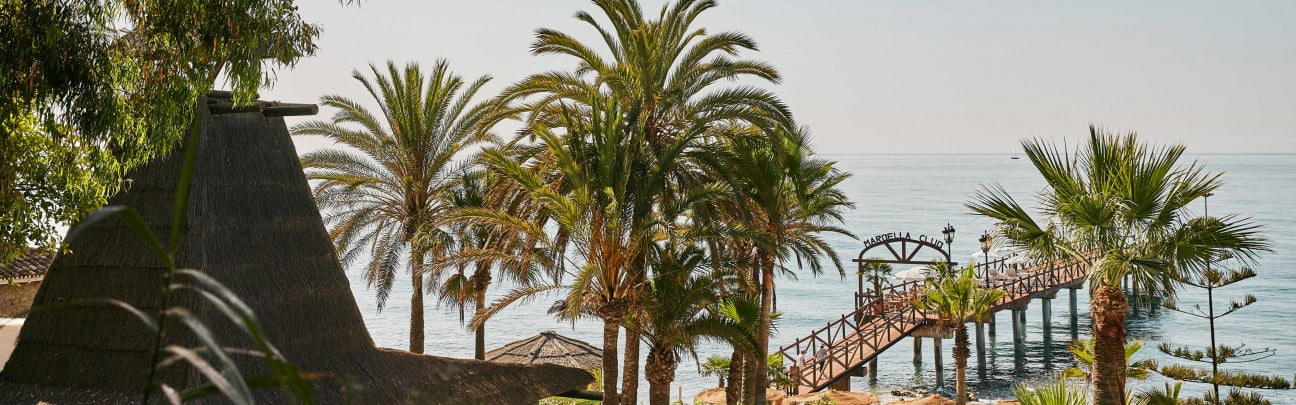
Marbella's dining identity has long been shaped by its geography: a Mediterranean resort strip with North African proximity, Andalusian roots, and a decades-old international money culture that imports tastes from London, Moscow, and New York with equal ease. That context matters when you arrive at Nobu Marbella, positioned on the Avenida Bulevar Príncipe Alfonso von Hohenlohe, the address that defines the Golden Mile. The surroundings carry the particular weight of old-guard Marbella glamour: wide boulevards, manicured grounds, the residual prestige of the Marbella Club's mid-century founding mythology. Walking toward the restaurant, you move through that atmosphere before you reach a single plate of food.
The Nobu brand itself operates in a specific register within global Japanese dining. The Nobu model operates at a different scale entirely: a global chain format built around a recognisable Japanese-Peruvian template that prioritises consistency and atmosphere over the singular. That distinction is neither criticism nor endorsement in isolation. It is the correct frame for understanding what Marbella's outpost delivers and who it delivers it to.
The Room and the Rhythm of an Evening
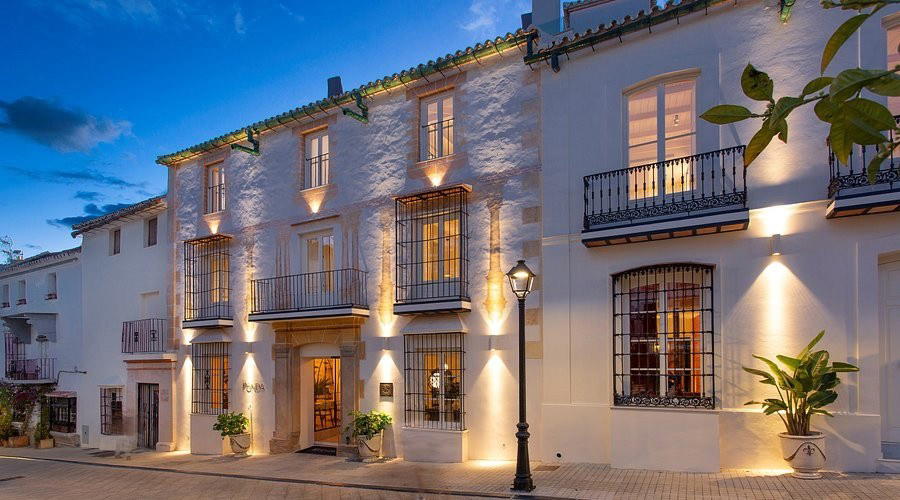
The physical environment at Nobu Marbella does significant work before any food arrives. The broader Marbella Club setting means the approach carries a particular kind of theatrical weight: the sense of entering a compound rather than a street-level restaurant. Premium resort Japanese dining, across its global iterations, has developed a reliable visual grammar, dark timbers, warm low lighting, the geometry of a sushi counter or open kitchen visible from the dining floor, and Nobu locations tend to operate within that grammar while adjusting for their local context.
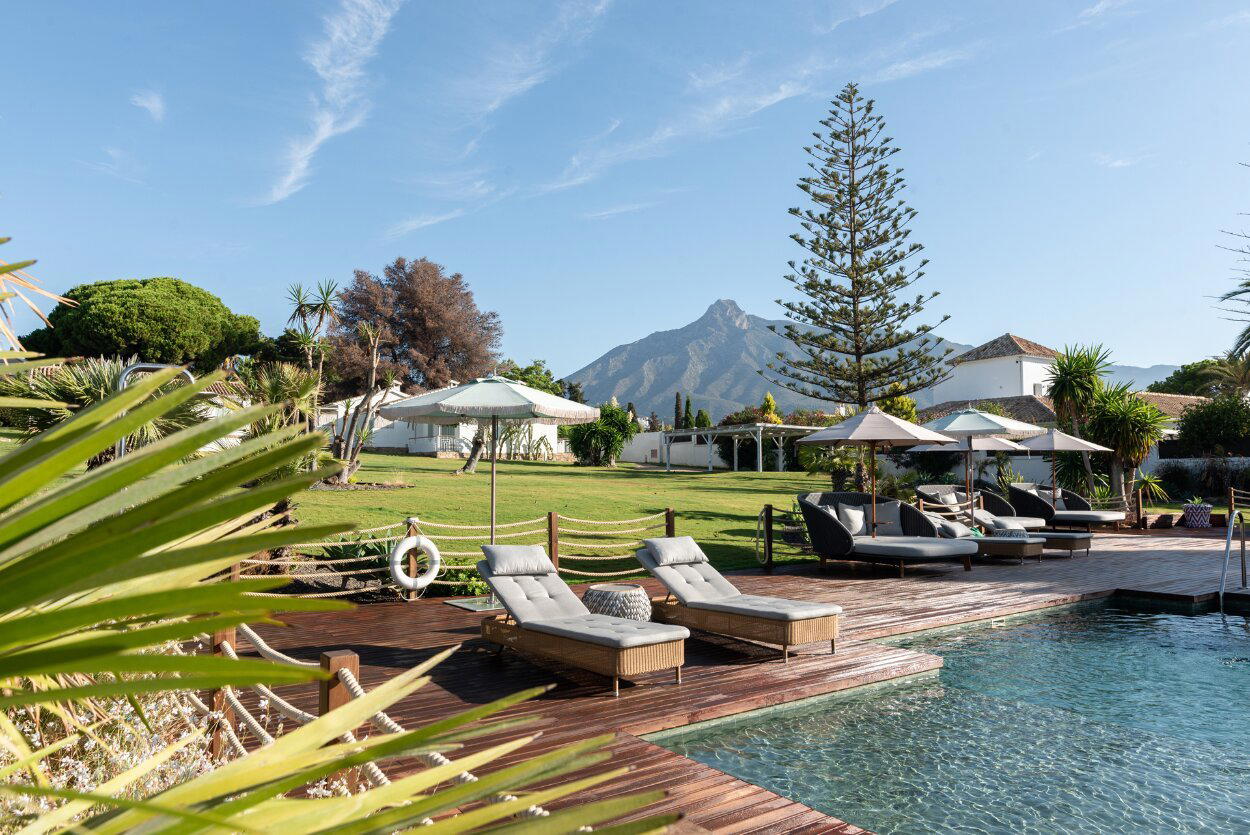
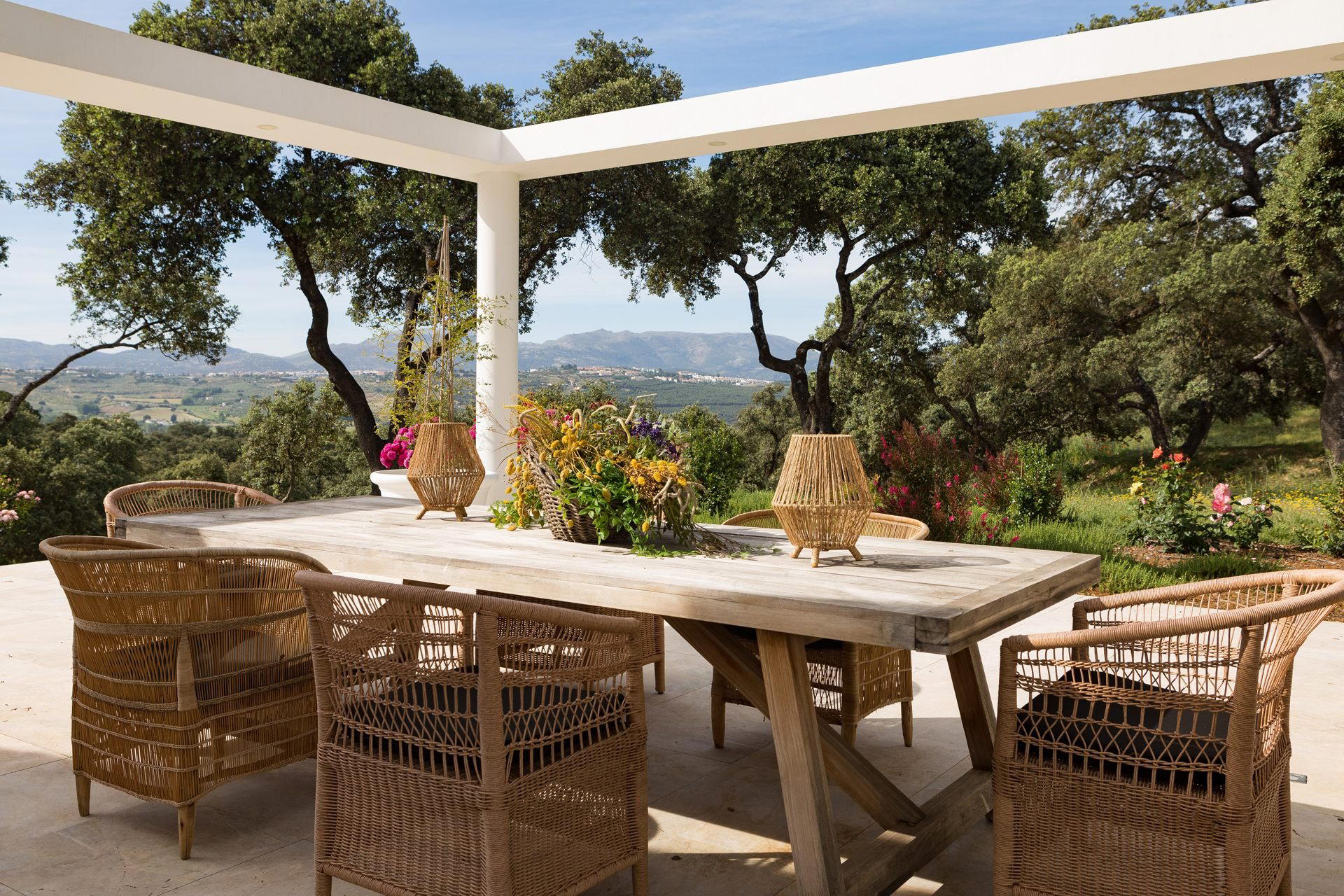
In Marbella, the outdoor element takes on a disproportionate importance. The Costa del Sol's climate means that evening dining from late spring through early autumn is primarily an open-air or terrace experience, and the ambient conditions of a warm Andalusian night shift how the same food and service read. Ambient sound shifts from interior acoustics to the layered outdoor noise of a resort in high season: conversation, distant music, the particular energy of a crowd that has arrived to be seen as much as to eat. That social atmosphere is part of the product, not incidental to it, and it separates Nobu Marbella from the quiet concentration of a serious tasting-menu room.
A Format in Its Broader Spanish Context
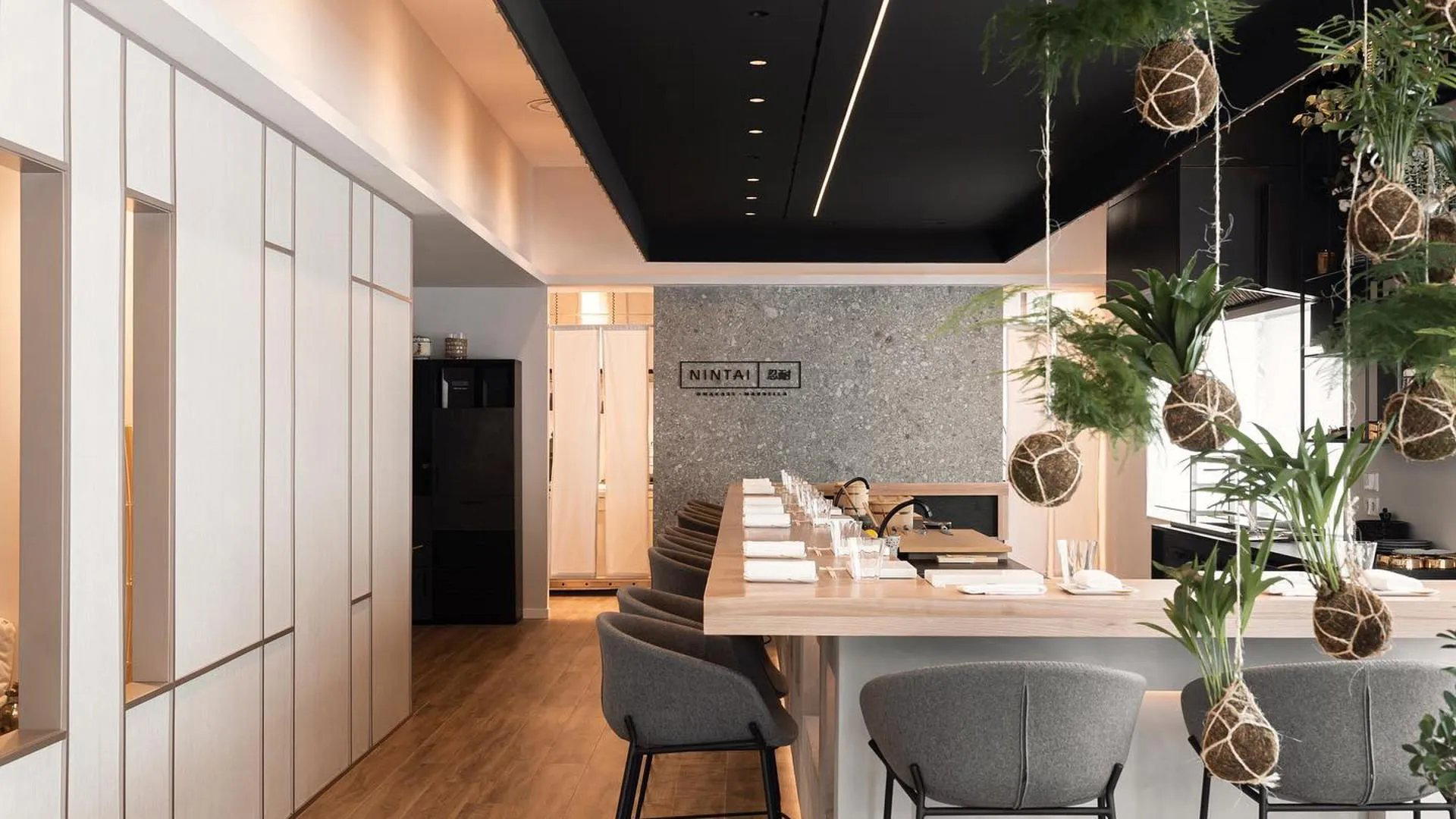
Spain has an unusually dense concentration of serious dining destinations relative to its population, anchored by institutions like El Celler de Can Roca in Girona, Arzak in San Sebastián, DiverXO in Madrid, Quique Dacosta in Dénia, and Aponiente in El Puerto de Santa María, as well as Basque country destinations such as Azurmendi in Larrabetzu. Marbella itself occupies an interesting position within Spanish dining: not a culinary capital in the way that San Sebastián or Barcelona is, but a resort city with sufficient spending power to sustain a range of formats from casual beach clubs through to tasting-menu rooms. The local competition across Japanese formats includes TA-KUMI and Nintai, both of which operate at a more focused, single-concept level.
Nobu's recognition by Opinionated About Dining places it inside a specific peer conversation. Moving from rank #526 in 2024 to #647 in 2025 within that European list is a decline, though the ranking tier itself still represents meaningful recognition.
For those whose Marbella itinerary runs beyond Japanese cuisine, the city offers formats that cover different ground. Skina pursues seasonal Andalusian at the fine-dining level, while Messina and BACK represent Marbella's modern creative cooking strand.
The Japanese-Peruvian Template and What It Delivers
The cuisine format that made the Nobu brand a global reference, Japanese technique applied to Peruvian ingredients and flavour combinations, with South American citrus and heat modifying the clean umami registers of raw fish preparations, has been widely replicated over the past two decades, to the point where Nikkei cooking has its own distinct critical category in European cities. What the original template established in the 1990s no longer reads as novel. In 2025, the interest lies in execution quality and consistency rather than the format itself. In a resort context like Marbella, where the dining population tilts heavily toward visiting rather than local guests, the brand recognition does specific work: it functions as a legibility signal for an international crowd that may have eaten at Nobu in London, Dubai, or Miami and knows roughly what the experience offers.
That brand familiarity is both the strength and the limitation of the format. It removes uncertainty for a certain kind of diner. It also means that for guests primarily motivated by place-specific cooking, Nobu's global consistency operates against the pull of the local.
Practical Details for Planning a Visit
The restaurant operates every day of the week, with service running from 7 pm to 12:30 am throughout the week including weekends. The late closing time aligns with Marbella's characteristically delayed dining rhythm. The address on Avenida Bulevar Príncipe Alfonso von Hohenlohe sits on the Golden Mile stretch west of the old town, accessible by taxi from central Marbella in under ten minutes. The Marbella Club setting means that hotel guests on-site have a direct walk; visitors staying elsewhere should factor in that the surrounding street context is low-density resort rather than walkable urban.
Standing Among Peers
Comparable venues nearby, for context on price, style, and recognition.
| Venue | Cuisine | Price | Awards | Notes |
|---|---|---|---|---|
| Nobu MarbellaThis venue — the venue you are viewing | Japanese-Peruvian Fusion | $$$$ | Not listed | Not listed |
| Leña | Modern Spanish Grill | $$$ | Not listed | Puente Romano Beach Resort |
| Bibo Dani Garcia | Modern Spanish Brasserie and Tapas | $$$$ | Not listed | Puente Romano |
| TA-KUMI | Modern Japanese Omakase & Fusion | $$$$ | Michelin Plate | Old Town Marbella |
| Grill at the Marbella Club | Mediterranean Grill | $$$$ | Not listed | Golden Mile |
| Candeal | Modern Castilian Fine Dining | $$$$ | Michelin Plate | old town |
Recognition history
Dated appearances from independent guides and award organizations, with the underlying list record or original source where available.
Falstaff Restaurant - 94 Falstaff Points
Falstaff
Macarfi 7.8 Food Rating
Macarfi
Opinionated About Dining Top Restaurants in Europe Recommended
Opinionated About Dining
Opinionated About Dining Top Restaurants in Europe Ranked #647
Opinionated About Dining
Opinionated About Dining Top Restaurants in Europe Ranked #526
Opinionated About Dining
Continue exploring
More in Marbella
Restaurants in Marbella
Browse all →
Bars in Marbella
Browse all →

Hotels in Marbella
Browse all →

At a Glance
- Elegant
- Sophisticated
- Trendy
- Modern
- Date Night
- Special Occasion
- Business Dinner
- Terrace
- Hotel Restaurant
- Open Kitchen
- Sake Program
- Craft Cocktails
- Extensive Wine List
Current opening hours
- Monday
- 7 PM–2 AM
- Tuesday
- 7 PM–2 AM
- Wednesday
- 7 PM–2 AM
- Thursday
- 7 PM–2 AM
- Friday
- 7 PM–3 AM
- Saturday
- 7 PM–3 AM
- Sunday
- 7 PM–2 AM
Hours can change for holidays and private events. Last verified .
Sophisticated and energetic atmosphere with sleek contemporary decor, nice ambience, and terrace overlooking the plaza.