
Sweet Basil places Osaka’s Thai and curry dining inside the city’s broader appetite for casual precision rather than ceremony. Its Tabelog Asian and Ethnic WEST 100 selections in 2022, 2023, and 2024 give it a clear credential, while the Fukushima location positions it away from the heaviest tourist circuits and closer to Osaka’s everyday restaurant rhythm.
Pearl is the En Primeur Club membership app — saves, bookings, and concierge access live there. Same editors, same standards.
- Address
- Japan, 〒531-0075 Osaka, Kita Ward, Oyodominami, 1 Chome−11−9 2F
- Phone
- +81 6-6458-1105
- Website
- hotpepper.jp
 Saves & bookings on Pearl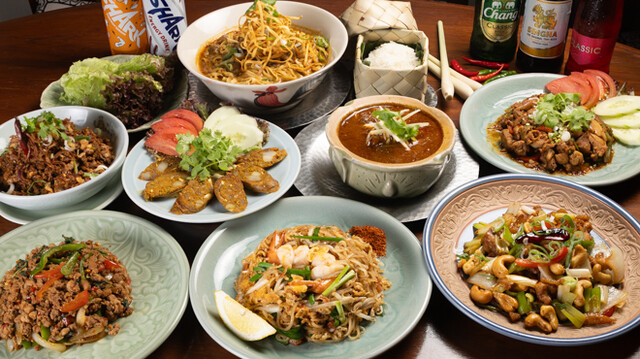
Fukushima’s restaurant streets move at a different tempo from Namba or Umeda’s brighter dining corridors: less spectacle, more second-floor signs, short staircases, compact rooms, and regulars who know their order before arriving. That context matters for Thai food in Osaka, where the category has shifted from imported novelty to an established part of the city’s casual restaurant vocabulary. Sweet Basil belongs to that evolution: not a luxury room or street-food replica, but a specialist address built on consistency, category focus, and repeat recognition.
Osaka’s dining identity is often reduced to takoyaki, okonomiyaki, kushikatsu, and counter sushi, but the stronger story is appetite without excessive formality. Thai restaurants fit neatly, offering heat, acidity, herbs, curry, rice, and communal pacing in a city that values momentum. Sweet Basil has a firmer claim than a standard neighborhood Thai room because it was selected for Tabelog’s Asian cuisine and Ethnic cuisine WEST 100 in 2022, 2023, and 2024. That run matters more than one annual badge; it signals durability in a category where trend-driven openings fade quickly.
Thai and curry in Osaka have grown up without losing their casual edge
The more interesting shift in Osaka’s non-Japanese dining has not been fine-dining imitation, but the normalization of specialist everyday restaurants: Thai curry, Vietnamese cooking, regional Chinese, Korean barbecue, Neapolitan pizza, and small Italian rooms using serious technique at approachable spend levels. Sweet Basil sits in that middle ground, where the category is taken seriously without making dinner feel like an event.
That places it beside a broader Osaka pattern. A bakery such as 52CHO-ME BAKERY, a casual institution like 551 Horai (551蓬莱), and a specialist pizzeria such as 99 Pizza Napoletana Gourmet point to the same local habit: Osaka diners reward places that understand a narrow lane and execute it repeatedly. The comparison is format discipline, not cuisine. Sweet Basil’s Thai and curry focus fits the culture that makes room for a canto (Italian) and smaller category specialists, not only headline-grabbing tasting menus.
The Tabelog score of 3.67 also needs local context. On Japanese restaurant platforms, scores above the mid-threes can indicate substantial user confidence, especially outside the Michelin-style fine-dining bracket. The Asian and Ethnic WEST 100 selection is the stronger signal, but the score supports the idea that this is not a visitor curiosity after several Japanese meals. It is part of the city’s functioning dining ecosystem.
Fukushima gives the room a useful distance from Osaka's obvious routes
Fukushima has become one of Osaka’s better neighborhoods for visitors who want density without Dotonbori’s theme-park energy. Close enough to Umeda for a central Osaka itinerary, its dining streets feel more local in scale: izakaya, wine bars, ramen counters, small restaurants above ground level, and rooms that fill because people return, not because they were photographed outside.
The restaurant benefits from that geography. Thai food in a second-floor Fukushima setting reads differently from the same cooking in a major-station basement or mall dining floor. It becomes a neighborhood decision, not a convenience stop. For a food-led Osaka trip, that distinction helps. The city rewards movement across micro-areas, and Fukushima is an easy addition to a Umeda-based evening, especially for diners who want a meal beyond the heavier fried-and-griddled canon associated with central Osaka.
Osaka dining now favors hybrid nights: one specialist restaurant, then a nearby bar or coffee stop, rather than a single long-form dinner. The restaurant fits before a low-key drinking plan, after an afternoon around Umeda, or as a break in a trip built around sushi, kappo, and counter cooking. For broader planning, Our full Osaka restaurants guide maps the city’s dining range, while Our full Osaka bars guide and Our full Osaka hotels guide place Fukushima within a wider evening. Travelers building beyond meals can also use Our full Osaka experiences guide and Our full Osaka wineries guide as companion references.
The appeal is category confidence, not reinvention theater
The strongest way to understand the restaurant is restraint of ambition: not restraint in flavor, but in positioning. Osaka has plenty of restaurants trying to look more ambitious than they are; this address does the opposite, taking a familiar category and proving recognition can come through repeatability rather than reinvention theater. Its WEST 100 selections across three consecutive years make that point cleanly.
Among comparison venues in and around Osaka, Miwa Tei operates at a lower listed spend level, while Chinese Sai Oil shares a similar dinner band. Those markers show where the restaurant sits: above the cheapest ethnic-dining tier, below special-occasion fine dining, and aimed at guests who care more about a dependable category specialist than a ceremonial room. That middle tier is increasingly important in Japanese cities, where weekday regulars, groups of friends, and food-focused travelers overlap.
For readers comparing Japanese dining categories nationwide, the restaurant shows why “ethnic cuisine” lists in Japan deserve attention. They gather restaurants often excluded from export-facing narratives of Japanese dining, yet reveal how cities actually eat. The same curiosity that might send a diner toward (Shoku) Vietnam in Kawasaki, [Curry Senmon Ten] Maruyama Kyoju. in Sapporo, [ki:] in Kyoto, or.know in Kumamoto applies here too. These restaurants widen the frame beyond the predictable omakase-and-kappo circuit.
That wider frame is useful internationally. A Los Angeles sake bar such as Jōdo Saké Bar in Los Angeles or a compact rice-focused address like Onigiri Time in Pasadena shows how Japanese food culture travels outward; the restaurant shows the inverse, how regional Asian cooking is absorbed into a Japanese city’s restaurant grammar. The same logic connects to domestic contrasts, from -Grilled beef Sukiyaki- KAMAKURA TANUKIAN 鎌倉 たぬき庵 in Kamakura to. 鮪と炭火焼き うお炭 秋葉原店 in Tokyo and even a quiet coffee stop such as.cafe. Strong dining cities are built as much by category specialists as by trophy counters.
The restaurant is therefore a smart Osaka choice for travelers who have covered the city’s obvious signatures and want proof of how the local scene has broadened. Its value lies in the intersection of Thai cooking, curry culture, Fukushima’s neighborhood scale, and repeated category recognition. That combination gives the restaurant a clearer editorial role than another generic “good Thai” recommendation: it shows Osaka’s dining evolution in practical, appetite-led form.
Price and Positioning
Comparable options at the same price tier.
| Venue | Cuisine | Price |
|---|---|---|
| Sweet BasilThis venue — the venue you are viewing | Kita, Authentic Thai Restaurant | $$ |
| BOULANGERIE BURDIGALA Oosaka ten | Kita, French bakery & café | $$ |
| Stand Tiger Lily | Kita, Standing Teppan Izakaya & Bar | $$ |
| Edobori Kida | Nishi, Dining | Not listed |
| .cafe | Nishi, Japanese Animal Cafe | $$ |
| Kitahama Choji | Chūō, Donburi-style Japanese curry | $$ |
Recognition history
Dated appearances from independent guides and award organizations, with the underlying list record or original source where available.
Tabelog 100 #96 · No. 96
Tabelog · Tabelog 100 - Asian cuisine / Ethnic cuisine - WEST - 2024
Continue exploring
More in Osaka
Restaurants in Osaka
Browse all →

Bars in Osaka
Browse all →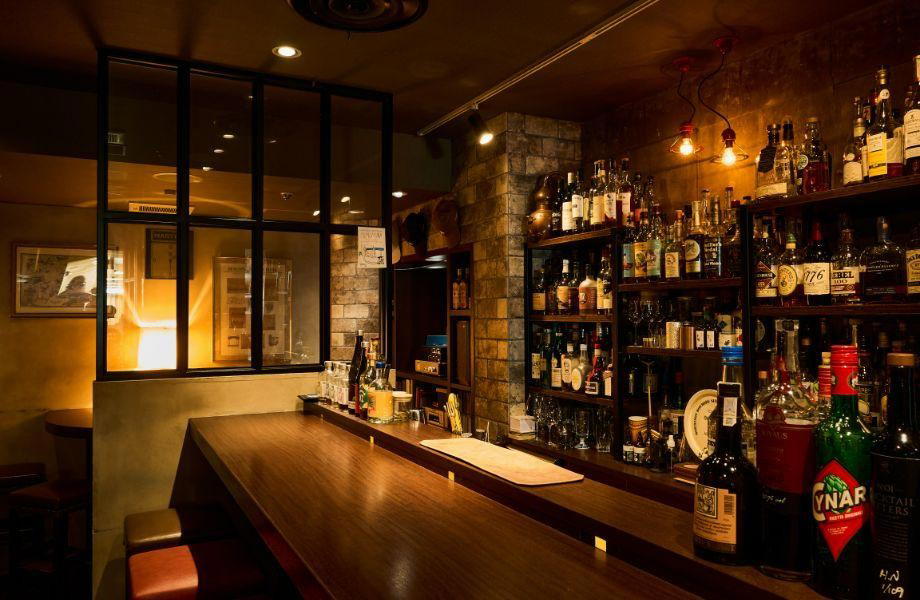
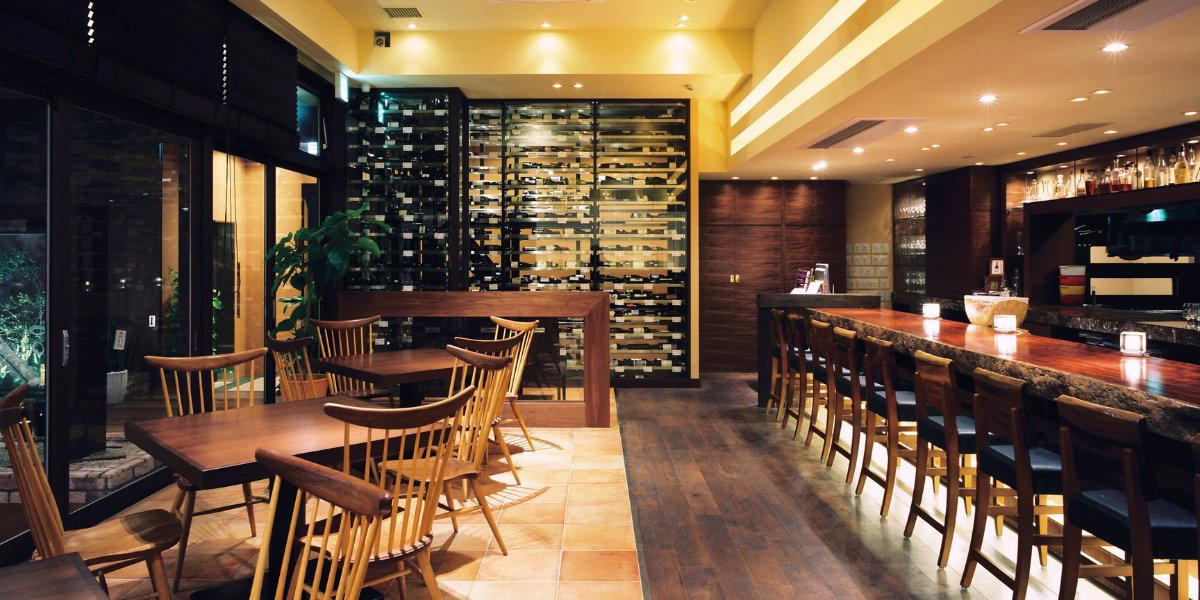
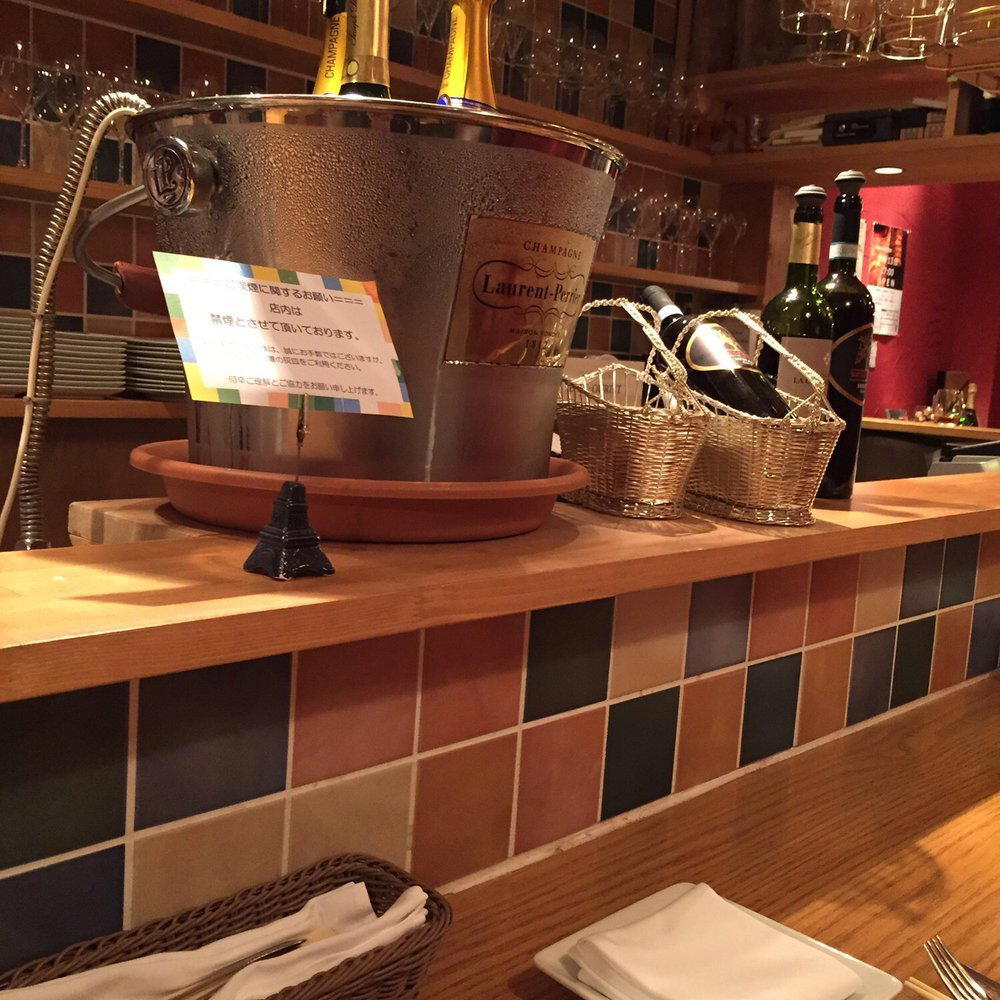
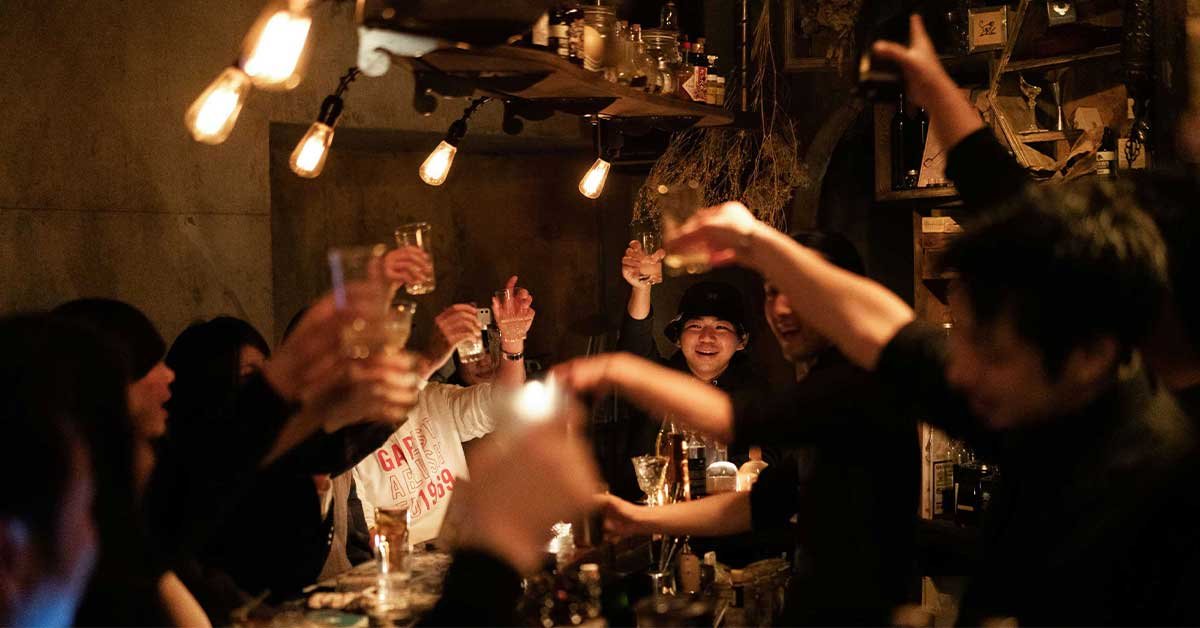
Hotels in Osaka
Browse all →


Wineries in Osaka
Browse all →
At a Glance
- Lively
- Cozy
- Intimate
- Group Dining
- Family
- Casual Hangout
- After Work
- Date Night
- Celebration
- Standalone
- Panoramic View
- Extensive Wine List
- Skyline
Current opening hours
- Monday
- 11:30 AM–2 PM, 5:30–10 PM
- Tuesday
- Closed
- Wednesday
- 11:30 AM–2 PM, 5:30–10 PM
- Thursday
- 11:30 AM–2 PM, 5:30–10 PM
- Friday
- 11:30 AM–2 PM, 5:30–10 PM
- Saturday
- 11:30 AM–2 PM, 5:30–10 PM
- Sunday
- 11:30 AM–2 PM, 5:30–10 PM
Hours can change for holidays and private events. Last verified .
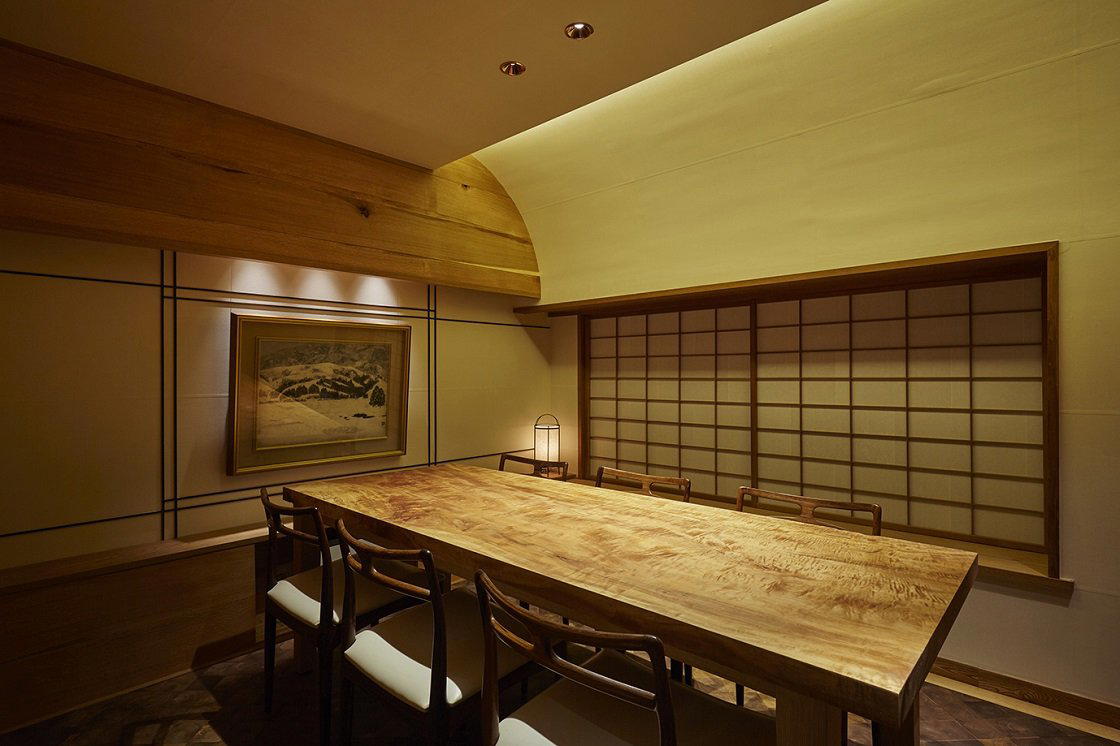
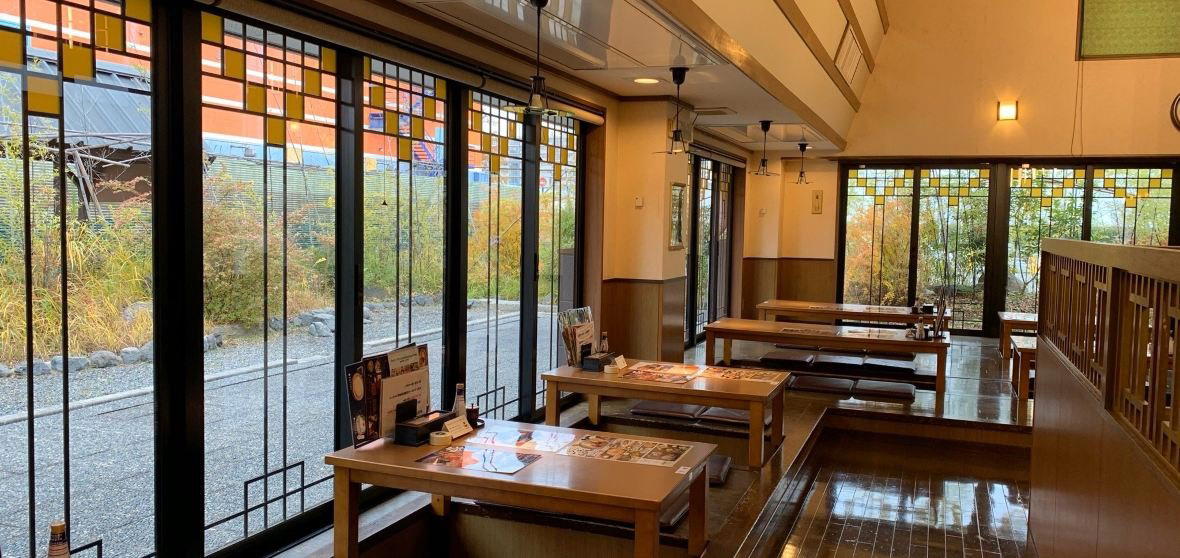
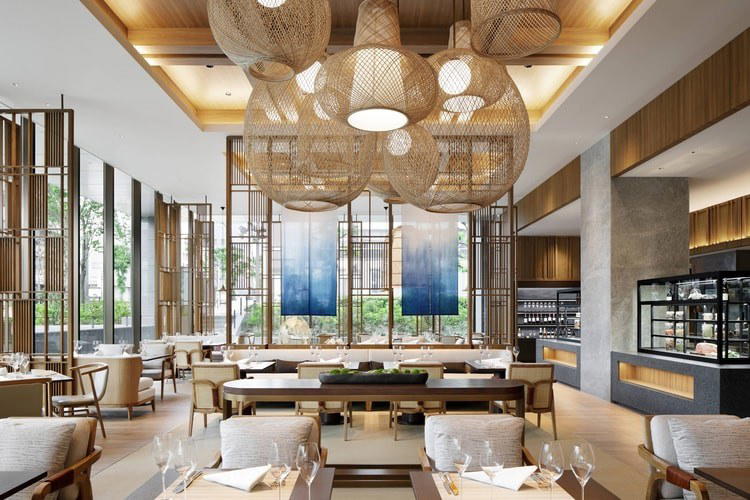
An Asian resort-style interior with warm, relaxed lighting and an at-home feel; lively and bustling during peak times but still comfortable for friends, families, and casual dates.