Our verdict
Svinvik Gard sits on a working farm in Kvanne, a small municipality in the Møre og Romsdal region of western Norway, where the land and surrounding fjord landscape define what reaches the table. The farm-to-table logic here is structural rather than decorative, sourcing runs through the property itself and its immediate valley. For travellers moving through coastal and inland Norway, it represents a different register from the tasting-menu circuit in Oslo or Trondheim.

Pearl is the En Primeur Club membership app, where members save venues, book tables and use the concierge.
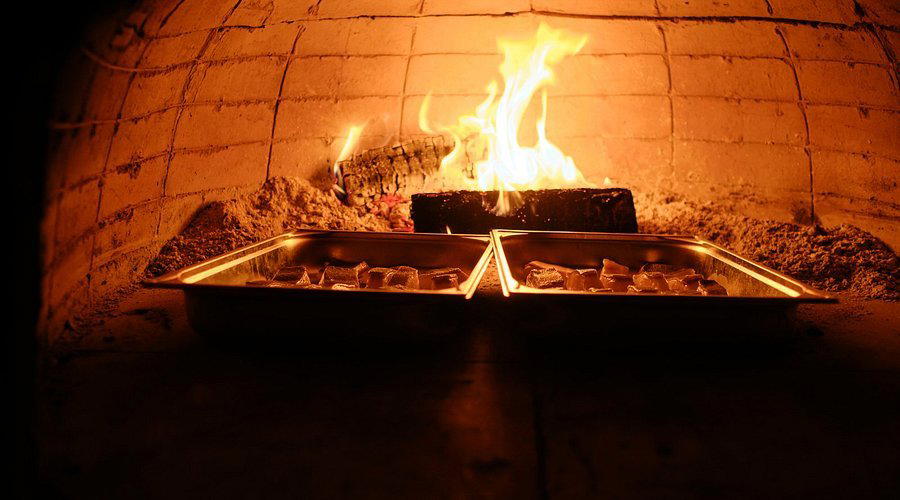
Farm, Valley, Fjord: The Supply Chain That Defines Kvanne Dining
Norway's most-discussed restaurants operate in its cities: Maaemo in Oslo, RE-NAA in Stavanger, FAGN in Trondheim. These are destination counters built around chef-driven tasting menus and Michelin recognition. But the ingredient logic that gives those menus their credibility, short supply chains, named producers, hyper-local provenance, runs deeper in the Norwegian countryside, where the source itself is the destination. Kvanne, a small settlement in the Todalen valley within Møre og Romsdal, sits in that category. Svinvik Gard is a working farm at address Todalsvegen 823, and the geography that surrounds it, river valleys feeding into Sunndalsfjord, mountain terrain that compresses the growing season, is the context that makes any visit meaningful.
In Norwegian farm dining, provenance isn't a marketing claim bolted onto an existing menu. It's the structural constraint around which everything else is organised. The farm dictates what is available, when it is available, and in what quantity. This is a different proposition from even the most ingredient-forward Nordic tasting menus in urban settings, where chefs source regionally but are not bound to a single property's output. Svinvik Gard belongs to a smaller, less formalised category of farm-table experiences that exist outside the Michelin framework altogether, closer in spirit to the agrarian hospitality traditions of western Norway than to the high-craft restaurant circuit.
What the Todalen Valley Produces
The Møre og Romsdal region has a compressed but intense growing season shaped by its coastal-mountain geography. Cold winters, long summer daylight hours, and the mineral-rich soils of glacier-carved valleys produce ingredients with pronounced character: root vegetables that develop concentrated sugars, grass-fed livestock with lean, flavourful meat, and freshwater fish from the rivers that run through the valley floor. These are not incidental details. For farm operations like Svinvik Gard, the valley's output determines the menu in a way that no urban kitchen can replicate, regardless of sourcing ambition.
The broader Norwegian farm-to-table tradition that this kind of property represents is worth understanding in comparative terms. Places like Hardanger House in Jondal operate in a similar register, properties where landscape and agricultural identity do more editorial work than kitchen technique alone. Further north, the conversation shifts to coastal sourcing: Anita's Sjomat in Lofoten and Fiskekrogen in Henningsvær draw their identity from proximity to Arctic fisheries rather than agricultural land. Svinvik Gard's position, inland, valley-bound, farm-anchored, places it in a distinct sub-category of Norwegian destination dining that prioritises terrestrial ingredients over seafood-forward coastal formats.
The Physical Setting as First Course
Arriving at a working farm in Kvanne is not the same as arriving at a rural restaurant that has styled itself to look pastoral. The approach along Todalsvegen puts the Todal river valley in close view, with the Sunndalsfjord visible to the south and mountain terrain rising on both sides. The farm infrastructure, fields, outbuildings, livestock areas, is present and functional, not decorative. This matters for the dining experience because it establishes the credibility of the provenance claim before anyone sits down. The distance between what is grown or raised on the property and what appears on the table is measurable in walking minutes rather than supply-chain logistics.
Farm settings of this kind in Norway tend to operate on seasonal rhythms that urban restaurants can approximate but not replicate. The window for visiting Svinvik Gard in its most productive season aligns with the Norwegian summer, when daylight stretches well past midnight in this latitude, growing conditions peak, and the valley is accessible without the complications of mountain-road winter conditions. Travellers planning visits to the region should treat the seasonal calendar as a genuine factor in when to come, not simply a background detail. The gap between a summer visit and an off-season one is not merely atmospheric, it is a difference in what the farm can actually offer.
Placing Svinvik Gard in the Wider Norway Circuit
For travellers already moving through Norway's more formally recognised restaurant scene, Svinvik Gard represents a deliberate change in register. The high-end New Nordic circuit, Maaemo's three Michelin stars, RE-NAA's sustained recognition in Stavanger, Under in Lindesnes with its submerged dining room, all operate within a framework of craft, technique, and critical validation. Svinvik Gard sits outside that framework, which is precisely its point of difference. The sourcing logic is not a technique layered onto a restaurant concept; it is the concept itself.
This positioning is not unusual in the broader Scandinavian context. Several of the most interesting food destinations in rural Norway function without formal awards recognition while still drawing serious food travellers. Aurora Restobar in Kirkenes, Brasserie 8622 in Mo i Rana, and Karoline Restaurant in Ramberg all sit outside the main tasting-menu conversation while still making a case for regional ingredient identity. For comparison beyond Norway, the farm-anchored sourcing model at its most refined connects to places like Le Bernardin in New York City in its absolute commitment to source quality, even if the format and price tier are entirely different. Atomix in New York City demonstrates how ingredient-led philosophy can coexist with high technique, a pairing that farm destinations like Svinvik Gard approach from the opposite direction, starting with the land and working forward.
Planning a Visit
Kvanne is reached via Todalsvegen from the E39 coastal highway, with Sunndalsøra the nearest service town. The area is not on a major transit route, and a private vehicle is the practical means of arrival for most visitors. For a broader map of eating and drinking in the region, our full Kvanne restaurants guide covers additional options and local context. Those building a wider Norway itinerary may also want to consider Experience Restaurant in Steinkjer, Umami Harstad in Harstad, and Børsen Spiseri in Svolvær as part of a northern and western Norway route. Underhuset Restaurant in Reine and Gaptrast in Bergen extend the picture for those covering the full western arc of the country.
Frequently asked questions
Does Svinvik Gard work for a family meal?
A working farm setting at Todalsvegen 823, Kvanne tends to suit families open to an unhurried, rural format rather than those expecting a conventional restaurant pace. The Todalen valley location means the journey itself, off the E39 via Sunndalsøra, is part of the occasion, which works well when children are along for the trip. Confirm group size and any specific needs directly with the property before making the drive.
Is Svinvik Gard better for a quiet night or a lively one?
Given its position on Todalsvegen in the Kvanne valley, well outside any urban centre, Svinvik Gard operates at a deliberate remove from city-style dining energy. The farm context points toward an intimate, low-key evening rather than anything resembling a social scene. Travellers seeking atmosphere in the conventional sense should factor in that Sunndalsøra is the nearest service town.
How far is Svinvik Gard from the E39 coastal highway, and what is the best approach?
Svinvik Gard is addressed at Todalsvegen 823, Kvanne, reached by turning inland from the E39 coastal highway toward the Todalen valley, with Sunndalsøra serving as the nearest town for fuel, accommodation, and services. The route runs through Møre og Romsdal's interior, where road conditions vary significantly by season. Travelling outside summer months warrants checking current road status before departure.
What dish is Svinvik Gard famous for?
No specific dish is publicly documented for Svinvik Gard at this time. What is known is that the farm sits within the Møre og Romsdal region, where a short but intense growing season shaped by coastal-mountain geography drives producers toward preserved, cured, and cold-stored ingredients. Any menu here would logically reflect what the Todalen valley itself produces across the season.
What part of town is Svinvik Gard in?
Svinvik Gard is located at Todalsvegen 823, 6640 Kvanne, Norway, Kvanne.
Should I book Svinvik Gard in advance?
Kvanne is not on a major transit route, and Svinvik Gard at Todalsvegen 823 is a deliberate destination rather than a drop-in option, arriving without prior arrangement at a working farm in this part of Møre og Romsdal carries real risk. Contacting the property before making the drive from the E39 is straightforward prudence. No booking platform or public reservation system is currently listed for the venue.
In Context: Similar Options
Comparable venues nearby, for context on price, style, and recognition.
| Venue | Cuisine | Awards | Notes |
|---|---|---|---|
| Svinvik GardThis venue (the venue you are viewing) | Nordic Seasonal Fine Dining | Not listed | Not listed |
| Gaustablikk | Modern Nordic Brasserie | Star Wine List | Rjukan |
| Smakeriet | Grill-focused Beefbar with Meat and Seafood | Star Wine List | Geilo village |
| Vino Bar | Wine Bar with Italian Charcuterie | Not listed | Ålesund center |
| Sjøbua | Norwegian Seafood Grill | Not listed | Brosundet |
| Restaurant Bro | Modern Norwegian Coastal Gastronomy | Not listed | city center |
Details
- Scenic
- Rustic
- Cozy
- Intimate
- Classic
- Date Night
- Special Occasion
- Celebration
- Private Event
- Garden
- Historic Building
- Standalone
- Extensive Wine List
- Farm To Table
- Local Sourcing
- Garden
- Mountain
- Set Menu
Quiet, warm, and rustic with a charming modern feel inside historic timber barn walls.