Sushiya 寿し也
Our verdict
Sushiya (寿し也) on Dalry Road occupies a particular position in Edinburgh's dining map: a Japanese restaurant operating outside the city centre's premium cluster, in a neighbourhood better known for everyday provisions than destination dining. For visitors tracking Japanese technique across the UK, the address sits at a notable remove from the ££££ Modern European rooms that define Edinburgh's Michelin tier.

Pearl is the En Primeur Club membership app, where members save venues, book tables and use the concierge.
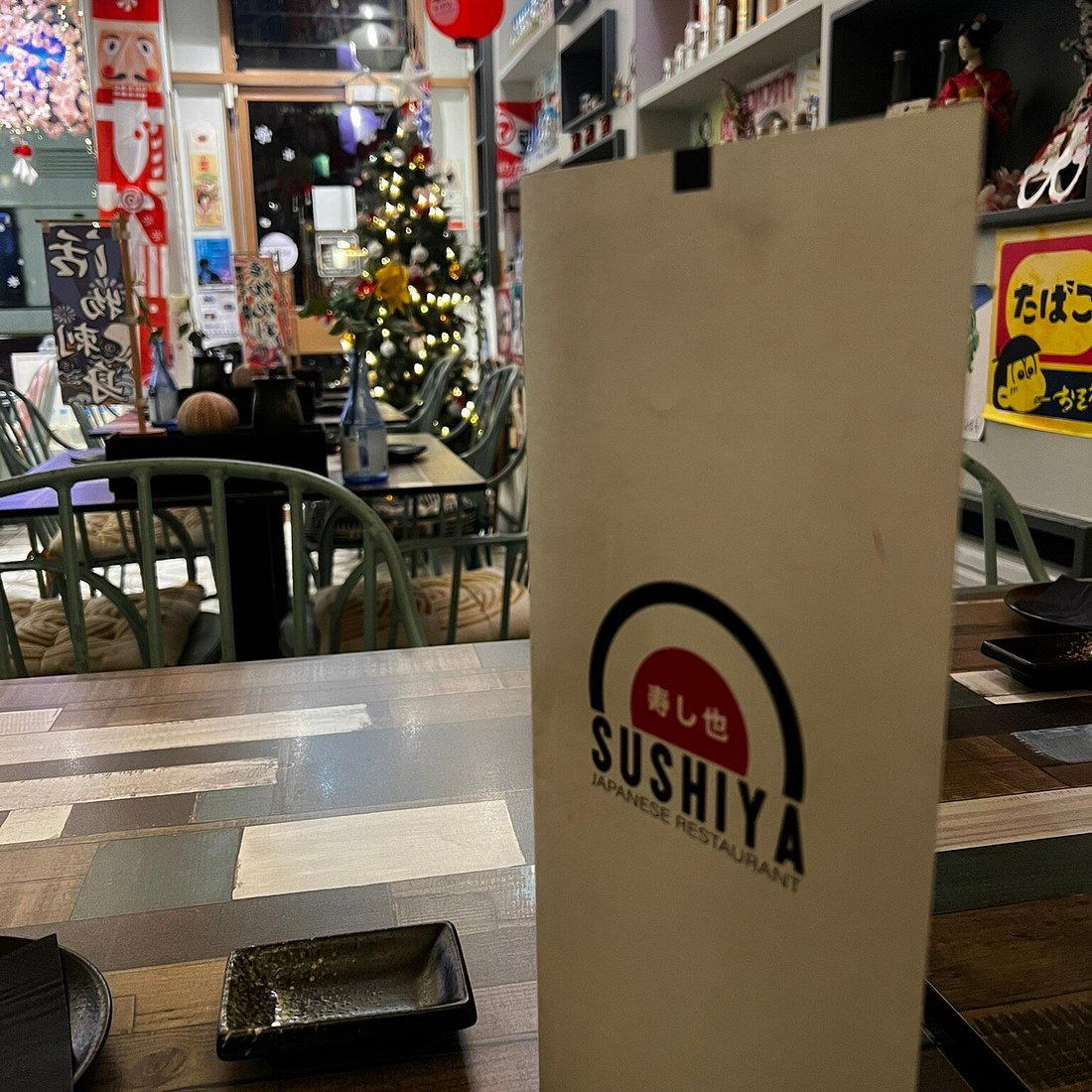
Dalry Road and the Geography of Edinburgh's Japanese Dining
Edinburgh's restaurant geography tends to concentrate its most scrutinised addresses in a corridor running from Leith through the New Town and into the Old Town. The restaurants that attract sustained critical attention, including Martin Wishart, The Kitchin, and Condita, sit broadly within that band. Dalry Road, where Sushiya 寿し也 occupies number 93, belongs to a different register entirely. It is a working neighbourhood thoroughfare, serving residents rather than visitors, and its dining offer reflects that orientation.
That positioning matters when thinking about what Japanese cooking looks like in a mid-sized British city without a large Japanese resident community. Unlike London, where dedicated Japanese districts sustain everything from conveyor-belt canteens to high-spec omakase counters, or New York, where venues like Atomix operate within a dense ecosystem of Japanese-influenced fine dining, Edinburgh's Japanese restaurant scene is thinner and more dispersed. The city's premium dining spend flows, predictably, toward the Modern European and Modern British formats that hold Michelin recognition, places like AVERY and Timberyard. Japanese cooking, in this context, tends to occupy a neighbourhood niche rather than a destination-dining slot.
Lunch vs. Dinner: How the Divide Shapes a Neighbourhood Japanese Room
In neighbourhood Japanese restaurants across the UK, the lunch-dinner divide is often more pronounced than in their European counterparts. Lunch services tend to run as fixed, efficient formats: set menus built around rice dishes, noodles, or a limited sushi selection, priced to attract local workers and residents rather than travellers with dedicated dining budgets. The evening service typically stretches the offer, adding à la carte sushi and sashimi options, cooked dishes, and sometimes a small sake or Japanese whisky selection that doesn't appear at midday.
This split reflects a practical reality. A neighbourhood sushi restaurant on a residential road is not competing against the ££££ tasting-menu rooms that absorb Edinburgh's fine-dining spend. It is competing against local pubs, Italian trattorias, and other accessible-format restaurants for the same catchment. Lunch is where that competition is sharpest, so the format tends toward value and speed. Evening service can afford to slow down and add register.
For the traveller arriving specifically to eat, this has a direct implication: the evening visit, even at a neighbourhood-tier address, is almost always the version that shows the kitchen's fuller range. At venues like Sushiya, where the culinary tradition demands precise knife work and careful sourcing regardless of price point, the dinner service is where those decisions are most visible on the plate.
By contrast, lunch at this kind of address can offer genuine value relative to what the evening menu delivers. The gap between a weekday lunch set and a dinner order at a neighbourhood Japanese restaurant in Edinburgh is typically significant enough to make lunchtime the rational choice for diners who are passing through the city rather than making a dedicated pilgrimage. Both services at a well-run room should show consistent rice quality and fish sourcing; it is the depth and elaboration of the experience that shifts.
Understanding Sushiya 寿し也 requires some calibration against what Japanese dining looks like at other points on the UK spectrum. At the high end of that spectrum, venues in London and the South East operate with sourcing networks, seat counts, and price points that compete with Tokyo's own omakase tier. The UK also has a growing mid-market cohort of Japanese restaurants in regional cities, occupying a price bracket accessible to the local population but still delivering credible technique.
Scotland's position in that hierarchy is shaped partly by its fish sourcing. Scottish seafood, particularly from the west coast and the Northern Isles, is genuinely exceptional by any European standard. The same supply chains that feed Le Bernardin in New York City and the great British rooms like L'Enclume in Cartmel and Moor Hall in Aughton draw on Scottish waters. A Japanese restaurant in Edinburgh, even at neighbourhood scale, has access to raw material that would be expensive to replicate in a landlocked city. Whether any given kitchen capitalises on that proximity is a function of its buying relationships and operational discipline, not geography alone.
The comparison matters because it frames what the category can deliver in Edinburgh, even without the infrastructure of a Tokyo-trained omakase counter or the recognition of a venue like hide and fox in Saltwood or Midsummer House in Cambridge. The raw material conditions are favourable. The question is always one of execution.
Edinburgh's Non-Centre Dining Tier
Dalry is not where Edinburgh's visitors tend to eat, but that is not necessarily a mark against the restaurants there. Across British cities with strong destination-dining reputations, the most interesting neighbourhood-tier cooking often happens away from the postcodes that attract guidebook attention. The Michelin-starred cohort in Edinburgh, from the Leith waterfront rooms to the creative Modern Scottish formats in the New Town, occupies a distinct price band and a distinct social function. The neighbourhood tier, operating on residential roads with local regulars, runs to different rules.
For the visitor willing to move beyond the central dining cluster, neighbourhood restaurants offer a different kind of encounter: lower ceremony, faster pacing, and often a more direct relationship between the kitchen's actual sourcing decisions and what appears on the plate, without the mark-up that destination formats carry. Sushiya 寿し也 operates in that register. It is not positioned against Gidleigh Park or Waterside Inn or Le Manoir aux Quat'Saisons. It is positioned against other accessible Japanese restaurants in the city, and that is the appropriate frame for evaluating it.
Visitors building a fuller Edinburgh dining itinerary should cross-reference our full Edinburgh restaurants guide to calibrate where a Dalry Road Japanese address fits alongside the Michelin-tier rooms and the destination creative formats. Edinburgh's dining breadth is wider than its starred-restaurant list suggests, and the neighbourhood tier is part of that story.
Know Before You Go
- Address: 93 Dalry Rd, Edinburgh EH11 2AB, United Kingdom
- Pricing: Price range; expect neighbourhood-tier pricing below the ££££ Michelin-level rooms
- Getting There: Dalry Road is accessible by bus from the city centre; the address is a 15-20 minute walk from Edinburgh Waverley or Haymarket stations
- Timing: Lunch service typically offers better value than dinner at this format tier; evening visits give greater menu depth
- Note: Specific; verify directly before travelling
Frequently asked questions
What part of town is Sushiya 寿し也 in?
Sushiya 寿し也 is located at 93 Dalry Rd, Edinburgh EH11 2AB, United Kingdom, Edinburgh.
Is Sushiya 寿し也 worth visiting if I'm not staying near Dalry Road?
Dalry Road sits roughly two kilometres west of Edinburgh's Old Town, reachable on foot in under thirty minutes or by a short bus or taxi ride from the centre. The case for making the trip depends on what you are after: Edinburgh's Japanese dining options inside the tourist corridor are limited, and a neighbourhood room like Sushiya 寿し也 on EH11 operates for a local clientele rather than passing trade, which often signals a more settled kitchen. If the Edinburgh city-centre Japanese options have already been worked through, Dalry Road is a logical next address.
What do people recommend at Sushiya 寿し也?
Specific dish recommendations for Sushiya 寿し也 on Dalry Road are not consolidated in public records we can confirm, so the safest approach is to ask staff on arrival what is freshest that day. Neighbourhood Japanese restaurants in the UK at this tier typically anchor around sushi and set lunch formats, making those the logical starting points. Checking recent visitor reviews closer to your visit will give you the most current picture.
Do I need a reservation for Sushiya 寿し也?
No phone number or booking platform is listed publicly for Sushiya 寿し也 at 93 Dalry Road, which makes walk-in the most straightforward approach if no online reservation system is findable. Neighbourhood Japanese restaurants in Edinburgh outside the centre tend to be smaller rooms, so arriving early for lunch or dinner improves your chances at busy periods. If you locate a booking channel before your visit, reserving ahead removes the uncertainty.
What's the defining dish or idea at Sushiya 寿し也?
What the address on Dalry Road does signal is a Japanese restaurant positioned for the local Edinburgh west-side community rather than the tourist corridor, which in the UK context often means tighter, more focused menus and a kitchen that relies on repeat trade rather than footfall. That operational logic tends to produce consistency over novelty.
How does Sushiya 寿し也 handle allergies?
No allergy policy is documented for Sushiya 寿し也, and Japanese menus routinely involve soy, sesame, shellfish, and gluten across multiple preparation stages. Anyone with a serious allergy should check the venue's official channels before booking. Given that no phone number is currently listed publicly, reaching out via any discoverable email or social channel, or visiting in person ahead of your meal, is the most reliable route.
Does Sushiya 寿し也 justify its prices?
What context does provide: Japanese restaurants on Dalry Road operate in a neighbourhood where rent and footfall differ substantially from the New Town or Leith, which typically translates into keener pricing than Edinburgh's most scrutinised dining addresses. Visitor reviews on platforms like Google will give you the most current spend-per-head figures.
Similar Picks
Comparable venues nearby, for context on price, style, and recognition.
| Venue | Cuisine | Price | Notes |
|---|---|---|---|
| Sushiya 寿し也This venue (the venue you are viewing) | Authentic Japanese Omakase Sushi | Not listed | Not listed |
| UMI JAPANESE Chapel St | Japanese Ramen & Sushi | $20–30 | The Canongate |
| wagamama edinburgh lothian road | Modern Japanese Ramen | $20–30 | West End |
| Kuzina | Greek Street Food | $20–30 | Dalry |
| Civerinos Stockbridge | American Regional-Style Pizza | $20–30 | Stockbridge |
| Chez Jules | Classic French Bistro | $30–50 | New Town |
Continue exploring
More in Edinburgh
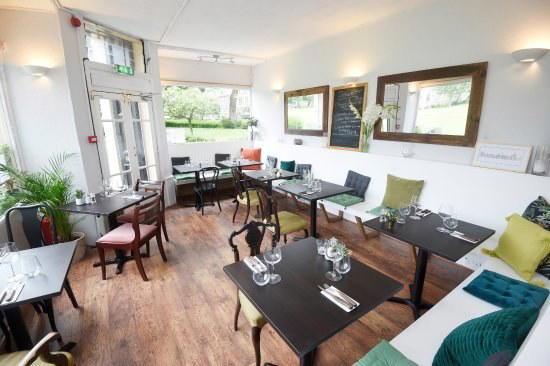
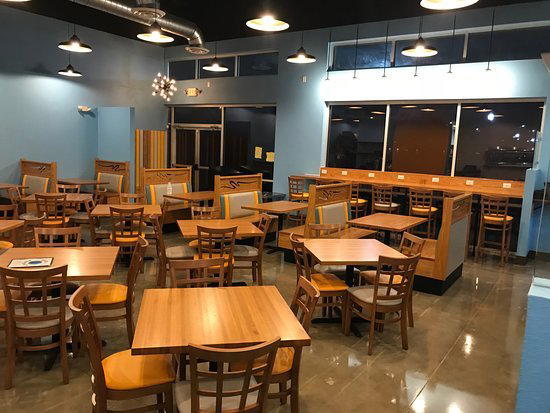
Restaurants in Edinburgh
All restaurants in Edinburgh →
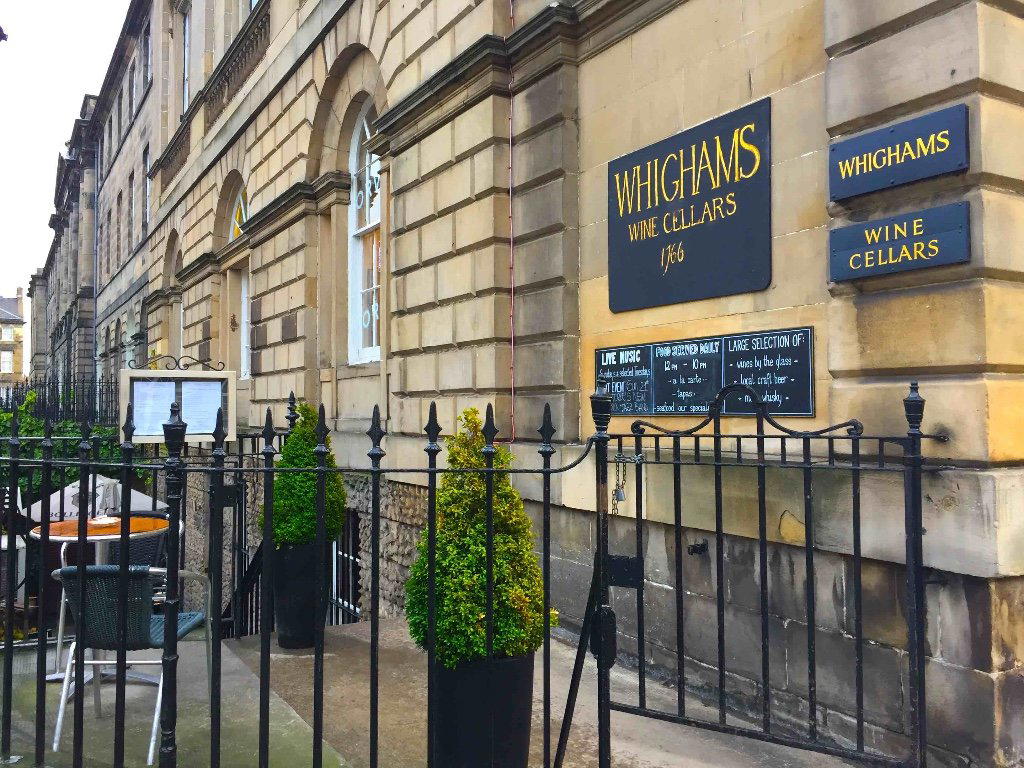
Bars in Edinburgh
All bars in Edinburgh →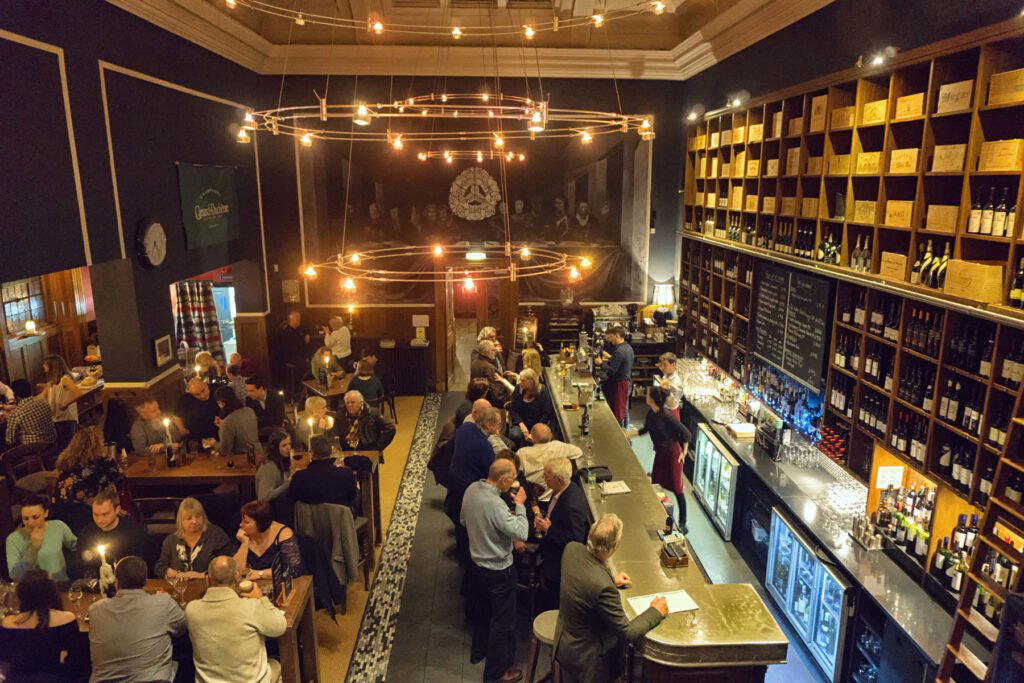




Details
- Cozy
- Intimate
- Date Night
- Special Occasion
- Chefs Counter
- Sake Program
- Omakase
- A La Carte
- Sake
- Vegetarian Friendly
- Vegan Options
Current opening hours
- Monday
- 6–10:30 PM
- Tuesday
- 12–2:30 PM, 6–10:30 PM
- Wednesday
- 12–2:30 PM, 6–10:30 PM
- Thursday
- 12–2:30 PM, 6–10:30 PM
- Friday
- 12–2:30 PM, 6–10:30 PM
- Saturday
- 12–10:30 PM
- Sunday
- 12–10:30 PM
Hours can change for holidays and private events. Hours as of .
Lovely and cosy atmosphere with beautifully prepared fresh sushi.