UMI JAPANESE Chapel St
UMI JAPANESE on Chapel Street sits within Edinburgh's Old Town fringe, where a small number of Japanese kitchens hold their own against the city's Michelin-weighted fine-dining scene. The address, a short walk from the University quarter, draws a crowd that ranges from locals seeking careful Japanese cooking to visitors working their way through the city's more considered independent restaurants.
Pearl is the En Primeur Club membership app — saves, bookings, and concierge access live there. Same editors, same standards.
- Address
- 12-14 Chapel St, Edinburgh EH8 9AY, United Kingdom
- Phone
- +44 7387 677377
- Website
- umiedinburgh.com
- Directions
- Get directions
 Saves & bookings on Pearl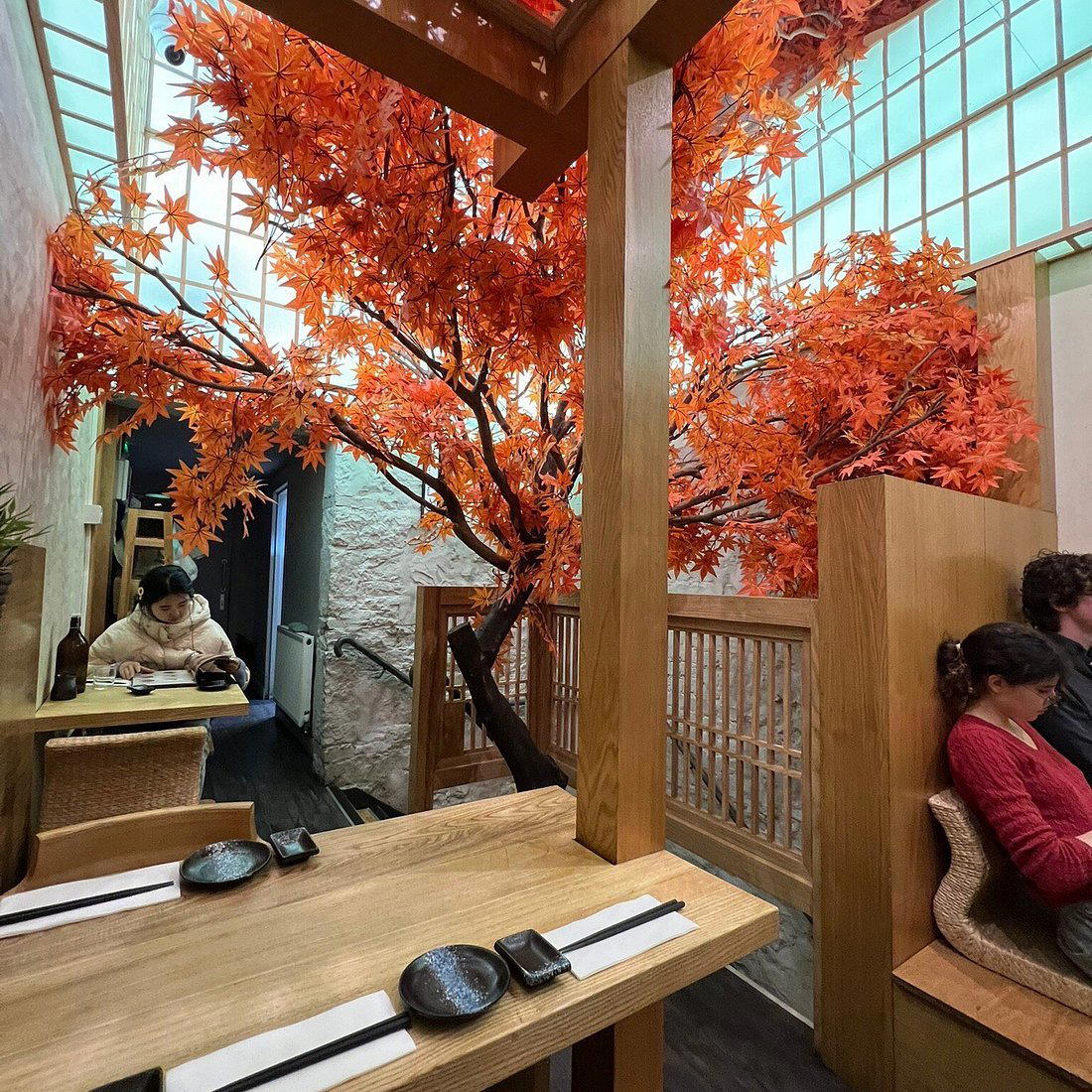
Japanese Cooking in a City That Takes Its Restaurants Seriously
Edinburgh's dining conversation is dominated by a cluster of destination-grade European kitchens. Martin Wishart, The Kitchin, Timberyard, AVERY, and Condita all operate at the upper end of the Modern European and Modern Cuisine tier, collectively giving the city a fine-dining depth unusual for its size. Japanese cooking occupies a different register entirely in this context. It does not compete directly with those kitchens on tasting-menu terms; instead, it offers an alternative grammar, precision applied to different ingredients, different service rhythms, different sensory expectations. On Chapel Street, a quiet road running through the University of Edinburgh quarter south of the Old Town, UMI JAPANESE holds that position: a Japanese kitchen operating in a neighbourhood where independent restaurants outnumber chains and where the clientele tends toward the specific rather than the casual.
The Feel of the Address
Chapel Street sits at an angle to the main south-side arterial routes, which gives it a different quality from the Old Town's more trafficked dining corridors. The area is primarily a residential and academic neighbourhood, which means foot traffic is local and purposeful rather than tourist-driven. Arriving on foot from the central city, you pass through the George Square academic precinct, which opens onto smaller streets with a quieter, more considered character. That neighbourhood register matters when assessing a Japanese restaurant: the genre tends to reward stillness and attention over spectacle, and the Chapel Street setting provides both.
The sensory register of good Japanese cooking at the table is particular. Clean, spare plating. The smell of dashi or bonito-enriched broth in a small, warm room. The sound of a kitchen working precisely rather than at volume. These are conditions that suit a neighbourhood address away from the high-footfall tourist circuits, and they frame why locations like Chapel Street become the natural home for independent Japanese kitchens in British cities, close enough to the centre to draw from the city's wider dining population, embedded enough in a local neighbourhood to build a repeat audience.
Where UMI Sits in Edinburgh's Japanese Dining Tier
Japanese cooking in the UK sits in a wide price and format band, from large-volume conveyor-belt operations through mid-market izakaya-style restaurants to the small number of high-ticket omakase counters that have emerged in London over the past decade. Edinburgh's Japanese restaurant market sits below the leading London omakase tier in price terms, but several Edinburgh addresses offer cooking that draws on genuine Japanese technique rather than westernised approximations. That distinction matters. A kitchen that handles rice correctly, that uses Japanese-sourced pantry items, and that applies restraint at the plating stage is operating at a different level from one that simply applies teriyaki gloss to protein and calls it Japanese.
UMI JAPANESE Chapel Street operates in the independent, neighbourhood-facing segment of that spectrum. It does not position itself against the Michelin-weighted European kitchens referenced above, Martin Wishart and The Kitchin are different category choices, but it does compete for the same dining hours as Condita and the more casual end of the Timberyard audience. The decision to eat Japanese rather than Modern British or Nordic is a deliberate one, and the question the kitchen has to answer is whether it gives that choice real substance.
The Case for Japanese Cooking in Edinburgh Right Now
British cities outside London have historically supported Japanese restaurants at a lower ceiling than their food-culture ambitions might suggest. That is shifting. The growth of specialist ingredient suppliers, the increase in trained kitchen staff with Japanese or Japanese-adjacent experience, and a dining public that has had more direct exposure to Japanese food through travel and media, all of these have raised the floor on what a serious Japanese kitchen outside London can credibly attempt. Cities like Edinburgh, with a concentrated university and professional population and a strong independent restaurant culture, are better placed than most to sustain that shift.
The comparison set worth watching here extends beyond Scotland. Across the UK, independently operated Japanese kitchens in non-London cities are beginning to draw the kind of critical attention that previously required a trip to the capital. Kitchens in Manchester, Bristol, and Edinburgh are working with Japanese technique at a level that would have seemed unlikely ten years ago. For context on what the format can achieve at its ceiling in the UK context, restaurants like hide and fox in Saltwood and Midsummer House in Cambridge show what sustained attention to precision and restraint produces in the British fine-dining register more broadly, even if they operate in different cuisines. Internationally, the high-end Japanese format is well documented at venues like Le Bernardin in New York City, where precision and product quality are the defining standards.
The Rest of the UK Fine Dining Map, for Reference
For readers building a broader travel itinerary around restaurant experiences, the UK's dining geography is worth mapping. Waterside Inn in Bray, CORE by Clare Smyth in London, L'Enclume in Cartmel, and Moor Hall in Aughton represent the Michelin three- and two-star category. Below that, kitchens like Gidleigh Park in Chagford, Hand and Flowers in Marlow, Opheem in Birmingham, and Ynyshir Hall in Machynlleth show the range of serious cooking available across Britain. Edinburgh's own contribution to that map is substantial; see our full Edinburgh restaurants guide for a complete view. UMI JAPANESE Chapel Street operates in a different category from all of these, but it belongs to the same broader cultural conversation about what rigorous, independent restaurant cooking looks like in British cities.
Planning a Visit
Chapel Street is reachable on foot from Edinburgh Waverley in around fifteen to twenty minutes through the Old Town and south toward Nicolson Street, or by bus along the south-side routes. The University of Edinburgh quarter is dense with independent cafes, wine bars, and restaurants, making the street a viable base for a wider evening in the neighbourhood rather than a single-stop dinner.
Standing Among Peers
Comparable venues nearby, for context on price, style, and recognition.
| Venue | Cuisine | Price | Notes |
|---|---|---|---|
| UMI JAPANESE Chapel StThis venue — the venue you are viewing | Japanese Ramen & Sushi | $$ | Not listed |
| wagamama edinburgh lothian road | Modern Japanese Ramen | $$ | West End |
| Nishiki | Japanese Izakaya with Japandi Fusion | $$ | West End |
| Whiski Rooms | Traditional Scottish | $$ | Old Town |
| wagamama edinburgh st andrew square | Japanese Ramen Bar | $$ | Greenside |
| wagamama fort kinnaird | Pan-Asian Noodles & Ramen | $$ | Bingham |
Continue exploring
More in Edinburgh
Restaurants in Edinburgh
Browse all →
Bars in Edinburgh
Browse all →


At a Glance
- Cozy
- Modern
- Intimate
- Casual Hangout
- Family
- Date Night
- Open Kitchen
- Sake Program
Current opening hours
- Monday
- 12–9:15 PM
- Tuesday
- 12–9:15 PM
- Wednesday
- 12–9:15 PM
- Thursday
- 12–9:15 PM
- Friday
- 12–9:45 PM
- Saturday
- 12–9:45 PM
- Sunday
- 12–9:15 PM
Hours can change for holidays and private events. Last verified .
Relaxed Japanese atmosphere with red lanterns, wooden booths, and a tranquil onsen-like feel.