On a quiet stretch of Runeberginkatu in Helsinki's Töölö district, Sushi wagocoro applies Japanese sushi technique to Nordic ingredients, occupying a niche that few Finnish restaurants attempt. The format sits closer to a focused omakase sensibility than to the conveyor-belt end of the market, making it a reference point for anyone tracking how Japanese culinary discipline translates into northern European produce.
Pearl is the En Primeur Club membership app — saves, bookings, and concierge access live there. Same editors, same standards.
- Address
- Runeberginkatu 63, 00260 Helsinki, Finland
- Phone
- +358 40 0299415
- Website
- facebook.com
- Directions
- Get directions
 Saves & bookings on Pearl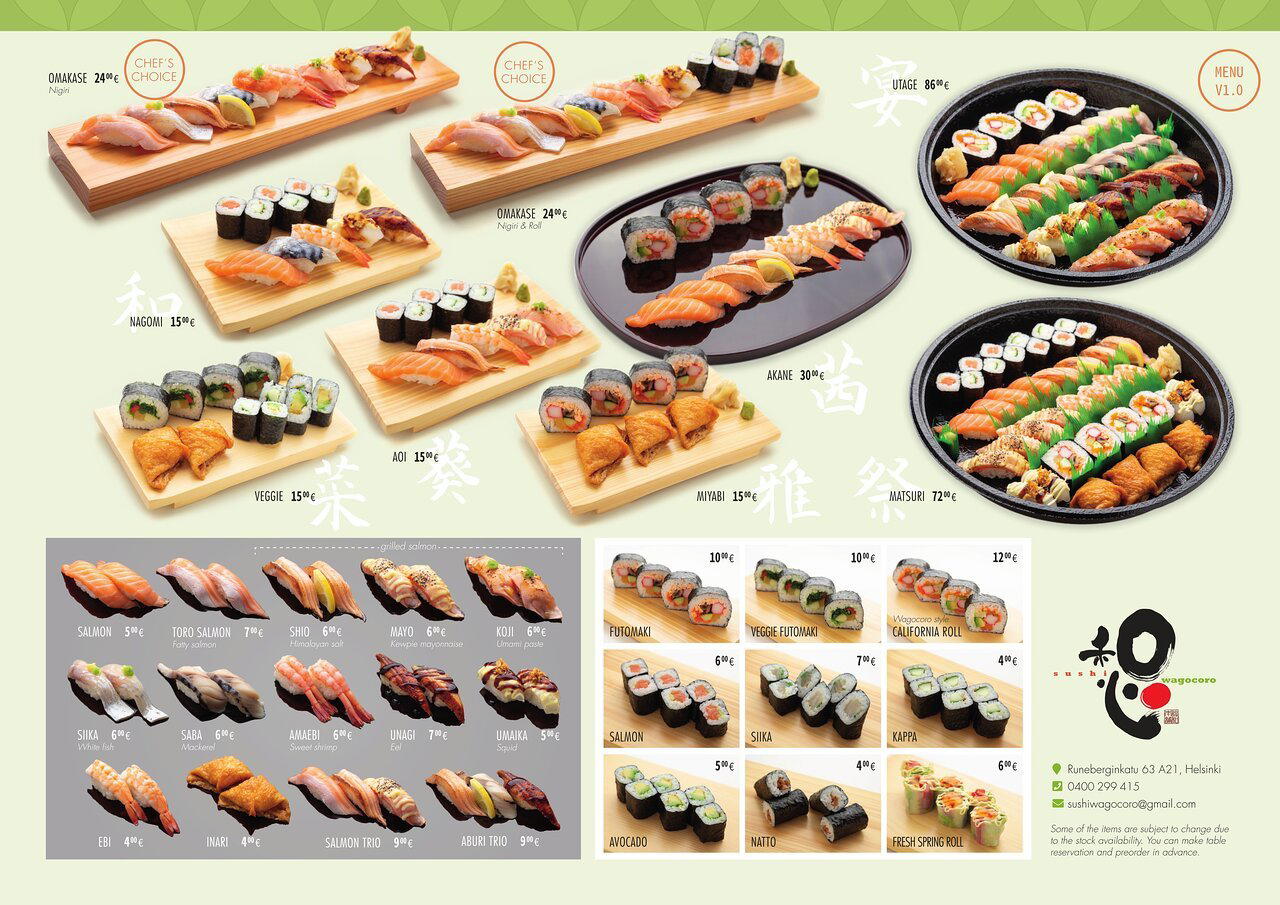
Where Nordic Produce Meets Japanese Precision
Sushi wagocoro is a restaurant in Helsinki serving Authentic Japanese Sushi. Against that backdrop, a sushi counter on Runeberginkatu 63 represents a different kind of ambition: applying the exacting standards of Japanese fish cookery to the ingredients that northern Finland and the Baltic supply.
That intersection, imported method meeting indigenous product, is increasingly where the more interesting conversations in Nordic dining happen. Finnjävel Salonki works a comparable tension from the Finnish side, asking what traditional Finnish cuisine looks like when formality and precision are applied. Sushi wagocoro approaches the same question from the Japanese side: what does sushi look like when the fish on the counter is Baltic perch and pike rather than tuna from Toyosu?
The Case for Japanese Technique in a Nordic Kitchen
Japanese sushi as a craft tradition is built around controlling a small number of variables with extreme care: the temperature and seasoning of rice, the precision of a cut, the resting time of a fish. Those principles transfer cleanly across geographies because they are process-based rather than ingredient-dependent. What changes when Japanese technique meets Nordic waters is not the discipline but the flavour profile, and that shift is the editorial point worth tracking at a venue like this.
Finland's cold, clear water produces fish with a particular character: denser flesh, cleaner fat, sometimes a mineral edge that warmer-water equivalents lack. Baltic herring, freshwater pike-perch, Arctic char from Lapland, and crayfish in season are the kinds of ingredients that can reward the restraint sushi demands. The technique of aging fish, of drawing out moisture to concentrate flavour before slicing, was developed in Japan partly because ambient temperatures required it. In Scandinavia's cold climate, some of those preservation instincts map onto local traditions of curing and pickling that go back centuries.
This convergence is not distinctive to Helsinki. In New York, Atomix has demonstrated how Korean fine dining technique can be applied to produce sourced far from the Korean peninsula, and Le Bernardin has long shown that classical French fish cookery survives contact with non-French waters. The underlying principle is that rigorous technique is exportable. What Sushi wagocoro adds to Helsinki's picture is evidence that the northern Finnish and Baltic catch is capable of carrying that level of craft.
Helsinki's Position in the Broader Nordic Sushi Conversation
Across Scandinavia, the past decade has seen Japanese technique absorbed into the kitchen vocabulary of high-end restaurants that would not describe themselves as Japanese at all. Stockholm, Copenhagen, and Oslo each have a tier of restaurants where Japan-trained chefs or Japan-influenced cutting and preservation methods appear inside a Nordic menu framework. Helsinki has been slightly slower to formalise this, partly because the city's fine dining energy has concentrated around the New Nordic wave represented by venues like The ROOM by Kozeen Shiwan and the broader ecosystem mapped in our full Helsinki restaurants guide.
A dedicated sushi address in Töölö, a residential neighbourhood west of the city centre with a quieter character than the waterfront dining corridor, represents a deliberate choice to step outside Helsinki's competitive fine dining cluster. The address at Runeberginkatu 63 puts the restaurant in an area associated more with local regulars than with tourist traffic, which tends to shape a particular kind of dining culture: guests who return repeatedly, whose preferences become familiar, and whose presence allows a kitchen to refine its offer over time.
Comparable seriousness about Japanese technique applied to non-Japanese ingredients can be found across Finland's secondary cities. Kaskis in Turku and VÅR in Porvoo both show how smaller Finnish markets sustain precision cooking when the kitchen prioritises local sourcing. Bistro Henriks in Tampere, Hai Long in Rovaniemi, and more distant addresses like Filipof in Joensuu, Gösta in Mänttä, Figaro in Jyväskylä, JJ's BBQ in Salo, Vintti in Hameenlinna, and Hejm in Vaasa collectively illustrate how Finnish dining ambition extends well beyond the capital's boundaries.
What the Format Signals
A sushi counter in a northern European city is a format signal as much as a cuisine signal. Counter dining, whether omakase or à la carte, creates a specific relationship between kitchen and guest: proximity, visibility, and the implicit understanding that the meal will proceed at the kitchen's pace. That format has spread from Japan to major Western cities partly because it suits a dining culture that values craft over spectacle, and partly because it requires a smaller physical footprint than a full-service restaurant, which matters in urban real estate markets with high overheads.
Helsinki's cost structure for running a serious restaurant is not dramatically different from Stockholm or Oslo, both cities where dedicated omakase counters now command prices that reflect the labour intensity of sushi craft. The counter format also rewards repeat visits in a way that large-format tasting menus sometimes do not: the sequence can shift with availability and season, which means a guest who returns monthly encounters a different meal shaped by what the Baltic or the archipelago is offering in that week.
Planning Your Visit
The restaurant sits at Runeberginkatu 63 in Töölö, reachable from central Helsinki by tram on lines that serve the Runeberginkatu corridor, with the journey from the main railway station taking under fifteen minutes. The neighbourhood character is residential and calm relative to the waterfront dining cluster, so the area rewards arriving early to walk the street rather than rushing from transport directly to the table.
At a Glance
Comparable venues nearby, for context on price, style, and recognition.
| Venue | Cuisine | Price | Notes |
|---|---|---|---|
| Sushi wagocoroThis venue — the venue you are viewing | Taka-Toolo, Authentic Japanese Sushi | $$$ | Not listed |
| BisouBisou | Kalasatama, Modern French Brasserie | $$$ | Not listed |
| Birdie Numnum | Linjat, Modern Scandinavian Fine Casual | $$$ | Not listed |
| The Grand Bar & Grill | Not listed | $$$ | Ullanlinna, Modern Grill with Finnish Beef |
| Teller | Etu-Toolo, Modern International Bistro | $$$$ | Not listed |
| Lehtovaara | Not listed | $$$ | Taka-Toolo, Traditional Finnish Fine Dining |
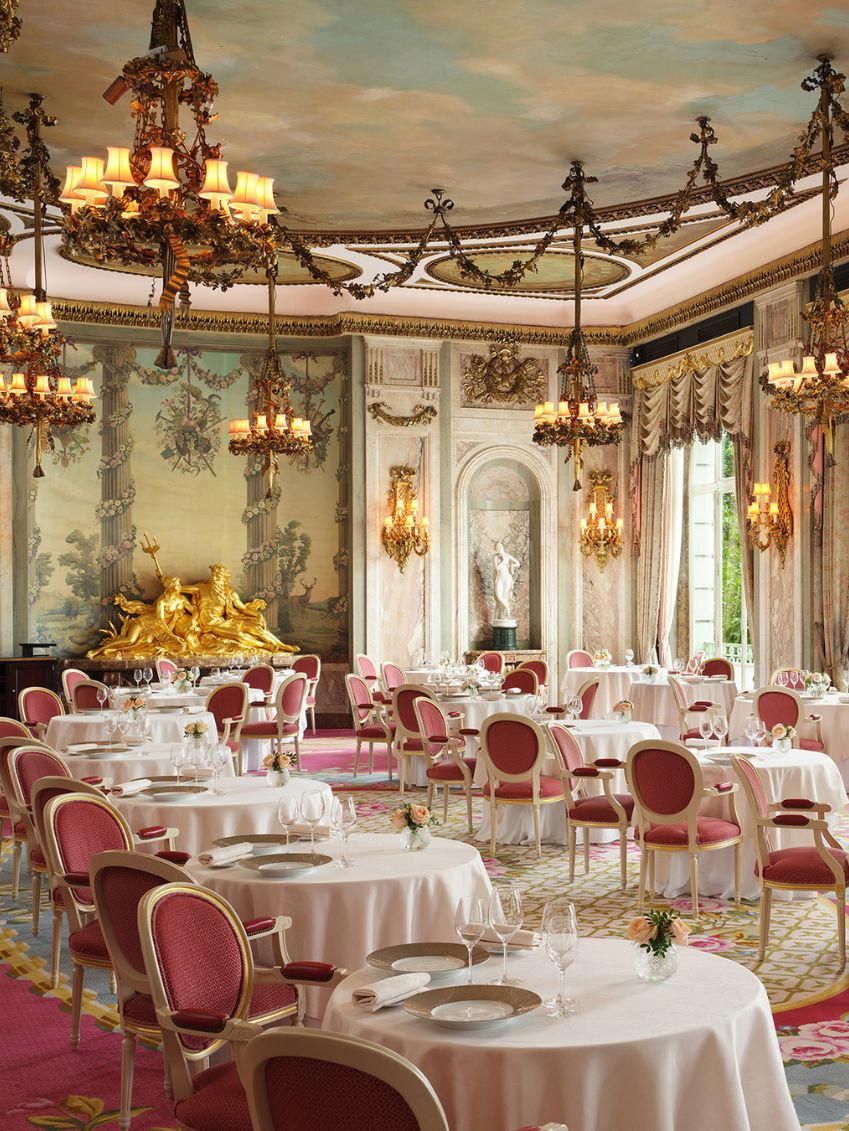
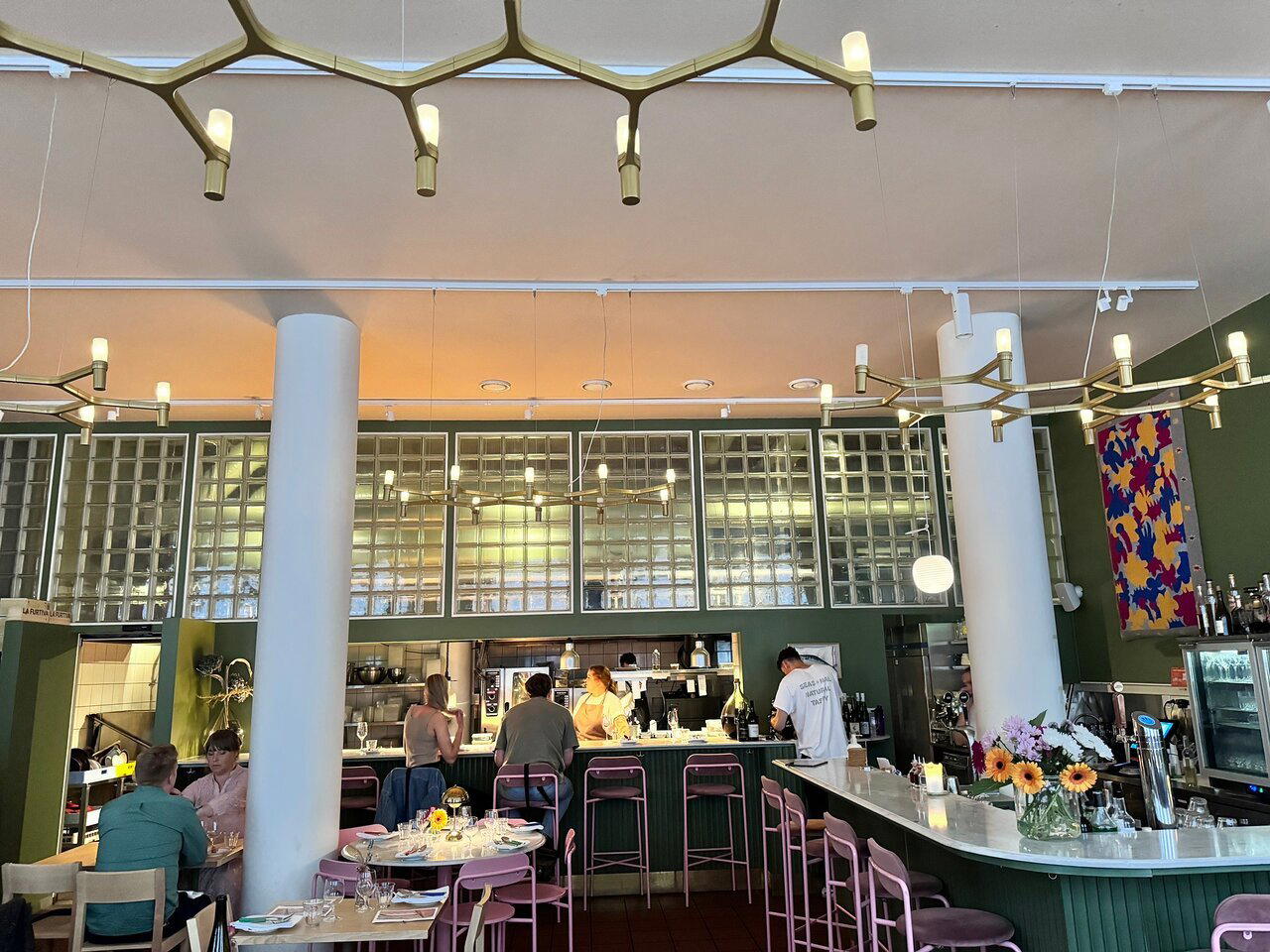
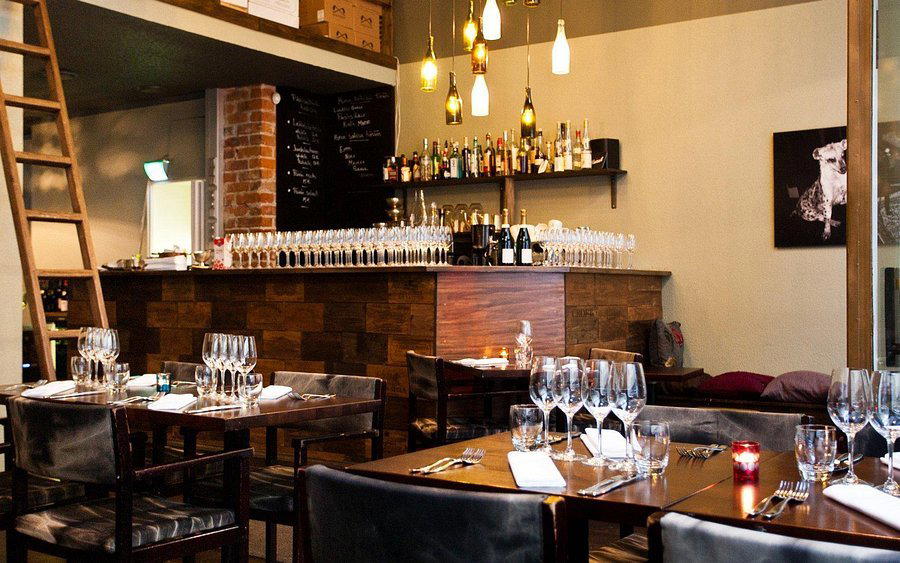
At a Glance
- Intimate
- Cozy
- Elegant
- Date Night
- Solo
- Sake Program
Current opening hours
- Monday
- Closed
- Tuesday
- 12–6 PM
- Wednesday
- 12–6 PM
- Thursday
- 12–6 PM
- Friday
- 12–6 PM
- Saturday
- 12–6 PM
- Sunday
- Closed
Hours can change for holidays and private events. Last verified .
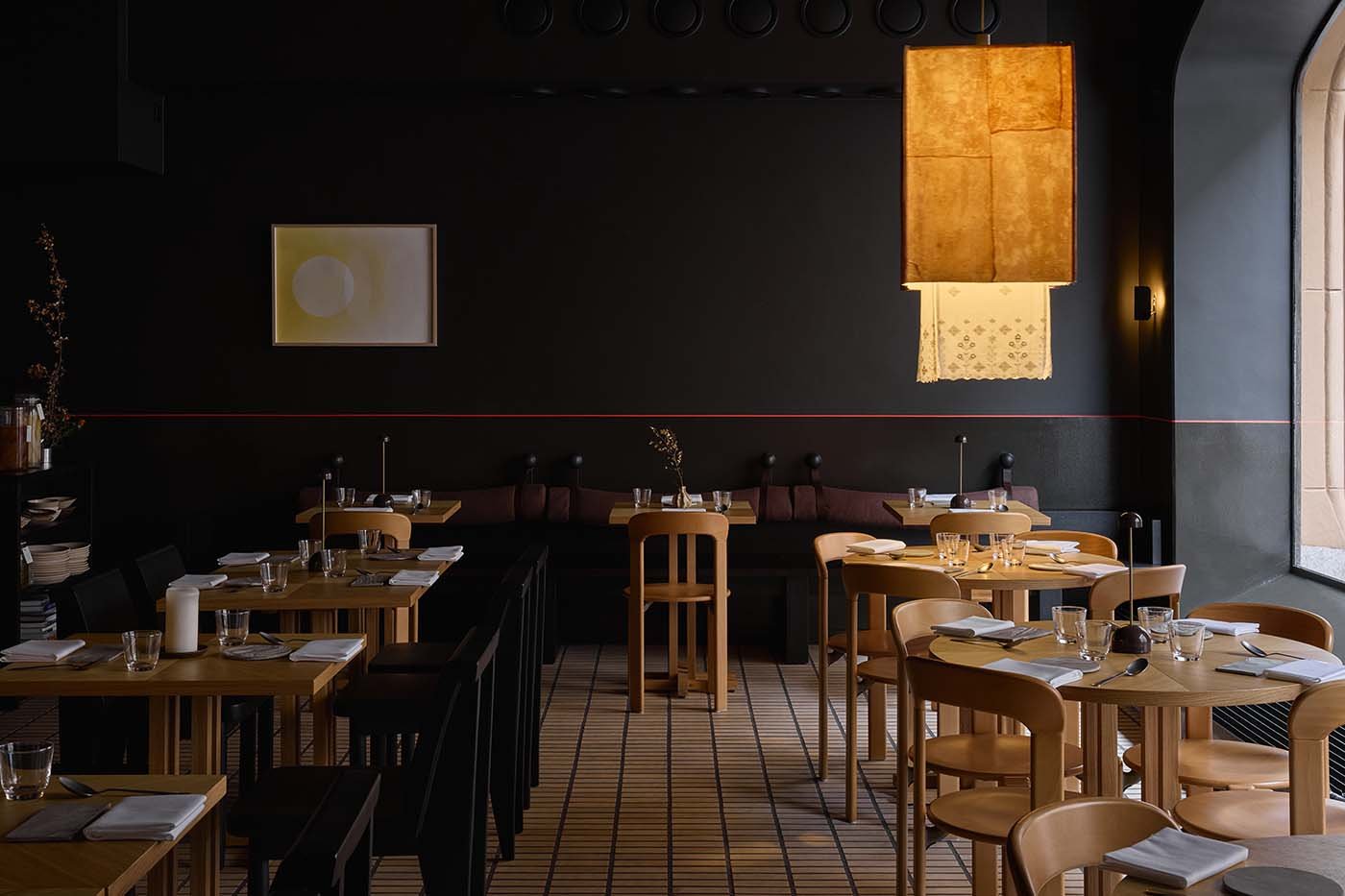
Rauhallinen ja mukava tunnelma with a warm, clean, and cozy atmosphere.