Sushi Shunka
Sushi Shunka occupies a strip-mall address on East 17th Street in Costa Mesa, the kind of location that filters out casual visitors and keeps regulars returning on their own terms. In a city where Japanese dining ranges from fast-casual to the $$$$ counter at Hana re, Shunka sits in a quieter tier, known more through word of mouth than through award circuits or press profiles.
 Discover on Pearl
Pearl is the En Primeur Club membership app — saves, bookings, and concierge access live there. Same editors, same standards.
- Address
- 369 E 17th St #17th, Costa Mesa, CA 92627
- Phone
- +19496319854
- Website
- shunkasushi.com
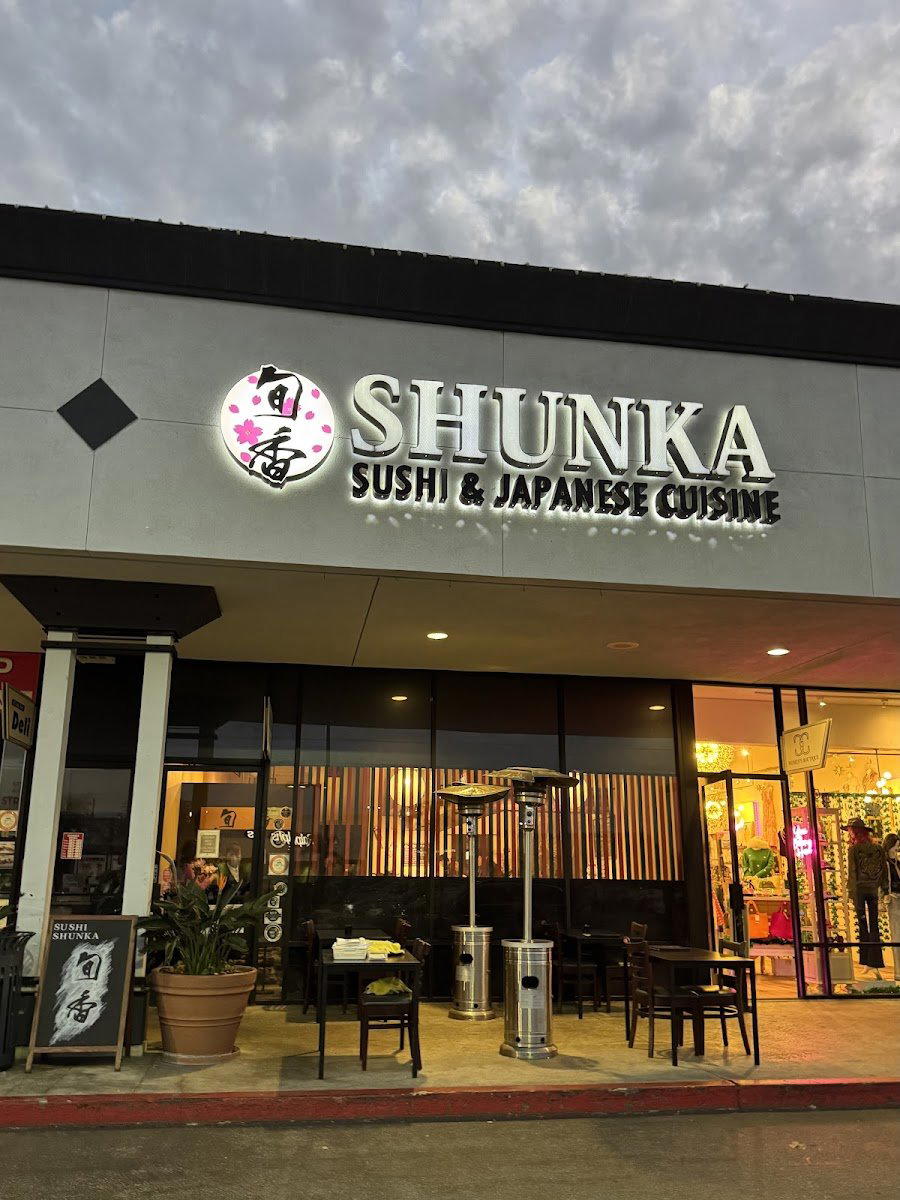
The Strip-Mall Counter That Rewards Repeat Visits
Costa Mesa's dining identity has always been more layered than its suburban address suggests. East 17th Street runs through a corridor of neighborhood-level restaurants, the kind of blocks where longevity matters more than press cycles. Sushi Shunka is a Costa Mesa restaurant serving Seasonal Japanese Omakase, with a $60 per person price point and a 4.6 Google rating. It sits at number 369, inside a low-profile strip center that functions, in practice, as a sorting mechanism: guests who find their way here have almost always been sent by someone who already knows the room.
That referral dynamic shapes the experience before anyone sits down. In Southern California's Japanese dining markets, the gap between publicly celebrated counters and quietly sustained neighborhood sushi has widened considerably over the past decade. Omakase programs at destination addresses in Los Angeles, places like Providence, command three-figure price points and require planning weeks in advance. Shunka operates in a different register: Costa Mesa rather than West Hollywood, neighborhood rather than destination, repeat guest rather than first-time diner.
What the Regulars Know
The most useful frame for understanding Sushi Shunka is not the menu as printed but the menu as practiced by guests who return often enough to have preferences on record. In smaller sushi operations throughout Orange County, this unwritten layer of the dining experience often carries more information than any public-facing description. Regulars know which preparations hold up leading on a given evening, which seasonal items appear without announcement, and how to communicate with the kitchen in the shorthand that develops over multiple visits.
This is a pattern that shows up across serious neighborhood sushi in the United States, from modest Japanese-American counters in coastal California to the more formal omakase tiers now operating in cities like New York, where Atomix has built its reputation partly on the depth of relationship between kitchen and returning clientele. The mechanism differs in scale and formality, but the underlying logic is the same: the guest who returns earns access to a version of the restaurant that first-timers do not see.
At Shunka's price tier and format, that access tends to be informal rather than ceremonial. There is no tasting menu architecture in the style of The French Laundry or the seasonal precision of Single Thread Farm. The experience is closer to what Japanese dining culture calls ikitsuke, the habit of returning to the same restaurant until the relationship between guest and kitchen becomes its own kind of menu.
Costa Mesa's Japanese Dining Tier
Within Costa Mesa specifically, Japanese dining has consolidated around a small number of serious addresses. Hana re anchors the best of the local Japanese tier at the $$$$ price point, with an omakase format that draws from across Orange County. Shunka operates in a different competitive space, less about commanding a destination visit, more about holding a position as the reliable neighborhood counter that locals protect by not over-recommending it.
That positioning is common in cities without a concentrated fine-dining district. Costa Mesa's restaurant scene spreads across several commercial corridors rather than clustering in a single neighborhood, which means individual venues compete less directly with each other and more for the loyalty of specific residential catchments. For Shunka, the East 17th Street location places it within easy reach of several residential neighborhoods, which sustains a regular base without requiring a broader metropolitan draw.
The contrast with Costa Mesa's other dining categories is instructive. Contemporary French at Knife Pleat and Asian fusion at ANQI serve a more occasion-driven clientele. Casual daily dining pulls toward addresses like Amorelia Mexican Cafe. Shunka sits between those poles: more considered than purely casual, more accessible than occasion-only. Arc Food & Libations fills a similar neighborhood-anchor role in a different category.
Japanese Sushi in Southern California's Broader Context
Southern California's sushi market spans a wider range than almost any other American metro. At one end, destination omakase counters in Los Angeles price against international peers, the same conversation that places like Le Bernardin in New York City or 8½ Otto e Mezzo Bombana in Hong Kong occupy in their respective fine-dining markets. At the other end, fast-casual sushi operates at a price point and volume that have little to do with craft or sourcing.
The middle tier, serious neighborhood sushi without destination pricing, is where restaurants like Shunka operate, and it is arguably the most competitive space in the Southern California Japanese market. These venues succeed or fail on consistency, on the quality of their regular relationships, and on the kitchen's ability to source well within a budget that does not allow for the same wholesale access as larger operations.
That constraint, paradoxically, often produces more focused cooking. When a kitchen cannot rotate through an extensive luxury-item repertoire, it tends to develop a sharper identity around a smaller set of preparations done with repeated care. The regulars who return to those restaurants are not returning for novelty, they are returning because the restaurant has earned a specific kind of trust.
Comparable dynamics play out at celebrated American restaurants that have built loyal followings through consistency rather than spectacle, Lazy Bear in San Francisco, Blue Hill at Stone Barns, Addison in San Diego, and Alinea in Chicago all hold their respective clienteles through a version of that trust, even at very different price points. Emeril's in New Orleans and The Inn at Little Washington demonstrate the same principle in entirely different culinary traditions. The format and price tier differ, but the underlying loyalty mechanism is consistent across the category.
Planning a Visit
Sushi Shunka is at 369 East 17th Street in Costa Mesa, inside a strip-center address that is easier to locate by number than by signage. Given the limited data available in the public record regarding hours, booking policy, and current pricing, confirming details directly before visiting is the practical approach, the restaurant's contact information and current operating schedule are leading verified through a direct call or a recent Google search, as posted hours at neighborhood sushi operations in this tier can shift seasonally. First-time visitors would do well to arrive with an open approach rather than specific dish expectations.
A Pricing-First Comparison
Comparable venues nearby, for context on price, style, and recognition.
| Venue | Cuisine | Price | Awards | Notes |
|---|---|---|---|---|
| Sushi ShunkaThis venue — the venue you are viewing | $$$ | , | ||
| Manpuku | Costa Mesa, Japanese Yakiniku BBQ | $$$ | , | |
| Izakaya Hachi | Costa Mesa, Authentic Japanese Izakaya | $$ | , | |
| Shunka | Eastside, Seasonal Japanese Sushi | $$$ | , | |
| Costa Contemporary Kitchen | Costa Mesa, Peruvian-Fusion | $$$ | , | |
| Mi Casa | $$ | , | Eastside Costa Mesa, Sonoran-style Mexican |
Continue exploring
More in Costa Mesa
Restaurants in Costa Mesa
Browse all →
Bars in Costa Mesa
Browse all →
Hotels in Costa Mesa
Browse all →
Wineries in Costa Mesa
Browse all →
At a Glance
- Cozy
- Intimate
- Elegant
- Date Night
- Business Dinner
- Special Occasion
- Chefs Counter
- Sake Program
- Sustainable Seafood
Cozy and intimate with a serious sushi bar atmosphere, suitable for dates or business dinners.