Sushi Park
On the Sunset Strip's upper reaches, Sushi Park occupies a quiet slot in a strip-mall setting that has become shorthand for a certain kind of serious omakase in West Hollywood. The room favors understatement, the format demands trust in the kitchen, and the reputation travels far enough that reservations require planning well ahead of any visit.
 Discover on Pearl
Pearl is the En Primeur Club membership app — saves, bookings, and concierge access live there. Same editors, same standards.
- Address
- 8539 Sunset Blvd #20, West Hollywood, CA 90069
- Phone
- +1 310 652 0523
- Website
- exploretock.com
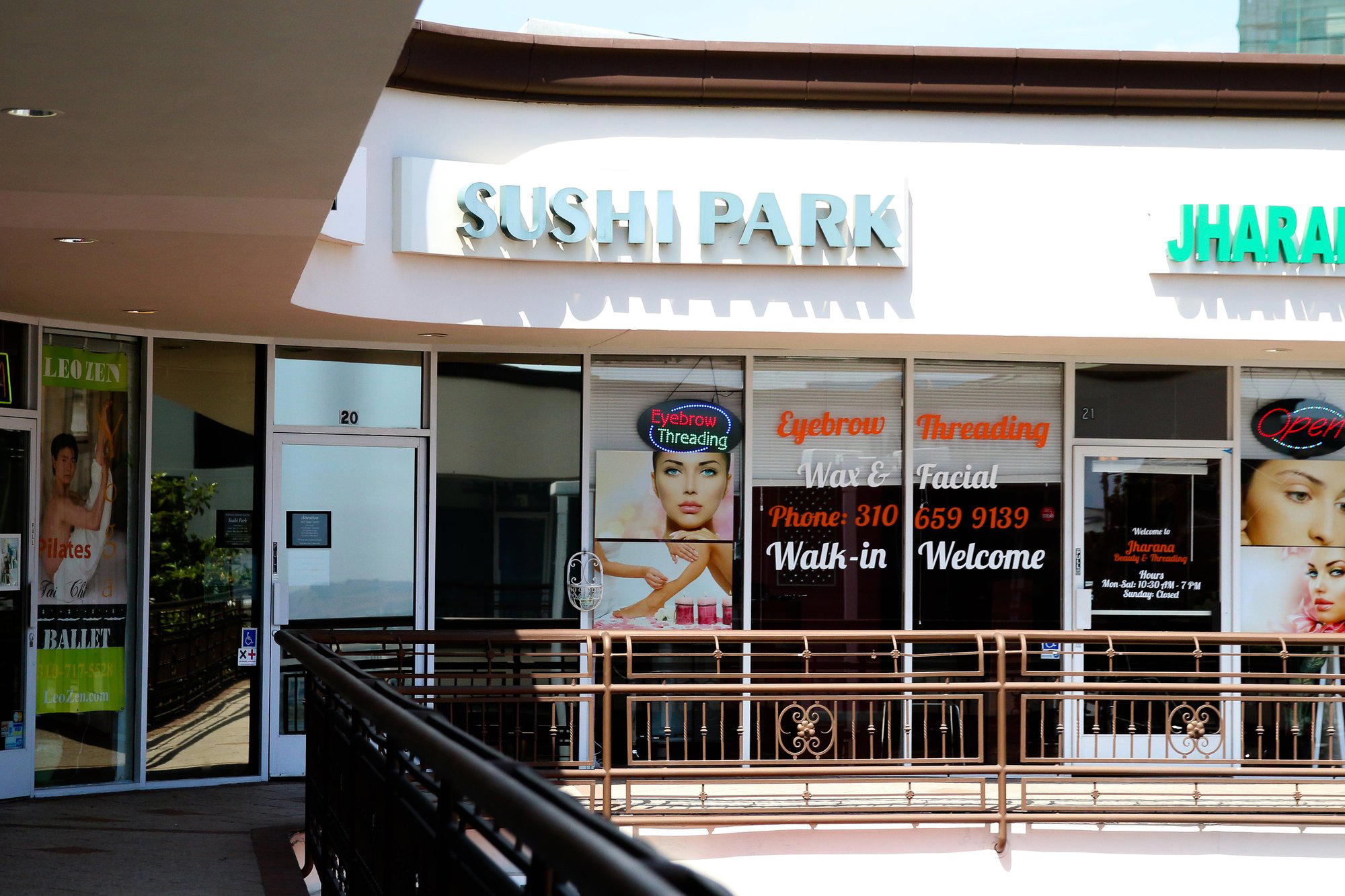
The Strip-Mall Counter and What It Signals
There is a specific grammar to Los Angeles dining that visitors from New York or Chicago often misread. In this city, the absence of ground-floor retail frontage, a valet queue, or a recognizable design firm's handwriting does not indicate a lesser address. It sometimes indicates the opposite. Sushi Park is a traditional Edomae omakase restaurant in West Hollywood, priced at about $200 per person. The counter that earns the most sustained attention in this city is rarely the one with the most legible facade.
This dynamic has deepened over the past decade as Los Angeles has established itself as one of the few American cities where omakase culture operates at genuine depth, comparable in seriousness if not in volume to what you find in New York or San Francisco. Spots like Providence in Los Angeles have demonstrated that California's fine dining ambition is not confined to tasting-menu formats or European frameworks. Sushi Park represents a different current in that same ambition: the neighborhood-rooted Japanese counter that earns its reputation through consistency and word of mouth rather than press campaigns.
Where Sushi Park Sits in the West Hollywood Scene
West Hollywood's dining map runs a considerable range. On the same general corridor you will find Astro Burger and Basix Cafe operating as neighborhood anchors for casual daily dining, and at the other register, Arden representing the more formal, design-conscious end of the local market. Sushi Park does not fit neatly into either category. It occupies the specialist tier, where the format, sourcing, and the kitchen's accumulated knowledge carry more weight than room design or service theater.
That specialist positioning places Sushi Park in a peer conversation that extends beyond West Hollywood. Nationally, the omakase counter format has bifurcated sharply: on one side, heavily produced experiences with elaborate beverage pairings and multiple dining rooms; on the other, stripped-back counters where the kitchen's sole obligation is the fish and the rice. Sushi Park belongs firmly to the latter model, which in practice means the visit lives or dies on the sourcing relationships and the technical execution rather than the surrounding hospitality apparatus. For context on how that plays out at the top of the American fine dining range, operations like Le Bernardin in New York City and The French Laundry in Napa demonstrate how sustained credibility in a single format, sustained over years and through staff changes, becomes its own form of institutional trust. Sushi Park operates on a more intimate scale, but the underlying logic is the same.
The Wine Question at a Counter Like This
The editorial angle on wine at a sushi counter requires some care. In the omakase format, beverage curation has historically been an afterthought in the United States, with sake lists doing the work that wine lists do elsewhere. The more serious American counters have moved toward treating both with equal rigor, and the leading sake programs now benchmark against the depth you would expect at a restaurant like Smyth in Chicago or Lazy Bear in San Francisco, where the beverage program is understood as part of the critical evaluation, not an add-on.
Sushi Park's beverage program is designed to support the omakase, with sake and wine selections that keep to the restraint the format calls for. What can be said about the category is that counters operating at this reputational level in Los Angeles tend to either maintain a purposeful sake list with regional breadth or lean on a small wine selection focused on restrained, high-acid bottles, white Burgundy, Alsatian Riesling, Champagne, that do not fight the iodine and fat of premium nigiri. Counters that try to please across too wide a range on the beverage side typically lose focus. The restraint model, when executed well, can place a small list in the same conversation as the considerably larger cellars maintained by places like Addison in San Diego or Single Thread Farm in Healdsburg.
The Omakase Format in Los Angeles Context
Los Angeles omakase has its own character, distinct from the New York model. In New York, counters like Atomix in New York City operate within a dense cluster of peer venues, each positioned against the others in a tightly watched critical conversation. Los Angeles counters have historically operated with more independence, building their reputations through a loyal clientele rather than through consistent press attention. That relative independence from the critical apparatus cuts both ways: it allows a counter to develop without overexposure, but it also means the floor of quality is harder for a first-time visitor to assess before arrival.
Sushi Park's longevity on the Sunset Strip is itself a data point. Strip-mall real estate on that corridor is not inexpensive, and a counter format that does not turn tables at high volume needs a committed customer base to sustain itself. The fact that this address has maintained its reputation over time is evidence, in the way that longevity always is, that the kitchen has not drifted. For a broader read on West Hollywood dining across formats and price points, nearby venues occupy entirely different niches in the local scene.
Planning the Visit
The practical realities of a counter like Sushi Park are direct to state if harder to act on: reservations are essential, particularly for weekend sittings, and the format assumes the kitchen sets the pace. This is not a venue where substitutions or modifications to the sequence are typical or welcomed, the omakase contract asks for trust in exchange for focus. Arriving late to a counter sitting at a venue of this type disrupts the rhythm for everyone present, so the margin for error on timing is slim. Sunset Boulevard at that stretch of West Hollywood has parking complexity in the evenings, and accounting for that is the kind of logistical detail that separates an uneventful arrival from a stressful one.
For visitors planning a broader dining itinerary in California or beyond, placing Sushi Park within a wider critical frame is useful. The counter format here connects thematically, if not in scale or format, to what Blue Hill at Stone Barns in Tarrytown, The Inn at Little Washington in Washington, Emeril's in New Orleans, and Atelier Moessmer Norbert Niederkofler in Brunico share: a coherent, singular point of view sustained over time, executed by a kitchen that has chosen depth in a specific direction over breadth across several.
Quick Comparison
Comparable venues nearby, for context on price, style, and recognition.
| Venue | Cuisine | Price | Awards | Notes |
|---|---|---|---|---|
| Sushi ParkThis venue — the venue you are viewing | Traditional Edomae Omakase | $$$$ | , | |
| Arden | Seasonal Californian with French and American influences | $$$$ | , | West Hollywood |
| Boxwood | British-Inspired Californian | $$$ | , | West Hollywood |
| Rosaline | Modern Peruvian | $$$ | , | West Hollywood |
| Taste of Beauty | Plant-Based Asian Fusion Fine Dining | $$$ | , | West Hollywood |
| Jinpachi | Modern Japanese Omakase | $$$ | , | West Hollywood |
Continue exploring
More in West Hollywood
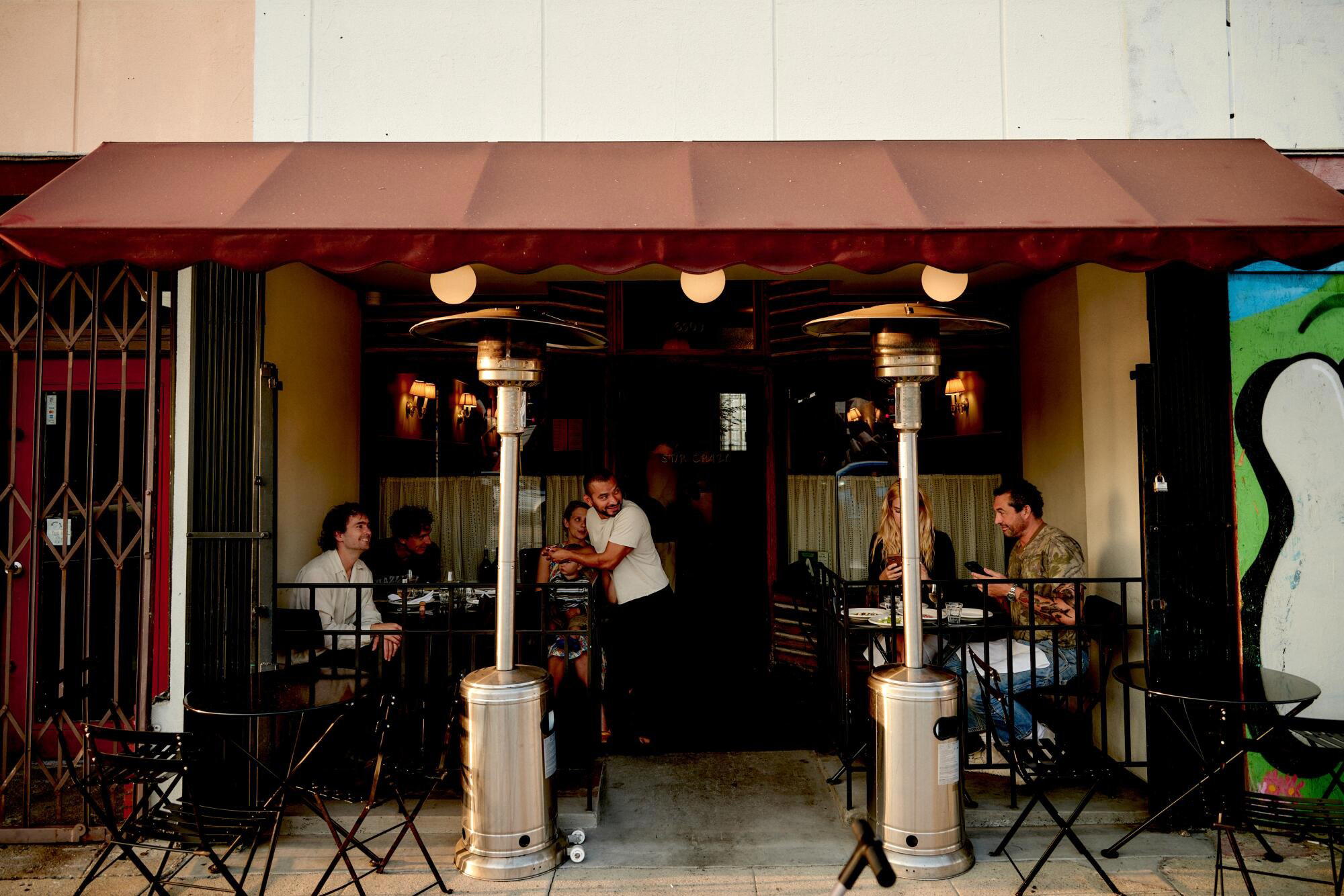
Restaurants in West Hollywood
Browse all →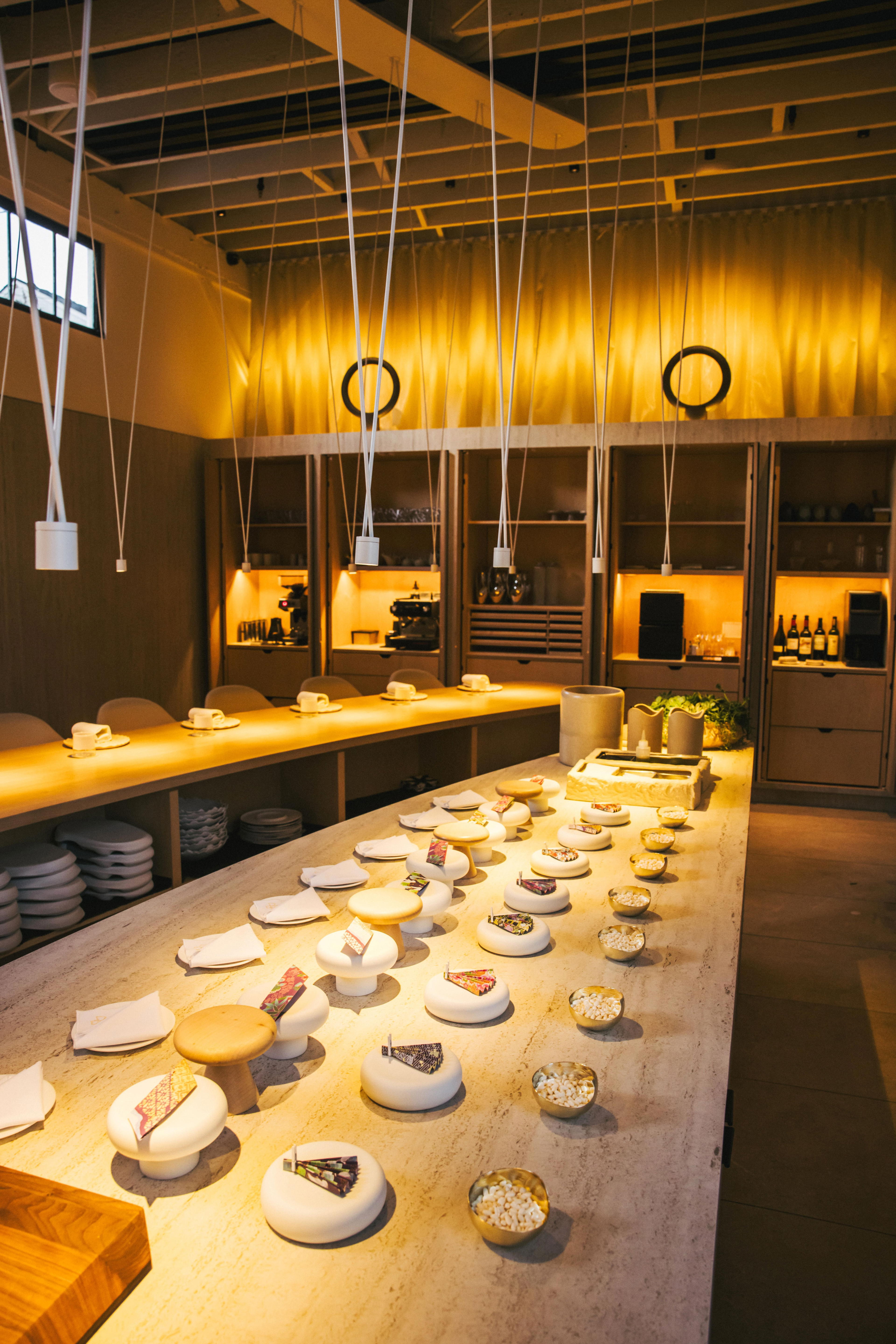
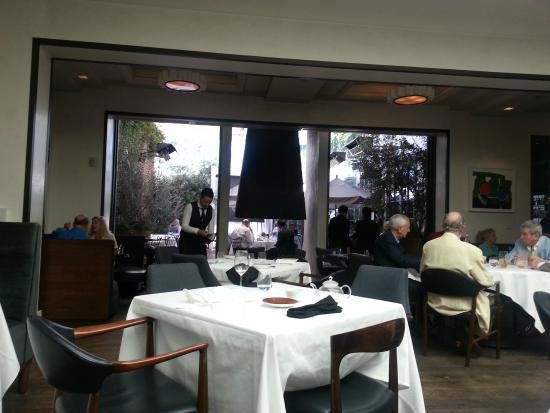
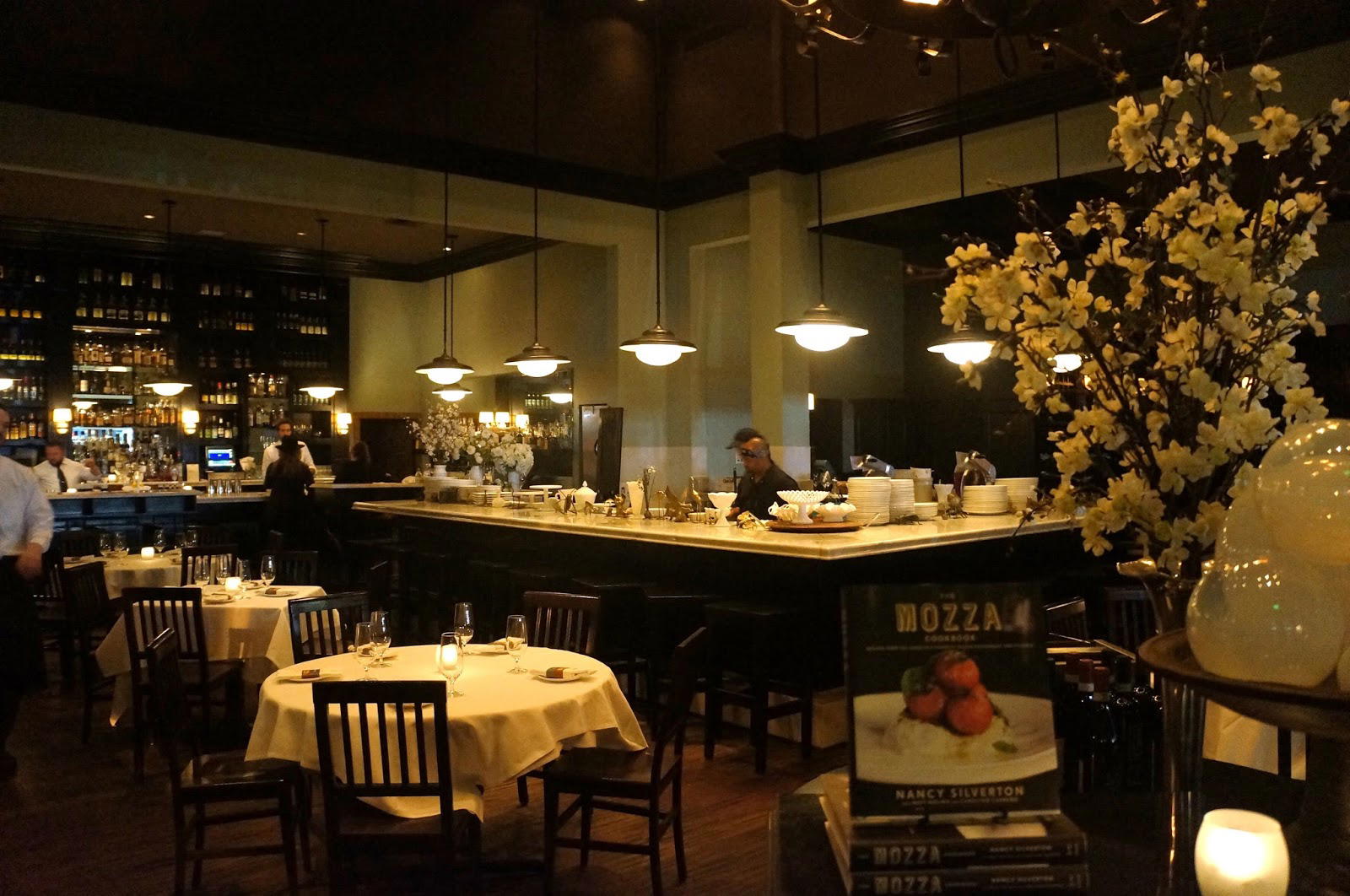
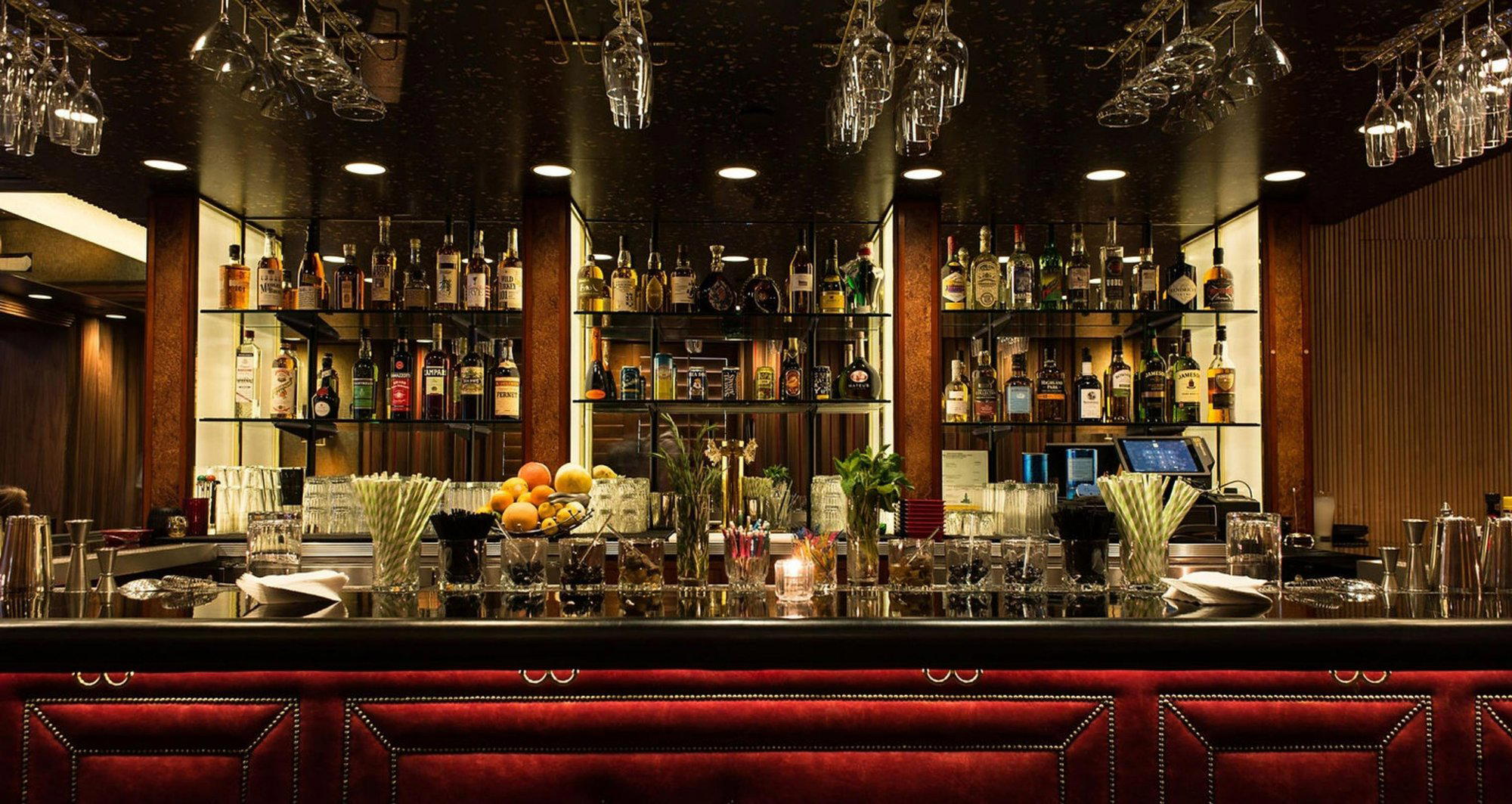
Bars in West Hollywood
Browse all →

Hotels in West Hollywood
Browse all →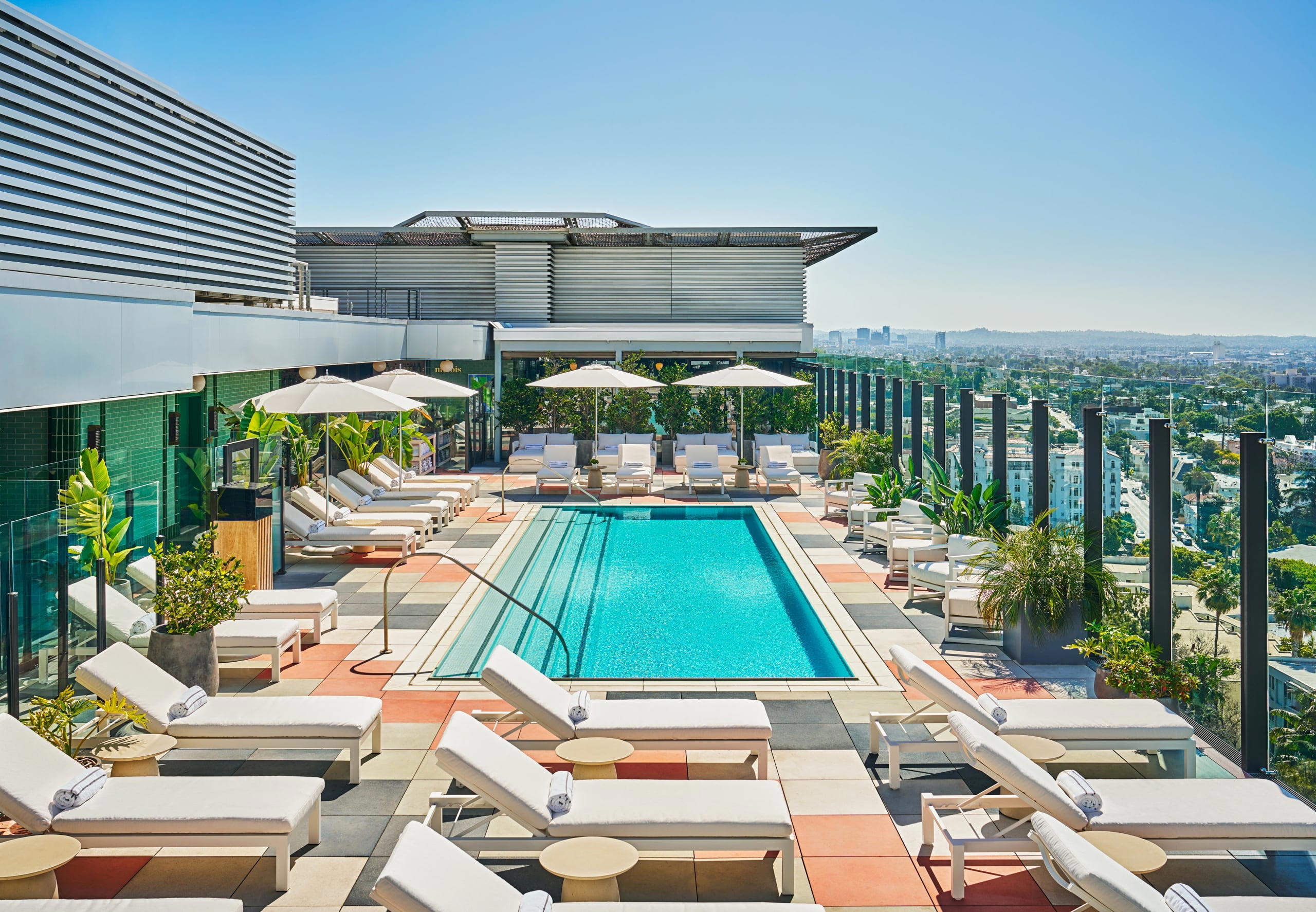
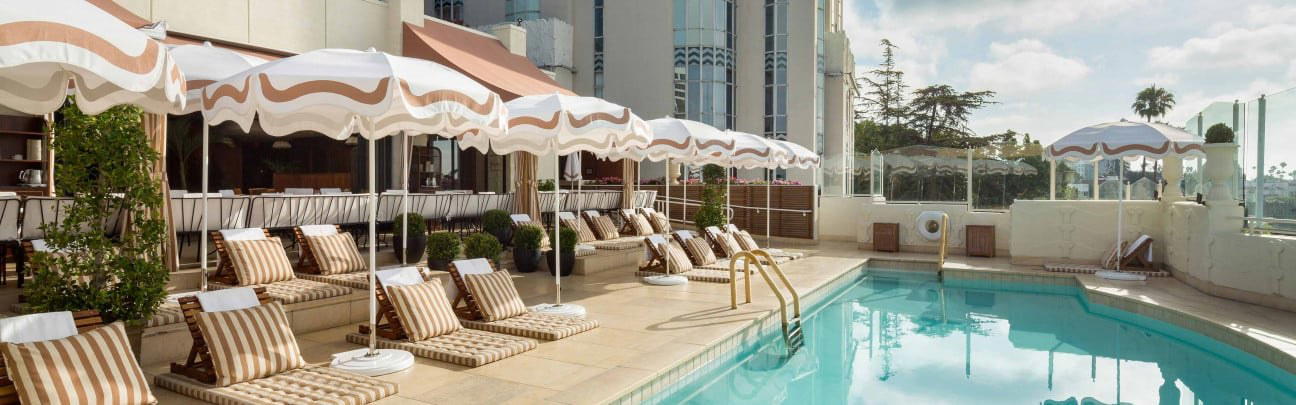
Wineries in West Hollywood
Browse all →
At a Glance
- Intimate
- Quiet
- Minimalist
- Date Night
- Special Occasion
- Chefs Counter
- Sake Program
Simple, unpretentious strip mall setting with focused sushi bar lighting emphasizing the purity of traditional sushi without trendy distractions.