
Tabelog 100 #14
Our verdict
Sapporo sushi has a different center of gravity from Tokyo: colder waters, Hokkaido sourcing culture, and a dining scene that moves between serious counters and group-friendly rooms. Sushi Natsume Honten sits in the higher local tier, with Tabelog 100 Sushi EAST 2025 recognition, a compact counter component, private rooms, and a format suited to visitors who want Hokkaido sushi without the capital-city theatre.

Pearl is the En Primeur Club membership app, where members save venues, book tables and use the concierge.
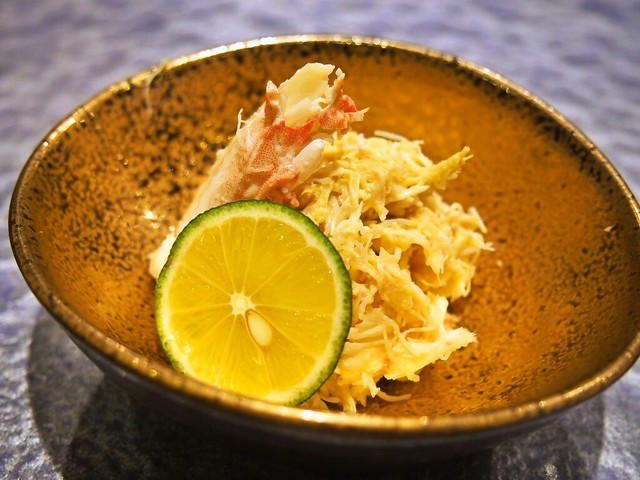
The menu
What to order
- Omakase sushi course
- Seasonal sashimi platter
- Grilled seasonal fish
- Dobin mushi
The approach is urban Sapporo, not seaside romance: a city sushi address where serious meals often sit quietly within the broader dining fabric rather than announcing themselves with spectacle. That matters. Hokkaido sushi culture rests less on grand entrances than on cold-water seafood access, rice discipline, and the quiet hierarchy between sushi-led meals, group dining, and later-evening plans after the city shifts from work to drinking.
Sushi Natsume Honten fits into Sapporo’s serious sushi conversation rather than a tourist-only orbit. Its Tabelog 100 Sushi EAST 2025 selection places it within a recognized regional sushi group. The point is not that a list should decide for diners; it is that this local sushi address has enough consensus to matter in a city where seafood restaurants compete hard for attention.
Hokkaido sushi culture, read through a Sapporo counter
Sapporo rewards diners who know Hokkaido sushi is not simply Tokyo sushi moved north. The region’s reputation depends on proximity to cold seas and a deep seafood culture, but stronger restaurants do not let abundance replace structure. The meal still turns on rice temperature, pacing, knife work, and the difference between eating seafood and eating sushi.
That distinction is central here. The restaurant’s public profile is anchored in sushi. In Sapporo, that signals a room built for a full evening, not a quick market stop. The broader point is cultural as much as practical: sushi is not only a solitary performance, but also a business, family, and friends format in a city where groups often move between restaurants, bars, and late trains.
The local comparison helps. soup curry Suage+ speaks to a different everyday Sapporo rhythm, Kirin to a more casual-drinking frame, and Chinese Momiji to another kind of night out. Shinohei also sits in the city’s serious dining conversation, but Sushi Natsume Honten’s listed dinner budget of JPY 20,000 - JPY 29,999 marks it as a more deliberate sushi evening. That gap is the clue: this is not a general Sapporo dinner recommendation for anyone craving seafood. It is a sushi-specific choice for diners who want the Hokkaido ingredient conversation in a controlled restaurant setting.
The room format explains the audience
High-end sushi in Japan can mean many things, from tightly focused counter meals to restaurants that work for a wider range of dining occasions. This address is best read through its public identity as a serious sushi restaurant in Sapporo: suited to diners focused on pacing and craft, but still part of a city where sushi can function as a full evening rather than an isolated ritual.
The trade-off is that expectations should be set around sushi quality and regional context rather than imported mythology about how every important sushi meal must feel. For some diners, that is a benefit. Sapporo’s strength is not only hushed luxury; it is serious food fitting into a relaxed northern city shaped by drinking culture, winter travel, and group dining. The restaurant’s practical appeal reinforces that Sapporo identity without making the meal feel merely ceremonial.
Read the award signal in that context. Tabelog’s Sushi EAST 2025 recognition gives the restaurant a credible marker among sushi specialists. It does not need to be framed as a trophy-room fantasy, which is partly the appeal. Sapporo has enough visitors chasing seafood to reward spectacle, but this category is more interesting when craft stays legible and the setting remains usable.
How it fits into a serious Sapporo food itinerary
A smart Sapporo itinerary should not reduce the city to sushi. The pleasure comes from contrast: ramen heat, curry spice, seafood precision, and the city’s late-night dining energy. For a broader restaurant map, use Our full Sapporo restaurants guide, then place Sushi Natsume Honten as the polished sushi evening rather than the city’s whole argument.
The surrounding field shows Sapporo’s range. Unnamed noodle rooms speak to spice and noodle culture; other curry specialists point to another local appetite; and further Sapporo dining rooms add still more registers. They are not sushi substitutes, but they prevent the lazy reading of Sapporo as a single-ingredient destination.
Planning around the meal also means thinking beyond dinner. The city’s hotel, bar, winery, and experience layers shape how a serious food trip works after the counter: Our full Sapporo hotels guide, Our full Sapporo bars guide, Our full Sapporo wineries guide, and Our full Sapporo experiences guide are useful companion reads.
For readers comparing Japanese dining beyond Hokkaido, the spread is instructive: other cities and regions frame beef, tuna, curry, cafe culture, and Japanese comfort food through different local lenses. Even outside Japan, Japanese food culture changes once it leaves home, which makes Sapporo’s own sushi context feel more specific rather than interchangeable.
The verdict is practical and cultural: choose Sushi Natsume Honten when the Sapporo brief calls for serious sushi with regional credibility, a listed dinner budget of JPY 20,000 - JPY 29,999, and a recognized place in the 2025 sushi conversation. Choose a more casual seafood meal for abundance without the same restaurant focus. This address is strongest for diners who want Hokkaido sushi treated as dinner, not sightseeing.
Frequently asked questions
What does dinner at Sushi Natsume Honten typically cost?
Pricing at Sushi Natsume Honten is listed as JPY 20,000 - JPY 29,999.
What are the operating hours at Sushi Natsume Honten?
Operating hours for Sushi Natsume Honten are not specified here; confirm directly before visiting.
What's Sushi Natsume Honten's location?
Sushi Natsume Honten is located in Sapporo.
What is Sushi Natsume Honten known for?
Sushi Natsume Honten is known for sushi in Sapporo and was selected for Tabelog 100 Sushi EAST 2025.
Cost Snapshot
Comparable venues at the same tier for side-by-side context.
| Venue | Cuisine | Price | Awards | Notes |
|---|---|---|---|---|
| Sushi Natsume HontenThis venue (the venue you are viewing) | Traditional Sushi Omakase | $100–150 | Tabelog 100 #14 | Not listed |
| susukinodepato | Hokkaido Seafood & Crab Buffet Dining | $50–100 | Tabelog 100 #68 | Chūō, Hokkaido Seafood & Crab Buffet Dining |
| Yakiniku Gurumans Ito | Yakiniku (Japanese BBQ) | $50–100 | Tabelog 100 #45 | Chūō, Yakiniku (Japanese BBQ) |
| Gyu no Ishizaki | Wagyu sukiyaki & shabu-shabu | $50–100 | Tabelog 100 #95 | Chūō, Wagyu sukiyaki & shabu-shabu |
| Oryori Fujita | Traditional Japanese Omakase / Kaiseki | $150–200 | Tabelog 100 #86 | Chūō, Traditional Japanese Omakase / Kaiseki |
| Susukino Yakiniku Kiraku | Japanese Yakiniku BBQ | $50–100 | Tabelog 100 #42 | Chūō, Japanese Yakiniku BBQ |
Recognition history
Dated appearances from independent guides and award organizations, with the underlying list record or original source where available.
Tabelog 100 #14 · No. 14
Tabelog · Tabelog 100 - Sushi - EAST - 2025
Continue exploring
More in Sapporo
Restaurants in Sapporo
All restaurants in Sapporo →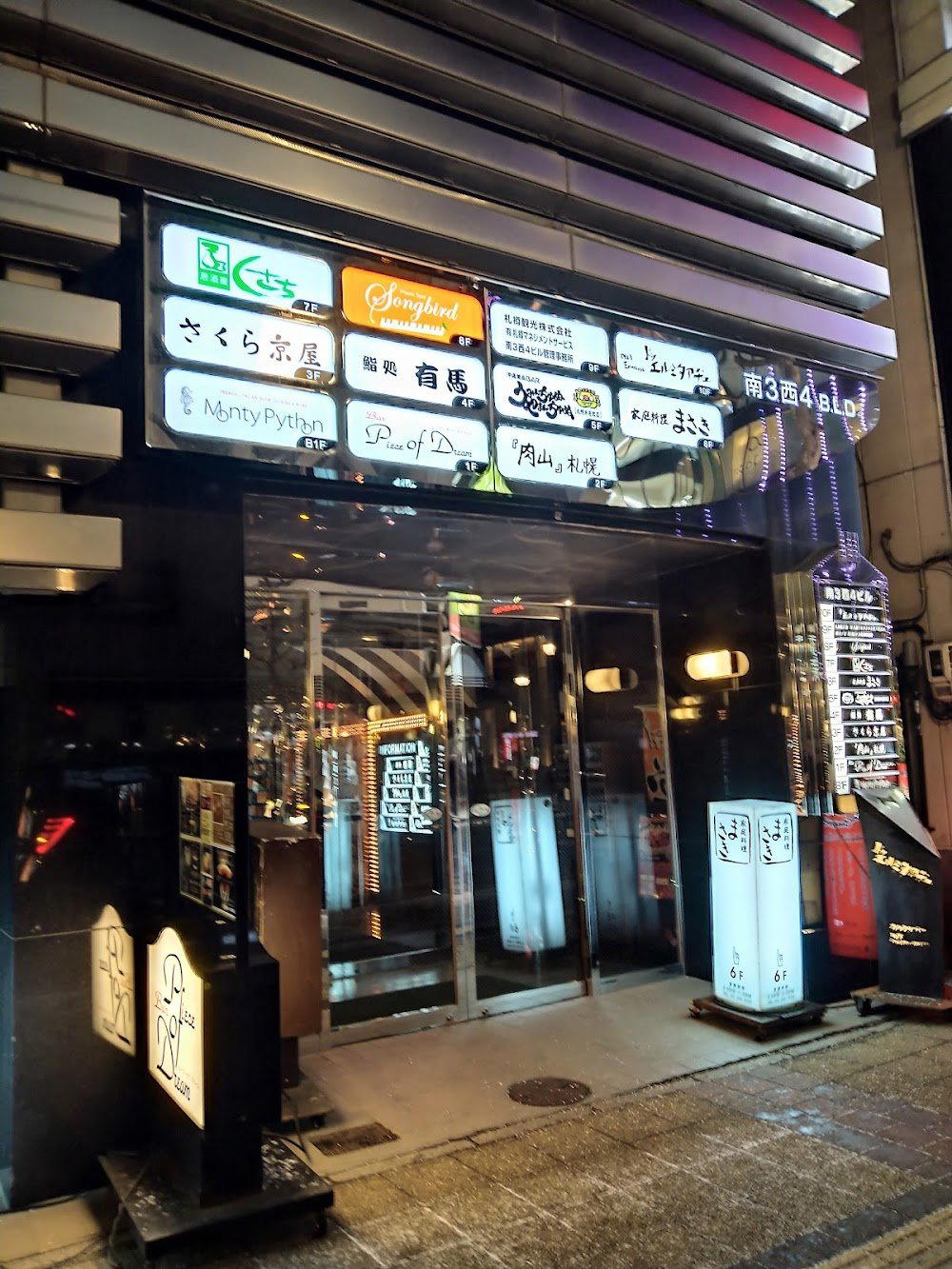
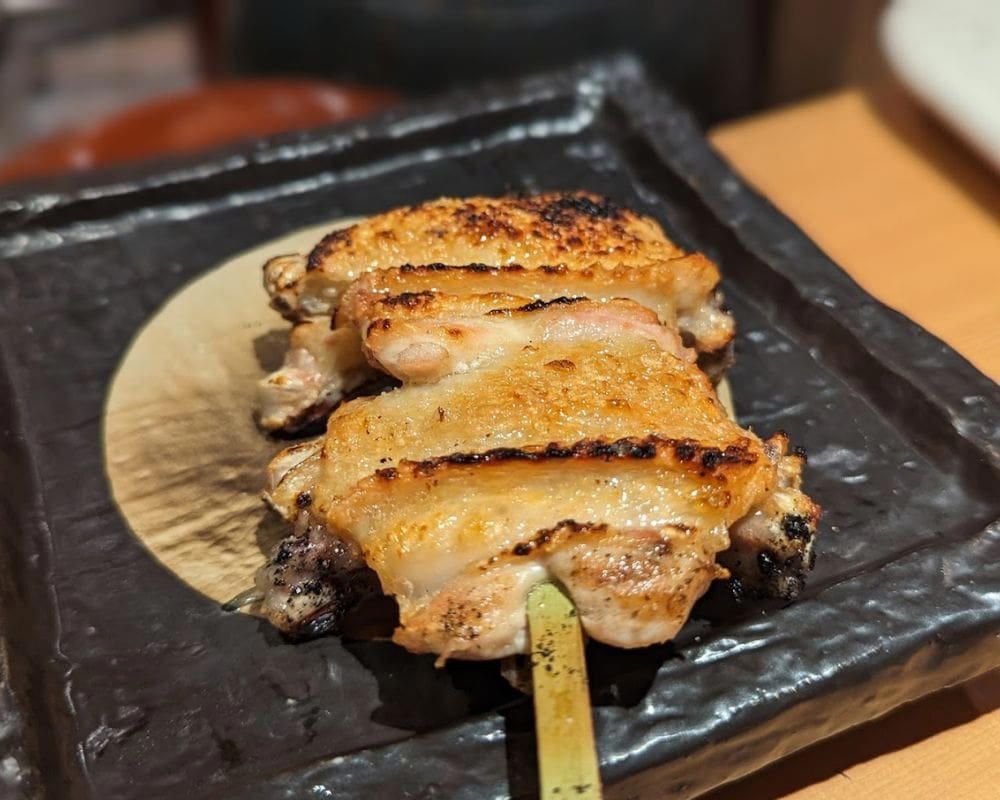
Bars in Sapporo
All bars in Sapporo →

Details
- Elegant
- Lively
- Intimate
- Sophisticated
- Cozy
- Date Night
- Business Dinner
- Group Dining
- Solo
- Special Occasion
- Late Night
- Chefs Counter
- Private Dining
- Standalone
- Sake Program
- Beer Program
- Sustainable Seafood
- Local Sourcing
- Omakase
- Counter Dining
- Tasting Menu
- A La Carte
- Sake
- Beer
- Pescatarian Friendly
Current opening hours
- Monday
- 5–11:30 PM
- Tuesday
- 5–11:30 PM
- Wednesday
- 5–11:30 PM
- Thursday
- 5–11:30 PM
- Friday
- 5–11:30 PM
- Saturday
- 5–11:30 PM
- Sunday
- 5–11:30 PM
Hours can change for holidays and private events. Hours as of .
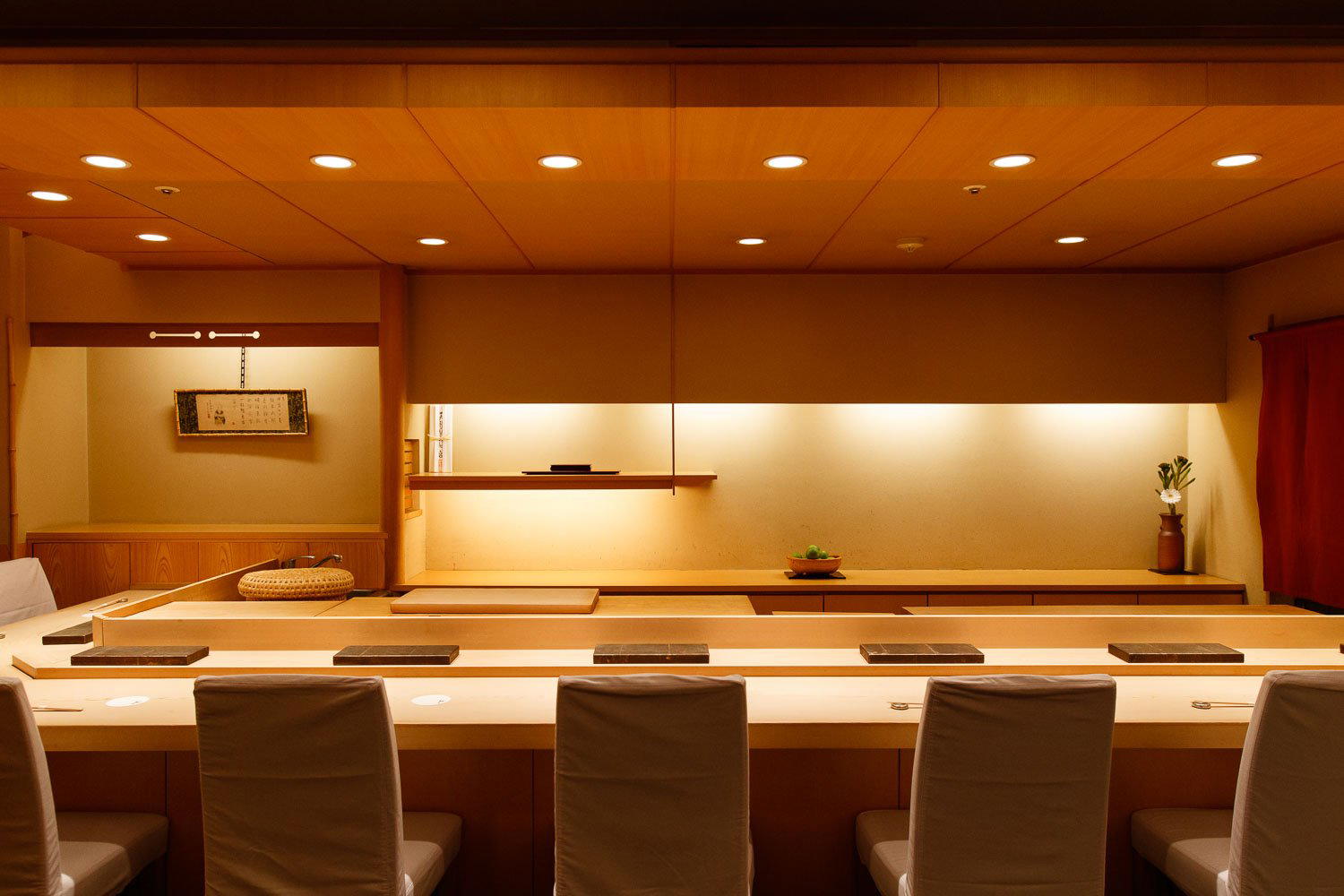
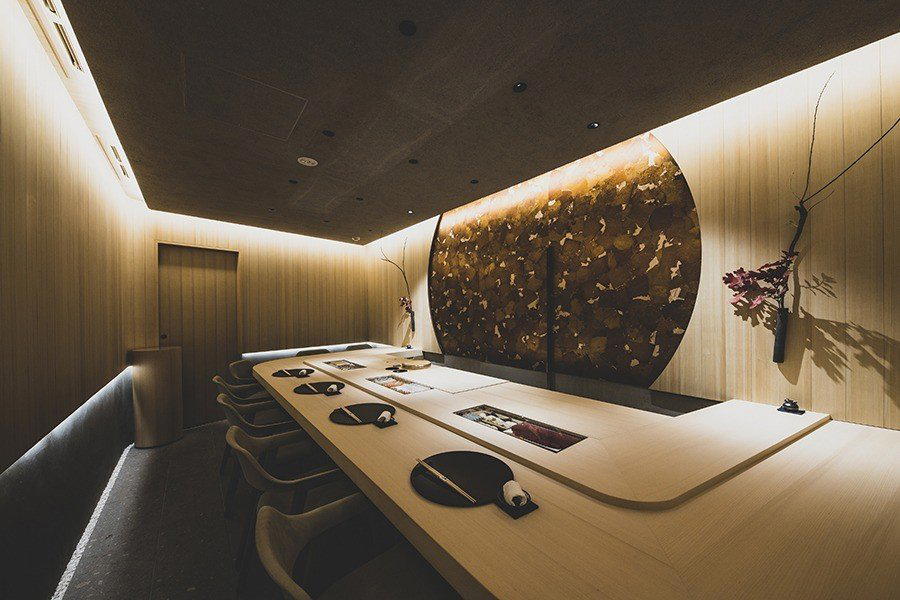
Warm, wood-forward interior with an intimate counter, small private rooms, and a relaxed yet refined atmosphere that feels friendly rather than formal.