
Sushi Minoki sits in Kitashinchi’s compact sushi tier, where counter scale matters as much as reputation. A seven-seat room, Tabelog Sushi WEST 100 selection for 2025, and a 4.09 Tabelog score place it among Osaka sushi addresses that reward diners looking beyond hotel dining rooms and broader kappo formats.
Pearl is the En Primeur Club membership app — saves, bookings, and concierge access live there. Same editors, same standards.
- Address
- Japan, 〒530-0002 Osaka, Kita Ward, Sonezakishinchi, 1 Chome−2−6 新松リンデンビル 曽根崎新地1-2-6新松リンデンビル1階
- Phone
- +81 6-6343-0090
- Website
- actonjapan.co.jp
 Saves & bookings on Pearl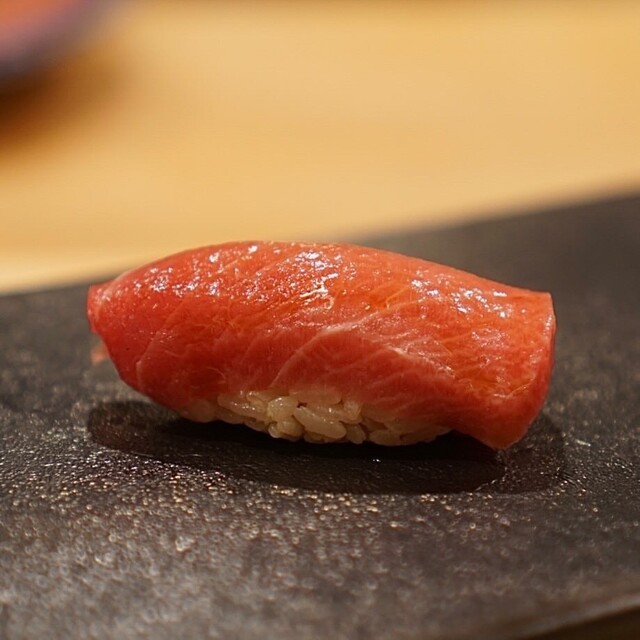
Kitashinchi changes character after dark: office blocks empty, signs switch on above narrow building entrances, and the dining rooms that matter are often measured by counter seats rather than square metres. In that setting, sushi operates differently from Osaka’s louder street-food image. The energy is quieter, more controlled, and more dependent on timing, temperature, rice, and the exchange across a short counter.
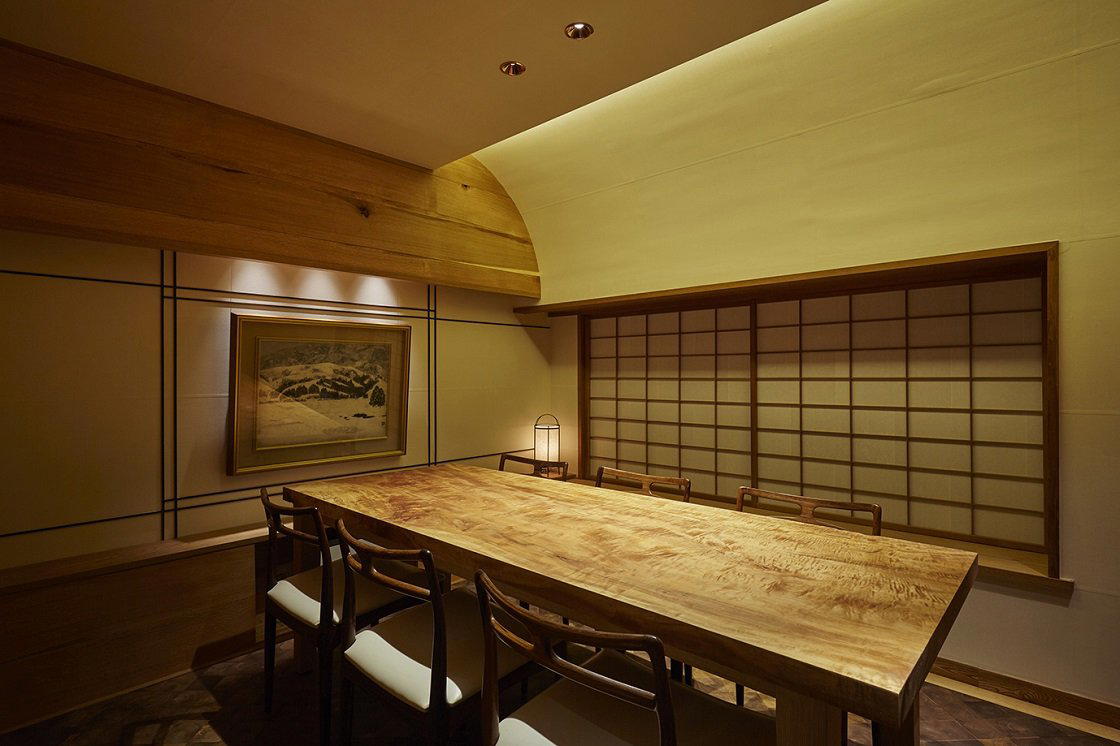
Sushi Minoki belongs to that compact Kitashinchi register. The room is built around seven seats, which puts the experience closer to a focused counter than a general-purpose restaurant. In Osaka, that scale is not decorative; it changes the rhythm of dinner. Fish selection, rice pacing, and handoff become the architecture of the meal, while the city outside supplies the contrast: a district known for late dining, corporate entertaining, and small addresses with serious regulars.
Kitashinchi sushi in a seven-seat register
Osaka’s reputation abroad still leans toward takoyaki, okonomiyaki, kushikatsu, and the generous, informal idea of kuidaore. The city’s sushi culture asks for a different reading. Kitashinchi, in particular, has developed a premium dining vocabulary built around discretion: upstairs rooms, small counters, limited seating, and a clientele that treats dinner as a paced performance rather than a quick stop between bars.
The seven-seat format places Sushi Minoki in the narrow end of that spectrum. It is not competing with the city’s casual sushi bars, nor with big hotel counters designed for travellers who want predictability. Its closer competitive logic is the small Osaka counter where recognition, seat scarcity, and neighbourhood positioning matter. Sushi Noguchi sits at a higher spend bracket, while Kitashinchi Mikazuki occupies a similar dinner band; that comparison is useful because it shows how Osaka sushi splits by format and price tier rather than by cuisine label alone.
The trust signal is clear: selection for Tabelog Sushi WEST 100 in 2025, with a Tabelog score of 4.09. Tabelog’s Hyakumeiten lists are especially useful in Japan because they reflect domestic dining attention rather than an imported awards framework. For travellers, the point is not trophy-chasing. It is calibration. This is a counter that has entered a regional conversation about sushi in western Japan, not merely a neighbourhood address with polished lighting.
Fish-led restraint rather than Osaka excess
Venue’s public food note is concise: particular about fish. That restraint suits the category. At this level, sushi does not need the language of spectacle. The work is in sourcing, cutting, seasoning, rice temperature, and the sequence of pieces, but specific courses should not be assumed without a current menu in hand. What can be said with confidence is that the format points toward a fish-led counter experience rather than a broad izakaya-style spread.
This matters in Osaka because the city’s dining identity often rewards abundance and speed. Premium sushi moves in the opposite direction. The room compresses attention. Conversation lowers. The meal is read piece by piece, and the diner’s job is to notice proportion: how rice supports rather than dominates, how the counter’s cadence changes with each handoff, how a small room alters the social contract between chef and guest. That is the sensory appeal here, not theatrical plating or a catalogue of luxury ingredients.
There is also a useful contrast with Osaka’s Italian and casual dining breadth. La casa TOM Curiosa and a canto show how Kitashinchi and central Osaka can absorb European formats at serious price levels, while Kuukai demonstrates a lower spend bracket inside the city’s dining map. Sushi Minoki’s appeal is narrower and more disciplined: a small sushi counter in a district where adult dining is the dominant language.
How to place it in an Osaka itinerary
For a traveller building a food-focused Osaka trip, this is a dinner to separate from market grazing and late-night drinking. The city is strongest when its contrasts are allowed to breathe: a counter meal in Kitashinchi on one evening, casual pork buns or street-level snacks on another, then bars or hotels planned around the same north-side geography. The mistake is to treat every Osaka meal as part of the same appetite. Sushi in Kitashinchi asks for a cleaner runway.
That planning logic also explains why the neighbourhood matters. Kitashinchi sits close to Osaka’s business and nightlife core, which makes it practical for a concentrated evening without turning dinner into a cross-city transfer. The counter scale, however, means flexibility is limited by design. This is not the address for a large group, a private-room brief, or a spontaneous detour after several drinks. It is better suited to diners who want Osaka sushi in a controlled, adult register and are comfortable with a room where the counter itself sets the pace.
For broader city planning, EP Club’s Osaka coverage can be used to balance the trip around dining, hotels, and after-dinner routes: Our full Osaka restaurants guide, Our full Osaka hotels guide, Our full Osaka bars guide, Our full Osaka wineries guide, and Our full Osaka experiences guide. Nearby and comparative restaurant browsing can also widen the frame, from.cafe, 52CHO-ME BAKERY, 551 Horai (551蓬莱), 99 Pizza Napoletana Gourmet, and a canto (Italian) to Japan-wide reference points such as -Grilled beef Sukiyaki- KAMAKURA TANUKIAN 鎌倉 たぬき庵 in Kamakura. 鮪と炭火焼き うお炭 秋葉原店 in Tokyo.know in Kumamoto, (Shoku) Vietnam in Kawasaki, [Curry Senmon Ten] Maruyama Kyoju. in Sapporo, [ki:] in Kyoto, Jōdo Saké Bar in Los Angeles, and Onigiri Time in Pasadena.
The editorial read is simple: choose the restaurant for a compact, recognition-backed Osaka sushi counter, not for spectacle or encyclopedic menu breadth. Its value lies in the combination of Kitashinchi setting, seven-seat intimacy, and Tabelog WEST 100 validation. In a city often reduced to appetite and noise, that controlled scale is the point.
At-a-Glance Comparison
Comparable venues at a similar level for quick context.
| Venue | Cuisine | Price | Notes |
|---|---|---|---|
| Sushi MinokiThis venue — the venue you are viewing | Intimate Omakase Sushi Counter | $$$ | Not listed |
| Wagyu Matsushita Kamidoori ten | Premium Wagyu Yakiniku, Sukiyaki & Shabu-Shabu | $$$ | Kita |
| Sumibi Yakitori Kibitaki | Charcoal-Grilled Yakitori & Japanese Cuisine | $$$ | Chūō |
| Tori Yaki Saji | Yakitori & Chicken Grill | $$$ | Kita |
| Nankai Grill Higashi ten | Teppanyaki Steakhouse | $$$ | Sakai |
| Kakigori Laboratory | Modern Kakigori (Shaved Ice) | $$$ | Nishi-ku |
Recognition history
Dated appearances from independent guides and award organizations, with the underlying list record or original source where available.
Tabelog 100 #94 · No. 94
Tabelog · Tabelog 100 - Sushi - WEST - 2025
Continue exploring
More in Osaka
Restaurants in Osaka
Browse all →

Bars in Osaka
Browse all →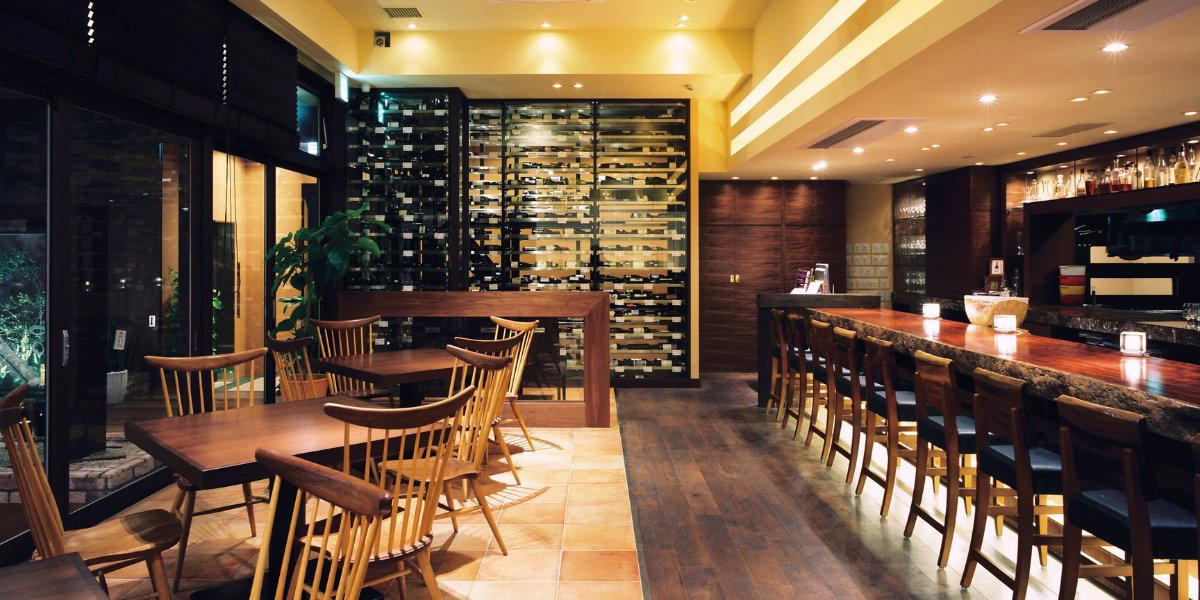
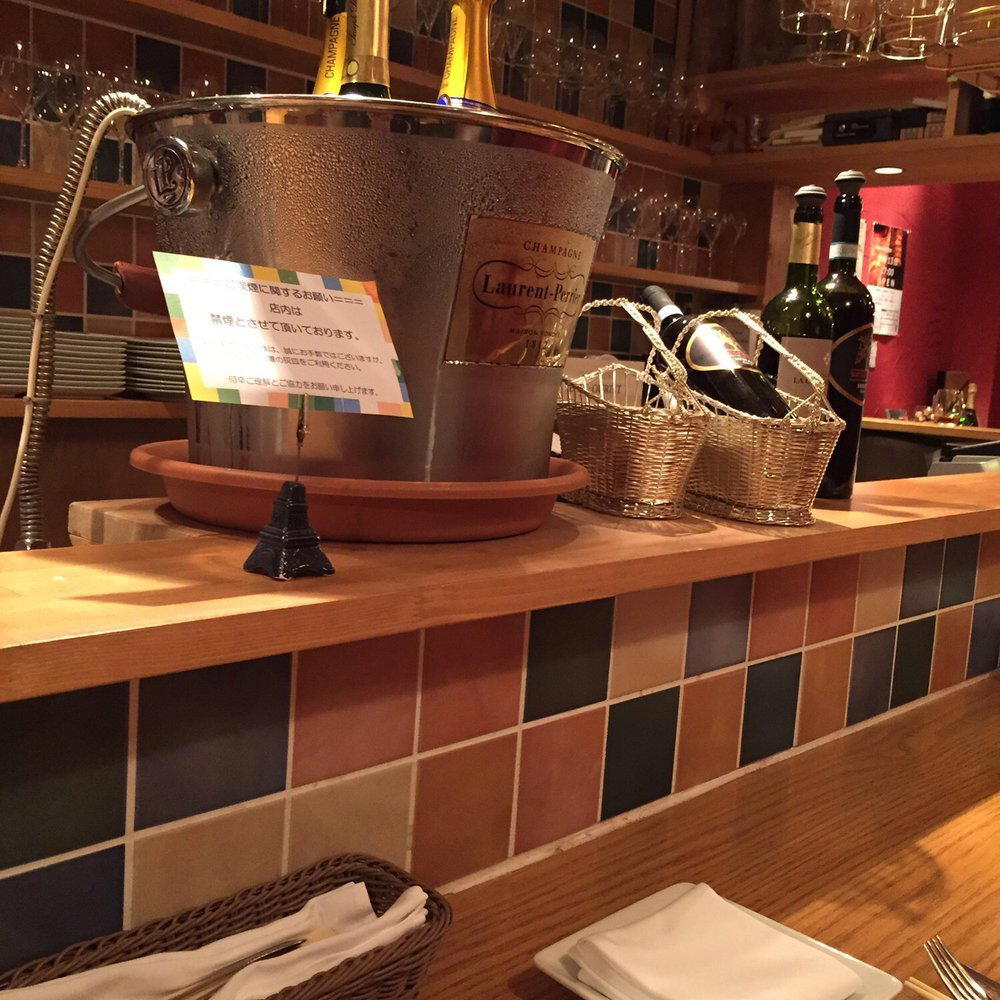
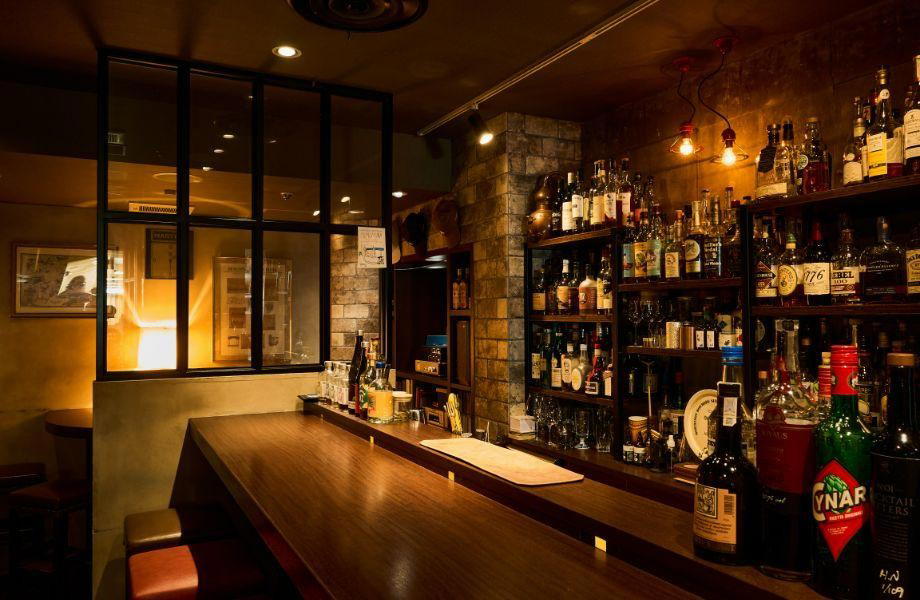
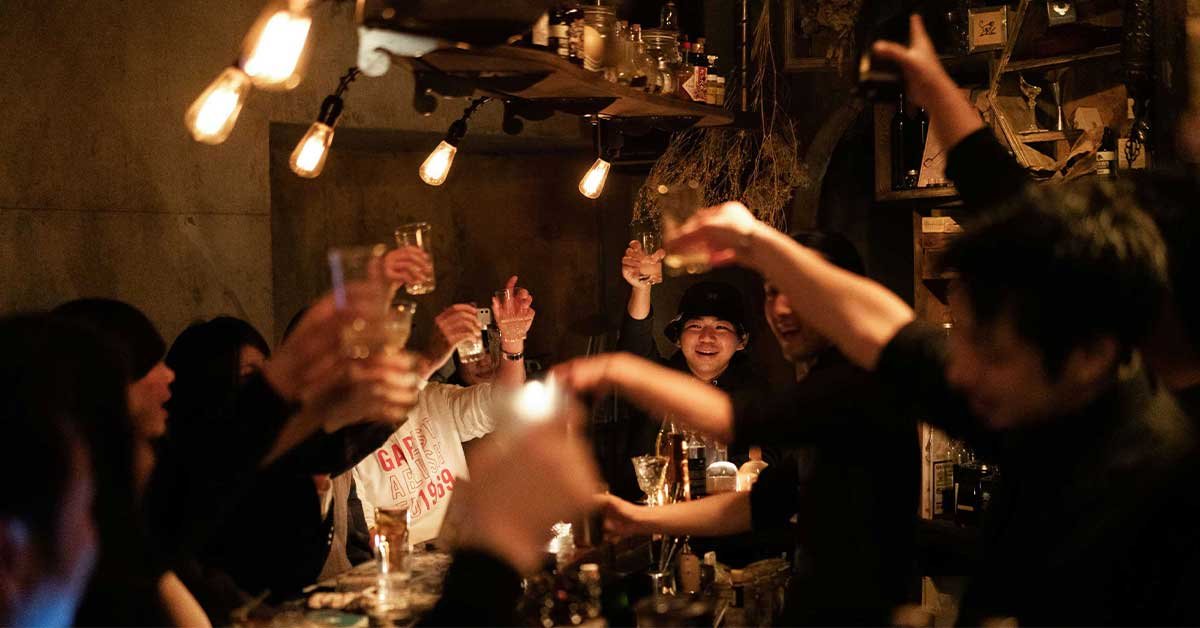
Hotels in Osaka
Browse all →



Wineries in Osaka
Browse all →
At a Glance
- Intimate
- Cozy
- Date Night
- Special Occasion
- Solo
- Business Dinner
- Chefs Counter
- Standalone
- Design Destination
- Sake Program
- Local Sourcing
- Sustainable Seafood
Current opening hours
- Monday
- 6–11 PM
- Tuesday
- 6–11 PM
- Wednesday
- 6–11 PM
- Thursday
- 6–11 PM
- Friday
- 6–11 PM
- Saturday
- 6–11 PM
- Sunday
- Closed
Hours can change for holidays and private events. Last verified .
A tiny, reservation-only counter with just seven seats, located in Osaka’s nightlife district Kitashinchi; the atmosphere is quietly convivial and focused on close interaction with the chef, with a refined but relaxed feel rather than formal luxury.