Sushi Katsuei

Our verdict
Sushi Katsuei on West Village's 6th Avenue has built a steady presence in New York's mid-tier omakase circuit, earning consecutive Opinionated About Dining recognition from 2023 through 2025. The kitchen applies Japanese sushi technique to the northeastern Atlantic seafood supply, positioning it within a downtown tier that prioritises craft over ceremony.

Pearl is the En Primeur Club membership app, where members save venues, book tables and use the concierge.
Downtown Sushi and the Atlantic Supply Chain
New York's sushi scene has never been a direct import from Japan. The city sits on the edge of one of the most diverse cold-water fisheries in the northern hemisphere, and the question that has defined its better sushi counters for decades is how rigorously Japanese technique can be applied to ingredients that arrive not from Toyosu but from the waters off Long Island, Maine, and the Carolinas.
The West Village Tier
The neighbourhood context matters here. The West Village sits in a dining tier that is distinct from Midtown's expense-account sushi rooms and from the hyper-exclusive omakase counters that have proliferated in other Manhattan zip codes. Venues in this part of the city tend to price for a repeat-visit clientele rather than a once-a-year occasion, which shapes everything from portion philosophy to the pace of service. Sushi Katsuei operates in that register: a local sushi counter with credentials that reach beyond the neighbourhood, rather than a destination restaurant that happens to be located downtown. For context, the Midtown and upper-bracket alternatives, including Bar Masa and the counter at Joji, occupy a significantly different price and ceremony tier. Shion 69 Leonard Street and Sushi Sho represent a yet more rarefied bracket of New York omakase.
Technique Meets the Atlantic
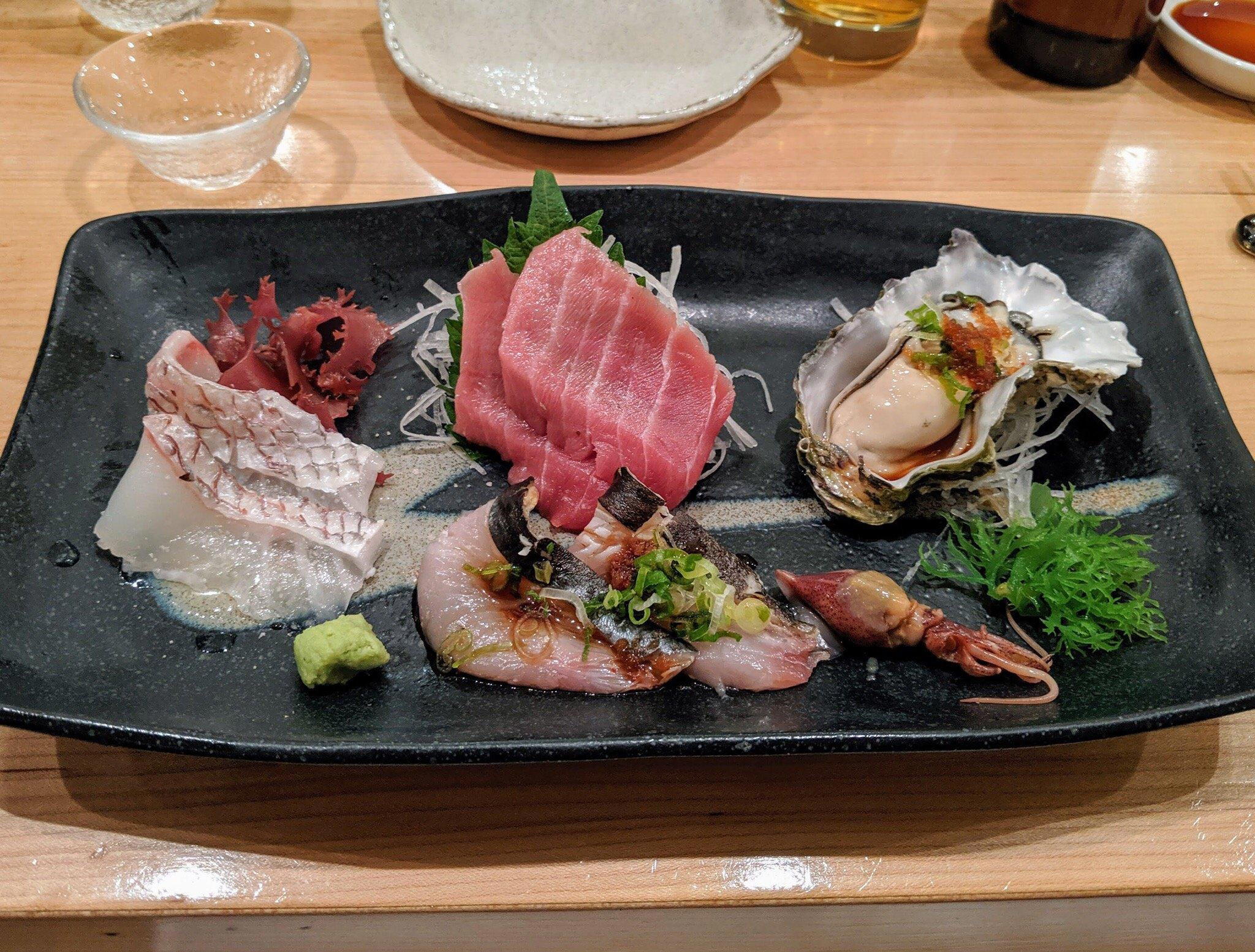
The editorial angle that makes Katsuei interesting is the same one that runs through the better sushi operations outside Japan: what happens when a tradition built on specific regional fish, specific seasonal windows, and specific aging and curing protocols encounters a completely different biological supply. Japanese sushi culture developed around the fish of Tokyo Bay and the cold Pacific, with shinier-fleshed fish, different fat profiles, and different seasonal cycles than the northeast Atlantic provides. The more thoughtful New York sushi counters have spent years developing fluency with that local supply: learning the fat cycles of Atlantic bluefin, the texture of day-boat fluke from Montauk, the curing requirements of local mackerel versus its Japanese counterpart. Sushi Katsuei's continued ascent in the OAD rankings suggests that fluency is present here. OAD's methodology is crowd-sourced from frequent diners and critics rather than inspectors, which means sustained year-on-year ranking movement reflects repeat-visitor consensus rather than a single evaluation moment. Restaurants like Lazy Bear in San Francisco, Alinea in Chicago, and The French Laundry in Napa have similarly built their reputations partly through this kind of sustained recognition from informed repeat visitors rather than purely from institutional awards.
The Sushi Counter Format in New York
Format question is worth addressing separately from the quality question. New York now has a clear hierarchy of sushi counter formats. At the leading sits the full omakase experience, typically counter-only, reservation-heavy, and priced in the hundreds of dollars per person. Below that sits a middle tier that retains a serious fish program and trained knife work but operates with broader menus, table seating alongside any counter, and prices that allow for casual revisiting. Katsuei operates at 357 6th Avenue in a format that functions for the West Village's dining rhythm rather than the destination-dining circuit. For those exploring New York's broader sushi range, Blue Ribbon Sushi represents a different version of the downtown accessible-sushi model, with late-night hours and a broader Japanese-American menu that Katsuei does not replicate.
Global Sushi Technique in Context
Placing Katsuei in a global frame is useful for understanding what the OAD recognition actually signals. The techniques that define serious sushi, the temperature discipline for rice, the knife approaches to different fish textures, the aging and curing protocols that vary by species, were developed at counters like Harutaka in Tokyo and exported to venues like Sushi Shikon in Hong Kong. The cities where that technique has grafted most successfully onto local fish supply are the ones with either strong cold-water fisheries or reliable access to Japanese import logistics. New York has both. The northeast Atlantic fishery provides bluefin tuna, various flatfish, sea urchin from Maine, and shellfish with profiles distinct from but comparable in quality to their Japanese equivalents. The JFK import route brings in fish from Tsukiji's successor market when necessary. Katsuei's position within that supply ecosystem, as reflected in its OAD climb, places it in a meaningful tier of the New York market without requiring the institutional credentialing of a Michelin listing.
Planning Your Visit
Sushi Katsuei is at 357 6th Avenue, New York, NY 10014, in the West Village, accessible from the 1, 2, and 3 subway lines at 14th Street and a short walk from the A, C, E at 14th/8th. Reservations:Budget: Timing: the venue's OAD recognition has been consistent across three annual cycles (2023, 2024, 2025), indicating stable quality rather than a peak-and-decline pattern. For broader planning across the city, consult our full New York City restaurants guide, our full New York City hotels guide, our full New York City bars guide, our full New York City wineries guide, and our full New York City experiences guide. Those planning sushi-focused trips might also reference standout counters in other cities: Providence in Los Angeles for Pacific seafood technique, Single Thread Farm in Healdsburg for Japanese-influenced ingredient sourcing, and Emeril's in New Orleans for a different model of American regional technique applied to seafood.
Frequently asked questions
Is Sushi Katsuei suitable for children?
A sushi counter format at 357 6th Avenue demands patience and quiet, qualities that make it a harder fit for young children. The OAD-ranked setting skews toward adult diners who can engage with a paced, course-driven meal. Families with older children who are comfortable at a counter and familiar with Japanese dining conventions will find it manageable.
Is Sushi Katsuei better for a quiet night or a lively one?
Katsuei runs quiet. The counter format that earned its consecutive OAD Top Restaurants in North America rankings between 2023 and 2025 favours focused dining over a social-table atmosphere. It is the kind of place where conversation happens at a register suited to the meal in front of you, not across a loud room.
Is Sushi Katsuei Michelin-listed?
Sushi Katsuei has received recognition including: Opinionated About Dining Top Restaurants in North America Ranked #427 (2025); Opinionated About Dining Top Restaurants in North America Ranked #483 (2024); Opinionated About Dining Top Restaurants in North America Recommended (2023).
What do people recommend at Sushi Katsuei?
The editorial consensus around West Village sushi at this tier tends to centre on fish sourcing and nigiri execution rather than a marquee dish.
How would you describe the cuisine at Sushi Katsuei?
How do I find Sushi Katsuei?
Sushi Katsuei is located at 357 6th Ave, New York, NY 10014, New York City.
Reputation Context
A short peer table to compare basics side-by-side.
| Venue | Cuisine | Price | Awards | Notes |
|---|---|---|---|---|
| Sushi KatsueiThis venue (the venue you are viewing) | Traditional Japanese Omakase | $50–100 | Not listed | Not listed |
| Le Bernardin | French Seafood Fine Dining | $300–500 | 3 Michelin Stars · World's 50 Best #13 | French, Seafood |
| Atomix | Modern Korean Tasting Menu | $300–500 | 2 Michelin Stars · World's 50 Best #7 | Modern Korean, Korean |
| Masa | Seasonal Hokkaido Tempura Omakase | $150–200 | Tabelog 100 #34 | Sushi, Japanese |
| Per Se | French Fine Dining Tasting Menu | $300–500 | 3 Michelin Stars · World's 50 Best #40 | French, Contemporary |
| Eleven Madison Park | Contemporary Plant-Based Fine Dining | $300–500 | 3 Michelin Stars · World's 50 Best #4 | French, Vegan |
Recognition history
Dated appearances from independent guides and award organizations, with the underlying list record or original source where available.
Opinionated About Dining Top Restaurants in North America Recommended
Opinionated About Dining
Full recognition history (4 entries)
Opinionated About Dining Top Restaurants in North America Ranked #427
Opinionated About Dining
Opinionated About Dining Top Restaurants in North America Ranked #483
Opinionated About Dining
Opinionated About Dining Top Restaurants in North America Recommended
Opinionated About Dining