
Tabelog 100 #26
Our verdict
Masamura is a Matsumoto cake and kissa address selected for Tabelog 100 Sweets EAST 2023, with a compact 20-seat room and take-out service. It suits travelers reading the city through everyday Japanese sweet culture rather than formal dining, especially those pairing coffee, cake, and a slower stop between castle walks and station-side errands.

Pearl is the En Primeur Club membership app, where members save venues, book tables and use the concierge.
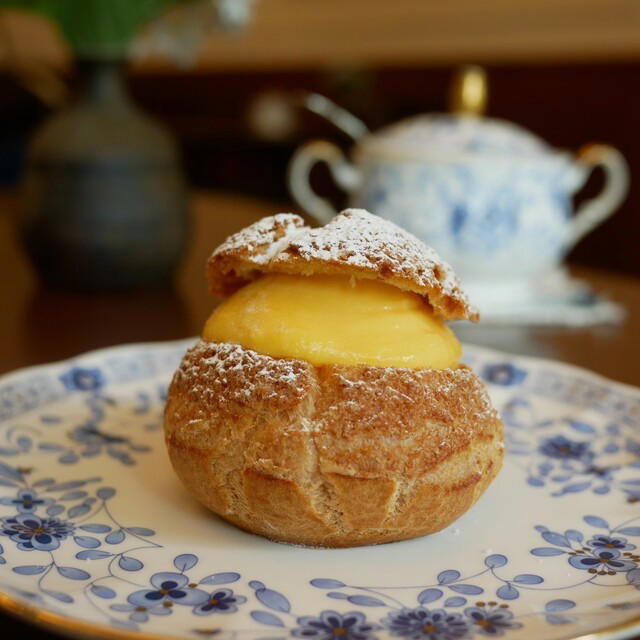
The menu
What to order
- Baby Baumkuchen
- Matsumoto Castle motif sweets
- Western‑style cakes and pastries
Matsumoto is not only postcard scenery, which is why it is useful. In the rhythm of an everyday Japanese city, shopfronts open, coffee rooms do steady trade, families collect boxed sweets, and visitors decide how much time to give to sightseeing, mountains, and lunch. Here, Masamura belongs to a Japanese tradition easy to underestimate from abroad: the cake shop and kissa as civic infrastructure, not dessert as afterthought.
Japanese sweets culture runs on two parallel tracks. Wagashi speaks through seasonal motifs, tea ceremony grammar, and regional ingredients; yōgashi, the Western-style cake tradition, filters European technique through Japanese scale, texture, and packaging discipline. The kissa sits between them as a social form, less theatrical than a cocktail bar and less time-bound than a restaurant counter. Serious cities need these rooms because they serve more than sugar: a socially acceptable pause at mid-morning, after lunch, or before onward travel.
Why a cake-and-kissa address matters in Matsumoto
Matsumoto’s dining identity is often read through regional specialties, local drinking culture, and seasonal produce, but its quieter food culture is built just as much around coffee rooms and confectioners. For travelers, that changes the day’s pacing. A sweets stop here is not a throwaway between meals; it shows how regional Japanese cities absorb outside culinary forms without turning them into hotel-lobby luxury.
Masamura’s selection for Tabelog 100 Sweets EAST 2023 places it in a competitive sweets category extending beyond a casual local listing. That recognition is not a Michelin star and should not be read like one. It is a category marker: a sweets specialist with enough local and reviewer attention to register beyond an ordinary neighborhood entry. In a city where destination dining often means dinner reservations and regional set meals, that makes the daytime format part of the itinerary, not a consolation prize.
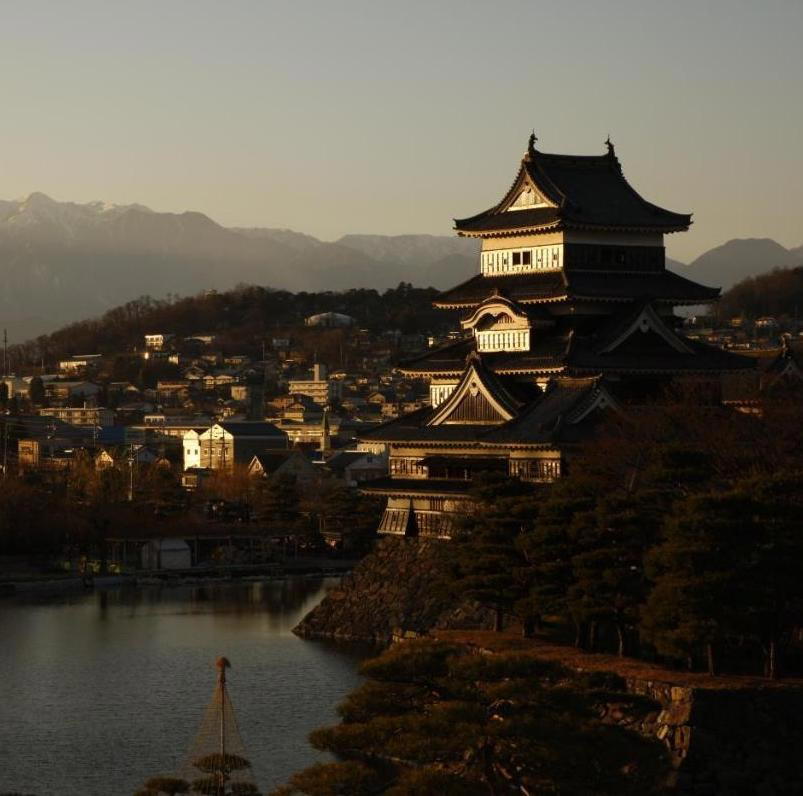
The useful comparison is not a full dinner room such as Furin Kazan, where spend and format belong to another part of the day. It is closer to the old Japanese habit of using coffee and sweets as a reset between movement and obligation. For a broader read on how the city balances casual, regional, and destination dining, Our full Matsumoto restaurants guide gives the frame, while other Matsumoto dining rooms show how varied the city’s table culture becomes once the search moves beyond one regional specialty.
The room belongs to the kissa tradition, not the destination-dining script
The category explains how to approach it. A kissa is not built around a modern tasting-menu arc or the performance of a chef behind a counter. Its value lies in cadence: a room for coffee service, cakes, and a clientele of families, friends, regulars, and travelers using the stop as a practical break. The format rewards restraint. It suits anyone who understands that Japanese food culture often shows itself more clearly in modest daily rituals than in ceremonial spending, and not those seeking a long, narrated meal.
That distinction matters in Matsumoto, a city that asks for walking. Museum visits, sightseeing, and transport logistics create natural pauses, and better food decisions come from matching format to energy rather than chasing one grand meal. Masamura works in that register: casual in function, anchored in sweets rather than savory dining, and closer in spirit to a neighborhood coffee room than to a destination restaurant.
There is also a reason not to overstate the pastry-shop narrative. Japan’s yōgashi culture is adaptation, not imitation: smaller portions, careful packaging, clean sweetness, and a strong gift-giving economy. In regional cities, cake shops can be both social rooms and places to buy sweets to carry away, so the retail side matters as much as sitting down. Treat the stop as part of that system, not Parisian pâtisserie transplanted whole into Nagano.
How to place it in a Matsumoto day
The strongest use case is a daytime pause, not a meal replacement. Build a Matsumoto day around the city’s broader food grammar: a regional lunch, coffee and cake as the interval, then a more substantial dinner if the itinerary allows. In that sequence, this address supplies contrast: lighter than dinner, more local than a hotel café, and more culturally specific than a generic station snack.
The planning logic changes for mixed groups. A cake-and-kissa format can be easier to fold into the day than a longer meal, especially when travelers have different appetites or attention spans. The coffee-shop tradition here reads as accessible rather than ceremonial, particularly for people moving through the city by day and wanting a pause that still feels rooted in local routine.
For a full stay, the sweets stop should sit inside a wider Matsumoto plan rather than carry it alone. Hotels shape how easily a morning or afternoon pause fits, so Our full Matsumoto hotels guide is the practical companion. Evenings have another rhythm; Our full Matsumoto bars guide covers that side of the city, while Our full Matsumoto wineries guide and Our full Matsumoto experiences guide place Nagano’s broader food-and-drink culture around the visit.
Travelers comparing Japanese casual formats beyond Matsumoto can read across the wider EP Club archive in more general terms: everyday food categories travel differently by city, and coffee shops, sweets counters, casual grills, curry rooms, and Japanese drinking formats each change according to local demand. Outside Japan, similar formats offer another lens on how Japanese food culture is translated abroad, but Masamura is best understood first as a Matsumoto cake-and-kissa address.
The verdict is simple: come for the cultural read as much as the cake. In Matsumoto, a recognized sweets-and-kissa address gives the day a softer middle, linking local routine, Japanese coffee culture, and the precise hospitality of a small room. It is not trying to compete with the city’s dinner addresses, which is exactly why it belongs in a serious itinerary.
Frequently asked questions
Is Masamura suitable for children?
Masamura is best approached as a cake-and-kissa stop in Matsumoto rather than a long dining-room commitment. Check the venue's official channels for the latest details.
What should I expect atmosphere-wise at Masamura?
Expect a kissa-style format rather than a dining-room script: coffee, cake, and a practical pause in Matsumoto.
Is Masamura expensive?
Pricing at Masamura is listed as - JPY 999 - JPY 999.
What are Masamura's hours?
Check Masamura's official channels for current hours before visiting.
What part of town is Masamura in?
Matsumoto.
What is Masamura known for?
Masamura is listed in Tabelog 100 Sweets EAST 2023, which is the clearest trust signal here. Its profile also places it in the cake and kissa categories.
A Pricing-First Comparison
Nearby venues at a similar price tier for orientation.
| Venue | Cuisine | Price | Awards | Notes |
|---|---|---|---|---|
| MasamuraThis venue (the venue you are viewing) | Traditional Japanese cake & confectionery shop | $1–10 | Tabelog 100 #26 | Not listed |
| Sake to yuki | Nagano Izakaya with Local Sake | Not listed | Not listed | Ōte, Nagano Izakaya with Local Sake |
| Nomugi | Traditional Soba Noodle Shop | $10–20 | Tabelog 100 #90 | Nakamachi / Chuo, Traditional Soba Noodle Shop |
| Usagiya | Seasonal Shinshu Izakaya | $30–50 | Tabelog 100 #66 | Chuo, Seasonal Shinshu Izakaya |
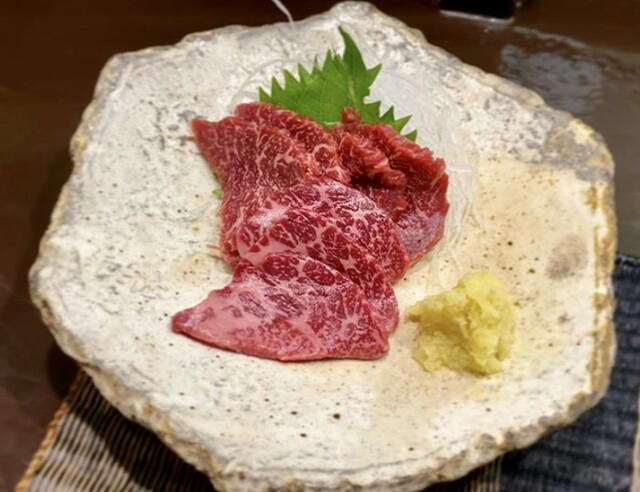
| Kiku Zou | Seasonal Japanese & regional cuisine with horse sashimi and hot‑pot courses | $50–100 | Tabelog 100 #90 | near Matsumoto Castle / Higashikouji, Seasonal Japanese & regional cuisine with horse sashimi and hot‑pot courses |
| Alpenrose | Casual yoshoku in a mountain-lodge hotel restaurant | $30–50 | Tabelog 100 #82 | Kamikochi, Casual yoshoku in a mountain-lodge hotel restaurant |
Recognition history
Dated appearances from independent guides and award organizations, with the underlying list record or original source where available.
Tabelog 100 #26 · No. 26
Tabelog · Tabelog 100 - Sweets - EAST - 2023
Continue exploring
More in Matsumoto
Restaurants in Matsumoto
All restaurants in Matsumoto →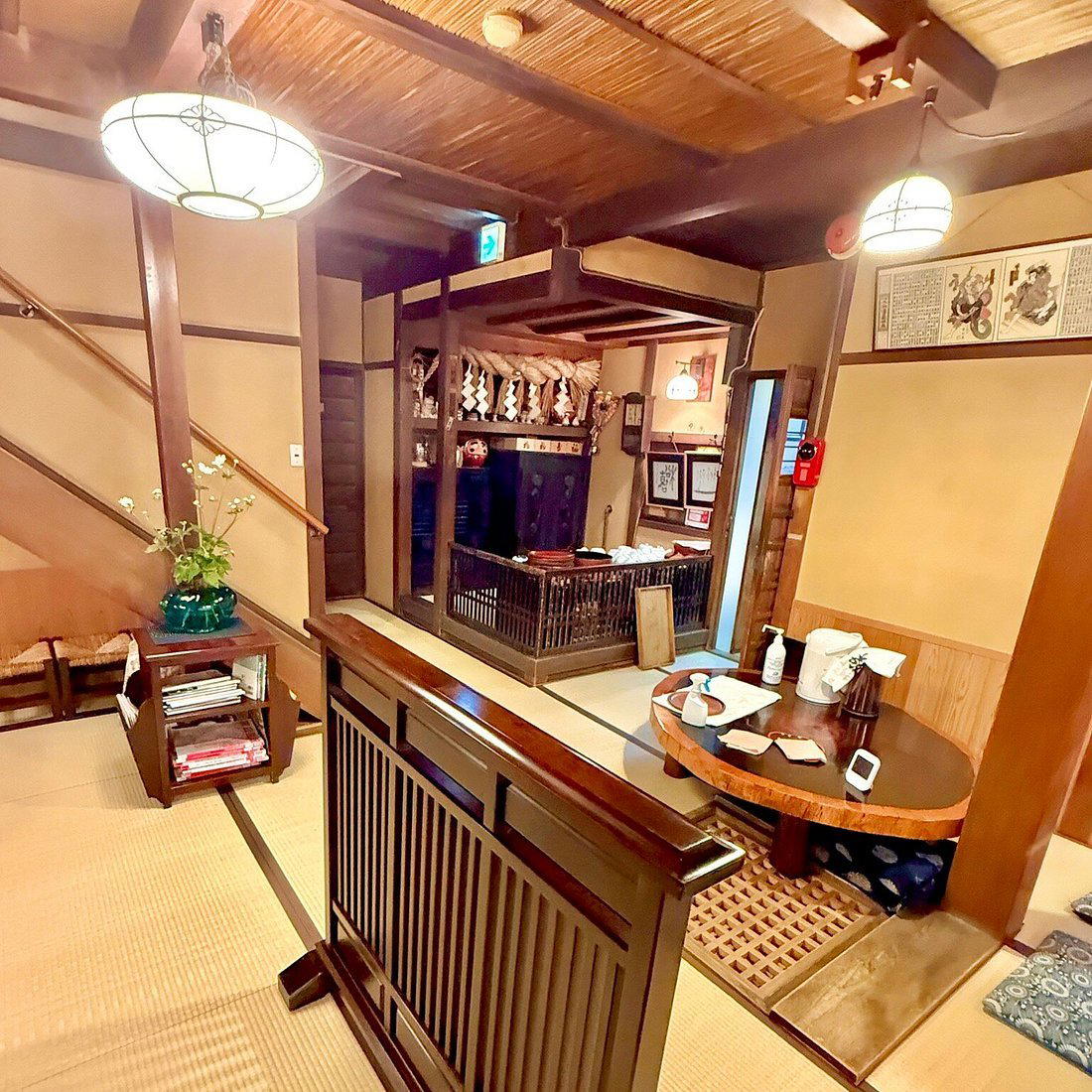

Details
- Classic
- Cozy
- Quiet
- Solo
- Family
- Casual Hangout
- After Work
- Standalone
- Historic Building
- A La Carte
- Counter Dining
- Coffee
- Tea
Current opening hours
- Monday
- 9 AM–6 PM
- Tuesday
- Closed
- Wednesday
- 9 AM–6 PM
- Thursday
- 9 AM–6 PM
- Friday
- 9 AM–6 PM
- Saturday
- 9 AM–6 PM
- Sunday
- 9 AM–6 PM
Hours can change for holidays and private events. Last verified .
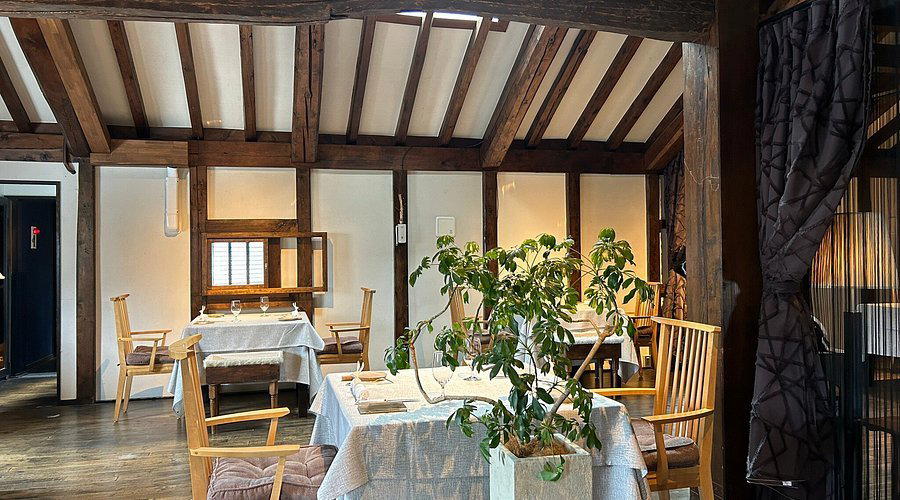
A nostalgic, old‑school Japanese confectionery and kissaten style cake shop with neat glass showcases of cakes and wagashi, simple table seating, and a calm, unhurried atmosphere suited to quiet coffee and sweets rather than a bustling restaurant scene.