Sungho

Michelin Plate
Our verdict
The kitchen draws on the slow-cooked stew and soup tradition that anchors Korean home cooking, placing it in a mid-price tier where depth of flavour carries more weight than format spectacle.

Pearl is the En Primeur Club membership app, where members save venues, book tables and use the concierge.
The menu
What to order
- Pork Bone Soup
- Homemade Jokbal
- Bossam
- Spicy Marinated Crab
- Seafood Pancake
Warmth on Hyde Street: San Francisco's Korean Stew Tradition
The Tenderloin has never been San Francisco's most obvious dining address, but the neighbourhood's density of working kitchens and lower commercial rents have consistently allowed focused, ingredient-driven restaurants to operate without the overhead pressures that push menus toward performance. Korean cooking, with its reliance on slow heat, fermented foundations, and deeply reduced broths, suits this kind of environment. The food asks for time rather than theatre, and Sungho, at 250 Hyde Street, is a direct expression of that logic.
A Michelin Plate in 2025 positions Sungho within a recognised tier of San Francisco dining, not the three-star stratosphere occupied by Atelier Crenn or the elaborate tasting formats of Lazy Bear, but a credentialed mid-range where the Michelin inspectorate has affirmed cooking quality without the ceremony of starred dining. In San Francisco's Korean scene, that recognition is meaningful. The city has a smaller Korean dining footprint than Los Angeles, which means individual venues carry more representational weight within the category.
The Stew Tradition in Korean Cooking
Jjigae, sundubu, gamjatang: these are not supporting dishes in Korean cuisine. They are the structural centre of a meal, and the quality of a Korean kitchen is frequently read through how it handles them. A sundubu-jjigae, the silken tofu stew traditionally finished with a raw egg cracked into the pot at the table, demands a broth that has been built in stages, dried anchovy, kelp, fermented paste, aromatics, with each layer contributing without overwhelming the final result. Gamjatang, the pork neck and potato stew cooked with perilla and doenjang, is a longer proposition still, relying on hours of low simmering to pull collagen from the bone and dissolve it into the liquid. These are not dishes that benefit from shortcuts.
The Korean stew tradition also carries social weight. Jjigae arrives in earthenware pots still at a rolling boil, designed to be shared from the centre of the table, eaten slowly over the course of a meal. The format assumes time and a degree of communal attention that is increasingly rare in urban restaurant settings oriented around rapid turnover. Venues that hold to this format are making a deliberate choice about the dining experience they want to offer.
San Francisco's Korean dining scene has developed across two distinct registers. On one end, there are the larger, louder barbecue formats built around tableside grills, high volume, and late-night energy. On the other, a smaller group of kitchens has maintained the soup and stew tradition with less fanfare. Daeho Kalbijim & Beef Soup represents the braised and soupy end of that second register, while Bansang and Ssal operate within a more contemporary Korean framing. Sungho sits closest to the traditional stew-centred approach, which is where its 2025 Michelin Plate carries the most specific meaning.
Price, Positioning, and What the $$ Tier Means Here
At the $$ price tier, Sungho operates well below the cost structure of San Francisco's high-end contemporary restaurants. That comparison is instructive rather than reductive. A tasting menu at The French Laundry in Napa or Single Thread Farm in Healdsburg represents a different category of transaction entirely. Even within the city, venues like Alinea in Chicago or Le Bernardin in New York occupy price brackets that reframe the entire dining occasion. Sungho's value proposition is different: Michelin-recognised cooking at a price point that allows repeat visits without the calendar-and-budget planning that high-end tasting menus require.
That positioning is not a consolation prize. In Korean culinary terms, the most technically demanding cooking often exists at this price tier. The labour investment in a proper gamjatang broth or a correctly fermented kimchi base is not visible in the final price the way it might be in a Western fine dining context. The cost of slow cooking is absorbed into the kitchen's process rather than itemised on the menu.
Korean Dining in Context: Seoul and San Francisco
The reference point for contemporary Korean fine dining increasingly runs through Seoul rather than through the diaspora restaurant circuit. Mingles and Kwonsooksoo represent the upper register of that Seoul conversation, where Korean ingredients and techniques are worked into international fine dining formats. San Francisco's Korean kitchens, including Sungho, operate in a different register, less interested in reframing the cuisine for fine dining ceremony, more focused on maintaining the cooking traditions that made the cuisine worth exporting in the first place.
That is not a criticism. The stew and soup tradition, in particular, requires no reframing to justify itself. The depth achievable through slow reduction and fermentation is not a technique waiting to be modernised; it is a fully developed culinary language with its own standards and its own history. Kitchens that work within it seriously are doing something that deserves recognition on its own terms, which is precisely what the Michelin Plate designation acknowledges without overstating.
For readers building a broader picture of San Francisco dining, the full San Francisco restaurants guide covers the city's range across price tiers and cuisines. The San Francisco hotels guide, bars guide, wineries guide, and experiences guide extend that coverage across the city. Further afield, Emeril's in New Orleans and Providence in Los Angeles round out the West Coast and Gulf South dining picture for travellers covering multiple cities.
Planning Your Visit
| Detail | Sungho | Bansang | Daeho Kalbijim & Beef Soup |
|---|---|---|---|
| Address | 250 Hyde St, SF | San Francisco | San Francisco |
| Price Tier | $$ | $$ | $$ |
| Michelin Recognition | Plate (2025) | Check current | Check current |
| Check current | Check current | ||
| Primary Format | Korean stew/soup | Contemporary Korean | Kalbijim & beef soup |
Sungho's address in the Tenderloin is accessible from both the Civic Center BART station and several Muni lines running along Hyde and Larkin streets. Phone and booking details are not currently listed; walk-in availability is the most reliable approach for first visits, particularly during off-peak lunch hours when the stew format is well suited to a slower midday pace.
What Dish Is Sungho Famous For?
Sungho's recognition within San Francisco's Korean dining scene connects most directly to its stew and soup cooking, the category anchored by dishes like jjigae and gamjatang that define the slow-heat tradition at the centre of Korean home and restaurant cooking. The kitchen's 2025 Michelin Plate affirms the cooking quality at a price point where that kind of technical depth is not always the default.
Budget Reality Check
Comparable venues nearby, for context on price, style, and recognition.
| Venue | Cuisine | Price | Awards | Notes |
|---|---|---|---|---|
| SunghoThis venue (the venue you are viewing) | Authentic Korean Comfort Food | $30–50 | Michelin Plate | Not listed |
| Mission Chinese Food | Modern Sichuan Fusion | $30–50 | James Beard Award Rising Star Chef of the Year | Mission, Modern Sichuan Fusion |
| Café Romanat | Authentic Ethiopian | $20–30 | Michelin Plate | Lakeshore, Authentic Ethiopian |
| HRD Smokin' Grill | Korean-Asian Fusion BBQ | Not listed | Not listed | North Beach, Korean-Asian Fusion BBQ |
| Surisan | Modern Korean Fusion | $20–30 | Not listed | North Beach, Modern Korean Fusion |
| My Tofu House | Korean Soft Tofu House | $20–30 | Not listed | Inner Richmond, Korean Soft Tofu House |
Recognition history
Dated appearances from independent guides and award organizations, with the underlying list record or original source where available.
Michelin Plate
Michelin · 2026 Michelin Plate
Full recognition history (2 entries)
Michelin Plate
Michelin
Continue exploring
More in San Francisco
Restaurants in San Francisco
All restaurants in San Francisco →
Bars in San Francisco
All bars in San Francisco →

Details
- Cozy
- Quiet
- Classic
- Casual Hangout
- Group Dining
- Solo
- Standalone
- Local Sourcing
- A La Carte
- Family Style
- Vegetarian Friendly
- Gluten Free Options
- Allergy Accommodating
Current opening hours
- Monday
- 5–10 PM
- Tuesday
- 5–10 PM
- Wednesday
- Closed
- Thursday
- 5–10 PM
- Friday
- 5–10 PM
- Saturday
- 5–10 PM
- Sunday
- 5–10 PM
Hours can change for holidays and private events. Hours as of .
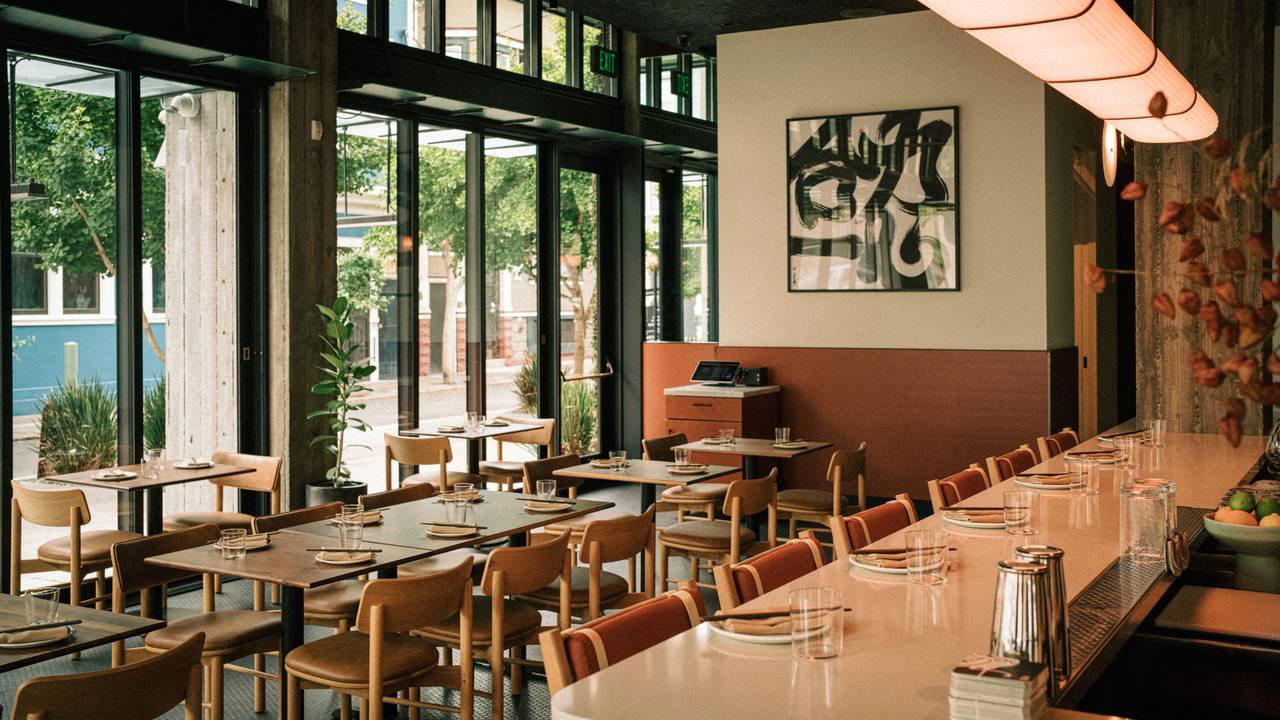
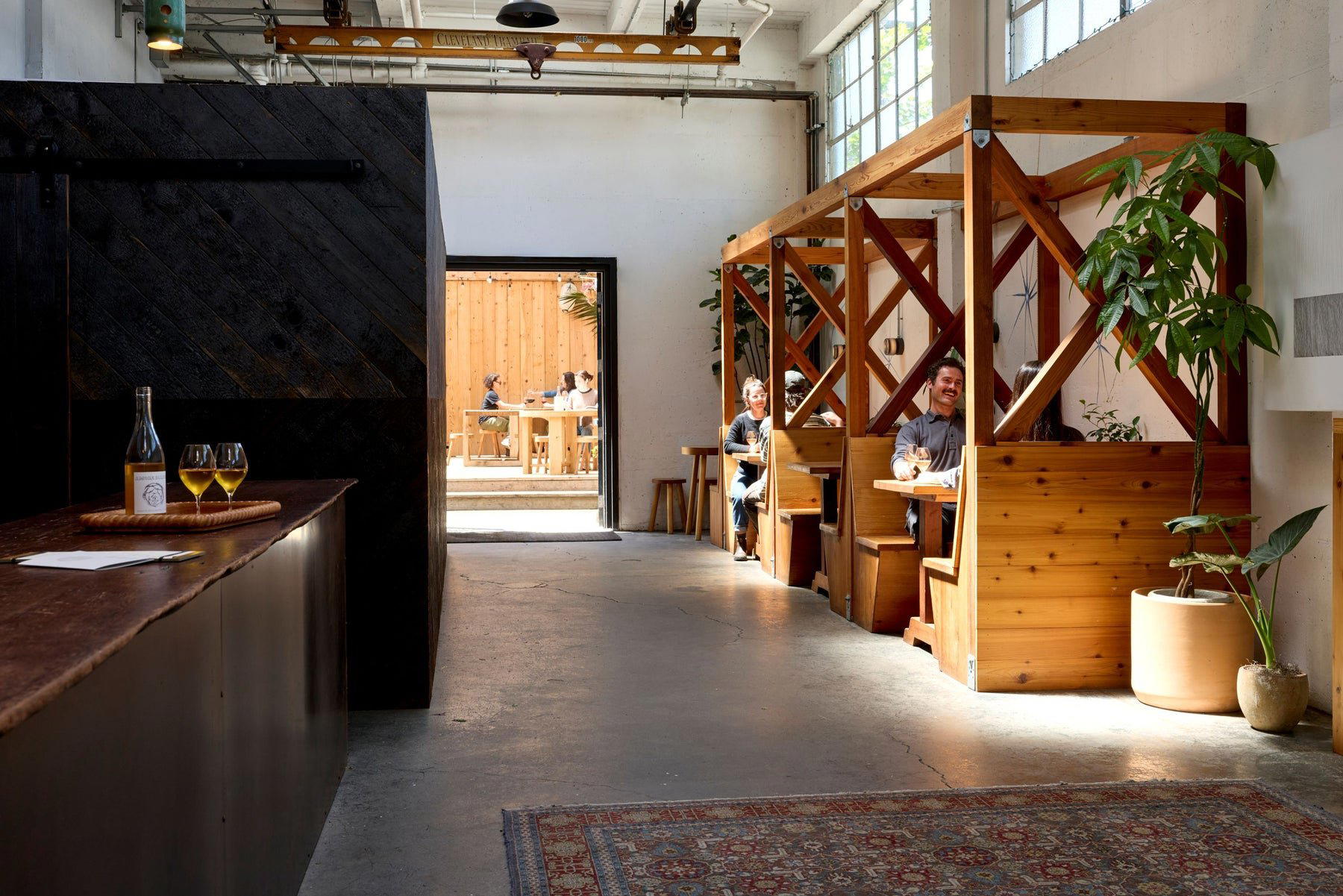
Tranquil and calm atmosphere with neatly arranged dining; warm hospitality and inviting ambiance that makes visits memorable.