



Summer Palace Hong Kong delivers Michelin-starred Cantonese excellence within the Island Shangri-La, where Executive Chef Leung Yu King's three-decade mastery creates well-known dishes like braised Yoshihama abalone and double-boiled soups. This imperial-inspired dining room has remained Hong Kong's most coveted Chinese restaurant since 1991.
Pearl is the En Primeur Club membership app — saves, bookings, and concierge access live there. Same editors, same standards.
- Address
- Level 5, Pacific Place, Supreme Ct Rd, Central, Hong Kong
- Phone
- +852 2820 8552
- Website
- shangri-la.com
- Directions
- Get directions
 Saves & bookings on Pearl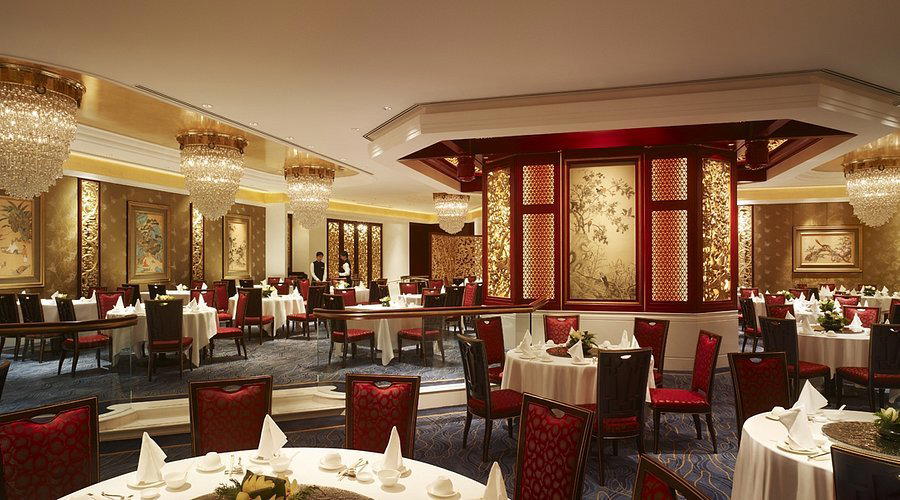
The Room Before the Food
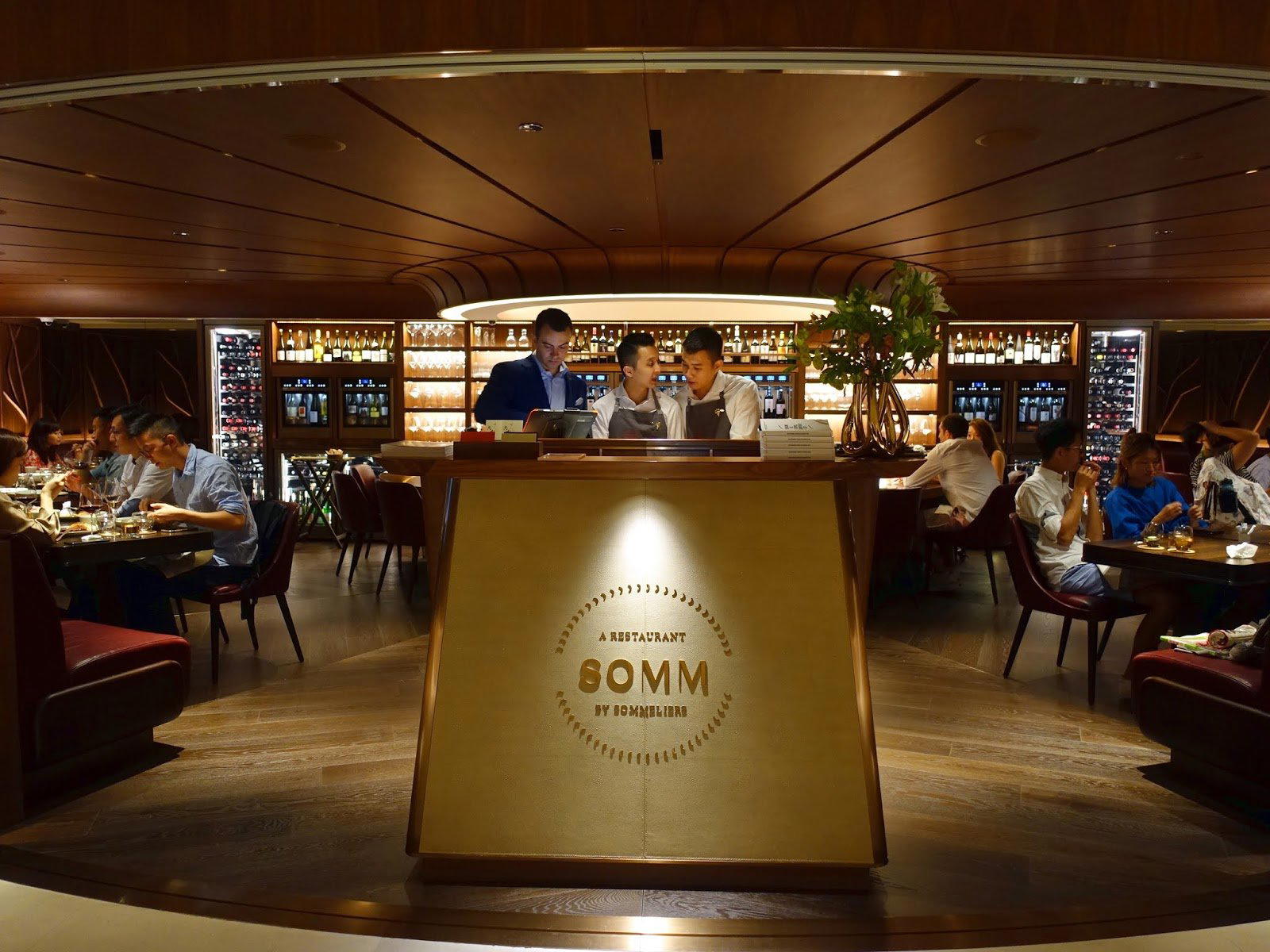
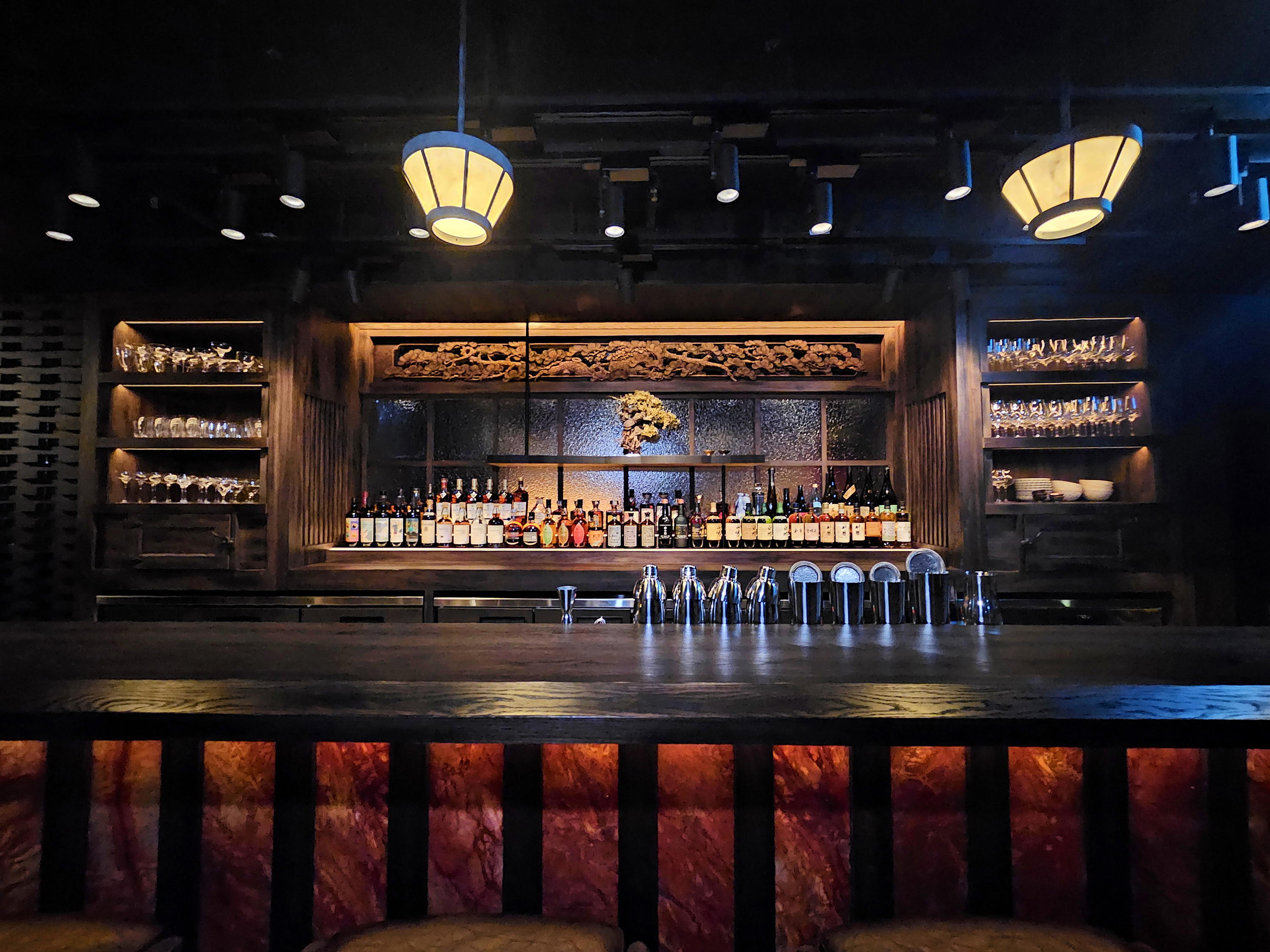
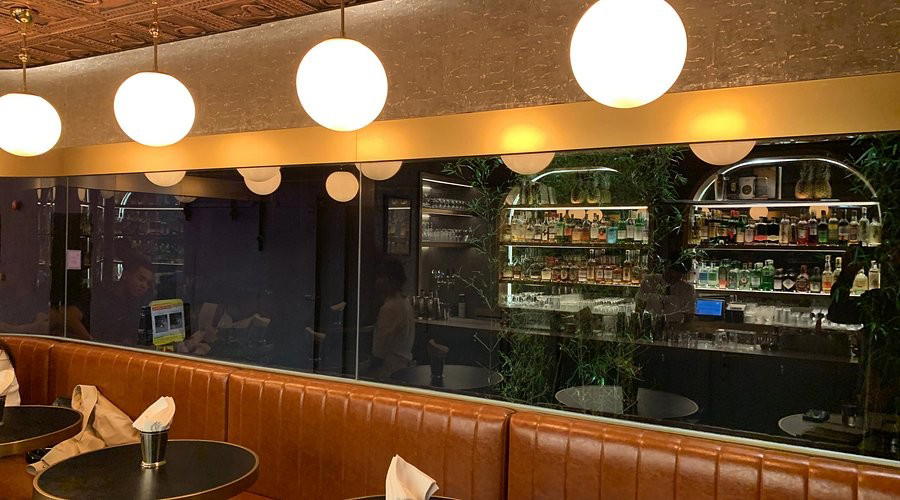
Summer Palace is a one-Michelin-star Cantonese restaurant in Central, Hong Kong, at Level 5, Pacific Place, with a smart casual dress code and an essential reservation policy. The room that greets you at Summer Palace does not try to signal modernity. The interiors draw from the architectural grammar of imperial Beijing: lacquered screens, carved detailing, warm lighting that reads as amber rather than white. In a city that cycles through restaurant redesigns with the frequency of a fashion season, this particular aesthetic commitment has held. That consistency reflects the restaurant's positioning.
Where Summer Palace Sits in Hong Kong's Cantonese Tier
Hong Kong's formal Cantonese dining scene has consolidated around a relatively small number of addresses that hold Michelin recognition and sustained critical placement simultaneously. Summer Palace holds one Michelin star and ranked #194 on Opinionated About Dining's Asia list in 2024, moving to #215 in 2025. Retaining a position inside that bracket across multiple consecutive years carries more signal than a single-year appearance would. T'ang Court and Lung King Heen operate in an adjacent tier of formal Cantonese, while Lai Ching Heen and Forum each occupy a distinct niche within the same general category. The restaurant's price point places it one bracket below the city's most expensive tasting-menu rooms.
The Sourcing Argument in a Cantonese Kitchen
Cantonese cooking is, at its structural core, an argument about ingredients. The cuisine's restrained technique, shorter cook times, lighter saucing, preference for steaming and poaching over deep transformation, means that the sourcing conversation is not optional. What you put in is close to what comes out, which makes provenance decisions consequential in a way that heavier-handed culinary traditions can occasionally obscure.
The braised Yoshihama abalone in oyster sauce on the restaurant's menu is a useful illustration of this principle. Yoshihama abalone, sourced from the Pacific coast of Japan's Chiba Prefecture, is among the more referenced single-origin shellfish in high-end Chinese cooking across the region. The decision to specify the origin rather than simply listing "abalone" is a sourcing declaration as much as a menu description. At comparable Cantonese addresses, Jade Dragon in Macau, Le Palais in Taipei, the same conversation plays out through premium dried seafood and seasonal live catches. The ingredient hierarchy is broadly shared; what differs is how each kitchen applies it.
Double-boiled soups occupy a similar position in the sourcing logic. The technique extracts depth through extended, slow heat transfer without agitation, which means that the quality of whatever goes into the vessel determines the quality of what comes out. There is no masking correction available after the fact. Kitchens that commit to double-boiled soups as signature items are, in practical terms, committing to sourcing standards that cannot be fudged at the end of service.
The Dim Sum Question
The Saturday and Sunday lunch window at the restaurant (11:00 AM to 3:30 PM, thirty minutes longer than the weekday service) is the format that generates greater interest. Cantonese dim sum at this tier sits in a different competitive register from the high-volume dim sum houses that define Hong Kong's broader yum cha culture. The room at Pacific Place runs quieter, the trolley system is absent, and the kitchen operates on an order-led basis that gives individual dishes more attention than a continuous trolley circuit permits.
The dim sum program functions as a technical credentialing exercise, demonstrating knife work, steaming precision, and pastry handling in a condensed format. Comparable programs at Summer Pavilion in Singapore or Chef Tam's Seasons in Macau operate on similar premises: the dim sum is not an appetizer category but a discipline unto itself.
The Seasonal Layer
OAD listing notes that the kitchen offers seasonal items beyond the standard menu, which in a Cantonese kitchen at this level is a meaningful operational detail. Seasonal Cantonese cooking tracks a lunar agricultural calendar that differs from the European seasonal model most international diners apply by default. Hairy crab season (mid-autumn through early winter) shifts the menu toward crab roe preparations and specific rice dishes. Spring produces a different set of live seafood arrivals. Asking about seasonal offerings at the point of ordering is the correct approach rather than assuming the printed menu captures the full range on any given visit.
Regional Cantonese restaurants in other cities handle this seasonal cycle differently depending on supply chain access. Operations in Shanghai, like 102 House, Bao Li Xuan, and Canton 8 (Huangpu), draw from Yangtze delta sourcing networks that partially overlap with Hong Kong's but diverge on specific seafood categories. Hong Kong's proximity to Guangdong province and its established live seafood logistics give kitchens here a structural advantage in seasonal freshness that the city's leading Cantonese restaurants actively exploit. Imperial Treasure Fine Chinese Cuisine in Shanghai and Rùn in Hong Kong each navigate this supply geography differently, but the underlying premise, that Cantonese food quality tracks ingredient seasonality more directly than most cuisines, holds across all of them.
Chef Leung Yu King and the Kitchen's Positioning
Chef Leung Yu King helms the kitchen. Chef Leung Yu King helms the kitchen, and the sustained multi-year OAD placement and concurrent Michelin star confirm that the kitchen has maintained its standard across critical cycles. Within Hong Kong's formal Cantonese comparable set, that kind of tenure record carries weight that newcomer recognition alone cannot replicate.
Planning Your Visit
| Detail | The restaurant | Peer Range (HK Formal Cantonese) |
|---|---|---|
| Price tier | $$$ | $$$ to $$$$ |
| Weekday lunch | 11:30 AM to 3:00 PM | Typically 11:30 AM to 3:00 PM |
| Weekend lunch | 11:00 AM to 3:30 PM | 11:00 AM to 3:30 PM (varies) |
| Dinner | 6:00 PM to 10:00 PM daily | 6:00 PM to 10:30 PM (varies) |
| Location | Level 5, Pacific Place, Central | Primarily Central, Tsim Sha Tsui |
| Recognition | Michelin 1 Star; OAD #194 (2024) | 1 to 3 Michelin stars across comparable set |
| Booking pressure | High at lunch; book several days ahead | High across the tier |
Pacific Place is directly accessible from Admiralty MTR station (Island Line and South Island Line), making the address direct to reach from anywhere on Hong Kong Island or from Kowloon via interchange. For a broader overview of where the restaurant fits within the city's full dining range, see our full Hong Kong restaurants guide.
Peers Worth Knowing
Comparable venues nearby, for context on price, style, and recognition.
| Venue | Cuisine | Price | Notes |
|---|---|---|---|
| Summer PalaceThis venue — the venue you are viewing | Classic Cantonese Fine Dining | $$$$ | Not listed |
| Spring Moon | Classic Cantonese | $$$$ | Yau Tsim Mong South |
| Seventh Son Restaurant | Traditional Cantonese Roast Meats and Dim Sum | $$$$ | Wan Chai |
| Sushi Saito | Edomae Omakase Sushi | $$$$ | Central |
| Mora 摩 | Modern French-Chinese Soy-Focused | $$$$ | Central |
| Imperial Treasure Fine Chinese Cuisine - Hong Kong | Fine Cantonese Cuisine | $$$$ | Yau Tsim Mong South |
Recognition history
Dated appearances from independent guides and award organizations, with the underlying list record or original source where available.
Michelin 1 Star
Michelin
Opinionated About Dining Top Restaurants in Asia Recommended
Opinionated About Dining
SCMP 100 Top Tables Restaurants
SCMP 100 Top Tables
Michelin 1 Star
Michelin
Michelin Plate
Michelin
Opinionated About Dining Top Restaurants in Asia Ranked #215
Opinionated About Dining
Michelin 1 Star
Michelin
Opinionated About Dining Top Restaurants in Asia Ranked #194
Opinionated About Dining
World's Best Wine Lists Awards WBWL 2-Star
World's Best Wine Lists Awards
Opinionated About Dining Top Restaurants in Asia Highly Recommended
Opinionated About Dining
Continue exploring
More in Hong Kong
More from Chef Leung Yu King
Browse all →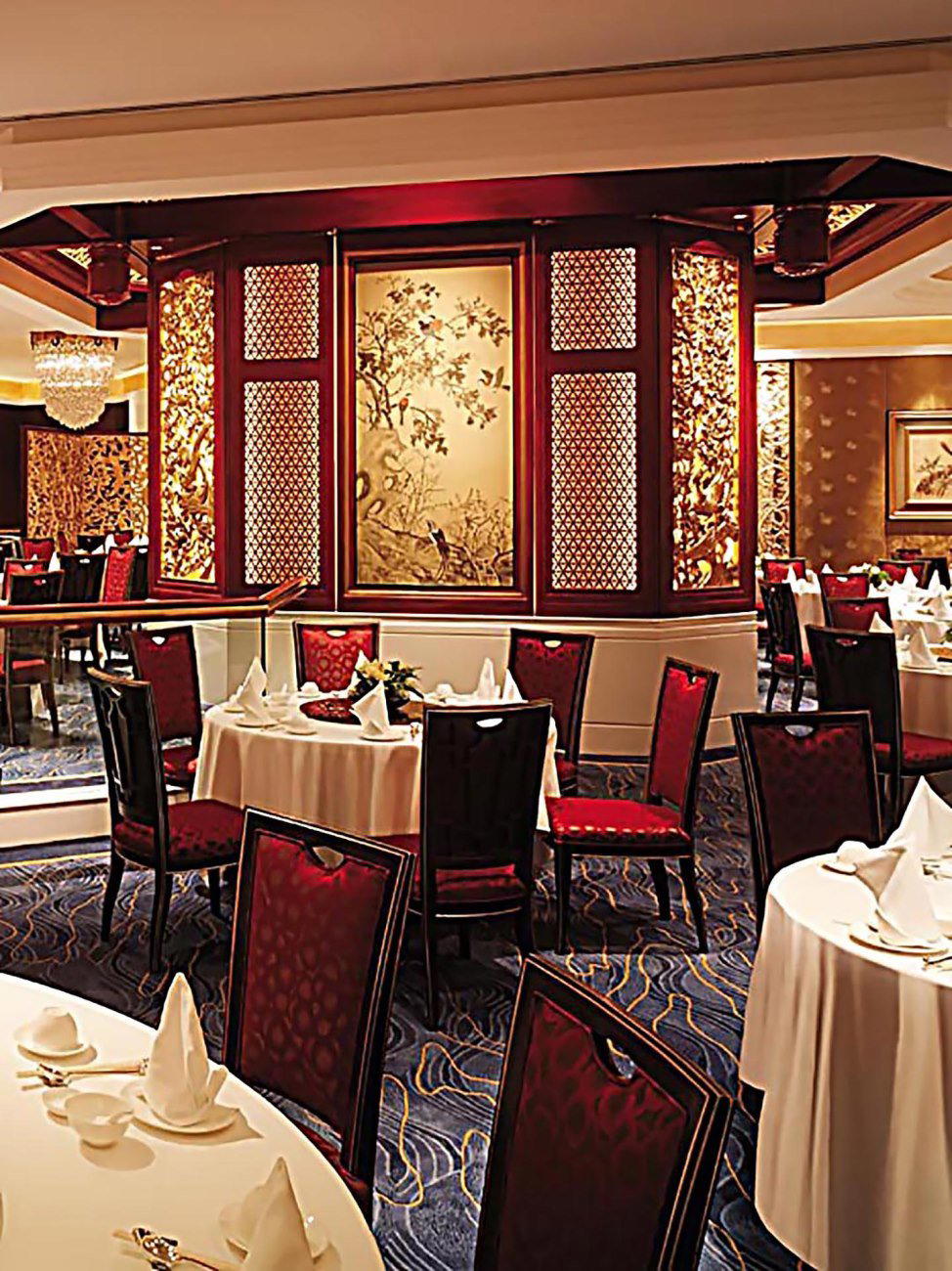
Restaurants in Hong Kong
Browse all →
Bars in Hong Kong
Browse all →
At a Glance
- Elegant
- Ornate
- Classic
- Sophisticated
- Business Dinner
- Special Occasion
- Celebration
- Hotel Restaurant
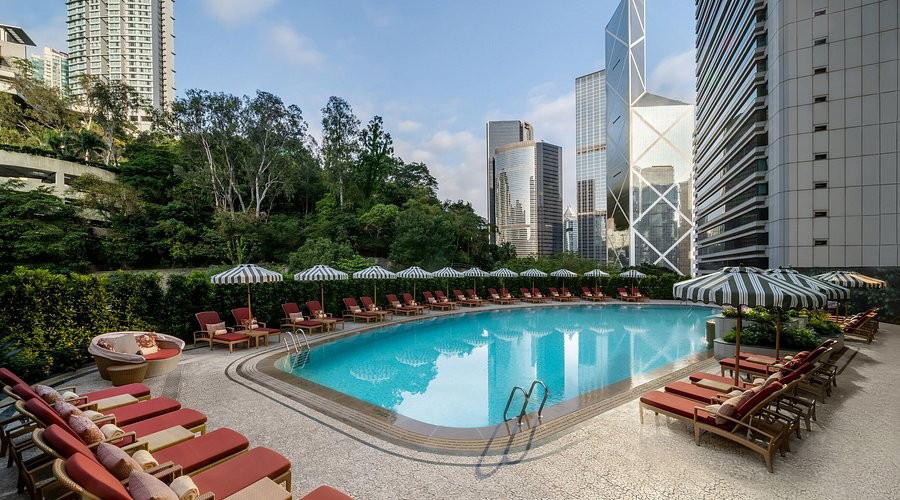
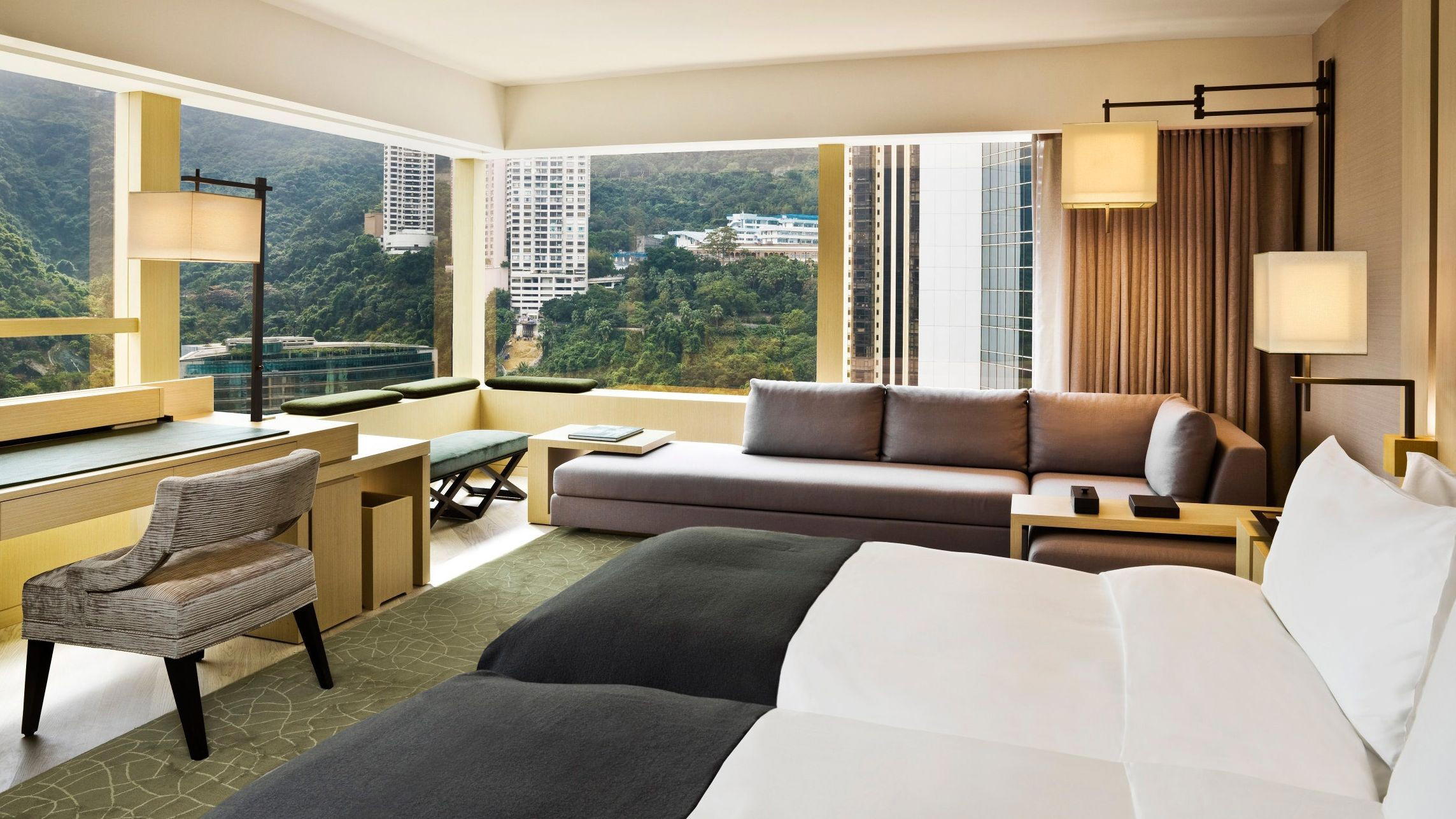
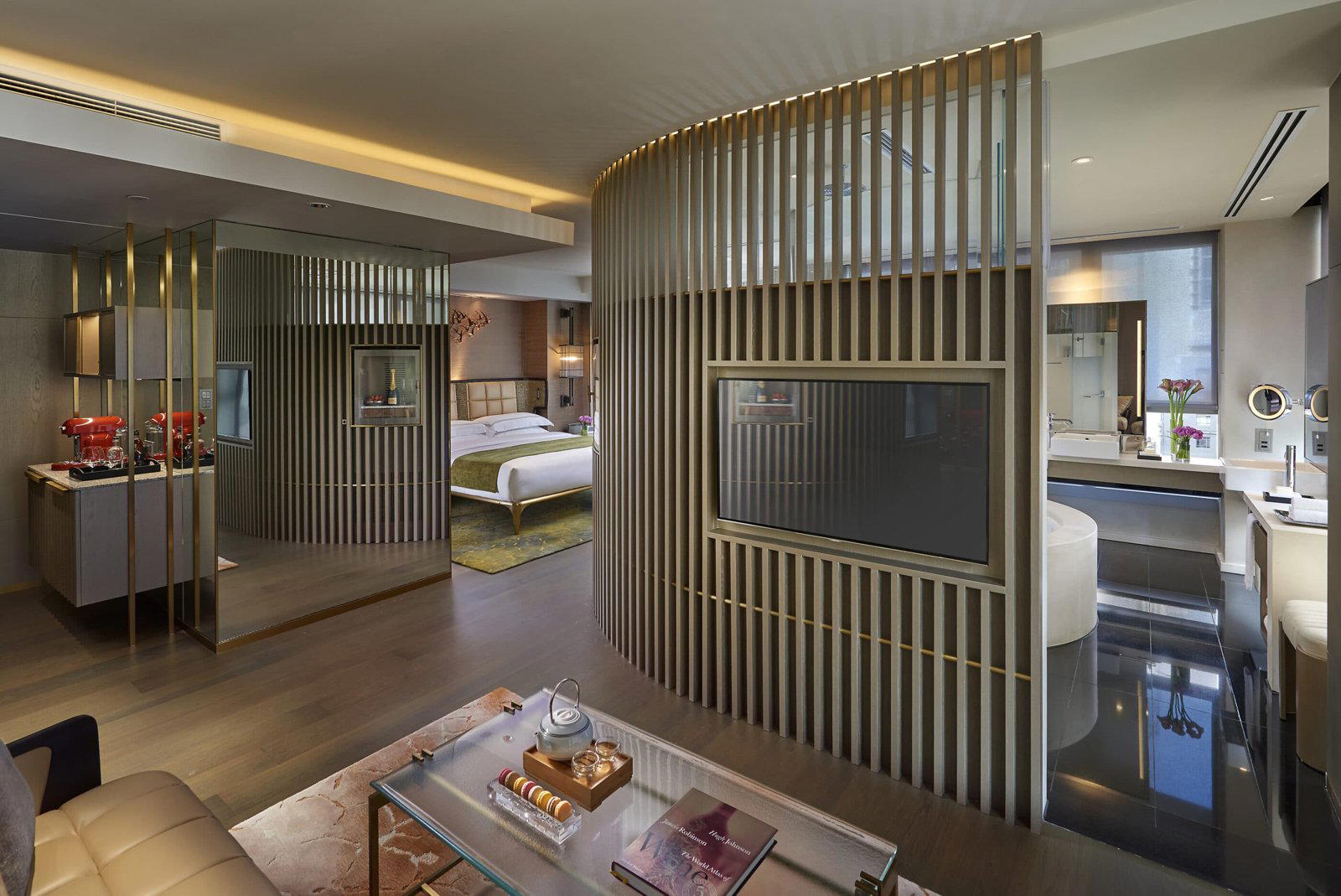
Timeless grace with classic Chinese decor featuring traditional elements, chandeliers, and an elegant, luxurious atmosphere.