
Sumibi Yakitori Torimasa belongs to Osaka’s compact, serious yakitori tier: small-room cooking, charcoal-grilled chicken skewers, Japanese cuisine, sake and wine, and a Tabelog 100 Yakitori WEST selection in 2024 and 2025. The draw is not theatrical luxury but the discipline of a 16-seat room near Kitahama, where the physical limits of the space shape the pace of dinner.
Pearl is the En Primeur Club membership app — saves, bookings, and concierge access live there. Same editors, same standards.
- Address
- 2 Chome-3-4 Fushimimachi, Chuo Ward, Osaka, 541-0044, Japan
- Phone
- +81 6-4708-5220
- Website
- tabelog.com
 Saves & bookings on Pearl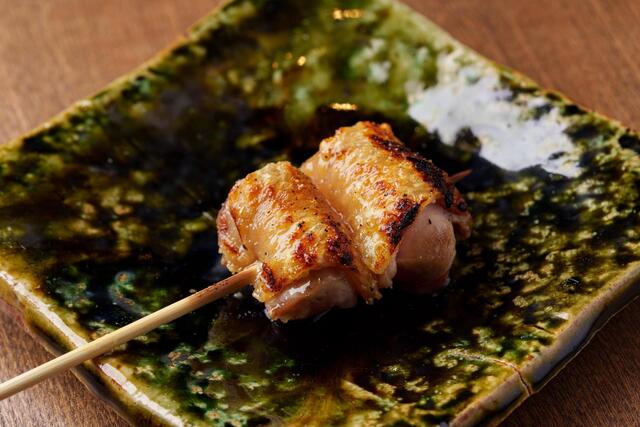
Kitahama’s dining rooms tend to announce themselves quietly: office blocks, narrow frontages, and rooms built for regulars rather than spectacle. In that setting, the small yakitori counter has become one of Osaka’s sharper formats. The room size matters. With only 16 seats and a private room option for small groups, Sumibi Yakitori Torimasa sits in the category where the architecture of dinner is tight by design: a grill-led kitchen, a short distance between cook and guest, and little tolerance for the loose sprawl of a larger izakaya.
Osaka’s yakitori culture rewards precision without making a ceremony of it. The format is direct: chicken, heat, timing, seasoning, and a room attentive enough to make small variations visible. That is why recognition on Tabelog’s Yakitori WEST 100 list in both 2024 and 2025 carries weight. It places the restaurant inside a regional conversation rather than a broad tourist checklist, especially in a city where the casual end of dining is already strong and the specialist end has to justify itself through consistency.
A 16-seat yakitori room built around proximity, not spectacle
The design story here is scale. Sixteen seats create a different social contract from a large grilled-chicken hall: fewer distractions, less distance between ordering and cooking, and a clearer sense of how the evening is paced. Private rooms for four to six add a second mode, but the core appeal remains the compact yakitori room, where the physical container pushes attention back toward skewers, drinks, and sequence.
That restraint suits Kitahama. The district, close to Osaka’s business spine, does not trade on the neon excess associated with Dotonbori or the late-night density of Umeda. It is better for restaurants that feel edited: small Japanese counters, specialist rooms, and places where the customer is expected to understand the format before sitting down. In that context, Sumibi Yakitori Torimasa reads as part of a quieter central-Osaka pattern, not as an isolated destination.
The drink positioning also matters. A yakitori room that pays attention to both nihonshu and wine is speaking to a broader Osaka diner: one who may want sake with salt-grilled chicken one night and wine with a longer dinner another. The point is not fusion gloss; it is the recognition that serious yakitori now competes with kappo, sushi counters, and modern Japanese rooms for the same dinner slot.
Where Osaka's yakitori tier separates itself
Osaka has range at every price and formality level, from everyday pork buns and bakery stops to French and Japanese tasting rooms. Yakitori occupies a useful middle lane. It can be casual in structure and exacting in execution, which is why the better rooms attract diners who want craft without the rigidity of a formal course menu. Compared with a soba specialist such as Sobabito Aki or a polished Japanese room such as Fushimimachi Kakoiyama, this format places more emphasis on heat management and repetition than on breadth.
That narrowness is the virtue. Yakitori is not improved by unnecessary expansion. The discipline comes from returning to a small set of variables and making them count. The Tabelog 100 placement is useful here because it identifies a restaurant working inside a specialist category rather than a general popularity contest. A 3.68 Tabelog score further suggests a room with traction among diners who compare yakitori houses closely, not simply a place benefiting from passing footfall.
The location near Kitahama Station adds another layer to the decision. This is not the Osaka of sprawling food crawls; it is a dinner plan with a defined start and finish. That makes it better suited to a focused evening than to a first-night survey of the city. For a broader itinerary, pair this kind of specialist booking with daytime wandering elsewhere, then return to the center for a more contained dinner.
How to place it in an Osaka itinerary
Use this as a focused yakitori night, not a catch-all Osaka meal. Diners chasing variety across the city can build context through Our full Osaka restaurants guide, while a softer day around hotels, bars, wine, and activities sits in Our full Osaka hotels guide, Our full Osaka bars guide, Our full Osaka wineries guide, and Our full Osaka experiences guide. Within the restaurant map, useful contrasts include.cafe, 52CHO-ME BAKERY, 551 Horai (551蓬莱), 99 Pizza Napoletana Gourmet, and a canto (Italian).
For readers comparing Japanese dining beyond Osaka, the wider map runs from -Grilled beef Sukiyaki- KAMAKURA TANUKIAN 鎌倉 たぬき庵 in Kamakura and. 鮪と炭火焼き うお炭 秋葉原店 in Tokyo to.know in Kumamoto, (Shoku) Vietnam in Kawasaki, [Curry Senmon Ten] Maruyama Kyoju. in Sapporo, and [ki:] in Kyoto. Abroad, Jōdo Saké Bar in Los Angeles and Onigiri Time in Pasadena show how Japanese formats shift when transplanted into a different dining culture.
The editorial case for Sumibi Yakitori Torimasa is simple: Osaka rewards diners who choose a format and commit to it. This is a small, smoke-free yakitori room with documented category recognition, a focused drink direction, and enough spatial discipline to make the meal feel deliberate rather than decorative.
Side-by-Side Snapshot
Comparable options at the same price tier.
| Venue | Cuisine | Price | Notes |
|---|---|---|---|
| Sumibi Yakitori TorimasaThis venue — the venue you are viewing | Modern Yakitori Omakase | $$$ | Not listed |
| Kakigori Laboratory | Modern Kakigori (Shaved Ice) | $$$ | Nishi-ku |
| Yakiniku Futoro | Casual Wagyu Yakiniku Counter | $$$ | Kita |
| Sumibi Yakitori Kichizo | Charcoal-Grilled Yakitori & Izakaya | $$$ | Nishi |
| Torisho Ishii Hina | Modern Yakitori Omakase | $$$ | Minami-Azabu |
| CHIKICHIKI Tenma ten | Yakitori | $$$ | Kita |
Recognition history
Dated appearances from independent guides and award organizations, with the underlying list record or original source where available.
Tabelog 100 #87 · No. 87
Tabelog · Tabelog 100 - Yakitori - WEST - 2025
Continue exploring
More in Osaka
Restaurants in Osaka
Browse all →




Bars in Osaka
Browse all →




Hotels in Osaka
Browse all →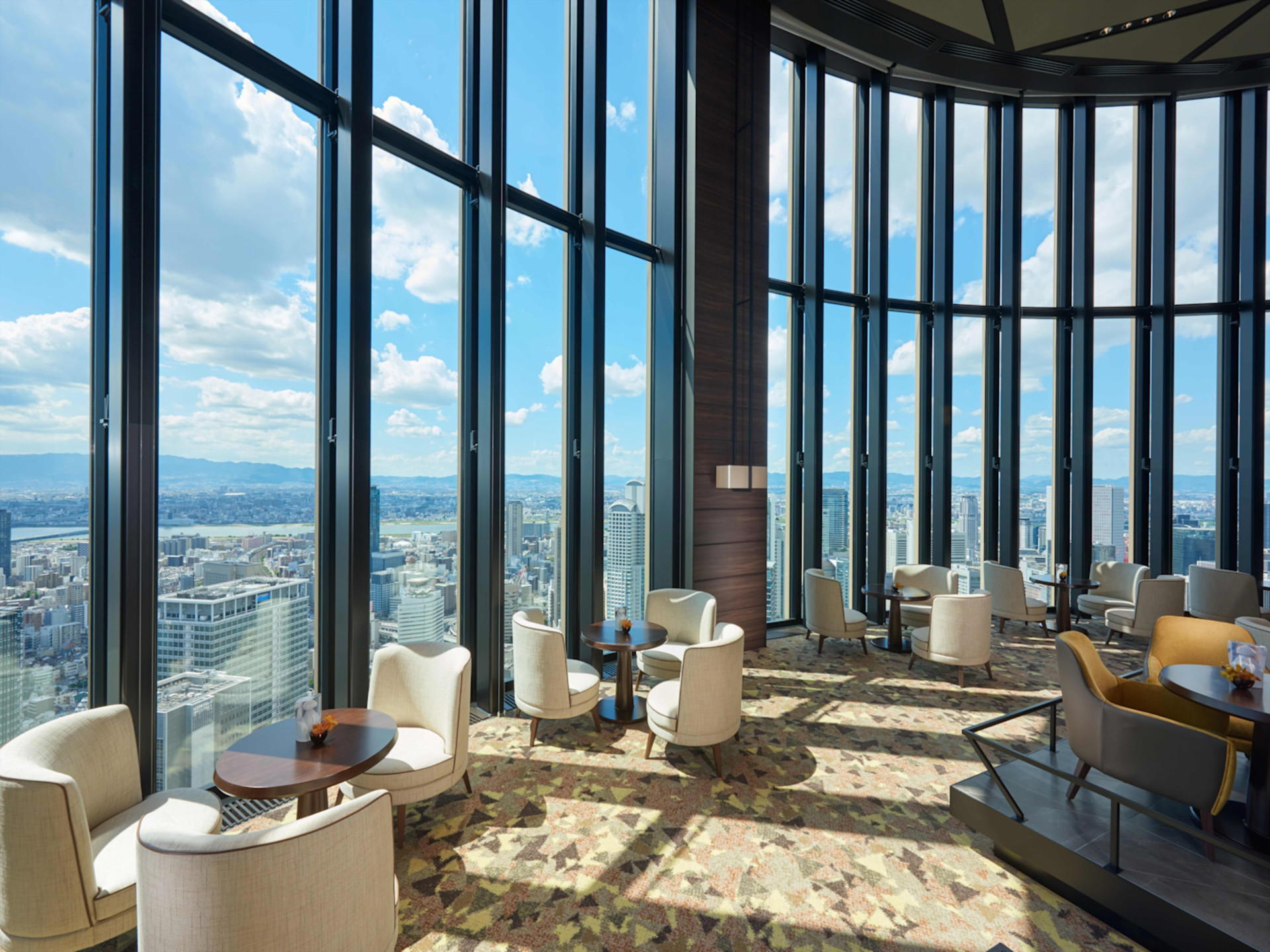




Wineries in Osaka
Browse all →
At a Glance
- Intimate
- Cozy
- Elegant
- Modern
- Date Night
- Business Dinner
- After Work
- Special Occasion
- Solo
- Chefs Counter
- Open Kitchen
- Private Dining
- Standalone
- Beer Program
- Sake Program
- Extensive Wine List
Current opening hours
- Monday
- 6–10 PM
- Tuesday
- 6–10 PM
- Wednesday
- 6–10 PM
- Thursday
- 6–10 PM
- Friday
- 6–10 PM
- Saturday
- 6–10 PM
- Sunday
- 6–10 PM
Hours can change for holidays and private events. Last verified .
Dim, warm lighting with a refined yet relaxed adult atmosphere; guests sit around a circular counter facing the charcoal grill, creating an immersive, chef-focused experience with the option of a completely private room.