Tabelog 100 #99
Our verdict
Sumibi Yakitori Ikoka Nishitenma belongs to Osaka’s serious izakaya-yakitori tier: compact, charcoal-led, and recognized in Tabelog’s 2025 Izakaya WEST 100 selection. The appeal is less about ceremony than control, with chicken dishes, counter seating, sake, shochu, wine, and cocktails placing it between neighborhood tavern culture and the city’s reservation-conscious dining circuit.

Pearl is the En Primeur Club membership app — saves, bookings, and concierge access live there. Same editors, same standards.
The menu
What to order
- Omakase Course (15 items: sashimi, 7 yakitori skewers, grilled vegetables, final dish, gelato)
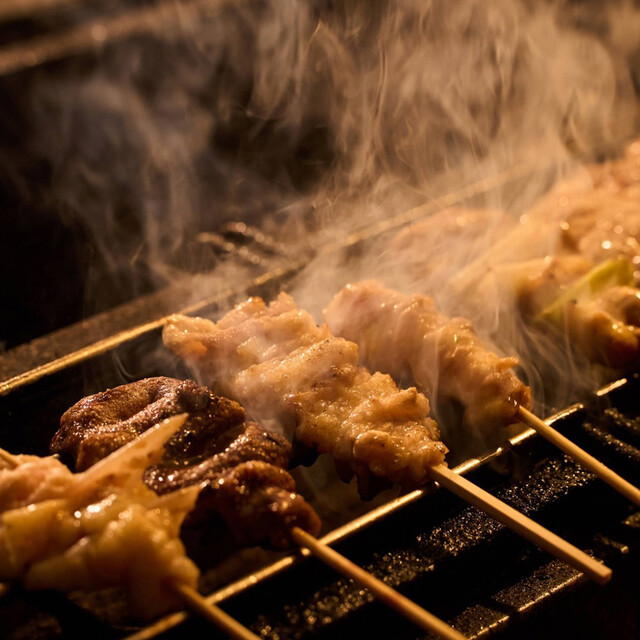
- Chef’s Selection 6 Skewers of Yakitori
- Charcoal-Grilled Chicken using Azumino Suji Chicken and Owari Binchotan charcoal
- Chicken sashimi and seasonal small plates
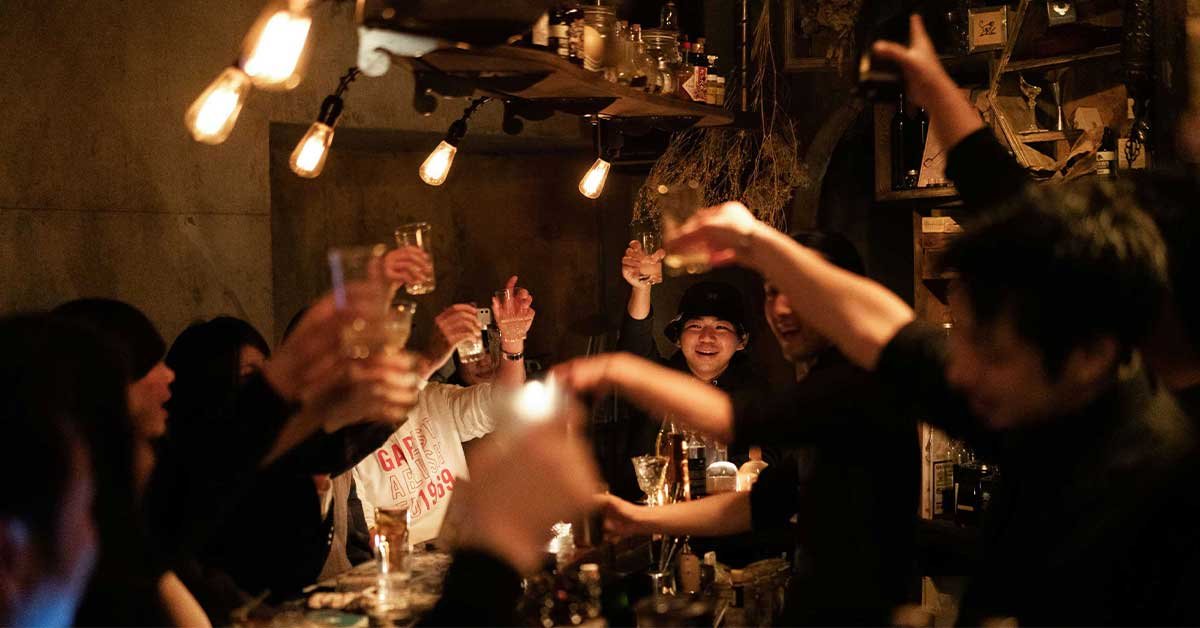
Osaka changes tone after office hours. Business routines quiet, side streets take over, and the city’s dining rhythm moves into smaller rooms where charcoal, bottles, and close attention matter more than spectacle. In that setting, Sumibi Yakitori Ikoka Nishitenma fits a familiar Kansai pattern: yakitori treated not as casual filler before drinks, but as the main structure of the evening.
Osaka has always been good at compressing pleasure into modest formats. The city’s food culture rewards immediacy, but its stronger counters also prize discipline: heat management, pacing, and the steady logic of grilled chicken. This is where the izakaya and yakitori categories overlap. The izakaya side gives flexibility and sociability; the yakitori side imposes order, with charcoal as the technical center. Recognition in Tabelog’s 2025 Izakaya selection places the restaurant inside a more competitive regional bracket rather than the anonymous after-work drinking tier.
Charcoal yakitori in Osaka's serious izakaya register
Yakitori in Japan can mean many things, from quick skewer spots turning orders fast to more focused rooms that treat each cut as its own cooking problem. Osaka’s version is often direct and convivial, but the serious rooms share the same grammar: small portions, grill precision, drinks that keep pace, and a room where the cooking is central rather than decorative. Sumibi Yakitori Ikoka Nishitenma works in that izakaya register, with grilled chicken skewers and chicken dishes anchoring a broader tavern format.
The distinction matters for travelers. A sushi counter telegraphs its hierarchy through omakase pricing and ritual; yakitori asks for closer reading. The clues here are category recognition, a charcoal-led format, and the way the meal gathers around repeated passes from the grill. The restaurant sits within Japanese chicken-focused dining, where grilled poultry can carry a whole evening with the same seriousness that other diners might associate with sushi, tempura, or kaiseki.
Within Osaka, this makes for a useful contrast with formal Japanese dining rooms such as Oimatsu Kitagawa, Shoroku, Oryori Amenimomakezu, and Oimatsu Miyamoto, or with sushi-focused Sushiroku. Those restaurants sit closer to composed-course dining. Yakitori, by comparison, keeps the cooking visible and the sequence tactile. The pleasure is in repetition with variation: different cuts, different heat exposure, different drinking speeds. That is a cultural point, not a minor format note.
Osaka favors compact rooms over spectacle
Osaka is a smart setting for this kind of restaurant because it supports dining rooms that do not need to announce themselves loudly. Beyond the most obvious tourist energy, the city has a strong habit of rewarding places built around regulars, reservations, and a clear sense of purpose. A yakitori-izakaya format belongs naturally in that environment.
That scale affects the meal. In a focused yakitori room, timing is part of the craft: orders, grill capacity, drink service, and the rhythm of the evening are intertwined. The experience works best when diners settle into the sequence rather than treating skewers as a quick snack. The tavern side keeps the mood social, while the charcoal side gives the meal its discipline.
The format also says something about contemporary Osaka dining. Serious izakaya can be casual in mood without being careless in execution. Yakitori’s smoke, fat, salt, tare, and poultry texture give the kitchen plenty of range, and the best meals in this category are built on incremental differences rather than one grand gesture. That does not make the restaurant showy. It shows how the category can expand while keeping its Japanese core intact.
How to place it on an Osaka eating itinerary
For a visitor building several days of eating in Osaka, this is the kind of dinner that gives structure to the city’s less formal side. It pairs well with daytime bakery, cafe, market, or casual stops elsewhere in the city, then leaves room on another night for more polished cooking or another counter-led meal. The point is not to rank these meals against one another, but to understand Osaka through its range: counter, tavern, bakery, casual dining, and refined restaurants all carry cultural weight here.
For broader planning, use Our full Osaka restaurants guide alongside Our full Osaka hotels guide, Our full Osaka bars guide, Our full Osaka wineries guide, and Our full Osaka experiences guide. Travelers extending the same food logic across Japan can compare how regional formats shift through unnamed dining rooms in other cities, from charcoal-led counters to casual taverns and more formal Japanese restaurants. Japanese food culture abroad tells another story again, where familiar formats can change meaning in different dining markets.
The editorial case is clear: Sumibi Yakitori Ikoka Nishitenma is for diners who want Osaka’s tavern culture with sharper category credentials. It is not the choice for a long tasting-menu performance or a luxury dining room. It is a charcoal-led izakaya where the city’s appetite for chicken, smoke, and drink meets a recognized regional standard.
Frequently asked questions
How much does it cost to eat at Sumibi Yakitori Ikoka Nishitenma?
Pricing at Sumibi Yakitori Ikoka Nishitenma is listed as JPY 5,000 - JPY 5,999.
Where is Sumibi Yakitori Ikoka Nishitenma in Osaka?
Osaka.
How hard is it to get a table at Sumibi Yakitori Ikoka Nishitenma?
It requires planning, as recognized yakitori and izakaya restaurants in Osaka can be popular at dinner. The listed phone number is 070-9158-1399, which is the most direct contact provided here.
What makes Sumibi Yakitori Ikoka Nishitenma worth seeking out?
It carries a Tabelog 2025 Izakaya selection, which is the clearest credential here. The format is focused on izakaya, yakitori, and chicken dishes in Osaka. The price range sits at JPY 5,000–JPY 5,999, keeping it in an accessible dinner bracket for a recognized address.
Do they accommodate allergies at Sumibi Yakitori Ikoka Nishitenma?
Those details are not published. The restaurant lists 070-9158-1399 as the phone number, which is the most practical way to ask about ingredients and preparation. For a yakitori and chicken-focused izakaya, that call matters more than assuming substitutions. Check the venue's official channels for the latest details.
Would Sumibi Yakitori Ikoka Nishitenma be comfortable with kids?
Those details are not published. It reads as a focused izakaya in Osaka rather than a loose family dining room. Parents planning a visit should call ahead at 070-9158-1399 and ask whether the party will fit the restaurant’s setup. Check the venue's official channels for the latest details.
What It’s Closest To
Comparable venues by cuisine and category.
| Venue | Cuisine | Price | Awards | Notes |
|---|---|---|---|---|
| Sumibi Yakitori Ikoka NishitenmaThis venue (the venue you are viewing) | Charcoal-Grilled Yakitori Izakaya | $30–50 | Tabelog 100 #99 | Not listed |
| Lilo Coffee Kissa | Japanese Specialty Coffee Kissa | $1–10 | Not listed | Chuo Ward, Shinsaibashi |
| Sogetsu | Traditional Osaka Okonomiyaki | $20–30 | Tabelog 100 #14 | Kita |
| Ganesh m Kitahama ten | Specialty Japanese curry house with global curry influences | $10–20 | Tabelog 100 #77 | Chūō |
| Sapporo Soup Curry JACK Shinmachi ten | Sapporo-style Japanese Soup Curry | $10–20 | Tabelog 100 #39 | Nishi |
| Grill Baranoki | Japanese-style Western (Yoshoku) | Not listed | Tabelog 100 #21 | Chūō |
Recognition history
Dated appearances from independent guides and award organizations, with the underlying list record or original source where available.
Tabelog 100 #99 · No. 99
Tabelog · Tabelog 100 - Izakaya - WEST - 2025