
Tabelog 100 #73
Our verdict
Suigyoza no Mise Harbin puts Osaka’s dumpling culture into a small-room, counter-led format rather than the city’s louder street-food register. Its Tabelog 100 Dumplings 2024 selection, 11-seat setup, and long-running Ibaraki presence make it a specialist stop for diners who want gyoza treated as the centre of dinner, not a side order.

Pearl is the En Primeur Club membership app, where members save venues, book tables and use the concierge.
The menu
What to order
- Boiled dumplings (sui-gyoza)
- Assorted gyoza
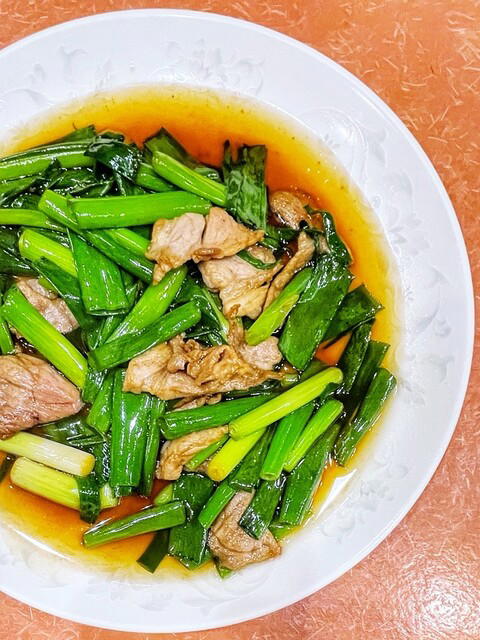
- Negi-buta (pork with scallions)
The restaurant signals its priorities quickly: focused scale, close attention, and the kind of specialist rhythm that suits dumplings better than ceremony. Osaka is often reduced to takoyaki, okonomiyaki, and neon-side snacking, but the city’s more interesting eating patterns also sit in specialist rooms where one category carries the meal. Suigyoza no Mise Harbin belongs to that register, with dumplings and Chinese cooking placed at the centre rather than treated as a supporting plate.
That matters because gyoza in Japan is often read through the language of crisp-edged yaki-gyoza, beer, and a quick second order. A dumpling house changes the sequence. The meal has a softer arc: dough, filling, seasoning logic, then related Chinese plates if the table wants to stretch the evening. The format rewards attention to pacing. Instead of chasing range, the point is repetition with small variations, which is why a narrow dumpling specialist can feel more serious than a broader casual Chinese menu.
Dumplings as the spine of dinner, not a side plate
Osaka’s casual dining economy is built on specialization. Ramen counters, bakeries, curry rooms, and dumpling shops can earn loyalty without broad menus because the city tolerates, even rewards, narrow focus. The 2024 Tabelog Hyakumeiten recognition gives Suigyoza no Mise Harbin a useful external marker within that field. It is not a luxury signal; it is a category signal, placing the restaurant inside Japan’s competitive dumpling conversation rather than the general Chinese-restaurant bracket.
The comparison with ramen is useful. Places such as Ramen Shin, Menya Tsumugu, and Menya Ikkei sit in a single-bowl format, where turnover and a defined signature style often drive the experience. A dumpling dinner works differently. It can still be casual, but it asks the table to build a sequence, especially when Chinese small plates enter the order. That makes the meal less transactional than a bowl of noodles and less sprawling than a full banquet.
Within Osaka, the price tier also says something about intent. Lemongrass House and Shouchiku Dou Suita yamada honten can sit nearby in a wider casual-specialist map, but Suigyoza no Mise Harbin lands in a middle space where the listed dinner spend, JPY 3,000–3,999, is modest by destination-restaurant standards but high enough for diners to treat the meal as dinner rather than a snack stop. The focused format reinforces that reading, making the experience closer to a specialist meal than a walk-through canteen.
The restaurant’s current recognition adds another layer. Osaka has no shortage of trend-driven openings, but a dumpling specialist recognised through Tabelog Hyakumeiten in 2024 belongs to a different pattern: local dining rooms that build reputation through a narrow category before they become objects of wider culinary attention. Osaka is not short on visitor-facing dining, which makes this kind of category-specific recognition more useful. This is not a venue trading only on the city’s broad food mythology.
The Osaka setting changes the decision
The location shapes how to read the meal. Suigyoza no Mise Harbin is in Osaka, which makes it part of the city’s wider specialist-dining map rather than just another generic Chinese option. The setting suits the category: dumplings, Chinese plates, and a format focused enough that the dinner feels anchored to a specific demand rather than a wide, all-purpose menu.
For travellers building a wider Osaka itinerary, this is where category discipline matters. A day can move through other Osaka dining rooms, bakeries, and quick-service comfort-food stops. Against that backdrop, a dumpling specialist offers a narrower, more seated answer to the same comfort-food instinct. It is not competing with Osaka’s quick-service icons on scale; it is competing on focus.
That focus also separates it from the city’s other specialist rooms. Osaka diners support highly specific formats when the execution is disciplined, whether the category is noodles, baked goods, curry, or another tightly framed meal. Dumplings occupy a parallel lane: not fine dining, not a casual chain, and not a checklist dish. The appeal is a compact progression built around one craft.
How to place it in an Osaka food plan
The sharper way to use Suigyoza no Mise Harbin is as a specialist dinner, not as a quick add-on between major sights. The category recognition argues for planning around it, especially for diners interested in how Osaka eats beyond its most obvious visitor circuits. The practical reading is simple: this is a dumpling-and-Chinese restaurant in a listed dinner range of JPY 3,000–3,999, so expectations should be closer to a focused specialist meal than a polished destination dining room.
Its reputation rests on dumplings and Chinese cooking, not chef theatre. No named chef is required for the story to make sense. The trust signal here is the 2024 Tabelog Hyakumeiten recognition, supported by a tight format and a Tabelog score listed at 3.57. For EP Club readers, that combination is more useful than another broad recommendation in Osaka: it points to a specific tradition, a specific scale, and a decision that will either fit the night or not.
For a broader Japan and diaspora food map, compare it generically with other dining rooms across Japan and beyond, while keeping Suigyoza no Mise Harbin in its proper lane: a focused Osaka dumpling and Chinese restaurant with documented 2024 category recognition.
Frequently asked questions
What's the price range at Suigyoza no Mise Harbin?
Pricing at Suigyoza no Mise Harbin is listed as JPY 3,000 - JPY 3,999 View spending breakdown.
What part of town is Suigyoza no Mise Harbin in?
Osaka.
How hard is it to get a table at Suigyoza no Mise Harbin?
Availability should be treated as something to plan around rather than assume. The safest approach is to confirm directly with the restaurant before arrival.
What has Suigyoza no Mise Harbin built its reputation on?
Its clearest credential is the 2024 Tabelog Hyakumeiten recognition, which places it in a documented category context for dumpling-focused dining. The formula is narrow and deliberate: dumplings and Chinese cooking, with a listed price range of JPY 3,000–3,999.
Can Suigyoza no Mise Harbin handle vegetarian requests?
The venue is listed for dumplings and Chinese cuisine, so vegetarian requests are a conversation to have before arrival rather than an assumption. The safest approach is to ask directly using the listed phone number, +81-72-623-2500.
Comparison Snapshot
Comparable options at the same price tier.
| Venue | Cuisine | Price | Awards | Notes |
|---|---|---|---|---|
| Suigyoza no Mise HarbinThis venue (the venue you are viewing) | Traditional Chinese dumpling house | $20–30 | Tabelog 100 #73 | Not listed |
| Bakabon | Ramen & Sichuan Chinese | $30–50 | Tabelog 100 #96 | Kita |
| Yokobori | Creative Chinese Stand-up Bar | $30–50 | Tabelog 100 #46 | Chūō |
| 551 Horai (551蓬莱) | Traditional Chinese Dim Sum & Pork Buns | $1–10 | Not listed | Namba |
| Marusho Gyoza Ten Dai2 hanna ten | Gyoza-focused Chinese dumpling shop | $20–30 | Tabelog 100 #61 | Daito |
| Raofu Tsai Hanshin umeda ten | Modern Sichuan Chinese | $30–50 | Tabelog 100 #11 | Kita |
Recognition history
Dated appearances from independent guides and award organizations, with the underlying list record or original source where available.
Tabelog 100 #73 · No. 73
Tabelog · Tabelog 100 - Dumplings - 2024
Continue exploring
More in Osaka
Restaurants in Osaka
All restaurants in Osaka →




Bars in Osaka
All bars in Osaka →

Hotels in Osaka
All hotels in Osaka →



Wineries in Osaka
Browse all →
Details
- Cozy
- Lively
- Intimate
- Classic
- Casual Hangout
- After Work
- Solo
- Group Dining
- Standalone
- Street Scene
- A La Carte
- Counter Dining
- Small Plates
- Shochu
- Beer
A small, old-school Chinese dumpling joint with about seven counter seats and one small table, non-smoking inside, simple decor and the bustling, relaxed feel of a local neighborhood favorite.